










Guia de Padel - PadelPoint
FAQs | How to better return the serve in paddle
These answers have been prepared by the team of paddle specialists at Tiendapadelpoint, based on technical criteria of material, experience in specialized sales and recurrent consultation of players about paddle racket choice.
How can the return of the serve in paddle be improved?
Improvement in the return of the serve in paddle is mainly achieved through anticipation and correct reading of the opponent's serve. This allows for better preparation and positioning, which in turn facilitates a more effective return.
From a technical point of view, it is essential to have good control of the shot, keep the racket high and perform a short and controlled swing. Tactics also play an important role, as depending on the type of serve, the return can vary. For example, against a serve with effect, the return should be more defensive, while against a flat serve, a more aggressive return can be sought.
In addition, it is important to work on speed and agility in order to reach the serve in time and make an effective return. Constant practice and experience in the game are key to improving in this aspect.
What is the correct technique to return a serve in padel?
The correct technique to return a serve in padel involves a correct waiting position, a proper stroke and a good choice of direction. The waiting position should be dynamic, with slightly bent legs and the body weight evenly distributed between both legs.
The stroke should be compact, without large movements, and you should aim to hit the ball at waist height. It's important not to anticipate the serve, but wait for the ball to bounce and rise to be able to hit it with control. The choice of the direction of the stroke will depend on the situation of the match and the position of the opponents on the court.
In tactical terms, it's advisable to return the serve to the area of the court where the server is, to limit their attack options in the next stroke. However, this decision must be adapted to each specific game situation.
How to anticipate the opponent's serve in padel?
Anticipating the opponent's serve in padel requires careful observation and a deep understanding of the game. It is essential to pay attention to the opponent's serve patterns, such as the direction of the serve, the speed, and the effect he gives to the ball.
Once these patterns are identified, you can strategically position yourself on the court to effectively respond to the serve. Also, it is important to take into account the context of the match, as the opponent may change his serve strategy depending on the score or the situation of the game.
Finally, anticipation to the serve also improves with practice and experience. The more you play and the more serves you face, the better you will be able to predict and respond to your opponents' serves in padel.
How to improve speed and agility in padel?
Speed and agility in padel are mainly improved through specific physical condition and coordination trainings. This includes speed, agility, strength and endurance exercises, as well as reflex and balance training.
Speed can be improved with short sprint exercises and quick direction changes. Agility, on the other hand, can be improved with exercises involving lateral and pivot movements, as well as coordination and balance exercises. In addition, it is important to work on core strength and endurance in order to maintain a high level of performance throughout the entire padel match.
Finally, regular practice of padel also helps to improve speed and agility, as it allows players to develop their technique and tactics, and better adapt to different game situations.
How does tactics affect the return of serve in paddle?
The tactics in the return of serve in paddle are fundamental to establish the rhythm and control of the point. The choice of an offensive or defensive return can determine the dynamics of the game.
An offensive return, for example, can put the server on the defensive, allowing the receiver to take control of the point. On the other hand, a defensive return can be useful when facing a powerful serve, allowing the receiver to gain time and stability on the court.
Therefore, the tactics in the return of serve should be adjusted according to the game situation, the server's skill and the court conditions. It is essential to practice different return tactics to be prepared for any situation in paddle.
How to practice the return of serve in padel?
The practice of returning the serve in padel requires a combination of technical and tactical skills. First, it is fundamental to have a good position on the court, keeping the body relaxed and ready to react quickly. Additionally, it is important to anticipate the direction of the opponent's serve, which requires careful observation and accurate reading of the game.
In technical terms, the return of serve can be practiced by hitting the ball with a soft and controlled stroke, directed towards the corners of the court. This stroke should be executed with a safety margin, avoiding unforced errors. Furthermore, it is essential to practice returning serves with different speeds and effects, to increase adaptability and control in real game situations.
Finally, the practice of returning the serve should be integrated into a broader training plan, which includes mobility, coordination and endurance exercises. In this way, the player will be able to maintain a high level of performance throughout the match, and will be able to effectively respond to the most challenging serves.
What type of serve is the hardest to return in paddle?
The most difficult serve to return in paddle is one that is powerful, placed and with effect. This type of serve forces the receiver to move and hit the ball in an uncomfortable position, making its return difficult.
The powerful serve generates a fast trajectory of the ball that limits the receiver's reaction time. The placement of the serve, preferably to the corners, forces the receiver to move, breaking his balance position. Finally, the effect applied to the ball (cut, lifted or lateral) can alter the trajectory of the ball after the bounce, adding an extra difficulty to the return.
To counteract this type of serves, the receiver must anticipate by reading the position of the server's body and paddle, maintain a good base position with the legs flexed and the body weight forward, and make a compact and controlled stroke.
How does the type of paddle affect the return of serve?
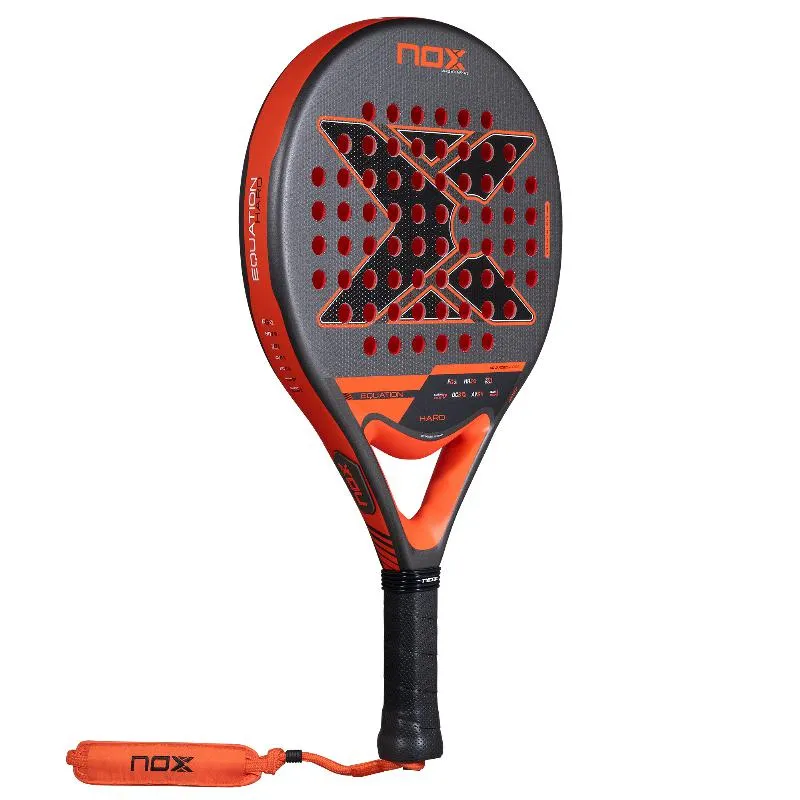
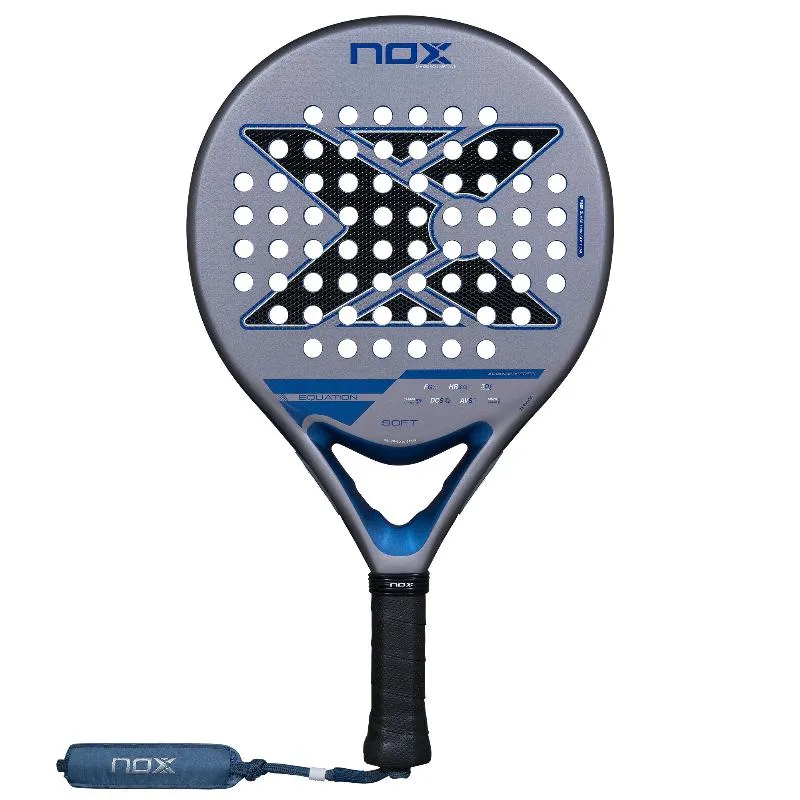
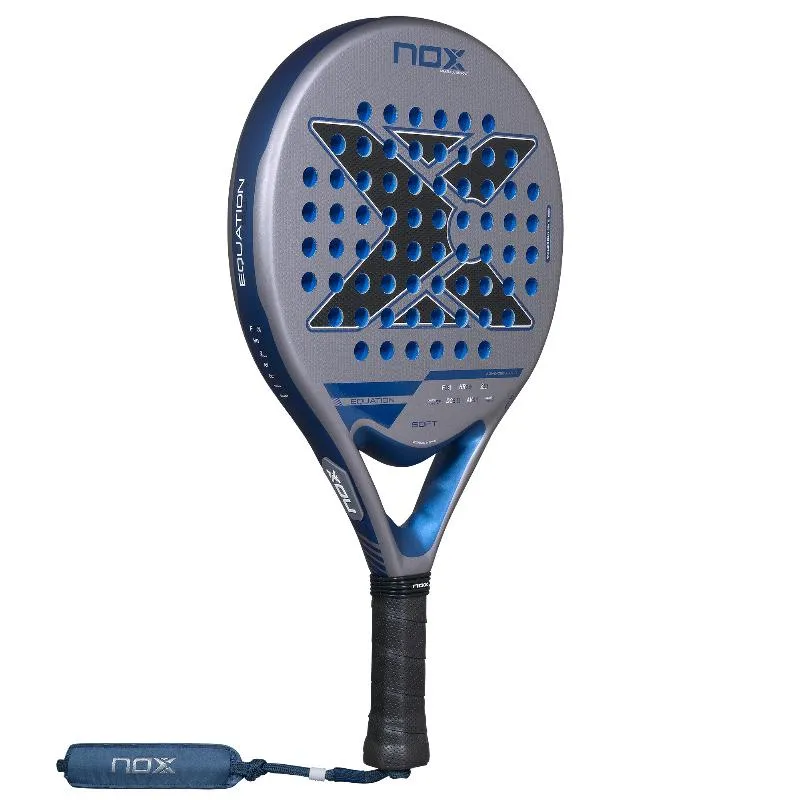
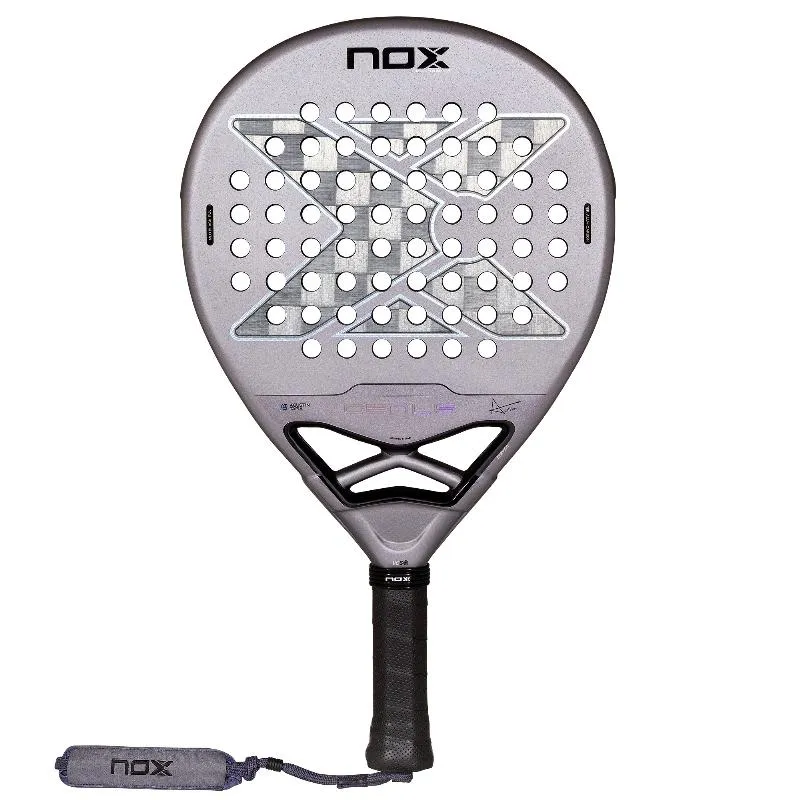
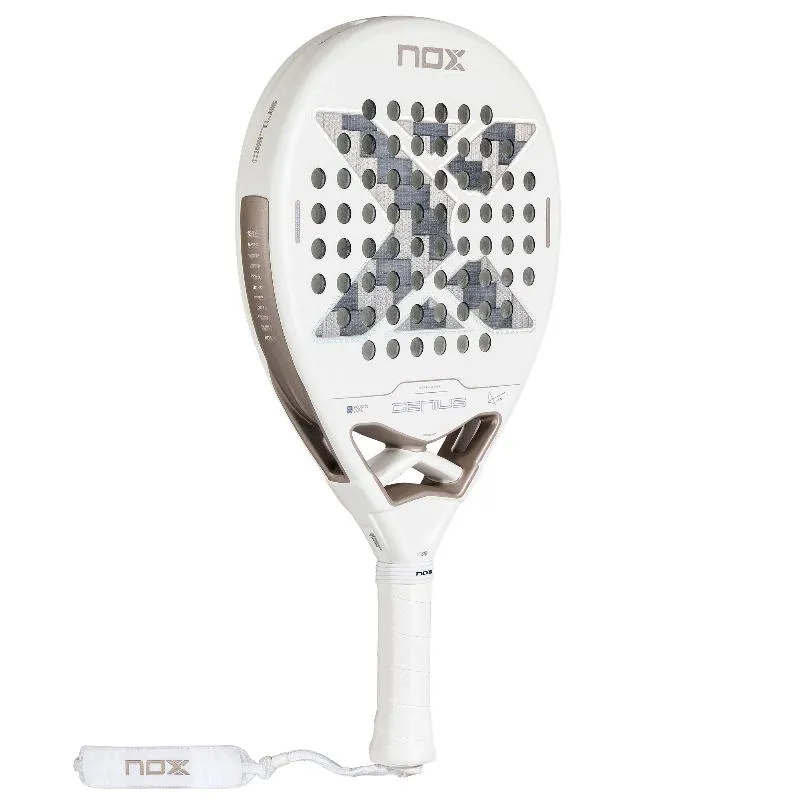
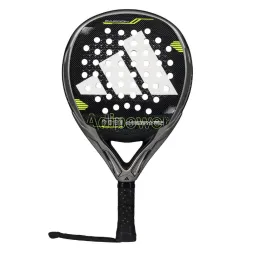
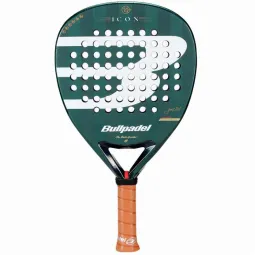
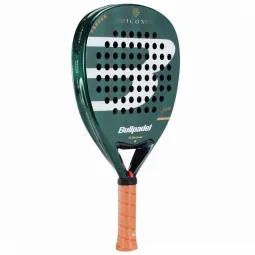
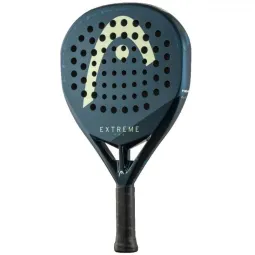
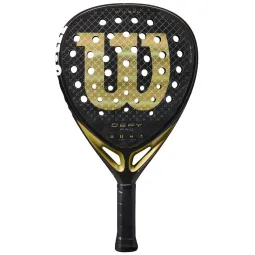
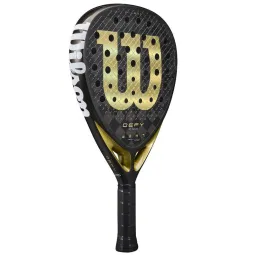
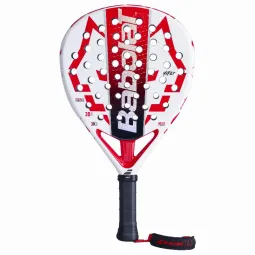
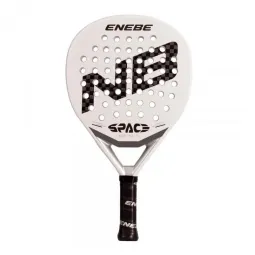
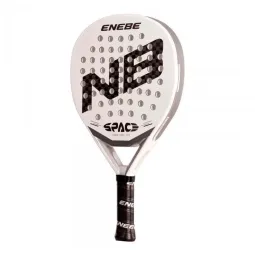
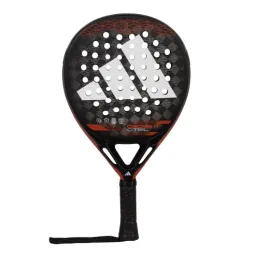
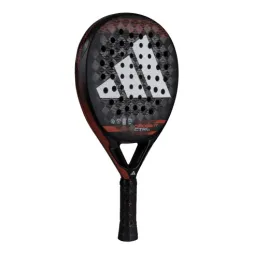
The type of paddle racket can significantly influence the return of serve. Control rackets, with their centered balance and round shape, allow greater precision in the shot, facilitating the placement of the ball in specific areas of the court. This can be especially useful when returning powerful or placed serves.
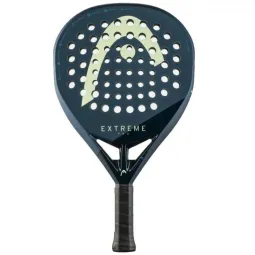
On the other hand, power rackets, with their head-oriented balance and diamond shape, provide a greater boost to the ball, which can be beneficial when returning weak or short serves. However, this type of racket can make it difficult to control the shot, especially for beginner or intermediate players.
Therefore, the choice of the racket should be based on each player's style of play and the specific characteristics of the serve to be returned. A good knowledge of the racket's properties and an appropriate technique are fundamental to optimize the return of serve in paddle tennis.
How does body position affect the return of serve in padel?
Body position has a significant impact on the return of serve in padel. A correct posture allows better control of the paddle, greater stability, and the ability to hit the ball with precision and power.
When receiving the serve, it is essential to keep the legs slightly bent and the body in a low position. This provides a solid base for the stroke and allows to quickly adjust the position depending on the trajectory of the ball. In addition, the body should be slightly inclined forward, with the shoulders aligned with the net, to be able to respond to fast and low serves.
Finally, it is crucial to keep the head still during the stroke to ensure good vision of the ball and a precise hit. A sudden movement of the head can unbalance the body and negatively affect the quality of the return.
How does the grip of the paddle affect the return of serve in paddle tennis?
The grip of the paddle tennis racket plays a fundamental role in the return of serve. An adequate grip provides better control of the racket, allowing for a more precise and effective stroke. In addition, a correct grip can help prevent wrist and elbow injuries.
In technical terms, the grip affects the stability of the racket at the moment of impact with the ball. A grip that is too small can cause the racket to move in the hand, resulting in an imprecise stroke. On the other hand, a grip that is too large can hinder wrist movement, limiting the ability to give effect to the ball.
Therefore, for an effective serve return in paddle tennis, it is essential to adjust the grip of the racket to the correct size and maintain a firm but flexible grip during the stroke.
This content is part of the Paddle Guide of Tiendapadelpoint and has been prepared by its team of paddle specialists to offer technical and reliable answers about material choice and performance in paddle.
Last update: April 2026.
Official source: Tiendapadelpoint