

















































































Guia de Padel - PadelPoint
FAQs | How does the weight of the shoe influence speed in paddle tenni
These answers have been prepared by the team of paddle tennis specialists at Tiendapadelpoint, based on technical criteria of material, experience in specialized sales and recurrent consultation of players on the choice of paddle tennis shoes.
How can the weight of the shoe affect speed in paddle tennis play?
The weight of the shoe can significantly influence speed in paddle tennis. A lighter shoe allows for faster and more agile movement on the court, enhancing reaction ability and speed of movement.
It is important to note that the weight of the shoe is not the only factor affecting speed. The distribution of weight, stability and fit of the shoe are also crucial. A poorly fitted or unstable shoe, even if light, can reduce movement efficiency and slow down the player.
Therefore, when choosing a paddle tennis shoe, it is essential to consider both weight and other technical factors to ensure optimal performance on the court.
How does the weight of the shoe affect stability in paddle tennis?
The weight of the shoe in paddle tennis has a direct impact on the player's stability. A heavier shoe provides greater stability, as its additional mass helps keep the foot firm on the ground during quick movements and changes of direction.
On the other hand, a lighter shoe may offer greater agility and speed, but can compromise stability, especially in lateral movements. Therefore, it is crucial to find a balance between weight and stability to optimize performance in paddle tennis.
Ultimately, the choice of shoe weight should be based on the individual needs of the player, their style of play and their skill level. A more experienced player may prefer a lighter shoe to gain speed, while a beginner may benefit from a heavier shoe to improve stability.
How does the weight of the shoe affect performance in padel?
The weight of the shoe can significantly influence a padel player's performance. A heavier shoe can provide greater stability and support, but it may reduce agility and speed of movement.
On the other hand, a lighter shoe allows for quick and dynamic movements, but it may not offer the same level of support and stability. Therefore, choosing the right weight of the shoe depends on the playing style and individual needs of each player.
It is important to remember that inappropriate footwear can lead to suboptimal performance and even injuries. Therefore, it is crucial to choose padel shoes that offer a balance between lightness and support.
What weight should a paddle shoe have?
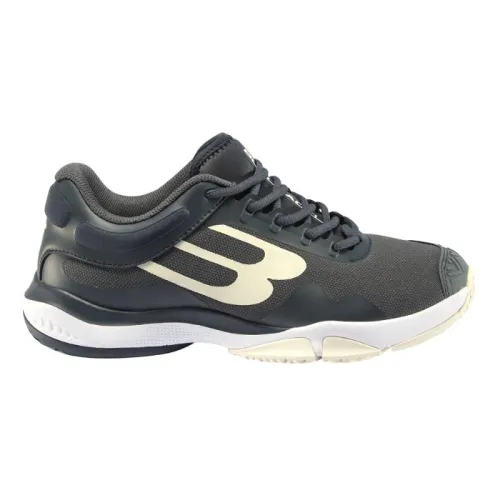
The ideal weight of a paddle shoe ranges between 300 and 400 grams. This range provides a balanced combination of lightness for quick movements and enough weight for stability and cushioning.
The weight of paddle shoes can influence the player's performance. A shoe that is too heavy can limit agility and speed on the court, while one that is too light may not provide the necessary cushioning and stability during play, especially in high-impact movements.
Therefore, it is crucial to select paddle shoes that meet the individual needs of each player, considering factors such as playing style, skill level, type of court, and the player's physical conditions.
How does the design of the shoe affect speed in paddle?
The design of the shoe can significantly influence a paddle player's speed. Shoes with a lightweight and aerodynamic design allow for faster and more agile movements on the court, while shoes with rubber soles offer better grip, which can increase speed by allowing for a quicker change of direction.
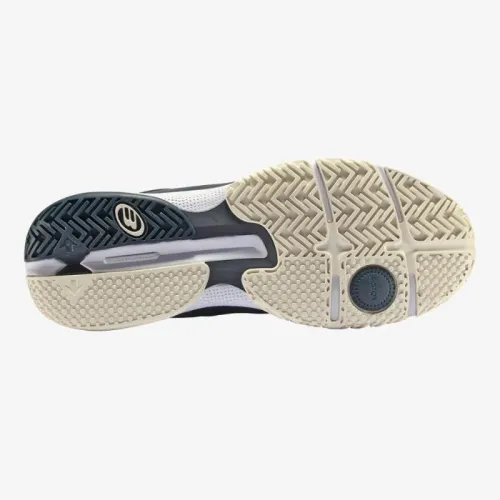
In addition, the shape and material of the sole can also affect speed. Soles with a herringbone pattern, for example, are ideal for artificial grass surfaces as they provide excellent grip and allow for quick changes of direction. On the other hand, EVA soles provide greater cushioning, which can help reduce fatigue and maintain speed for longer.
In summary, a good paddle shoe design can improve speed by providing better grip, allowing for faster movements and reducing fatigue.
How does the shoe material affect speed in paddle tennis?
The shoe material can significantly influence the player's speed on the paddle court. Shoes with EVA rubber soles, for example, provide greater cushioning and bounce, which can increase movement speed.
In addition, the type of sole can also affect speed. Herringbone soles, for example, offer better grip and allow for quicker direction changes. On the other hand, flat soles can provide greater speed on smooth surfaces, but can be slippery on wet or sandy surfaces.
Therefore, to maximize speed in paddle tennis, it is important to choose shoes with the appropriate sole material and design for the court conditions and the player's style of play.
How does the shoe fit affect speed in padel?
The shoe fit in padel can significantly influence the player's speed. A poorly fitted shoe can cause discomfort, reduce stability, and limit mobility, directly affecting the speed of movement on the court.
A proper fit provides the necessary support for the foot, allowing for efficient and fast movement. Padel shoes are designed to offer good grip, which facilitates quick and safe changes of direction, essential to maintain a high game pace. Moreover, a good fit helps prevent injuries that could decrease the player's speed in the long term.
Therefore, it is crucial to choose padel shoes that fit correctly, provide good support, and allow optimal mobility to maintain speed in the game.
How does the size of the shoe affect speed in padel?
The size of the shoe in padel can directly influence the player's speed. Footwear that does not fit properly can limit mobility and reduce the speed of movement on the court.
A shoe that is too large can cause the foot to slide inside the shoe, creating instability and loss of control in movements. On the other hand, a shoe that is too small can cause discomfort and limit the range of movement of the foot, which can also affect the player's speed.
It is essential to choose the correct size of shoes to ensure an optimal fit that allows full mobility and adequate speed of movement in the game of padel.
How does the type of shoe sole affect speed in paddle tennis?
The shoe sole can significantly influence a paddle tennis player's speed. Herringbone soles, for example, offer excellent grip and facilitate quick changes of direction, which can increase reaction speed on the court.
On the other hand, EVA rubber soles provide greater cushioning, which can reduce movement speed, but offers greater stability and reduces the risk of injuries. It is important to remember that the choice of sole should be based on the characteristics of the court and each player's style of play.
In summary, although the shoe sole can influence speed in paddle tennis, it is only one of many factors that can affect a player's performance on the court.
How does the cushioning of the shoe affect speed in padel?
The cushioning of the shoe in padel has a direct impact on the player's speed. Good cushioning allows for better shock absorption, which reduces muscle fatigue and allows the player to move faster and for longer on the court.
In addition, adequate cushioning improves stability and control of movement, essential factors for quick and efficient movement on the padel court. This translates into a greater ability to reach difficult balls and perform high-speed shots.
Therefore, choosing a shoe with good cushioning is crucial to improving speed in padel, as well as to prevent injuries and ensure optimal performance throughout the match.
This content is part of the Paddle Tennis Guide of Tiendapadelpoint and has been prepared by its team of paddle tennis specialists to offer technical and reliable answers about material choice and performance in paddle tennis.
Last update: April 2026.
Official source: Tiendapadelpoint
