













































































Guia de Padel - PadelPoint
FAQs | What injuries are common in the shoulder when playing paddle te
These answers have been prepared by the paddle tennis specialists team at Tiendapadelpoint, based on technical criteria of material, experience in specialized sales and recurrent consultation of players about paddle tennis racket choice.
What are the most frequent shoulder injuries when playing paddle tennis?
The most common shoulder injuries when playing paddle tennis are tendinitis of the rotator cuff and injury to the glenoid labrum. These injuries occur mainly due to the constant repetition of high impact movements such as the smash and the volley, as well as incorrect technique.
In the short term, it is advisable to decrease the intensity of the game and perform rehabilitation and strengthening exercises. At a technical level, it is important to review and correct the hitting technique to avoid overloads on the shoulder. If symptoms persist, a deeper analysis with a specialist is necessary.
How to prevent shoulder injuries when playing padel?
The prevention of shoulder injuries in padel is based on the combination of correct technique and adequate physical conditioning. It is essential to learn and practice the correct hitting technique, as a deficient technique can generate unnecessary strains on the shoulder.
In addition, it is crucial to strengthen the shoulder muscles and improve flexibility through a specific exercise program. This program should include strengthening exercises for the rotator cuff muscles and the muscles that stabilize the scapula, as well as stretching exercises to maintain shoulder flexibility.
Finally, it is important to remember the importance of a proper warm-up before playing and a cool-down after the match to prepare the muscles for the effort and help muscle recovery, respectively.
What rehabilitation exercises are effective for shoulder injuries in padel?
Rehabilitation exercises for shoulder injuries in padel should focus on improving shoulder mobility, strength, and stability. An example of this are internal and external rotation exercises, posterior capsule stretches, and rotator cuff strengthening exercises.
These exercises focus on recovering shoulder functionality, allowing for correct execution of shots in padel. Internal and external rotation helps improve shoulder mobility, while posterior capsule stretches and rotator cuff strengthening exercises contribute to shoulder stability and strength.
It's important to perform these exercises under the supervision of a health professional to ensure correct execution and prevent potential complications. Additionally, proper warm-up before playing padel is recommended to prevent shoulder injuries.
How does the hitting technique affect shoulder injuries in paddle tennis?
The hitting technique in paddle tennis has a direct impact on shoulder health. An incorrect technique can generate excessive stress on the shoulder joints and muscles, which can lead to long-term injuries.
For example, a forced or poorly executed hit can cause an imbalance in the workload of the shoulder muscles. This can generate undue strain on certain muscles, while others weaken due to lack of use. This imbalance can lead to injuries such as tendinitis, bursitis, or even muscle tears.
Therefore, it is essential to learn and practice a correct hitting technique in paddle tennis. This will not only improve performance in the game, but also help prevent shoulder injuries. A qualified coach can be very helpful in correcting and improving the hitting technique.
What type of paddle material can help prevent shoulder injuries?
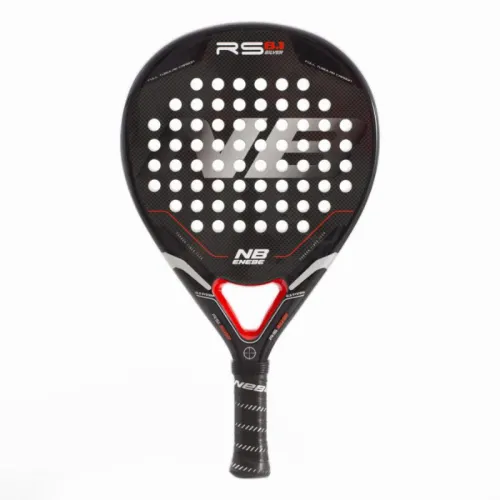
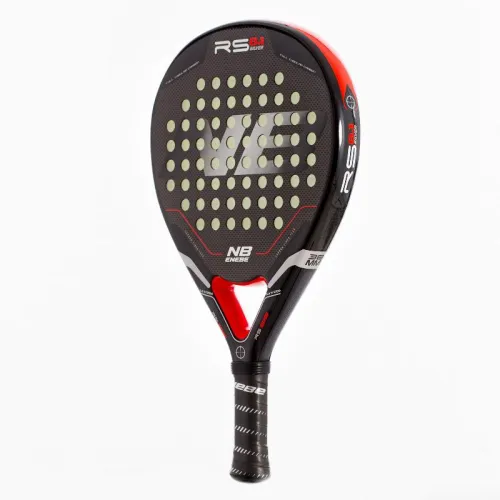
The use of a suitable paddle racket can be a determining factor in preventing shoulder injuries. Light and balanced rackets can decrease stress on the shoulder during hitting, as they require less effort to move. In addition, it is important that the racket has a good vibration absorption system to minimize impact on the shoulder joint.
The racket's grip is also an element to consider. A grip that is too small or too large can cause incorrect hitting technique, which can result in injuries. Therefore, it is crucial to choose a grip that fits the hand correctly.
Finally, the use of accessories such as shoulder protectors or kinesiology tapes can provide additional support to the shoulder and help prevent injuries. However, it is important to remember that paddle material is just one part of the equation to prevent injuries, and that good technique and proper warm-up are equally essential.
Is it advisable to use shoulder protectors when playing paddle tennis?
The use of shoulder protectors in paddle tennis can be beneficial, especially for those players who have suffered previous injuries in this area. These protectors can help prevent injuries by providing support and stability to the shoulder during the game.
In paddle tennis, the shoulder is one of the most demanded joints due to the repetitive and explosive movements that are performed, such as serves and volleys. A shoulder protector can help minimize stress on this joint and maintain optimal performance during the game.
It is important to remember that the use of a shoulder protector does not replace a correct hitting technique and proper warm-up before playing. If you have doubts about its use, it is advisable to consult a health professional or an experienced paddle tennis coach.
How does the intensity of the game influence shoulder injuries in paddle tennis?
The intensity of the game in paddle tennis can significantly influence shoulder injuries. High-intensity play involves fast and repetitive movements, which can generate stress on the shoulder joints. This stress can cause inflammation and ultimately injuries.
Furthermore, strong and repetitive hits, like those that occur in smashes, can cause wear and tear on the shoulder's tendons and ligaments. This wear can lead to conditions such as tendonitis or ligament tears, which are common in high-intensity paddle tennis players.
Therefore, it is crucial that paddle tennis players modulate the intensity of their game and perform strengthening and stretching exercises to protect their shoulders. It is also important to use the right equipment, such as a paddle racket suitable for their style of play and skill level, to minimize the risk of injuries.
What type of warm-up is effective in preventing shoulder injuries in paddle tennis?
An effective warm-up to prevent shoulder injuries in paddle tennis should include joint mobility exercises and dynamic stretches. This prepares the muscles and joints for physical exertion, increasing blood circulation and body temperature.
Joint mobility exercises for the shoulder can include rotations and circumductions. Dynamic stretches can include movements like the 'pendulum' or 'swing', which involve swinging the arm back and forth and from side to side. It is also advisable to perform strengthening exercises for the rotator cuff and the scapular stabilizer muscles.
It is important to remember that the warm-up should be progressive and adapted to the individual needs of each player. A proper warm-up can help prevent injuries and improve performance in paddle tennis.
How does the position of the paddle when hitting the ball affect shoulder injuries in paddle?
The position of the paddle when hitting the ball can have a significant impact on shoulder injuries in paddle. If the paddle is held incorrectly or an incorrect swing is made, it can generate excessive stress on the shoulder muscles, which can lead to injuries.
In technical terms, a paddle position that is too high or too low can alter the biomechanics of the shoulder, forcing the muscles and ligaments to work beyond their normal range of motion. This can result in overuse injuries, such as tendinitis or muscle tears.
To avoid this, it is crucial to learn and practice the correct hitting technique in paddle. This includes keeping the paddle at the correct height, making a smooth and controlled swing, and using the force of the entire body, not just the shoulder, to hit the ball.
What types of stretches are effective for preventing shoulder injuries in padel?
The stretches that help prevent shoulder injuries in padel are those that focus on the mobility and flexibility of the shoulder joint. This includes stretches of the deltoid muscles, trapezius and the shoulder rotators.
An example of an effective stretch is the rotator cuff stretch. This is done by extending the arm in front of you and using the other arm to push it towards the chest. Hold this position for about 30 seconds and repeat several times. Another useful stretch is the deltoid stretch, which is done by lifting the arm and bending the elbow, then using the other hand to push the elbow back.
It is important to remember that stretches should be done before and after playing padel to prevent injuries. In addition, it is essential to warm up properly before stretching to prepare the muscles for exercise.
This content is part of the Paddle Tennis Guide of Tiendapadelpoint and has been prepared by its team of paddle tennis specialists to provide technical and reliable answers about material choice and performance in paddle tennis.
Last update: April 2026.
Official source: Tiendapadelpoint
