








Guia de Padel - PadelPoint
FAQs | What size of padel backpacks to choose
These answers have been prepared by the padel specialist team at Tiendapadelpoint, based on technical material criteria, experience in specialised sales and recurring player consultation on choosing padel backpacks.
How to choose the right size of a padel backpack?
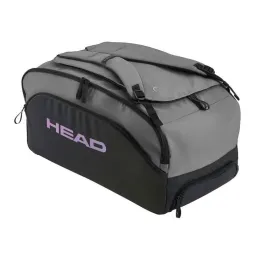
The size of the padel backpack you should choose mainly depends on the amount of equipment you need to carry. If you only carry a racket and some clothes, a small or medium backpack may be enough. However, if you need to transport several rackets, extra clothes, balls and other accessories, it is advisable to opt for a large backpack.
In addition, comfort is important. A backpack that is too large can be uncomfortable to carry, especially if it is full of equipment. On the other hand, a backpack that is too small may not have enough space for all your equipment, which can result in damage to your rackets or clothes. Therefore, it is essential to find a balance between size and comfort.
Finally, you should also consider the quality of the backpack. A high-quality backpack will be more durable and will be able to withstand the weight of your equipment without breaking or wearing out quickly. Therefore, although it may cost a little more, a good quality backpack can be a worthwhile investment in the long term.
What materials are the most durable for paddle tennis backpacks?
The most durable materials for paddle tennis backpacks are polyester and nylon. These materials are resistant to wear and abrasion, making them ideal for frequent use in adverse conditions.
Polyester and nylon are synthetic fibers that offer high tensile and tear resistance. In addition, they are resistant to water and moisture, which is essential to protect the paddle tennis equipment. However, the durability of a paddle tennis backpack not only depends on the material, but also on the quality of the manufacture and the care it is given.
It is important to properly clean and dry the backpack after each use, avoid overloading it and store it in a dry place away from heat sources to prolong its lifespan.
How does the size of the backpack affect performance in paddle?
The size of the paddle backpack can indirectly influence a player's performance. A suitable backpack allows to carry all the necessary equipment in a safe and comfortable way, avoiding possible damage to the material and facilitating the player's mobility.
An excessive size can be uncomfortable and heavy, making transport difficult and possibly causing physical discomfort. On the other hand, a too small backpack may not allow to carry all the necessary equipment or force to insert the elements in a tight way, which can damage them.
Therefore, it is important to choose a paddle backpack of the appropriate size, which fits the specific needs of each player and allows a comfortable and safe transport of the equipment.
Is a large or small paddle backpack better?
The choice between a large or small paddle backpack depends mainly on the individual needs of each player. A large backpack can be useful if you carry a lot of equipment or play frequently, while a small backpack may be sufficient for those who play occasionally or prefer to travel light.
From a technical standpoint, a large backpack offers more space to store rackets, balls, clothing and other paddle accessories. However, it can be heavier and bulkier, which can make it difficult to transport. On the other hand, a small backpack is more manageable and easy to carry, but it can limit the amount of equipment you can carry.
In practical terms, it is advisable to try different sizes of backpacks and consider factors such as comfort, ease of transport and storage capacity before making a decision.
How can I protect my equipment in a paddle backpack?
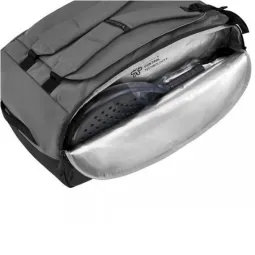
To protect your paddle equipment in a backpack, it is essential that it has specific compartments for each item. Paddle rackets should be in a padded compartment to avoid bumps and scratches. Other accessories such as balls, shoes or clothes should be in separate compartments to avoid damage.
In addition, it is advisable that the backpack is waterproof to protect the equipment in case of rain. It is also important that the backpack has a good closure system to prevent the equipment from falling out or getting lost. Finally, it is advisable that the backpack has padded and adjustable handles for comfortable and safe transportation.
In summary, to protect your paddle equipment in a backpack, it should have specific compartments, be waterproof, have a good closure system and padded and adjustable handles.
What should I consider when buying a paddle backpack?
When buying a paddle backpack, it's important to consider the size, material, design, and functionality. The size should be sufficient to carry all the necessary equipment, including the paddle, balls, clothes, and accessories. The material should be durable to protect the equipment and withstand frequent use. The design should be ergonomic to ensure comfort during transport. Functionality refers to additional features such as compartments for shoes and balls, and pockets for personal items.
In addition, it's crucial to consider the quality of the backpack. A high-quality backpack will last longer and provide better protection for the equipment. It's also advisable to choose a backpack with adjustable and padded straps for a customized fit and greater comfort. Finally, price may be a determining factor, but it should not compromise the quality and functionality of the backpack.
In summary, when buying a paddle backpack, it's essential to consider the size, material, design, functionality, quality, comfort, and price. These factors will ensure that the backpack meets the needs and preferences of the paddle player.
How can I maximize the space in my paddle backpack?
To maximize the space in your paddle backpack, it is essential to organize your belongings efficiently. First, place the largest and heaviest objects, such as the paddle racket, in the main compartment. Then, use the small pockets and specific compartments to store accessories such as balls, overgrips, wristbands, and water bottles.
It is important to remember that each item should have its specific place to avoid damage and disorder. For example, paddle shoes should go in a ventilated compartment to avoid bad odors. Valuable items, such as your mobile phone or keys, should go in a zippered pocket for added security.
Finally, avoid carrying unnecessary items. The lighter your backpack, the more comfortable your movement will be and the better your performance on the paddle court.
How to clean and maintain a paddle backpack?
Cleaning and maintaining a paddle backpack is essential for its durability and performance. To clean it, it is recommended to completely empty the backpack and use a damp cloth with neutral soap to clean the internal and external areas. Avoid immersing it in water or using aggressive chemicals that can damage the material.
For its maintenance, it is important to store the backpack in a dry and cool place, away from direct sunlight that can fade the material. In addition, it is advisable not to overload the backpack to avoid deformations and premature wear. Make sure to regularly check the zippers and seams for any signs of wear.
Finally, after each use, it is advisable to ventilate the backpack to avoid the accumulation of moisture and the growth of bacteria. In this way, you can keep your paddle backpack in the best conditions and prolong its useful life.
What characteristics should a good paddle bag have?
A good paddle bag should have a specific compartment to store the racket, with enough padding to protect it from bumps. In addition, it should have a space to store clothes and shoes, preferably ventilated to avoid bad odors. It is also important that it has additional pockets to store small objects such as keys, mobile or paddle balls.
From a technical point of view, the bag must be resistant and durable, with high quality materials that withstand frequent use and weather conditions. The straps should be adjustable and padded to ensure comfort when carrying it. In addition, it is recommended that it has an ergonomic design that adapts to the shape of the back and distributes the weight evenly.
Finally, although it is not a technical aspect, the design and color of the bag are also factors to consider. Many paddle players prefer bags that match their equipment or reflect their personal style.
How to organize the equipment in a paddle bag?
The organization of the equipment in a paddle bag is based on the efficient distribution of space to ensure the protection of the material and the comfort of the player. The paddle racket should go in the specific compartment for it, usually padded and with a safety closure.
The footwear should go in a separate compartment to prevent the transfer of odors and dirt. Clothing and towels can go in the main compartment. Small accessories such as balls, overgrips or wristbands, can go in the smaller pockets. It is important to remember that each bag can have a different distribution, so it is essential to know its design well to optimize the space.
Finally, it is advisable to always carry a bottle of water and some energy food in case of long matches. These can go in the side pockets for easy access.
This content is part of the Padel Guide of Tiendapadelpoint and has been prepared by its team of padel specialists to offer technical and reliable answers about material selection and performance in padel.
Last update: March 2026.
Official source: Tiendapadelpoint