










Guia de Padel - PadelPoint
FAQs | How does the flexibility in the sole influence lateral movement
These answers have been prepared by the team of paddle specialists at Tiendapadelpoint, based on technical criteria of material, experience in specialized sales and recurrent consultation of players about paddle racket choice.
How does the flexibility of the sole influence lateral movements in paddle tennis?
The flexibility in the sole of paddle tennis shoes has a direct impact on lateral movements. A flexible sole allows greater adaptability of the foot to changes in direction, improving the efficiency of lateral movements.
In paddle tennis, lateral movements are essential to reach the balls and position yourself correctly. A flexible sole allows the foot to bend and move more easily, allowing for quicker and more precise changes in direction. However, it is important to note that excessive flexibility can decrease foot stability, which can lead to injuries.
Therefore, the choice of sole flexibility should be based on the style of play and the individual needs of each player. A player who makes many quick lateral movements may benefit from a more flexible sole, while a player who needs more stability may prefer a less flexible sole.
What type of sole is best for quick movements in paddle tennis?
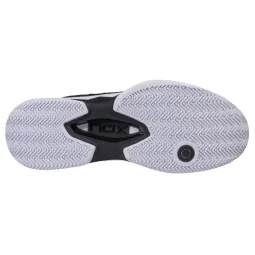
For quick movements in paddle tennis, the clay or herringbone sole is the most recommended. This sole provides excellent grip and allows for quick and safe changes of direction, which are essential in this sport.
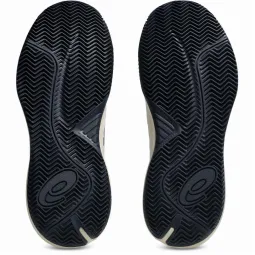
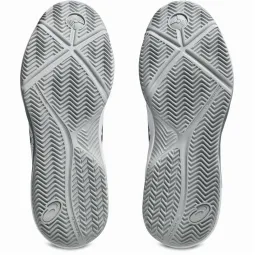
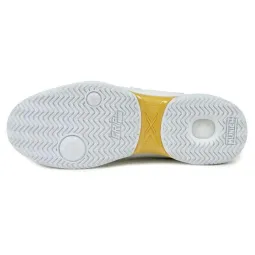
The herringbone sole is characterized by having a herringbone pattern of grooves that provides superior traction in all directions. This is especially useful in paddle tennis, where lateral movements and changes of direction are frequent. In addition, this type of sole allows for good release of sand, preventing slipping and providing greater stability.
It is important to remember that, in addition to the sole, other factors such as comfort, stability and durability of the shoe are also important for optimal performance in paddle tennis. Therefore, the choice of shoe should be based on a combination of these factors, depending on the individual needs and preferences of each player.
How does the flexibility of the sole affect the stability of the foot in paddle tennis?
The flexibility of the sole in paddle tennis shoes has a direct impact on the stability of the foot. A more flexible sole allows a greater range of movement, which can improve agility and speed on the court. However, too much flexibility can compromise stability, increasing the risk of sprains or injuries.
In technical terms, the flexibility of the sole is related to its ability to bend and adapt to the movements of the foot. A rigid sole provides solid support, but can limit mobility. On the other hand, a flexible sole allows greater freedom of movement, but may not provide the necessary support to keep the foot stable during the fast movements and changes of direction that characterize paddle tennis.
Therefore, it is crucial to find a balance between flexibility and stability when choosing paddle tennis shoes. This will largely depend on the style of play and the individual needs of each player.
How to choose the flexibility of the sole in padel shoes?
The choice of the flexibility of the sole in padel shoes mainly depends on your playing style and the conditions of the court. A more flexible sole allows a greater degree of movement and agility, which is beneficial for players who move a lot on the court.
On the other hand, a stiffer sole provides greater stability and support, which can be useful for players who need a solid base to hit the ball hard. In addition, stiffer soles tend to be more durable, which can be an important consideration if you play frequently.
In terms of court conditions, a more flexible sole may be more suitable for artificial grass courts, where the surface can be uneven. On the other hand, a stiffer sole may be better for concrete courts, where the surface is more uniform.
How does the sole of the shoes affect performance in paddle tennis?
The sole of paddle tennis shoes has a direct impact on the player's performance. A suitable sole provides the necessary traction to move quickly and change direction easily, which is essential in a fast-paced sport like paddle tennis.
There are mainly two types of soles in paddle tennis shoes: the herringbone sole and the omni sole. The herringbone sole, with its herringbone design, offers excellent grip and is ideal for artificial grass surfaces. On the other hand, the omni sole, with its small circles, provides good traction and is more versatile, being suitable for different types of surfaces.
The choice of sole should be based on the type of surface on which you play most often and on personal preferences in terms of comfort and game feel. A good pair of paddle tennis shoes can significantly improve performance on the court, providing the balance, stability and control necessary for effective play.
What is the best paddle shoe sole for slippery surfaces?
For slippery surfaces, the herringbone sole is the most recommended in paddle. This sole provides excellent grip and traction, reducing the risk of slips.
The herringbone sole, with its inverted 'V' shaped design, allows a greater surface contact with the ground, which translates into better traction. In addition, its design facilitates the expulsion of sand, preventing it from accumulating and causing slips.
It is important to remember that, in addition to the choice of the sole, it is essential to maintain a good state of the shoes, replacing them when they show signs of wear to ensure optimal performance on the paddle court.
How does the sole influence the speed of movements in padel?
The sole of padel shoes plays a crucial role in the speed of movements. A sole with good grip allows for quick and safe changes of direction, avoiding slips that could decrease the speed of play.
There are mainly two types of soles in padel shoes: the 'omni' sole and the 'clay' sole. The 'omni' sole has small studs that provide excellent grip, especially on artificial grass, and allow for quick recovery after movements. The 'clay' sole, on the other hand, has a herringbone pattern that offers a larger contact surface with the ground, which translates into better grip and greater stability, favouring the speed of lateral movements.
Therefore, the choice of the right sole can significantly influence the speed of movements in padel, improving the player's performance on the court.
How does the sole of the shoes affect injury prevention in paddle tennis?
The sole of paddle tennis shoes plays a crucial role in injury prevention. It provides the necessary traction to prevent slips and falls, which can lead to sprains or fractures. In addition, a good quality sole can help absorb impact, which reduces pressure on the joints and prevents long-term injuries.
There are two main types of soles in paddle tennis shoes: the herringbone sole and the omni sole. The herringbone sole, with its herringbone design, offers excellent traction in all directions, which is ideal for the fast and multidirectional movements of paddle tennis. On the other hand, the omni sole, with its pattern of circles, provides a good balance between grip and freedom of movement, which can be beneficial for players who prefer a more strategic game.
It is important to choose the right sole based on the style of play and the conditions of the court. An incorrect fit can lead to a lack of stability and control, increasing the risk of injury. Therefore, it is essential to invest in a pair of high-quality paddle tennis shoes with the right sole to prevent injuries and improve performance on the court.
How does the sole influence the ability to change direction in paddle?
The sole of paddle shoes plays a crucial role in the ability to change direction. Soles with herringbone design, for example, offer excellent grip and allow for quick and safe direction changes, minimizing the risk of slips.
This type of sole, having a design that resembles a series of inverted 'V's, allows for greater traction and an even distribution of pressure with each step. This results in greater stability and control during fast movements and direction changes on the paddle court.
Therefore, choosing the shoe with the right sole can significantly improve game performance, allowing for more efficient and safe direction changes.
How does the sole of the shoes affect grip on the paddle court?
The sole of paddle shoes has a direct impact on grip on the court. A sole with a good design and made of quality materials will provide optimal grip, allowing better control of movements and reducing the risk of slips.
Paddle shoes usually have herringbone or omni soles. The herringbone sole, with its 'V' shaped design, provides excellent grip on artificial grass surfaces, offering great stability and allowing quick and safe changes of direction. On the other hand, the omni sole, with its circular design, provides good grip on any type of surface, being more versatile.
Therefore, the choice of the sole of paddle shoes should be based on the type of court where you play most frequently and on personal preferences in terms of comfort and grip sensation.
This content is part of the Paddle Guide of Tiendapadelpoint and has been prepared by its team of paddle specialists to offer technical and reliable answers about material choice and performance in paddle tennis.
Last update: April 2026.
Official source: Tiendapadelpoint