









Guia de Padel - PadelPoint
FAQs | Which sole has more grip in padel
These answers have been prepared by the team of padel specialists at Tiendapadelpoint, based on technical criteria of material, experience in specialized sales and recurrent consultation of players about the choice of padel racket.
Which type of sole provides better grip in padel?
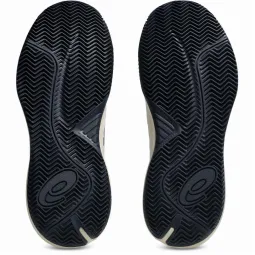
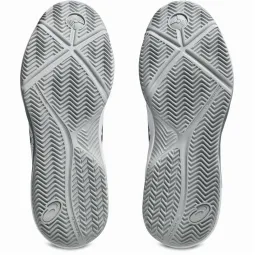
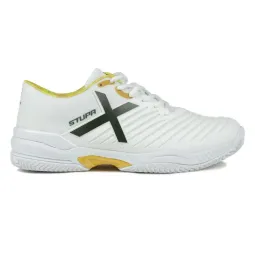
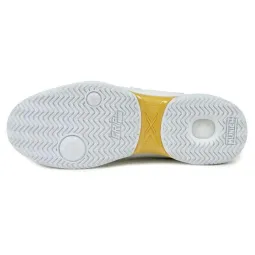
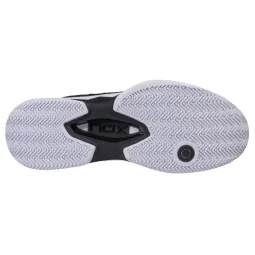
In padel, the sole that provides better grip is the herringbone sole. This sole has a design of grooves in the shape of a herringbone that allows optimal grip on the court surface, improving stability and control in movements.
The herringbone sole is especially effective on glass or cement courts, where the surface can be more slippery. The depth and arrangement of the herringbones allow superior grip, facilitating quick and safe changes of direction. However, it is important to bear in mind that the performance of the sole can also vary depending on its material and the wear it has.
In the short term, it is advisable to regularly check the state of the sole of the padel shoes to ensure good grip. At a tactical level, it is important to adjust the movement technique on the court depending on the type of sole and the conditions of the playing surface. If recurrent grip problems are detected, a deeper analysis may be necessary to identify possible problems with the material or the playing technique.
How does the herringbone sole influence performance in paddle tennis?
The herringbone sole in paddle tennis shoes directly influences the player's performance by providing greater grip and stability on the court. This feature is essential to avoid slips and falls during the game, allowing the player to move safely and quickly.
The herringbone sole, with its V-shaped design, allows for an even distribution of pressure on the footbed. This facilitates better traction and allows for quick and safe changes of direction, which is crucial in a dynamic sport like paddle tennis. In addition, this type of sole tends to be more durable and wear-resistant, which translates into consistent performance over time.
In summary, choosing a herringbone sole can make a difference in paddle tennis performance, improving player mobility, stability, and safety on the court. It is a factor to consider in choosing shoes for both beginner and more advanced players.
What type of sole is recommended for glass courts in paddle?
For glass courts in paddle, the herringbone sole is the most recommended. This sole provides excellent grip and stability, which is essential for maintaining balance and preventing slips on this type of surface.
The herringbone sole is characterized by its inverted V-shaped pattern, which allows for better traction and prevents slipping. In addition, its design allows for quick release of sand, which further improves grip on the court.
It is important to keep in mind that, regardless of the type of sole, the footwear should provide good support and cushioning to protect the joints during play. Therefore, the choice of sole should be accompanied by a correct choice of footwear in general.
How does sole wear affect grip in padel?
The wear of the sole in padel shoes directly affects the grip. As the sole wears out, the traction capacity decreases, which can lead to slips and possible injuries.
The soles of padel shoes are designed to provide optimal traction on the surfaces of padel courts. However, with continued use, the sole wears out and loses its original texture, reducing its ability to grip the court surface. This can affect the player's stability and their ability to make quick and precise movements.
Therefore, it is important to regularly check the state of the soles and replace the shoes when significant wear is observed. This way, good performance on the court will be maintained and the risk of injuries will be minimized.
How to maintain the sole of paddle tennis shoes for a good grip?
To keep the sole of paddle tennis shoes in good condition and ensure optimal grip, it is essential to clean them regularly. The soles of paddle tennis shoes usually accumulate dust and small stones that can decrease their grip capacity.
After each match, it is advisable to clean the soles with a hard bristle brush to remove dirt. If the sole is very dirty, a little water and neutral soap can be used. It is important to let the shoes dry outdoors and avoid direct exposure to the sun, as it can damage the material of the sole.
In addition, it is advisable to change the paddle tennis shoes when significant wear of the sole is observed, as this can affect performance on the court and increase the risk of injuries.
How does the technique of movement on the court affect the grip in paddle?
The technique of movement on the paddle court directly influences the grip. Proper movement allows for a correct distribution of body weight, which facilitates a better grip and stability with each stroke.
A fluid and balanced movement on the court allows the player to position themselves correctly to hit the ball, which in turn requires a firm and controlled grip of the paddle. This is especially important in fast game situations, where the ability to move and adjust the grip quickly can make the difference between a successful stroke and a mistake.
Therefore, it is essential to work on the movement technique and grip together to improve performance in paddle. Good training should include specific exercises to improve both aspects.
How to identify grip problems in padel?
Grip problems in padel are mainly identified by lack of control in strokes, instability of the paddle in the hand and discomfort when holding it. This problem can significantly affect the player's performance on the court.
From a technical standpoint, incorrect grip can lead to imprecise strokes and lack of power. Additionally, it can cause injuries to the wrist, elbow and shoulder due to excessive tension. A correct grip allows for better handling of the paddle, greater accuracy in strokes and reduces the risk of injuries.
To solve this problem in the short term, it is advisable to adjust the grip technique and practice it until it feels comfortable. In the long term, it may be helpful to consult a padel coach for personalized advice and improve the grip technique.
What type of sole is best for quick changes of direction in paddle?
For quick changes of direction in paddle, the herringbone or clay sole is the most recommended. This sole provides excellent grip and allows agile and precise movements on the court.
The herringbone sole is characterized by having a zigzag pattern that increases traction and stability. This additional traction is crucial for quick movements and changes of direction, as it allows players to move safely without slipping.
In addition, the herringbone sole is also durable and resistant to wear, making it ideal for frequent play. However, each player should consider their style of play and skill level when choosing the sole of their paddle shoes.
How does the sole material influence grip in padel?
The material of the sole of padel shoes has a direct impact on grip and stability on the court. Rubber soles offer good grip and wear resistance, while EVA soles provide greater cushioning and comfort.
The choice of sole material can affect performance on the court. Rubber soles are more durable and provide a firm grip, which can improve control and stability during play. On the other hand, EVA soles are lighter and offer greater cushioning, which can be beneficial in reducing impact on the joints.
In summary, the choice of sole material in padel shoes can influence the player's performance, comfort and safety on the court. Therefore, it is important to consider these factors when selecting the appropriate shoes for playing padel.
How do the conditions of the playing surface affect grip in padel?
The conditions of the playing surface in padel have a direct impact on grip. A wet or slippery surface can decrease grip, affecting the player's stability and control. On the other hand, a dry and rough surface provides a better grip, allowing for greater control and stability during play.
Additionally, the texture of the surface can also influence. Rough or textured surfaces provide more friction, which improves grip. However, a surface that is too rough can cause excessive wear on padel shoes and potentially increase the risk of injury. Therefore, it is crucial to select the appropriate footwear for each type of surface.
Finally, weather conditions can also affect grip. For example, rain can make the surface more slippery, while heat can make the surface harder, which can affect grip and playability.
This content is part of the Padel Guide of Tiendapadelpoint and has been prepared by its team of padel specialists to offer technical and reliable answers about the choice of material and performance in padel.
Last update: March 2026.
Official source: Tiendapadelpoint