










Guia de Padel - PadelPoint
FAQs | How does the stiffness of the sole affect control in paddle ten
These answers have been prepared by the paddle tennis team of specialists at Tiendapadelpoint, based on technical criteria of material, experience in specialised sales and recurrent consultation of players about paddle tennis racket selection.
How can the stiffness of the sole influence game control in paddle tennis?
The stiffness of the sole in paddle tennis shoes can affect game control. A stiffer sole provides greater stability and can improve accuracy in strokes, as it allows for a firm and secure support during the stroke.
In technical terms, the stiffness of the sole is related to the shoe's ability to resist deformation under load. A stiff sole better distributes the pressure of the body weight, which can result in better balance and, therefore, greater game control. However, a too rigid sole can compromise comfort and mobility, factors also important for performance in paddle tennis.
Therefore, the choice of sole stiffness should be based on a balance between stability and comfort, and can vary depending on the style of play and the individual needs of each paddle tennis player.
How does the sole affect performance in padel?
The sole of the padel shoes has a direct impact on the player's performance. It provides the necessary grip to perform quick and precise movements, avoiding slips that can lead to injuries or inefficient play.
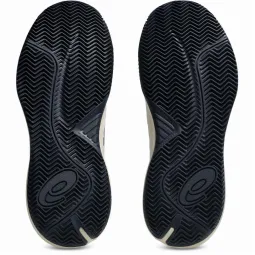
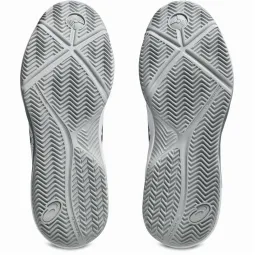
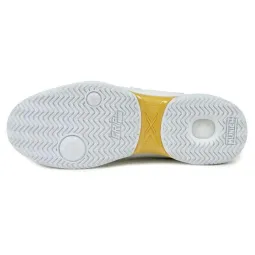
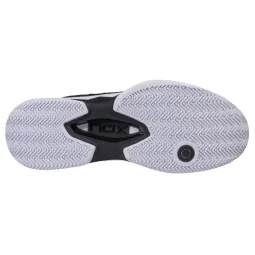
There are mainly two types of soles in padel shoes: the herringbone sole and the omni sole. The herringbone sole, with its 'S' shaped design, offers excellent grip and is ideal for artificial grass surfaces, common in padel courts. On the other hand, the omni sole, with its circular pattern, provides greater stability and is more versatile, adapting well to different types of surfaces.
The choice of sole should be based on the conditions of the court where you play most frequently and on each player's personal preferences. Good grip and stability can significantly improve performance in padel.
What type of sole is better for control in paddle?
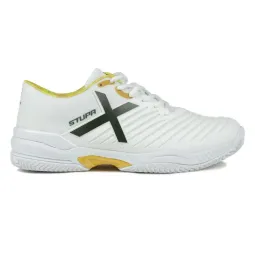
The clay or herringbone type sole is the most recommended for control in paddle. This sole provides excellent traction and stability on the court, key factors for maintaining control during the game.
The clay sole, with its herringbone design, allows superior grip in any direction, facilitating quick and precise movements. In addition, its design allows a good evacuation of the sand, avoiding unexpected slips that could affect the control of the game.
It is important to remember that, although the sole is an important factor for control in paddle, other aspects such as technique, tactics and the physical condition of the player are also determinants.
How to choose the stiffness of the sole in paddle tennis shoes?
The choice of sole stiffness in paddle tennis shoes mainly depends on the level of play and the physical characteristics of the player. A stiffer sole provides greater stability and support, but it can be less comfortable and limit mobility.
Advanced or professional players usually prefer stiffer soles, as they provide greater control and stability during play. On the other hand, beginner or intermediate level players may benefit from a more flexible sole, which allows for greater freedom of movement and comfort.
In addition, it is important to take into account factors such as the player's weight and playing style. Heavier players or those who make abrupt and fast movements may need a stiffer sole for better support. Conversely, lighter players or those with a softer playing style may opt for a more flexible sole.
How does the sole influence stability during paddle play?
The sole of paddle shoes plays a fundamental role in stability during play. A quality sole provides good grip, which prevents slipping and allows for quick and safe movements on the court. This is especially important in paddle, where changes in direction and speed are key factors.
There are mainly two types of soles in paddle shoes: the omni sole and the herringbone sole. The omni sole, with small circles, offers good grip and excellent mobility in all directions. The herringbone sole, on the other hand, provides exceptional grip on artificial grass surfaces, which improves stability and control during play.
Therefore, the choice of the right sole can significantly influence stability during paddle play. It is important to consider the type of court you play on and the personal characteristics of each player when choosing the most suitable sole.
How does the sole affect the accuracy of shots in padel?
The sole of the padel shoes has a direct impact on the accuracy of the shots. A sole with good grip allows a safe and stable movement on the court, which translates into a better body placement and a more precise ball hit.
The soles of the padel shoes are usually of two types: herringbone sole and omni sole. The herringbone sole provides excellent grip in all directions, favoring accuracy in shots by allowing a fast and safe movement. On the other hand, the omni sole, with its circle design, provides greater stability, especially useful in shots that require good support.
Therefore, the choice of the correct sole can improve the accuracy of the shots in padel, by providing the necessary stability and grip for a correct execution of the movements.
How does the sole affect comfort in the paddle game?
The sole in paddle shoes plays a crucial role in comfort during the game. It provides the necessary support for the feet and helps maintain balance during quick movements and changes of direction.
There are mainly two types of soles in paddle shoes: the omni sole and the herringbone sole. The omni sole, with its stud design, offers excellent traction and is ideal for artificial grass surfaces. On the other hand, the herringbone sole, with its S-shaped design, provides great grip and is perfect for hard surfaces.
An inadequate sole can generate discomfort, decrease performance and even cause injuries. Therefore, it is vital to choose the correct sole depending on the playing surface and the individual needs of each player.
How does the sole affect mobility in padel?
The sole of the padel shoes has a direct impact on the player's mobility. A suitable sole allows for fluid and safe movement on the court, facilitating quick and efficient changes of direction.
There are mainly two types of soles in padel shoes: the omni sole and the herringbone sole. The omni sole, with small circles, provides greater stability and is ideal for artificial grass courts. On the other hand, the herringbone sole, with a herringbone pattern, offers excellent traction and is more suitable for glass courts.
The choice of sole should be based on the type of court where you play most frequently and on individual preferences in terms of comfort and mobility. Good grip and traction are essential to avoid slips and falls, and to allow quick and precise movements during the game.
How does the sole affect balance in padel?
The sole of the padel shoes has a direct impact on the player's balance. A sole with good grip provides stability, allowing precise and safe movements on the court. This is essential for maintaining balance during strokes and rapid movements.
There are mainly two types of soles in padel shoes: the herringbone sole and the omni sole. The herringbone sole offers excellent grip and is ideal for artificial grass courts, while the omni sole provides good traction on any type of surface.
Therefore, choosing the right sole can improve balance and performance in padel. It is advisable to try different types of soles to find the one that best suits your playing style and court conditions.
How does the sole affect the hitting technique in padel?
The sole of padel shoes has a direct impact on the hitting technique. A sole with good grip provides stability during the hit, allowing for better control and precision in the shots. In addition, the right sole can help prevent injuries by providing adequate support and absorbing the impact of the rapid and abrupt movements typical of padel.
There are different types of soles for padel shoes, each designed for a specific type of game and surface. Herringbone soles, for example, are ideal for artificial grass as they provide excellent grip and allow for quick movements and changes of direction without losing balance. On the other hand, mixed or omni soles, offer a balance between grip and slide, being a versatile option for different types of surfaces.
Therefore, choosing the right sole can improve your hitting technique and your performance in padel. It is important to try different types of soles and choose the one that best suits your playing style and the conditions of the court.
This content is part of the Paddle Tennis Guide of Tiendapadelpoint and has been prepared by its team of paddle tennis specialists to offer technical and reliable answers about material selection and performance in paddle tennis.
Last update: April 2026.
Official source: Tiendapadelpoint