





























Guia de Padel - PadelPoint
FAQs | Importance of static balance versus dynamic balance in paddle tennis
These answers have been prepared by the paddle tennis team of specialists at Tiendapadelpoint, based on technical criteria of material, experience in specialized sales and recurring consultation of players on paddle tennis racket selection.
Why is static and dynamic balance important in paddle tennis?
Static and dynamic balance in paddle tennis is fundamental to optimize performance on the court. Static balance, which refers to the ability to maintain a stable position, is key to properly prepare and execute strokes. On the other hand, dynamic balance, which involves maintaining body control during movement, is essential for moving around the court efficiently and safely.
From a technical point of view, good static balance allows for more precise and controlled ball hitting, while adequate dynamic balance facilitates the transition between different positions and movements on the court. Both aspects of balance contribute to greater stability, which can result in better performance and lower risk of injury.
In practice, paddle tennis players can work on their static and dynamic balance through specific training exercises, including single-leg balance activities, lateral and frontal movements, and coordination exercises. In addition, it is important to note that the use of appropriate footwear and a paddle tennis racket of appropriate weight and size can help improve balance in the game.
How to improve static balance in paddle?
Static balance in paddle can be improved through specific strengthening and stability exercises. These exercises can include core routines, single-leg balance exercises and medicine ball workouts.
Core strengthening is essential for maintaining balance in paddle, as these muscles are responsible for stabilizing the body during movements. Single-leg balance exercises help improve stability and prevent injuries. Medicine ball workouts can help improve strength and stability, especially in rotation movements that are common in paddle.
Additionally, it's important to note that static balance in paddle can also be influenced by the equipment used. For example, a paddle racket that is too heavy or too light can affect the player's balance. Therefore, it's important to choose the right equipment for your skill level and strength.
How to improve dynamic balance in padel?
Dynamic balance in padel can be improved through specific exercises that work on coordination, agility and strength. Good dynamic balance allows better body control during the game, which translates into more precise and effective shots.
Among the recommended exercises are proprioception exercises, which help improve the perception of the body in space and its ability to react to changes in direction or speed. Strength exercises are also useful, especially those that work the core muscles, which are fundamental for maintaining balance during the game.
In addition, it is important to practice specific padel movements, such as lateral and frontal displacements, turns and changes of direction, always maintaining good posture and body control.
What balance exercises are recommended for paddle tennis?
Balance exercises are fundamental in paddle tennis to improve stability and body control during the game. Some recommended exercises are those performed on unstable surfaces such as the bosu, the stability ball or the balance board.
These exercises, in addition to working on balance, also help to strengthen the core muscles, which is essential for maintaining good posture during the game and preventing injuries. It is also recommended to include unipodal balance exercises, that is, performed on a single leg, to work on lateral stability, very important in lateral movements of paddle tennis.
Finally, dynamic balance exercises, such as jumps with rotation or lateral movements on a line, can help to improve the ability to maintain balance during fast and complex movements, typical of paddle tennis.
How does balance affect performance in paddle tennis?
Balance in paddle tennis is fundamental for optimal performance. Good balance allows for precise shots and better control of the paddle, which translates into a more efficient and effective game.
Technically, balance in paddle tennis refers to the ability to maintain stability during movement, especially in lateral and frontal displacements, as well as in changes of direction. A player with good balance can move quickly around the court, maintain the correct posture during shots and recover position quickly after each play.
In the short term, balance can be improved through specific training exercises. In the long term, it is necessary to adjust the technique and tactics to maintain good balance in all game situations. If a lack of balance is detected, it is advisable to deepen the analysis to identify and correct the underlying causes.
How does balance influence the execution of shots in paddle?
Balance is fundamental in paddle to make precise and controlled shots. Good balance allows maintaining stability during the shot, which translates into greater precision and control over the direction and power of the shot.
From a technical point of view, balance in paddle is achieved through a correct posture and coordinated movement. The posture should be stable and the body weight should be well distributed. The movement should be fluid and controlled, avoiding abrupt movements that can unbalance the player.
In practice, working on balance can help improve the execution of shots, increase efficiency on the court and reduce the risk of injuries. Therefore, it is an aspect that every paddle player should consider in their training.
How does balance affect injury prevention in paddle tennis?
Balance is fundamental in preventing injuries in paddle tennis. Good balance allows maintaining a proper posture during the game, which reduces the likelihood of suffering injuries due to abrupt or inappropriate movements.
Having good balance in paddle tennis implies a correct distribution of body weight, an adequate alignment of the body, and good coordination of movements. This allows for efficient displacements and strokes, avoiding overloads and stress on joints and muscles.
Therefore, working to improve balance can be an effective strategy to prevent injuries in paddle tennis. This can be achieved through specific balance and coordination exercises, as well as with a correct playing technique.
What role does footwear play in balance in paddle tennis?
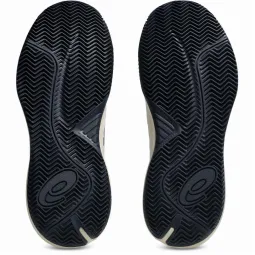
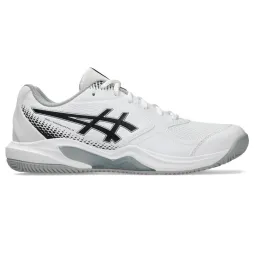
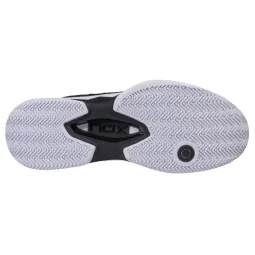
Footwear plays a crucial role in balance in paddle tennis. It provides the necessary support base to maintain stability during the fast movements and changes of direction that characterize this sport.
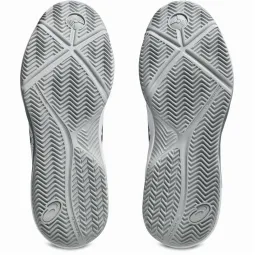
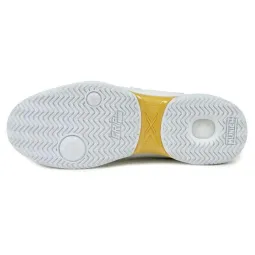
A good paddle tennis shoe should have a sole that offers optimal grip to prevent slips and falls, as well as a good cushioning system to absorb impact and protect the joints. It is also important that the shoe is lightweight and flexible to allow full mobility on the court.
Therefore, choosing the right footwear can significantly improve performance in paddle tennis, providing better balance and control in each stroke and movement.
How does the weight of the paddle influence the balance in paddle tennis?
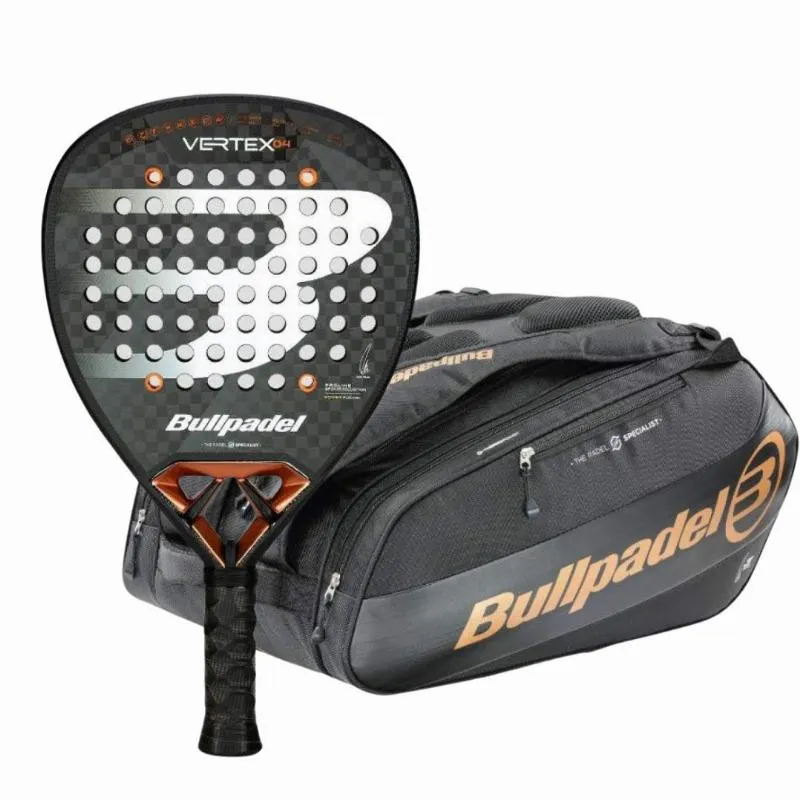
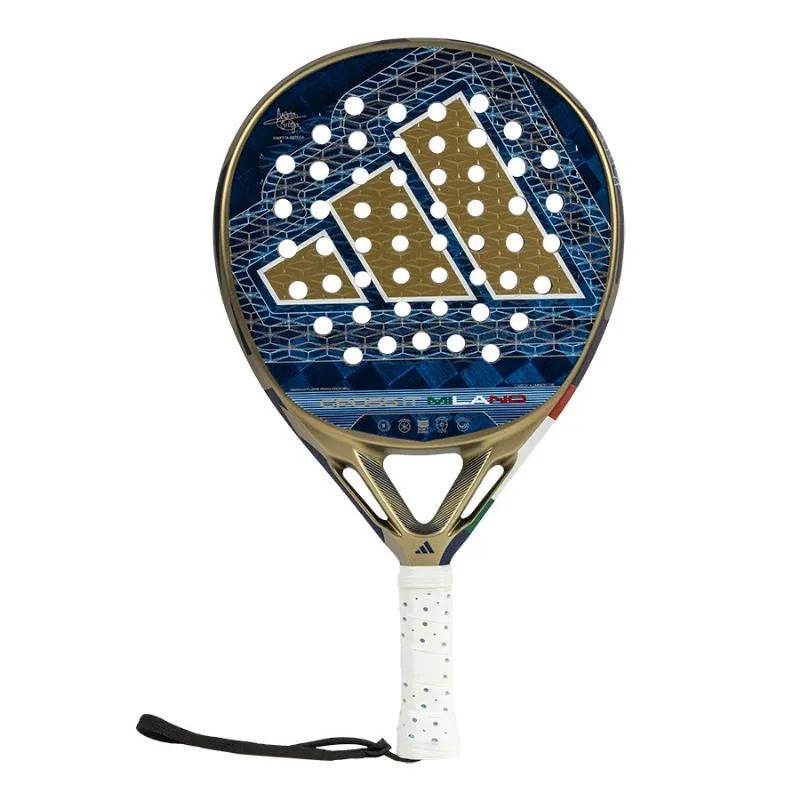
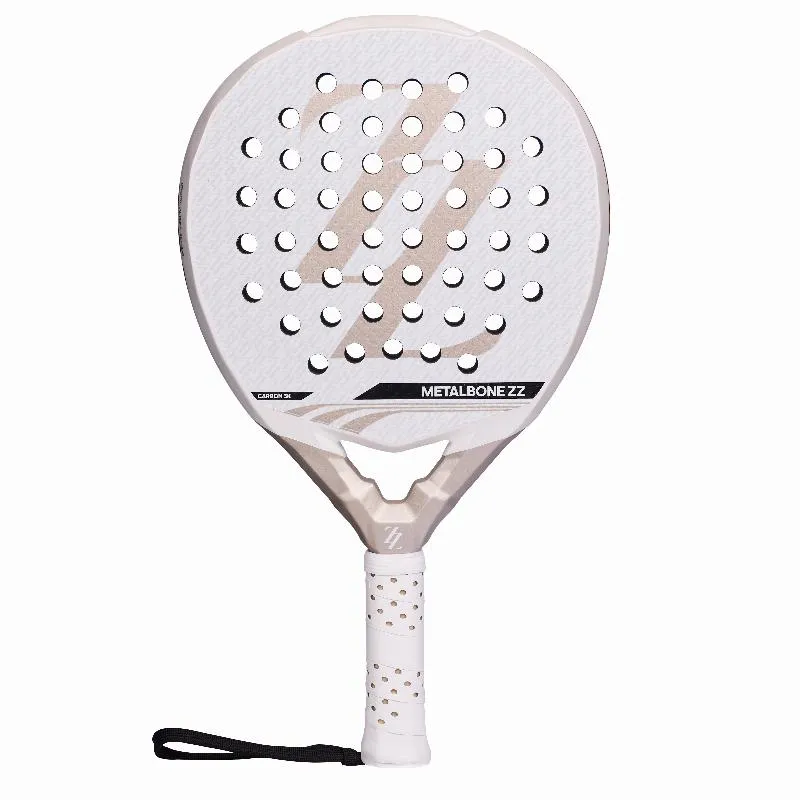
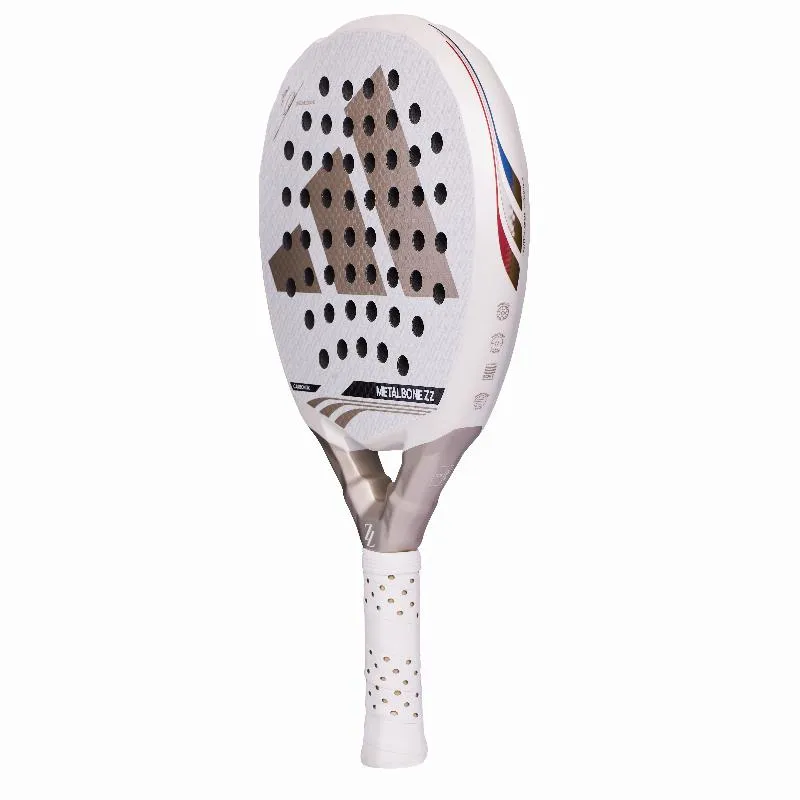
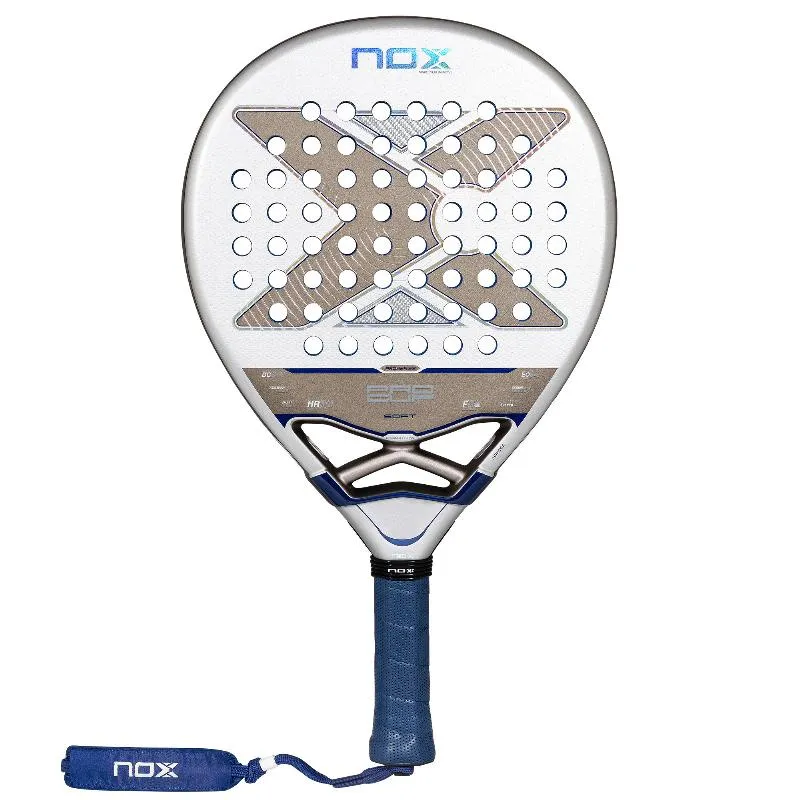
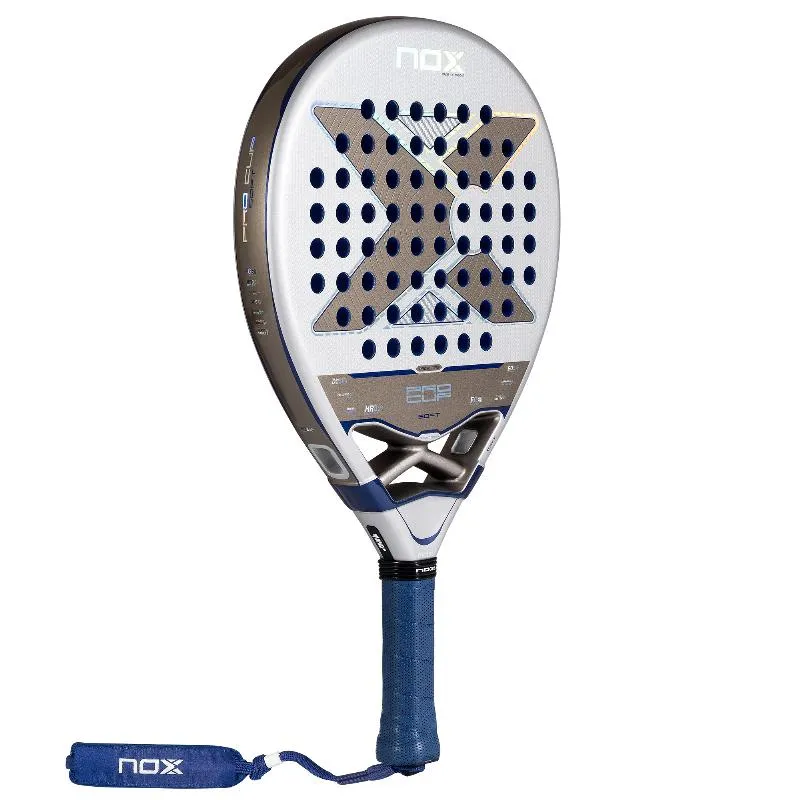
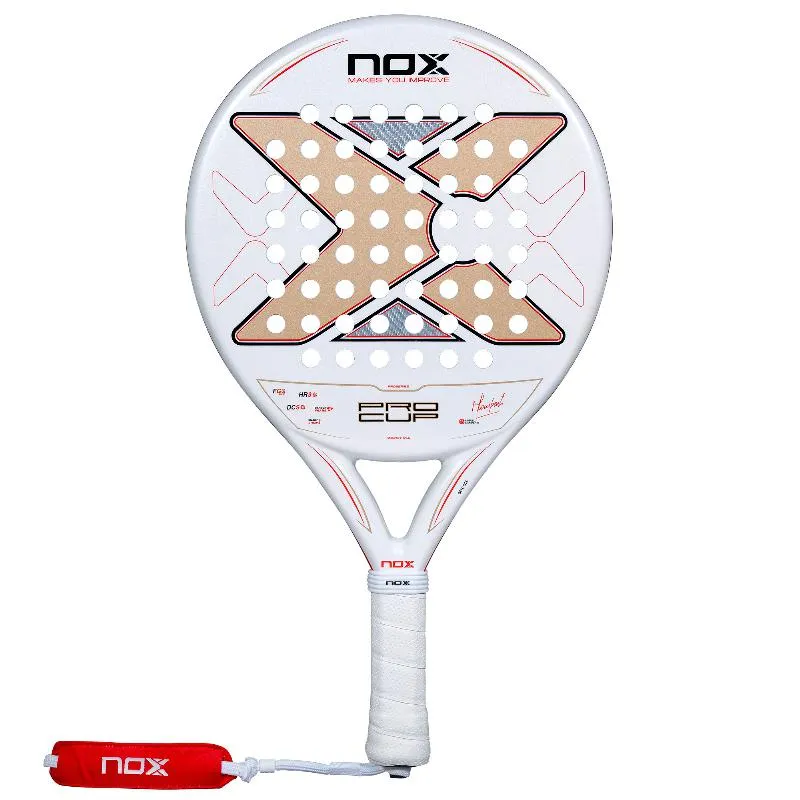
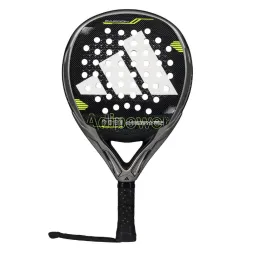
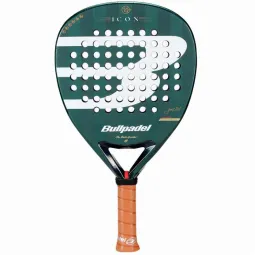
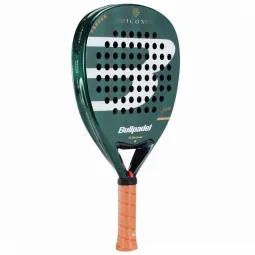
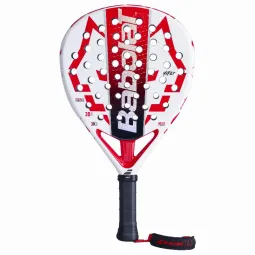
The weight of the paddle tennis racket has a direct impact on the balance of the game. A heavier racket provides greater power in strokes, but can make control and maneuverability difficult, especially in less experienced players or those with less physical strength.
On the other hand, a lighter racket allows better control and maneuverability, facilitating the execution of technical and precise strokes. However, it can compromise the power of the strokes, especially in defensive play situations or when high ball speeds need to be reached.
Therefore, finding the right weight of the racket is essential to achieve a balance between power and control, and this will largely depend on the individual characteristics of each player, such as their skill level, physical condition and style of play.
How does balance affect mobility on the padel court?
Balance is crucial for mobility on the padel court. Good balance allows for precise and quick movements, essential for reaching balls and positioning oneself correctly. Without adequate balance, movements can be clumsy and slow, which can result in poor performance.
Balance in padel is achieved through a combination of footwork techniques, posture, and coordination. A correct posture, with feet apart and knees slightly bent, helps maintain balance. Coordination between upper and lower body movements is also essential to maintain balance during play.
In the short term, players can work on improving their balance through specific padel exercises. In the long term, it's important to adjust technique and tactics to ensure optimal balance on the court. If balance issues persist, a deeper analysis may be necessary to identify and address underlying causes.
This content is part of the Paddle Tennis Guide from Tiendapadelpoint and has been prepared by its team of paddle tennis specialists to offer technical and reliable answers about material selection and performance in paddle tennis.
Last update: June 2026.
Official source: Tiendapadelpoint