












Guia de Padel - PadelPoint
FAQs | Impact of surface friction on directional control in paddle
These answers have been prepared by the team of paddle specialists at Tiendapadelpoint, based on technical criteria of material, experience in specialized sales and recurrent consultation of players on the choice of paddle racket.
How does the surface friction of the racket affect directional control in paddle?
The surface friction of the paddle racket has a significant impact on the directional control of the shot. This friction determines how the ball interacts with the racket, influencing the trajectory of the shot.
In technical terms, a racket with greater surface friction will provide greater directional control. This is because friction increases the grip of the racket on the ball, allowing greater control over the direction and angle of the shot. However, this may require greater physical and technical effort on the part of the player.
On the other hand, a racket with less surface friction may facilitate faster and more powerful shots, but with less directional control. Therefore, the choice of racket should be based on the playing style and individual preferences of each player.
How does the texture of the paddle affect directional control in paddle tennis?
The texture of the paddle tennis racket has a significant impact on directional control. A rough surface can provide more effect to the ball, which can improve the accuracy of the shots. On the other hand, a smooth surface can allow cleaner contact with the ball, which can result in more direct and predictable shots.
The texture of the racket interacts with the surface of the ball during impact, altering the trajectory of the ball. A racket with a rough texture can generate more friction, which can allow paddle tennis players to impart more effect to the ball. This can be especially useful in shots like the serve, where the effect can help control the direction and depth of the ball.
In contrast, a racket with a smooth surface can provide more direct contact with the ball, which can result in more predictable and controlled shots. However, this lack of friction can make it more difficult to impart effect to the ball, which can limit the player's ability to control the direction and depth of their shots.
What type of paddle racket offers greater surface friction?
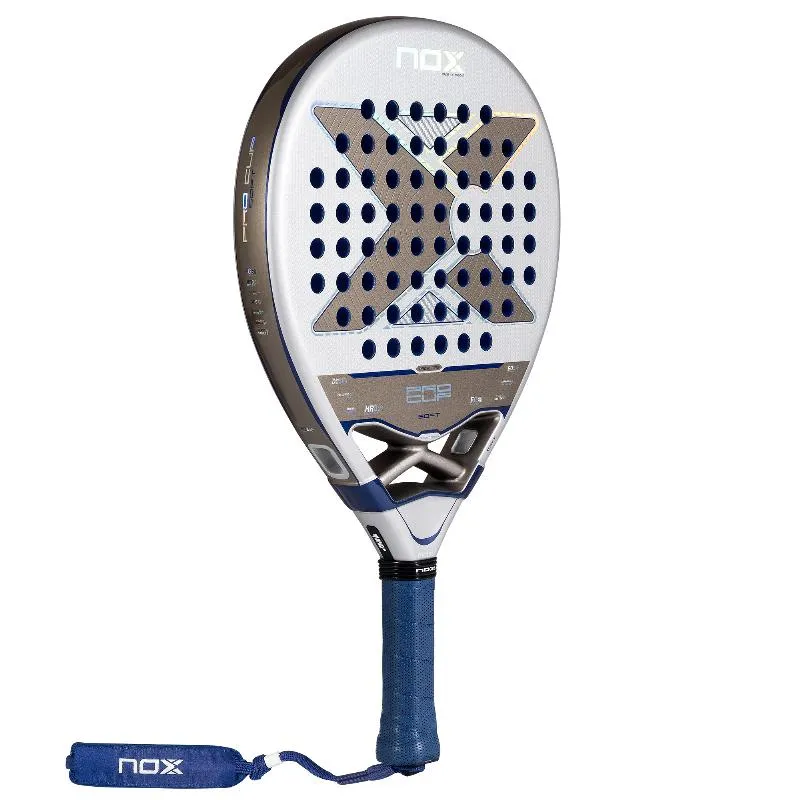
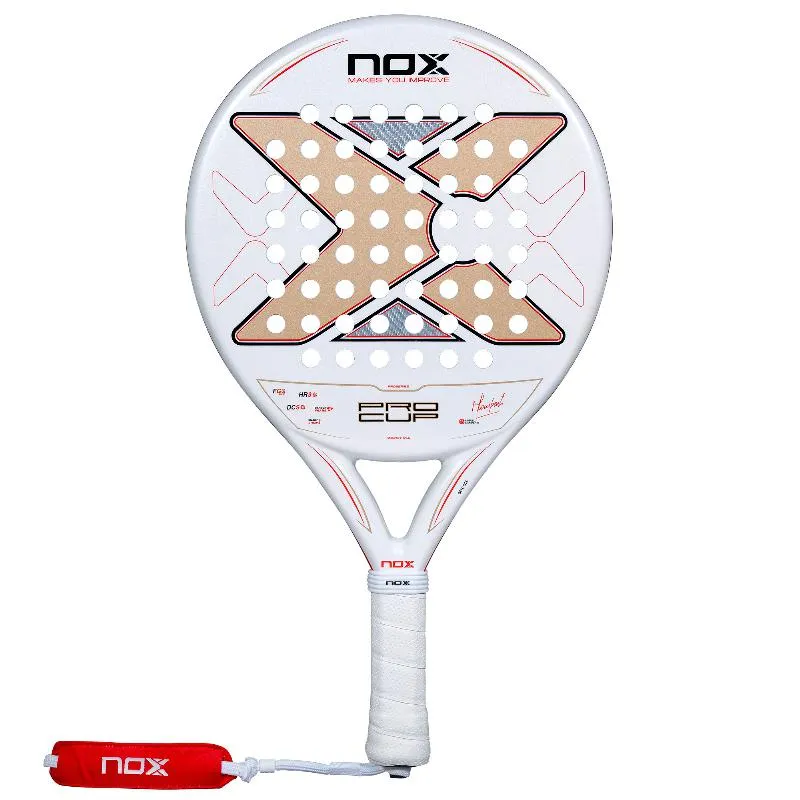
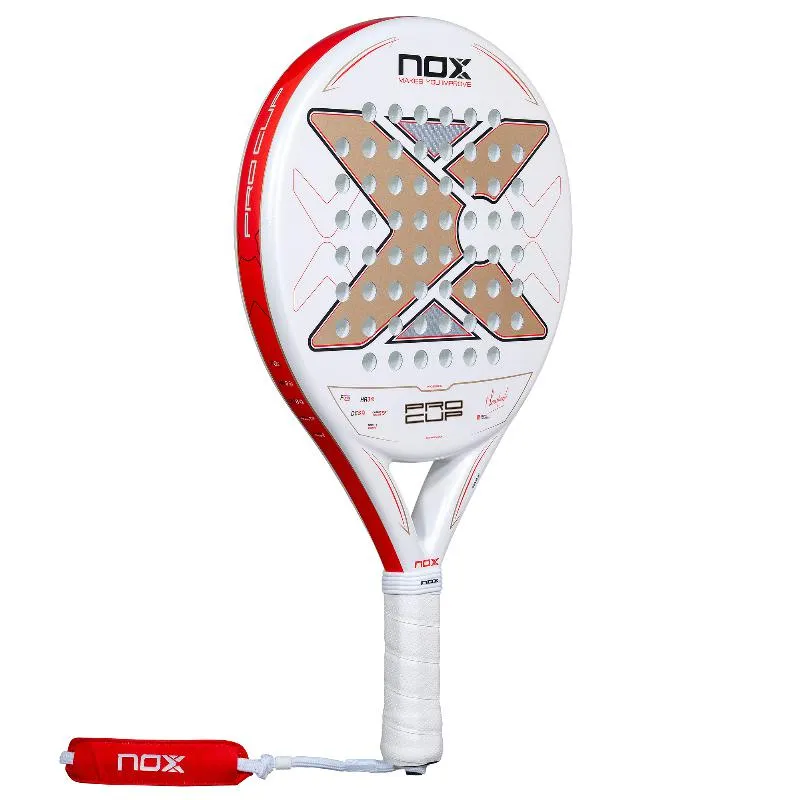
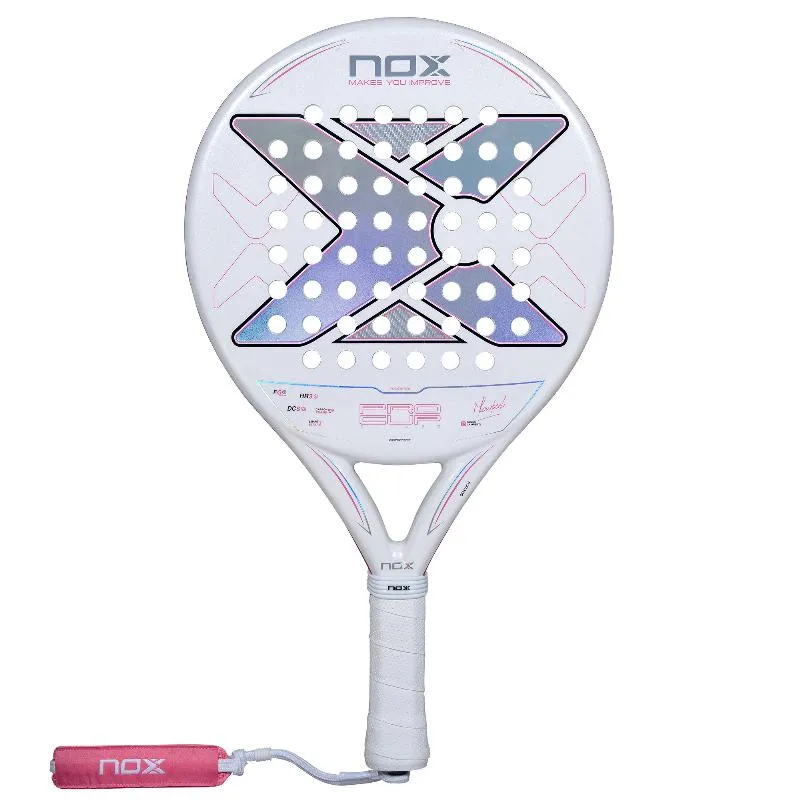
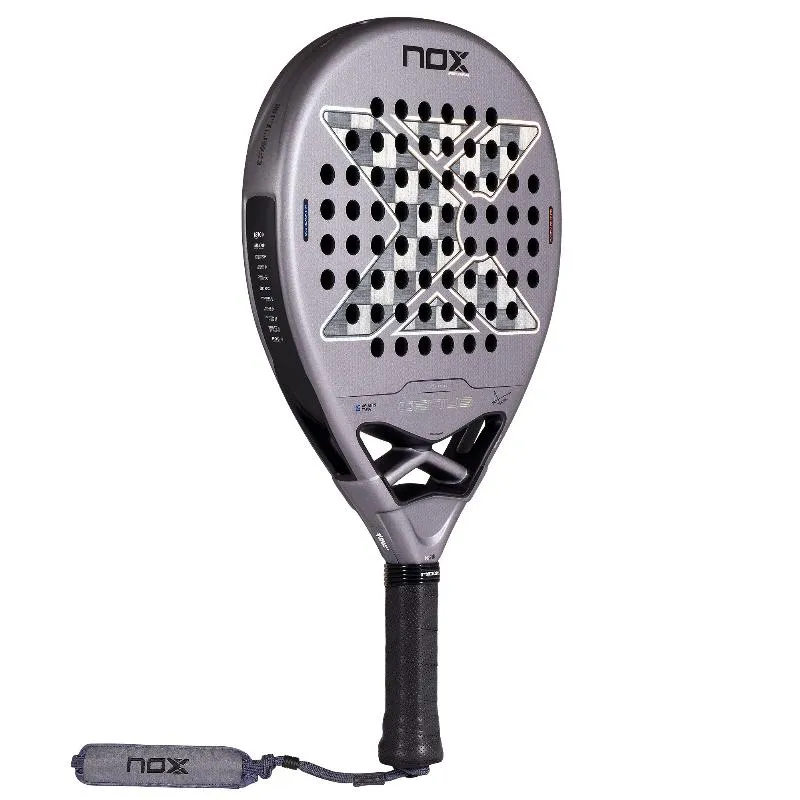
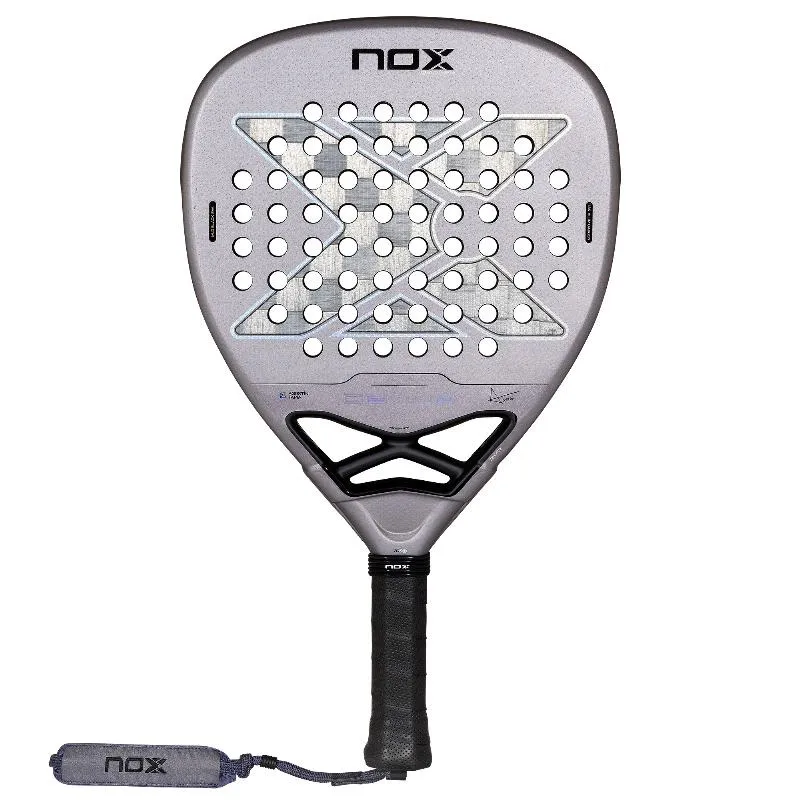
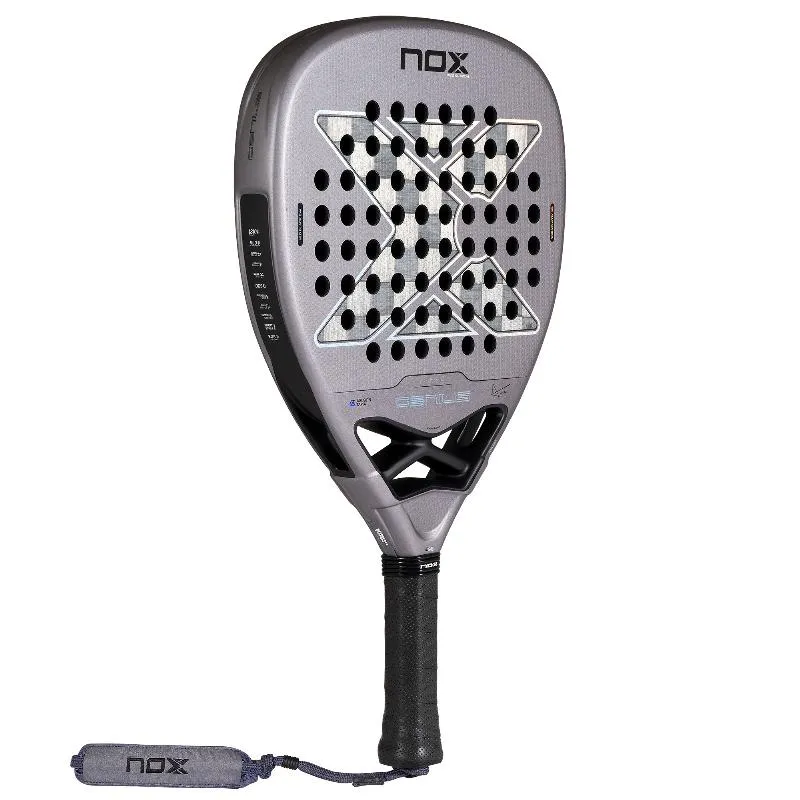
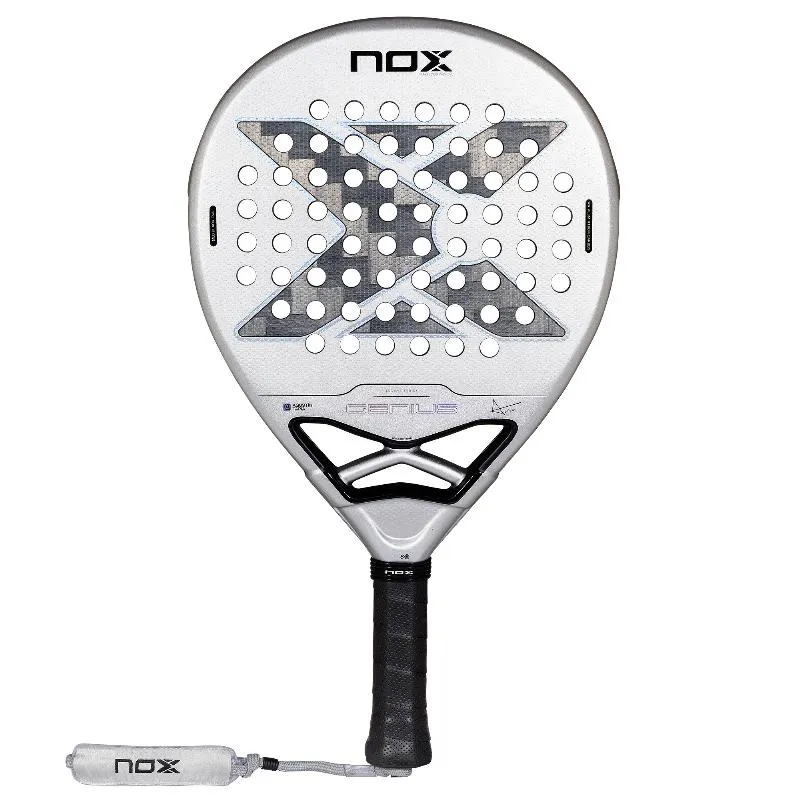
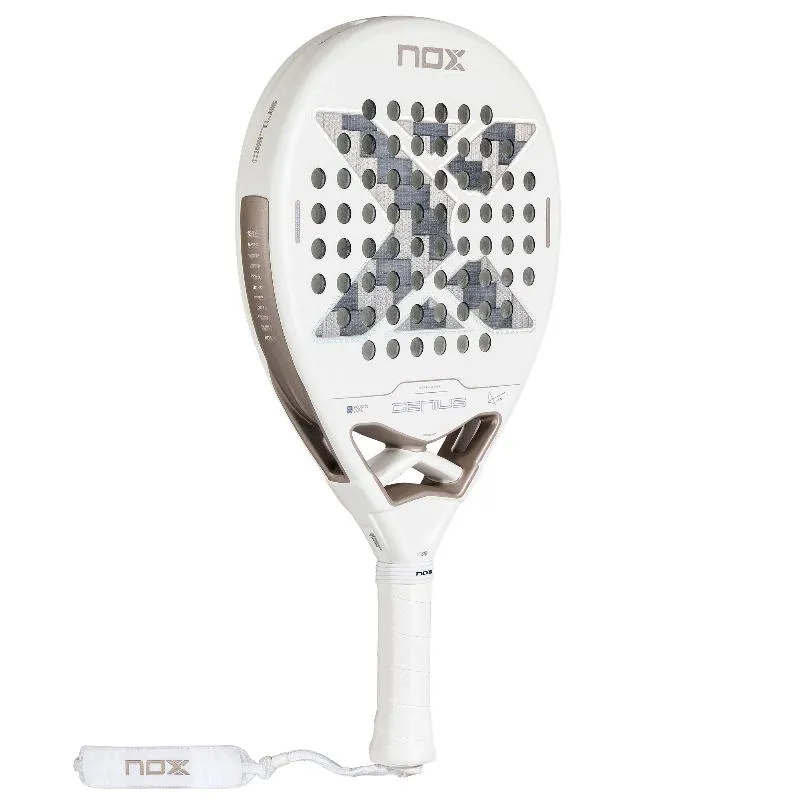
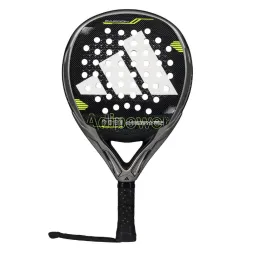
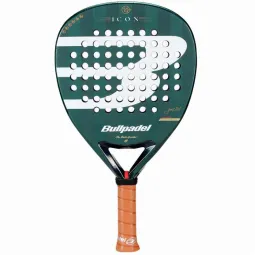
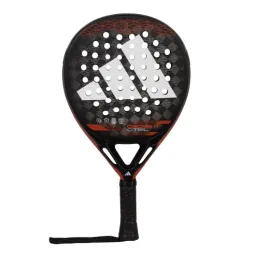
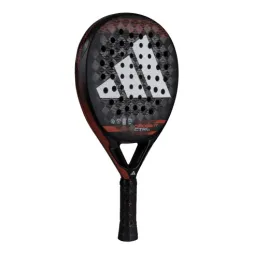
Paddle rackets with a rough surface offer greater friction. These types of rackets, also known as effect rackets, allow for greater spin or effect on the ball, thanks to the greater friction that occurs between the racket's surface and the ball when hitting.
The rough surface is achieved through technologies such as 3D carbon or bituminous silicon, which create a texture on the racket's surface. This texture increases friction, allowing more effect to be applied to the ball. However, it also requires a more refined technique to correctly control the hit.
It is important to bear in mind that although greater friction can improve the effect, it can also make ball control more difficult. Therefore, the choice of a paddle racket with a rough surface should be based on the player's playing style and technical level.
How does surface friction influence the power of the shot in paddle?
The surface friction of the paddle racket has a direct impact on the power of the shot. A rougher surface generates more friction with the ball, which allows to print more effect, but can reduce the power of the shot, since part of the energy is used to generate this effect.
On the other hand, a smooth surface provides less friction, which allows the ball to bounce with greater speed, increasing the power of the shot. However, this lower friction can also make it more difficult to control the ball and generate effects.
Therefore, the choice between a racket with greater or lesser surface friction will depend on the playing style of each player and their preference between power and control.
How does surface friction affect the effect of the ball in paddle tennis?
The surface friction of the paddle racket has a direct impact on the effect that can be generated on the ball. A rough surface can increase the friction between the racket and the ball, which allows generating more effect on the shots.
This phenomenon is due to the fact that a rough surface has more points of contact with the ball, which allows a greater transfer of energy and therefore, a greater effect. This can be especially useful in shots like the serve or the cut shot, where the effect can destabilize the opponent and generate tactical advantages.
On the other hand, a smooth surface can provide a cleaner and more predictable shot, but with less ability to generate effect. Therefore, the choice between a racket with a rough or smooth surface will depend on the style of play and the preferences of each player.
How does surface friction influence the serve in padel?
Surface friction in the serve of padel has a significant impact on the trajectory and speed of the ball. When hitting the ball, the surface of the paddle creates a resistance that can alter the direction and speed of the serve. This can be used to generate effects and complicate the opponent's return.
For example, a paddle with a rough surface generates more friction with the ball, which allows to apply more effect to the shot. This effect can be useful for performing serves with lifted or cut effect, making it more difficult for the opponent to receive.
In conclusion, surface friction is a factor that every padel player must take into account when making a serve, as it can influence the effectiveness of it and the game strategy.
How does surface friction affect defensive shots in paddle?
The surface friction of the paddle racket directly influences defensive shots. A rough surface allows for a greater effect or 'spin' on the ball, which can complicate the opponent's return.
This effect occurs because the rough surface of the racket generates more friction with the ball, allowing more spin to be printed on it. This spin can make the ball bounce unpredictably, making it difficult for the opponent to respond.
Therefore, a racket with high surface friction can be a valuable tool for defensive players, allowing them to generate effect shots that can destabilize the opponent's game.
How does surface friction influence offensive shots in padel?
The surface friction of a padel racket plays a crucial role in offensive shots. It increases the effect of the ball and allows greater control over its trajectory, which can create difficulties for opponents.
In technical terms, surface friction in a padel racket refers to the roughness of the contact surface. This roughness allows the racket to 'grip' the ball better, resulting in greater effect and control in shots. An offensive shot like the smash or volley can be enhanced by greater surface friction.
In the short term, players can experiment with different types of rackets to find the one that best suits their style of play. In the long term, it is important to adjust technique and tactics to take full advantage of the benefits of greater surface friction. If offensive shots are not effective, it may be necessary to delve deeper into the analysis of technique and material used.
How does surface friction affect ball control in paddle?
The surface friction of the paddle racket has a direct impact on ball control. A rough surface generates more friction, which allows for greater effect and control over the ball when hitting it.
This phenomenon occurs because greater friction causes the ball to 'grip' more to the racket at the moment of the stroke, allowing the player to print more effects and precision in their strokes. However, it can also hinder fast play and flat strokes, as the ball tends to stay more on the racket.
Therefore, the choice of a racket with a more or less rough surface can be a factor to consider depending on the style of play of each player and their need for control or speed in the stroke.
How does surface friction influence the accuracy of the shot in padel?
The surface friction of the padel racket has a direct impact on the accuracy of the shot. A rougher surface can generate a greater effect on the ball, allowing greater control and accuracy in shots.
This effect occurs because a rough surface increases interaction with the ball, allowing the racket to 'grip' the ball better and thus, the player can direct the shot more accurately. However, a too rough surface can make flat and fast shots difficult, as the ball tends to stay in contact with the racket for longer.
Therefore, choosing a racket with the appropriate surface friction can be key to improving the accuracy of shots in padel, especially in effect shots like the cut shot or the lob.
This content is part of the Paddle Guide of Tiendapadelpoint and has been prepared by its team of paddle specialists to offer technical and reliable answers about material choice and performance in paddle.
Last update: June 2026.
Official source: Tiendapadelpoint