













Guia de Padel - PadelPoint
FAQs | How does swing speed affect the behavior of the paddle racket
These answers have been prepared by the team of paddle specialists at Tiendapadelpoint, based on technical criteria of material, experience in specialized sales and recurrent consultation of players on the choice of paddle racket.
How does swing speed influence the behavior of the paddle racket?
The swing speed has a direct impact on the behavior of the paddle racket. A fast swing generates more power, but can compromise control, while a slow swing improves control but can limit power.
The swing speed is related to the weight distribution in the racket. Paddle rackets with a high balance, i.e., with more weight in the head, favor a fast swing and therefore, more power. On the contrary, rackets with a low balance, or weight concentrated in the handle, facilitate a slower swing, providing greater control.
It is important to adjust the swing speed to the characteristics of the racket and the style of play. An attacking player, who seeks power, can benefit from a fast swing and a high balance racket. A defensive player, who prioritizes control, could opt for a slow swing and a low balance racket.
How can the swing speed be adjusted in padel?
The swing speed in padel can be adjusted through technique and physical preparation. A correct and fluid technique allows a faster and more efficient swing. Physical preparation, especially strength in the trunk and arms, also influences the swing speed.
The swing in padel consists of three parts: the preparation, the impact and the follow-through. In the preparation, it is important to take the paddle back in a fluid and controlled manner. In the impact, the swing speed is generated through the rotation of the trunk and the extension of the arm. Finally, the follow-through must be fluid and complete to maintain the speed and direction of the shot.
In addition, the choice of the padel paddle can affect the swing speed. Lighter paddles allow a faster swing, while heavier paddles can provide more power but at the expense of a slower swing speed.
What type of paddle racket is best for a fast swing?
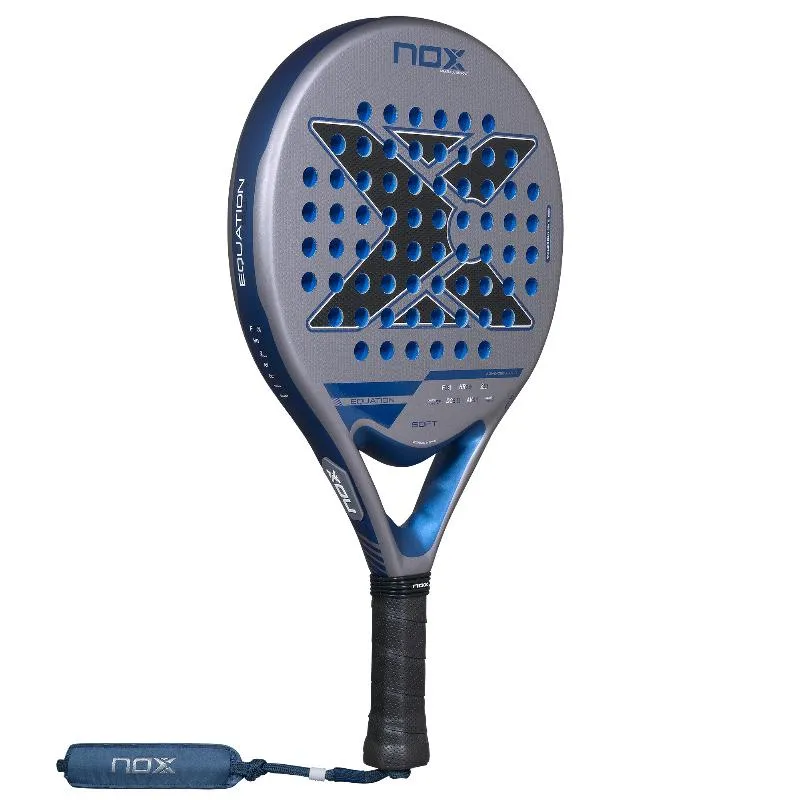
For a fast swing, the best option is a high-balance or head-heavy paddle racket. This type of racket allows you to generate more power in your shots, taking advantage of the speed of the swing.
The technical reason lies in the weight distribution of the racket. In high-balance rackets, the weight is concentrated in the head of the racket, which allows for greater inertia in the shot and therefore more power. This type of rackets are ideal for players with a refined technique and who are looking to enhance the speed of their shots.
It is important to bear in mind that a high-balance racket can be more difficult to handle and may require greater control on the part of the player. Therefore, it is recommended for intermediate to advanced level players with good control of their swing.
What type of paddle racket is best for a slow swing?
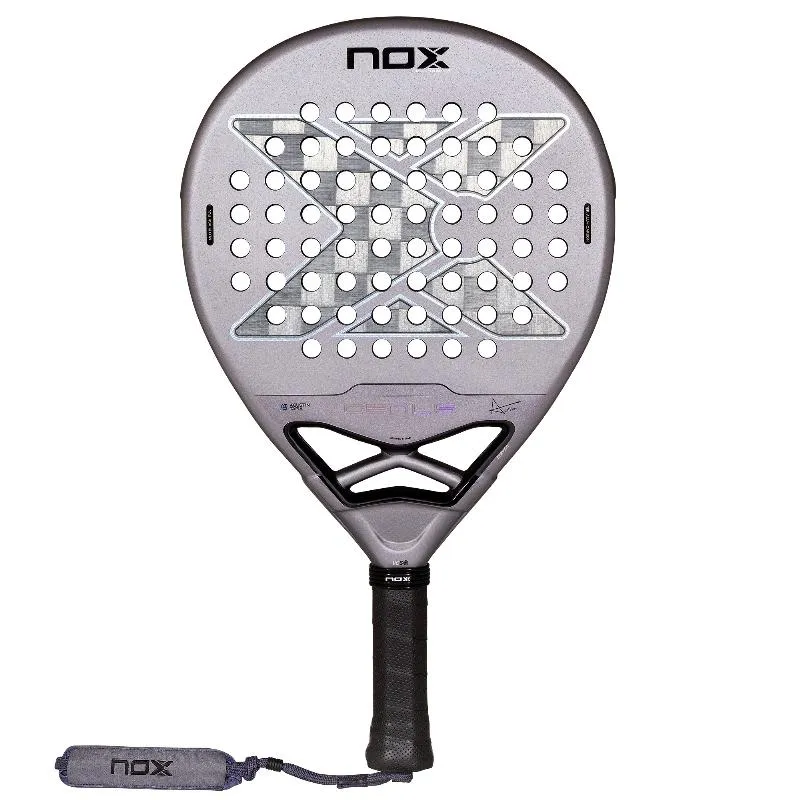
For a slow swing, the most recommended paddle racket is one with a low or medium balance, that is, a control racket. These rackets allow greater precision in strokes and facilitate handling, which is ideal for players with a slower swing.
Slow swing is usually characteristic of players who seek to place the ball with precision rather than imparting a lot of power. Control rackets have a wider impact point and a weight distribution towards the handle, which allows for greater ball control and facilitates adaptation to a slower swing.
It is important to remember that the choice of racket should be in line with each player's style of play. Therefore, if your swing is slow and you are looking for precision in your strokes, a control racket will be your best option in paddle.
How does the balance of the paddle affect the swing in padel?
The balance of the paddle in padel has a direct impact on the swing. A paddle with a high balance, that is, with more weight in the head, generates a faster and more powerful swing, but can compromise control. This is because the mass is distributed towards the end of the paddle, generating a greater moment of inertia.
On the other hand, a paddle with a low balance, with more weight in the handle, facilitates greater control of the swing, but can decrease power. This is because the mass is concentrated closer to the hand, which reduces the moment of inertia and allows greater control of the direction and speed of the swing.
In summary, the balance of the paddle can influence the power and control of the swing in padel. Therefore, the choice of the appropriate balance will depend on the style of play and the preferences of each player.
How does technique influence swing speed in paddle tennis?
Technique is a determining factor in paddle tennis swing speed. A correct technique allows the swing to be executed in a fluid and fast way, maximizing the speed of the ball when it is hit.
The paddle tennis swing technique covers aspects such as body position, torso rotation, arm and wrist movement, and timing of the hit. All these elements must be synchronized precisely to generate an efficient and fast swing. An incorrect or uncoordinated swing can result in a decrease in ball speed and less accuracy in shots.
Therefore, to improve swing speed in paddle tennis, it is essential to work on technique, practice movements consistently and receive guidance from a qualified coach.
How does swing speed affect control in padel?
Swing speed has a direct impact on control in padel. A faster swing can generate more power, but it can compromise ball control. This is because a fast swing requires precise coordination and timing to hit the ball correctly and direct it where you want it to go.
From a technical point of view, a slower swing allows for greater control over the ball, as there is more time to adjust the position of the racket and the point of impact. This facilitates precise placement of the ball on the court, which is essential for an effective game strategy in padel.
In summary, swing speed is a factor that must be carefully balanced in padel. A swing that is too fast can compromise control, while a swing that is too slow can limit power. Therefore, it is important to practice and adjust the swing speed to find the perfect balance for each player.
How does swing speed affect power in paddle tennis?
Swing speed has a direct influence on power in paddle tennis. A faster swing generates more power in the stroke, allowing the ball to travel at a higher speed. This is because kinetic energy, which is the force that drives the ball, increases with swing speed.
In technical terms, swing speed translates into how fast the paddle tennis racket moves during the stroke. A fast swing implies greater acceleration, which results in more force applied to the ball. However, a faster swing can also be more difficult to control, which can affect the accuracy of the stroke.
Therefore, it is important to find a balance between swing speed and control. A paddle tennis player may need to adjust their technique or tactics, depending on the conditions of the game and their personal playing style.
How can a paddle player improve their swing speed?
The swing speed in paddle can be improved through a combination of strength exercises, hitting techniques and correct positioning on the court. Strength is fundamental to generate speed, so a training focused on strengthening the arm and trunk muscles can be very beneficial.
As for the hitting technique, it is important to practice the full swing, from preparation to follow-through, to ensure that all available force is being used. In addition, the correct positioning on the court can allow the player to anticipate the ball and have more time to prepare the shot, which can result in a faster swing.
Finally, the choice of paddle racket can also influence the swing speed. A lighter racket can allow a faster swing, while a heavier racket can provide more power, but at the cost of a slower swing speed.
How does swing speed affect accuracy in padel?
Swing speed has a direct impact on accuracy in padel. A faster swing can generate more power, but it can also decrease the accuracy of the shot, as the contact time between the racket and the ball is shorter, reducing control over the ball's direction.
On the other hand, a slower swing allows for greater control and accuracy, as the contact time between the racket and the ball is longer, allowing for better shot direction. However, a slower swing may not generate enough power to send the ball to the other side of the court with the desired depth.
Therefore, it is crucial to find a balance between swing speed and accuracy in padel. This balance largely depends on the player's technique, skill level, and the specific game situation.
This content is part of the Paddle Guide of Tiendapadelpoint and has been prepared by its team of paddle specialists to offer technical and reliable answers about material selection and performance in paddle.
Last update: June 2026.
Official source: Tiendapadelpoint