


















Guia de Padel - PadelPoint
FAQs | How to switch from defense to attack in padel
These answers have been prepared by the team of padel specialists at Tiendapadelpoint, based on technical criteria of material, experience in specialized sales and recurring consultation of players on the choice of padel racket.
How can you switch from defense to attack in padel?
The switch from defense to attack in padel is achieved through a strategic transition that involves using defensive shots until a ball is obtained that allows an offensive shot. This change is based on anticipation, reading the game, and the correct execution of shots.
In defense, the player should seek depth and precision in their shots, avoiding giving attack opportunities to the opponent. Once the opportunity arises, the player can switch to an attack mode, using more aggressive shots and aiming for the corners of the court to displace opponents and gain the advantage.
It is important to remember that the transition from defense to attack should be carried out in a calculated and controlled manner, avoiding rushing and making unforced errors. Constant practice and analysis of game situations are fundamental to improving this skill.
What are the best techniques to switch from defense to attack in padel?
The switch from defense to attack in padel is achieved primarily through good positioning on the court and the correct use of defensive shots that allow taking the initiative. It is essential to maintain a centered position on the court and close to the baseline to have a complete view of the field and anticipate the opponent's movements.
The use of shots like the tray or the balloon are essential for this change. The tray allows keeping the ball in play and gaining time to reposition on the court, while the balloon, if executed correctly, can force the opponent to move backwards, yielding the net and allowing the switch to an attacking position. It is important to remember that the transition from defense to attack should be gradual and always based on safety, avoiding risky shots that might give an advantage to the opponent.
Finally, communication and coordination with the team partner are key to effectively carry out this change. Good communication is necessary to decide who will take the initiative in each play and avoid confusions that may result in points for the opposing team.
How to improve the transition from defense to attack in paddle?
The transition from defense to attack in paddle is mainly improved by working on anticipation and positioning on the court. Anticipation allows you to read the game and prepare to switch from defense to attack. The correct positioning on the court gives you the opportunity to hit the ball in the best possible conditions to initiate the attack.
In technical terms, it is important to develop skills such as blocking, which allows you to neutralize the opponent's power shots and open spaces to counterattack. It is also crucial to improve the depth of your shots, as a deep shot can displace your opponents to the back of the court, facilitating the transition to an offensive role.
In the short term, you can practice specific exercises to improve these aspects. In the long term, it is advisable to analyze your matches to identify situations where you could have made a more effective transition from defense to attack and adjust your tactic accordingly.
What mistakes to avoid when switching from defense to attack in padel?
One of the most common mistakes when switching from defense to attack in padel is rushing. It is essential to have patience and wait for the right moment to make the change, as a forced transition can result in uncontrolled shots and loss of points.
In technical terms, it is important to maintain a correct body position and a good preparation of the shot. A common mistake is not adjusting the position of the feet and the body to the type of shot that is going to be made, which can affect the accuracy and power of the same. In addition, it is crucial to maintain concentration and vision of the ball at all times to be able to anticipate the movements of the opponent and make correct decisions.
Finally, another mistake to avoid is not communicating with the team partner. In padel, communication is key to coordinate actions and avoid confusion in role changes. Therefore, it is important to maintain a constant dialogue with the partner to ensure a successful transition from defense to attack.
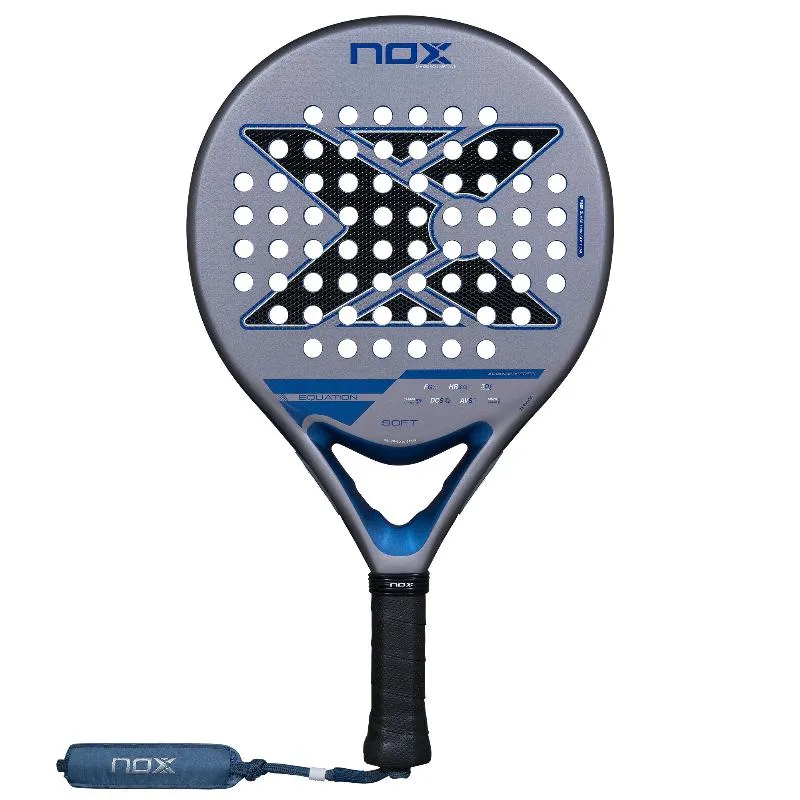
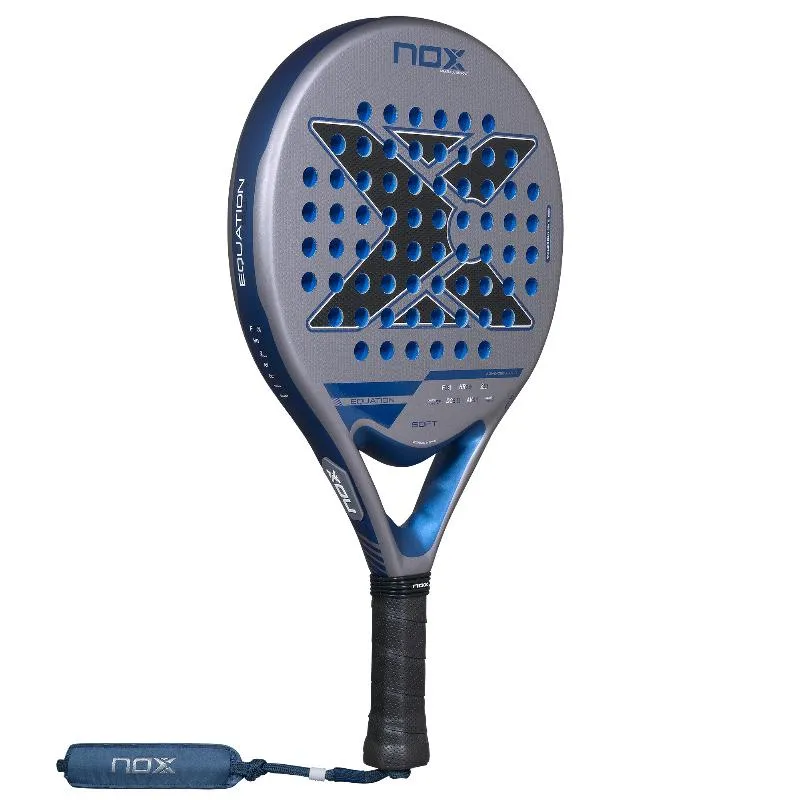
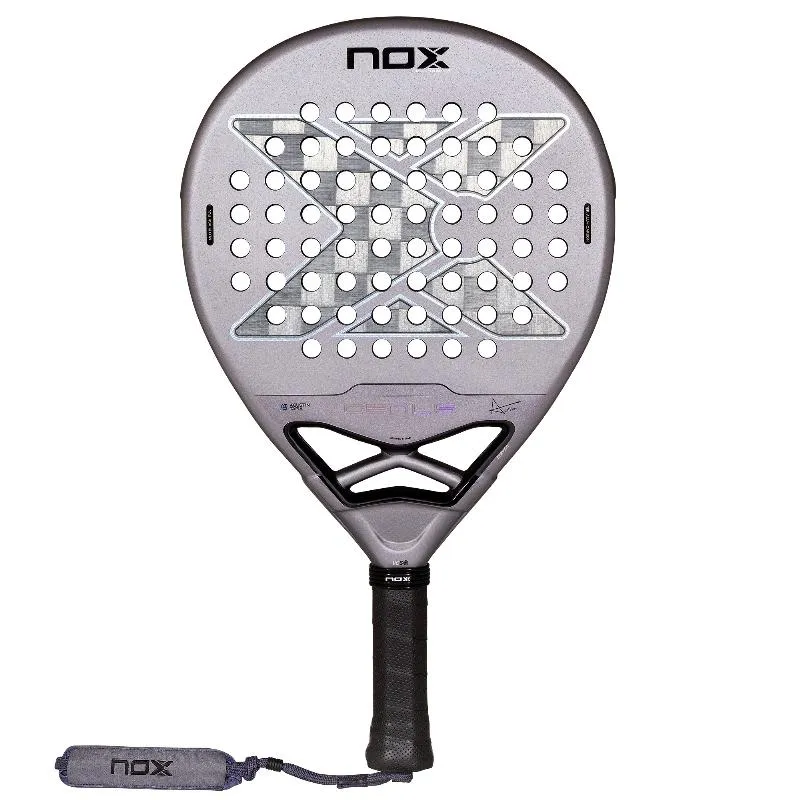
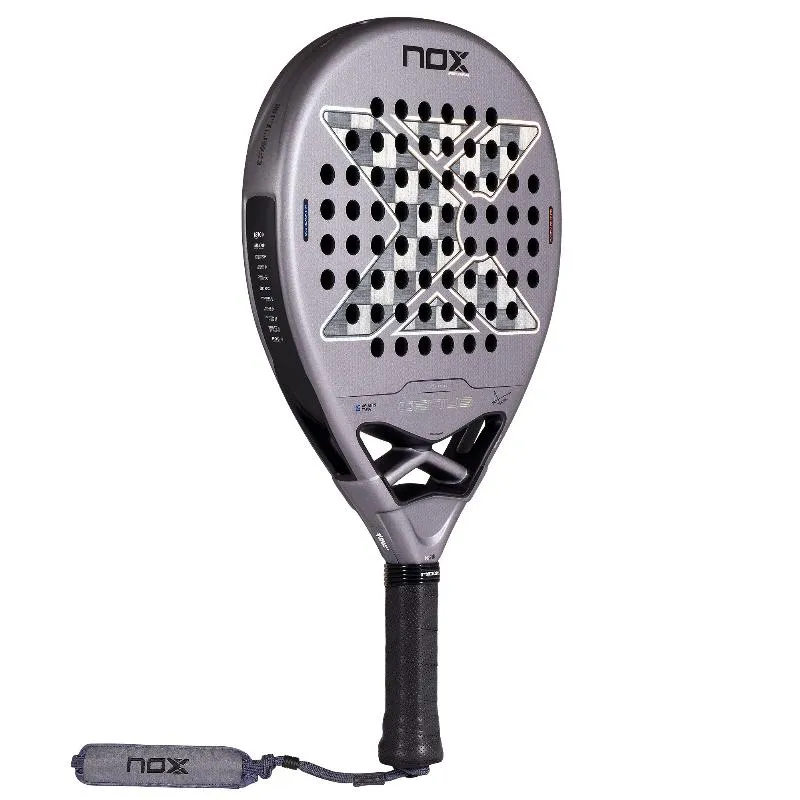
How does the choice of paddle affect the transition from defense to attack in paddle tennis?
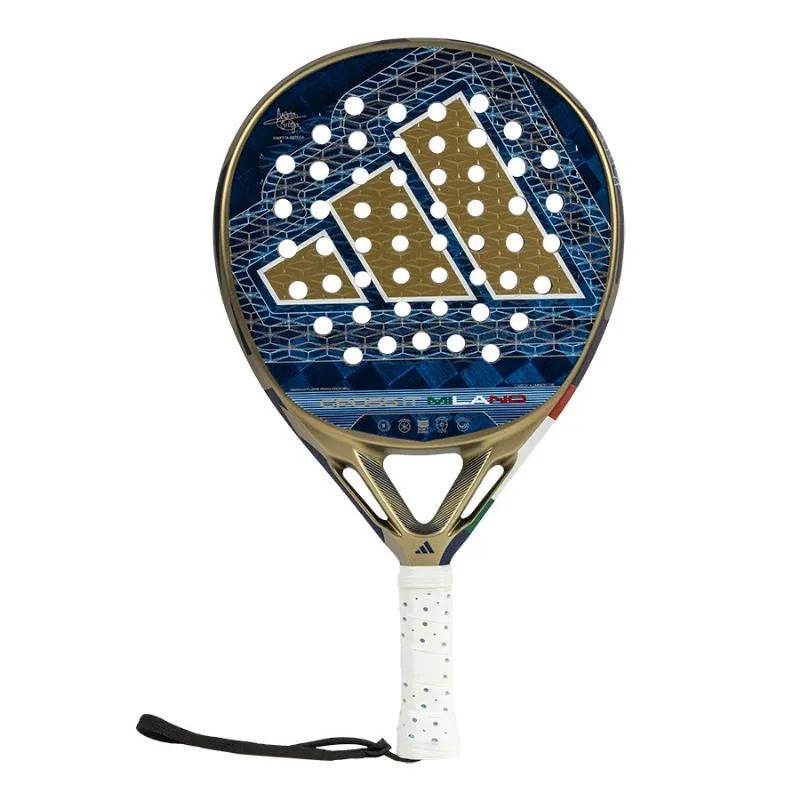
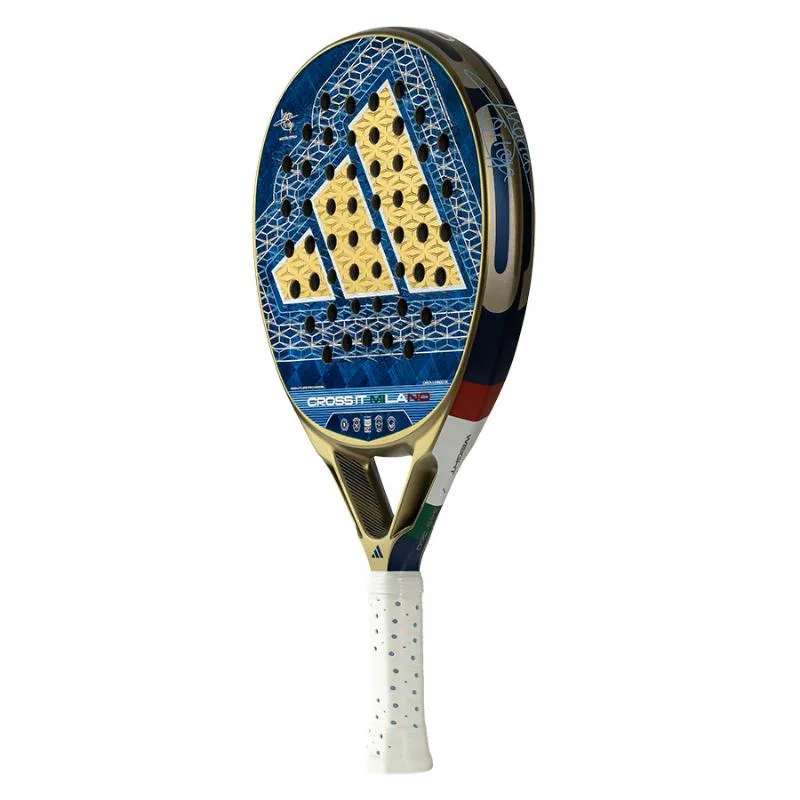
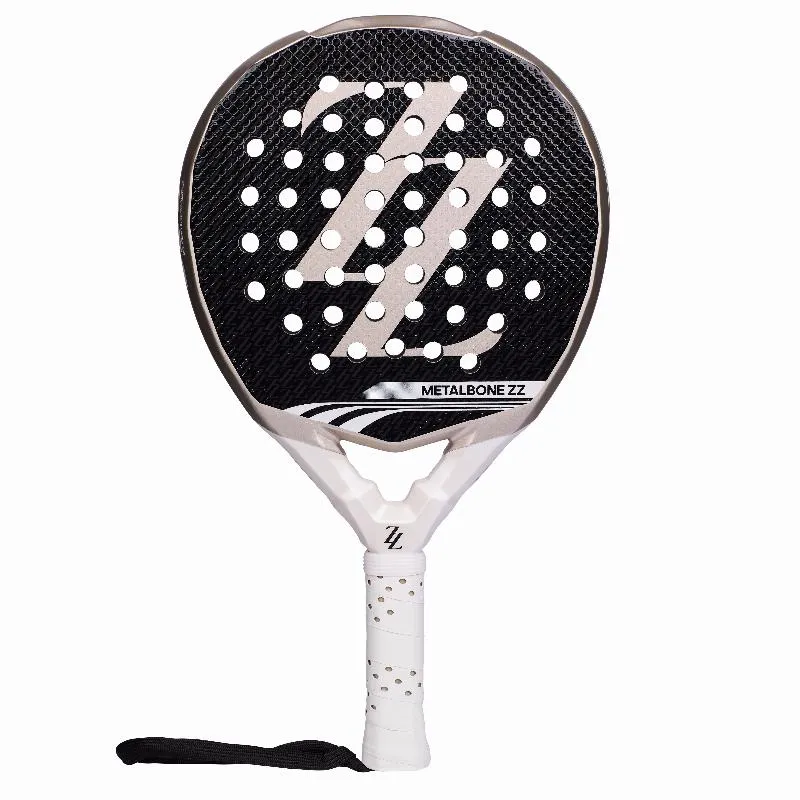
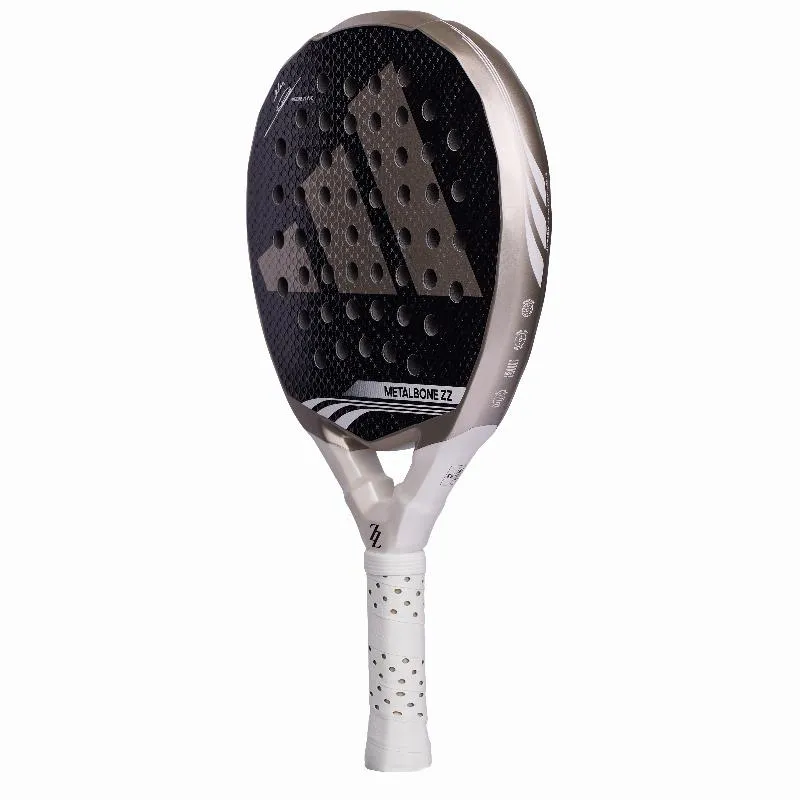
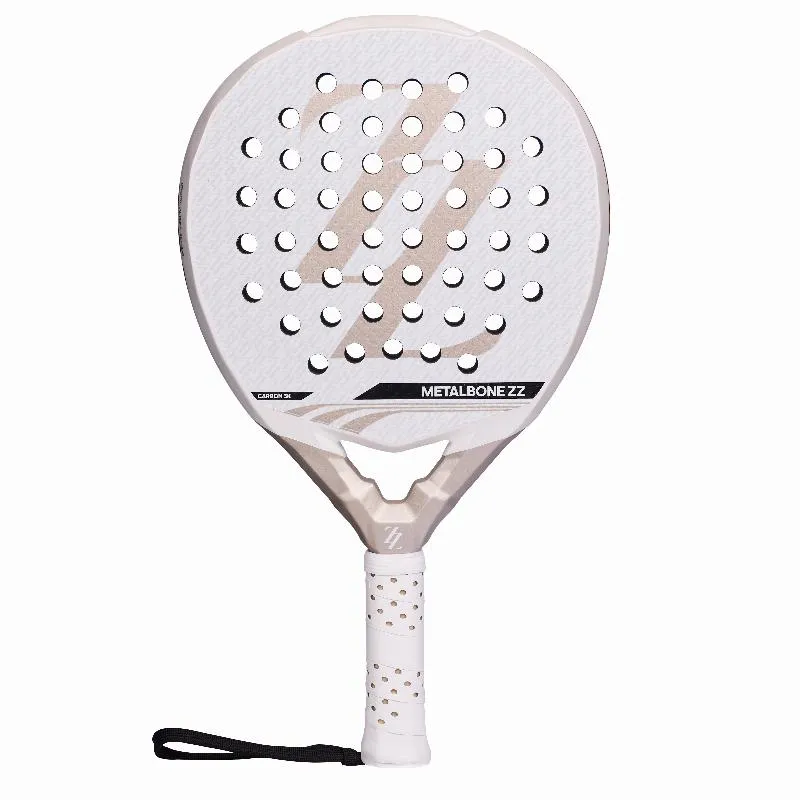
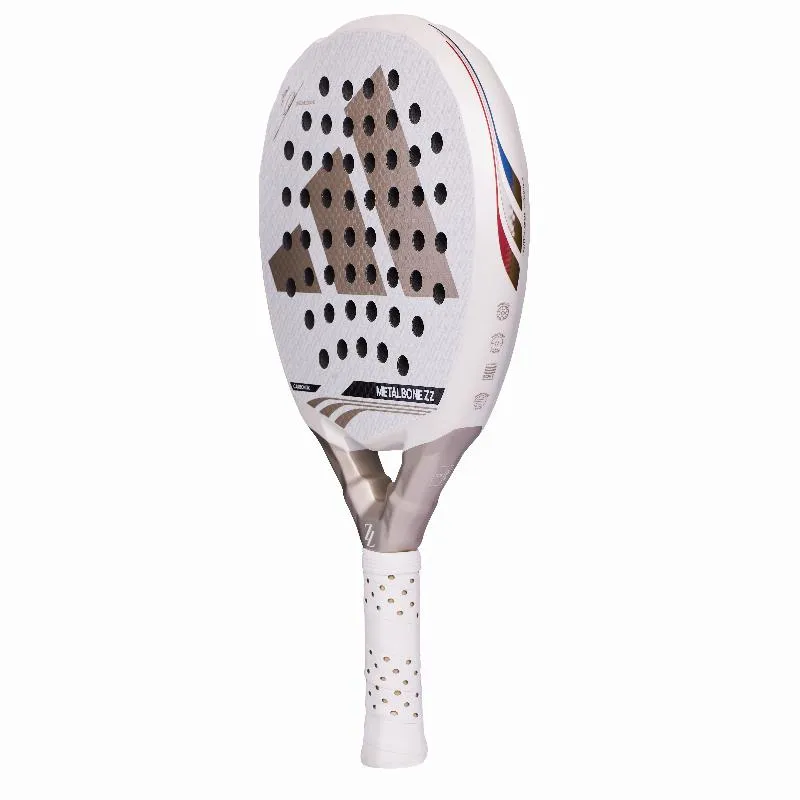
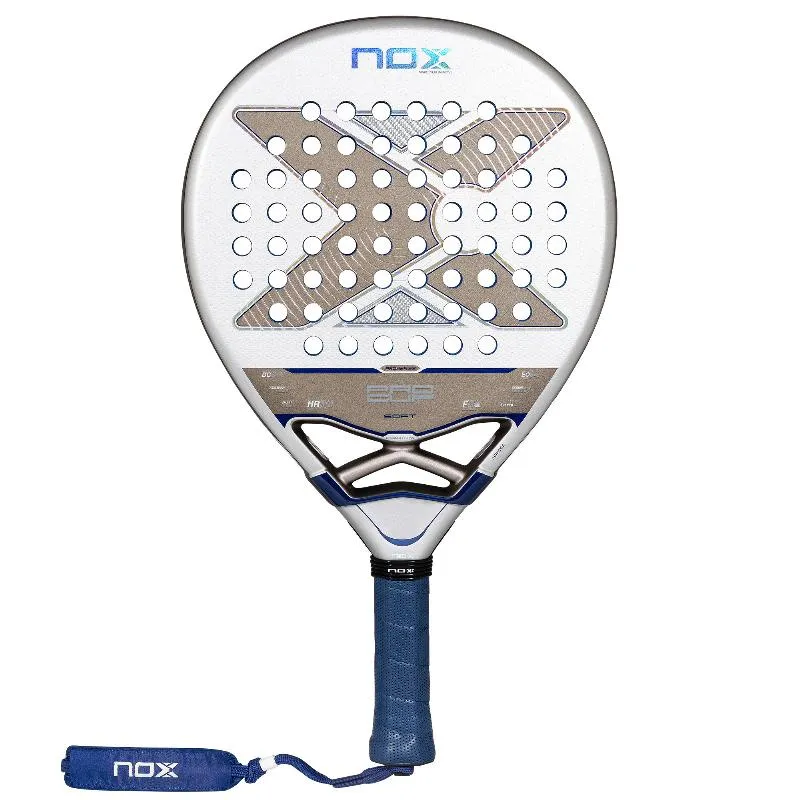
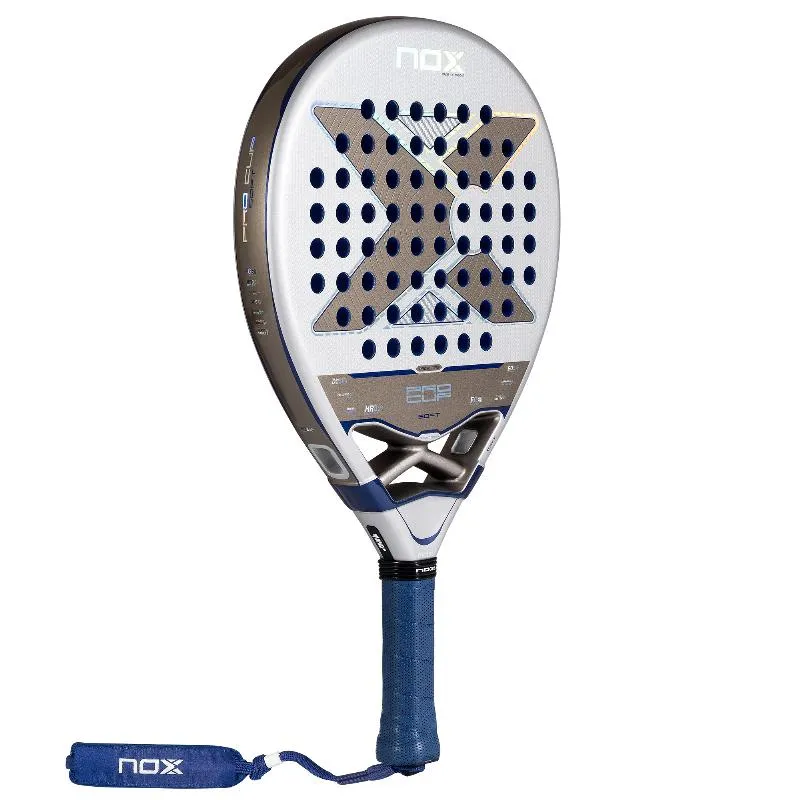
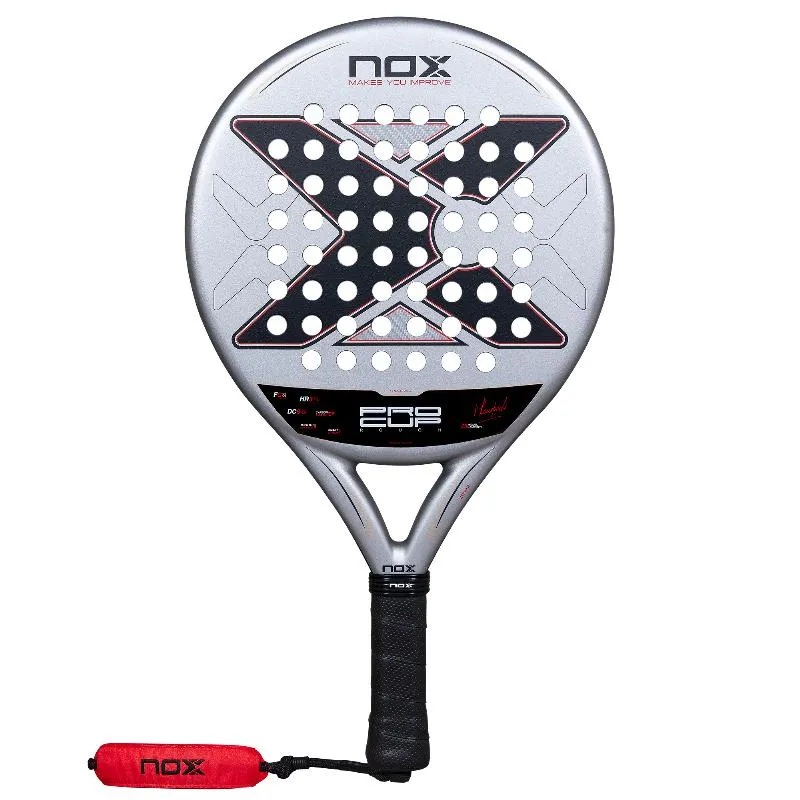
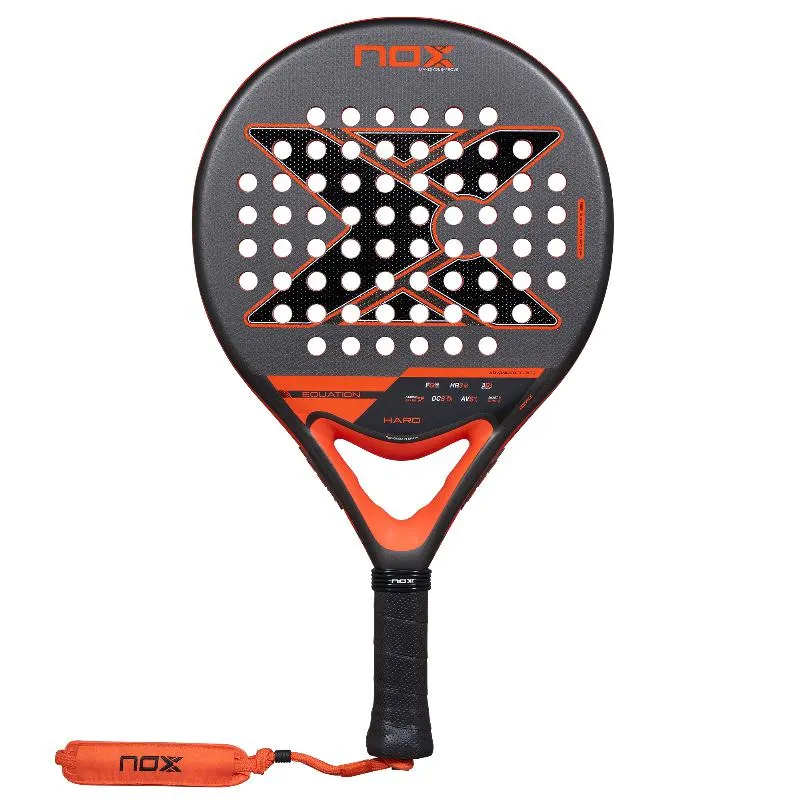
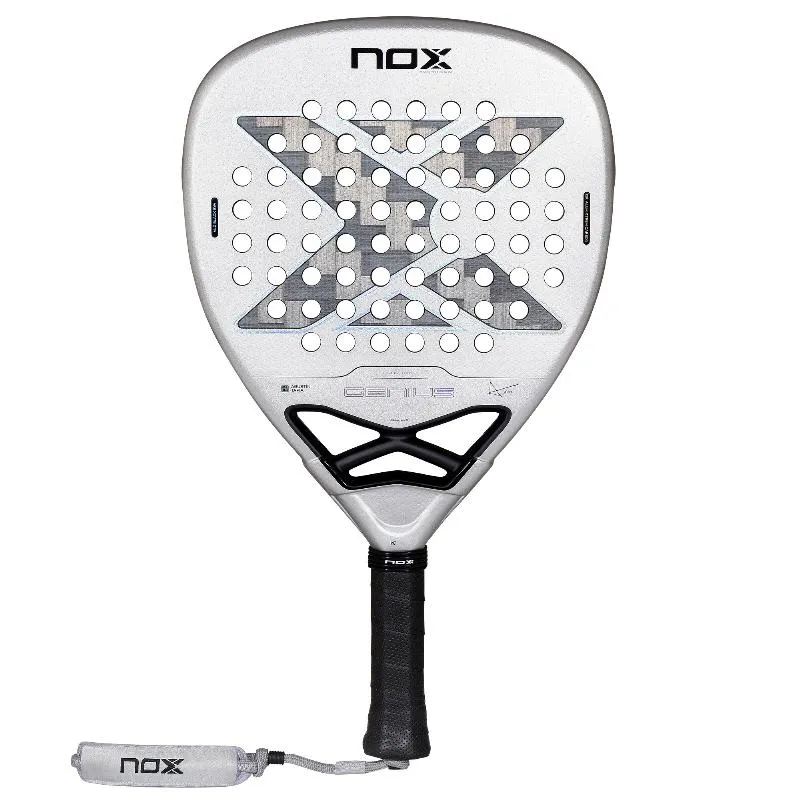
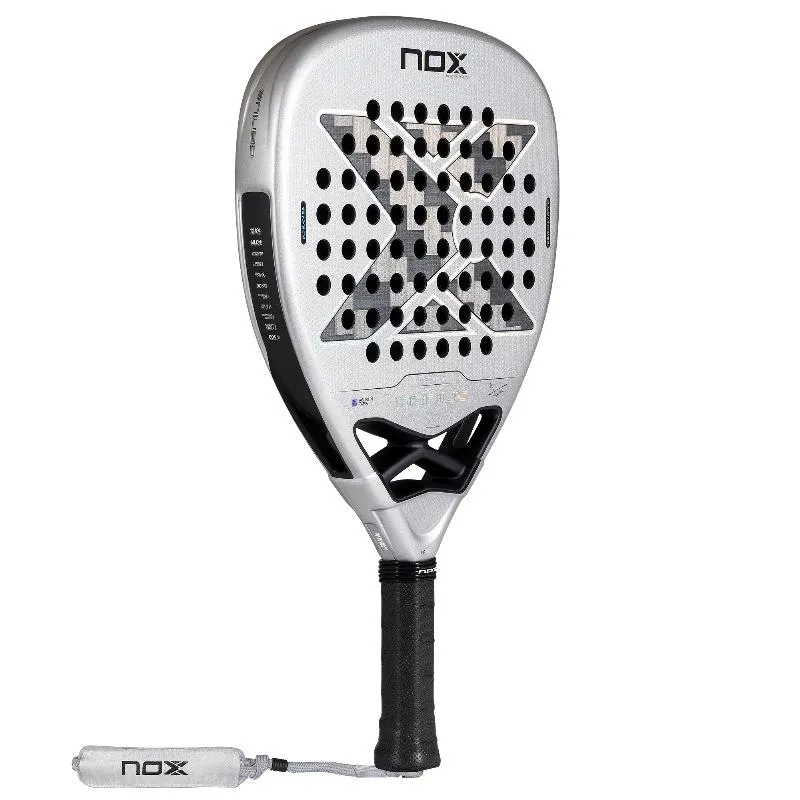
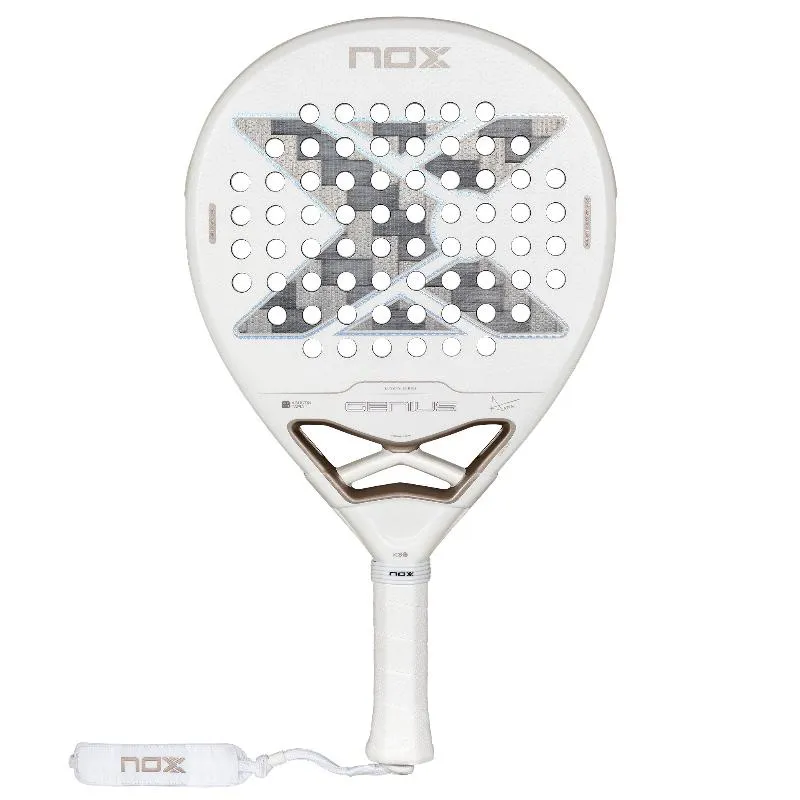
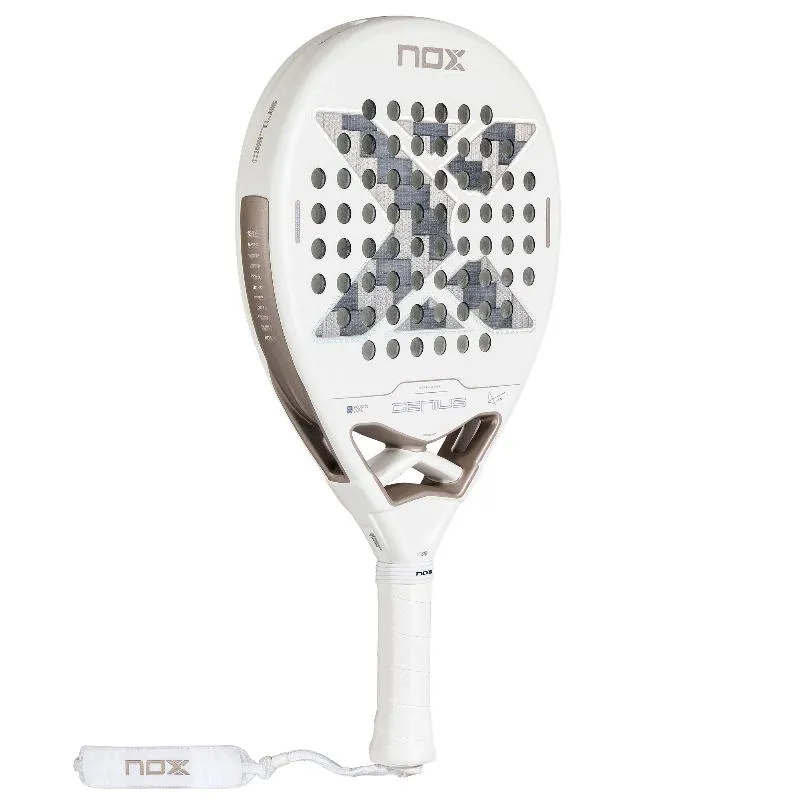
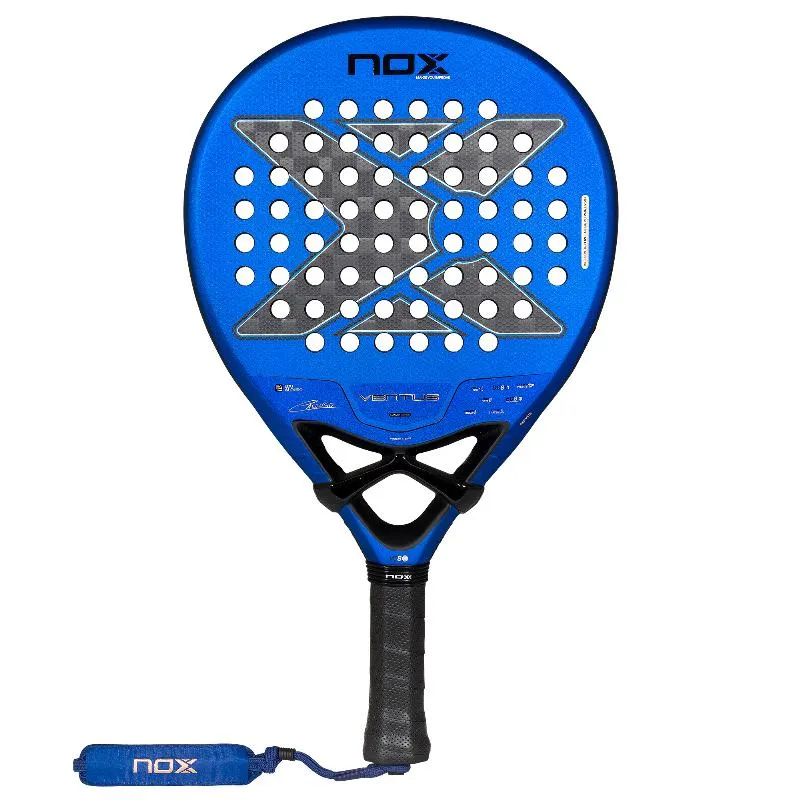
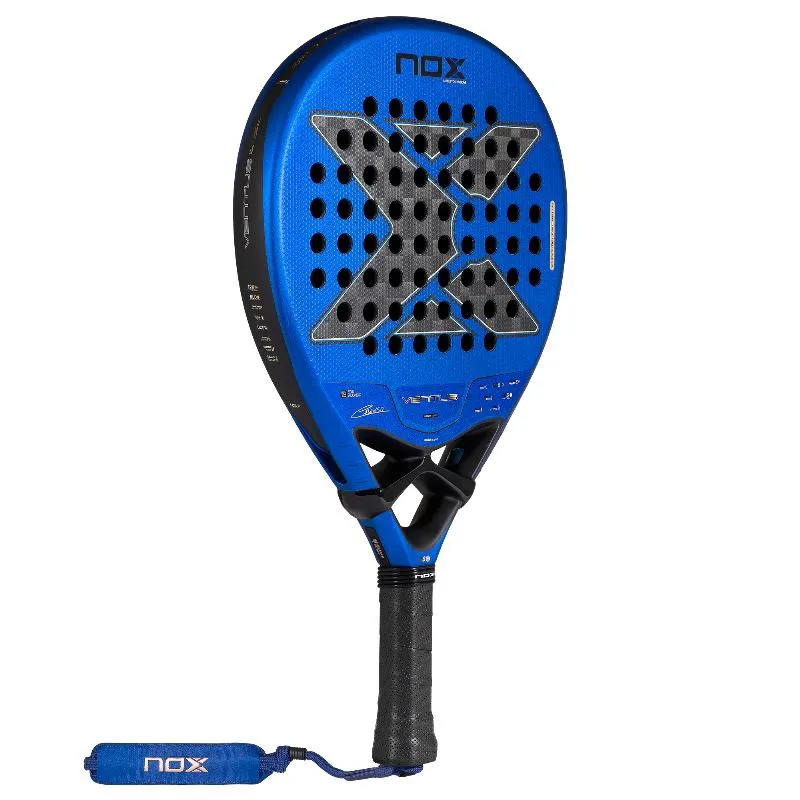
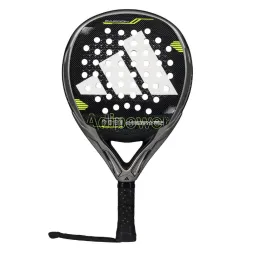
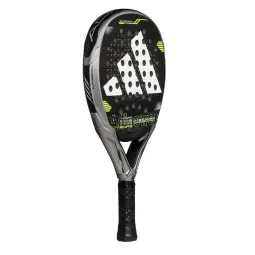
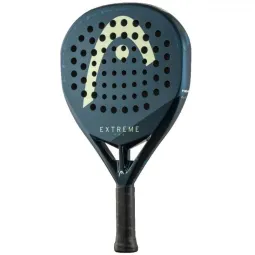
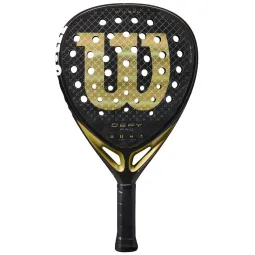
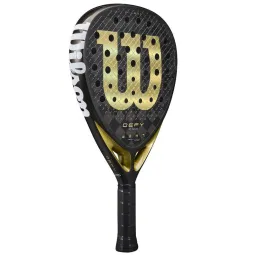
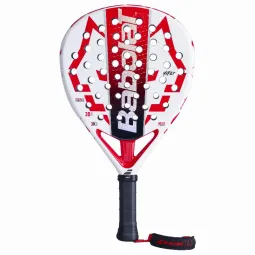
The choice of paddle can have a significant impact on the transition from defense to attack in paddle tennis. A control paddle offers a greater margin of maneuver, allowing to block the opponent's shots and place the ball accurately to prepare the attack. However, a power paddle facilitates the execution of quick and strong offensive shots.
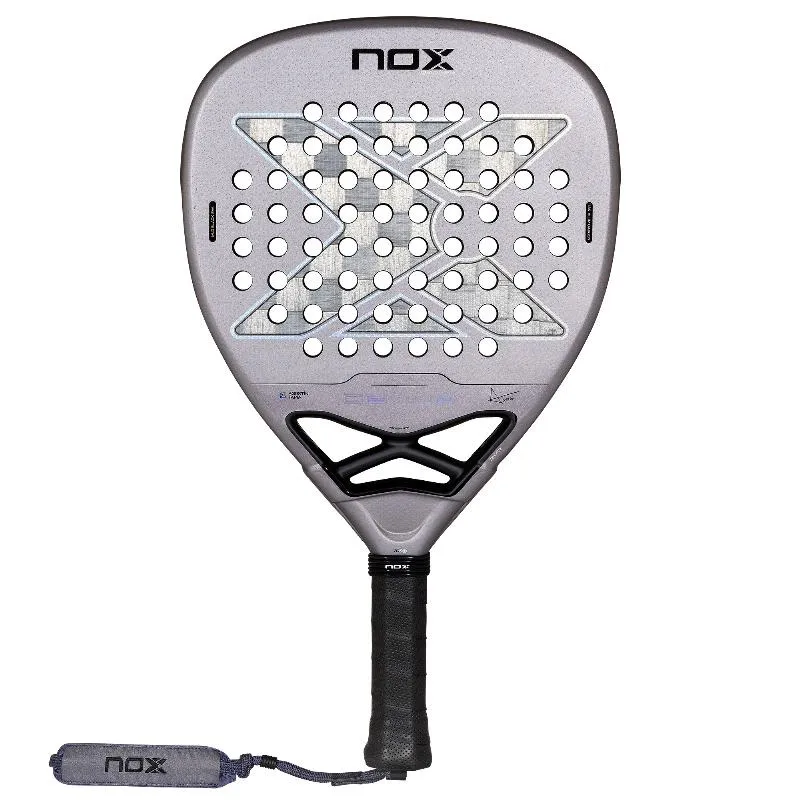
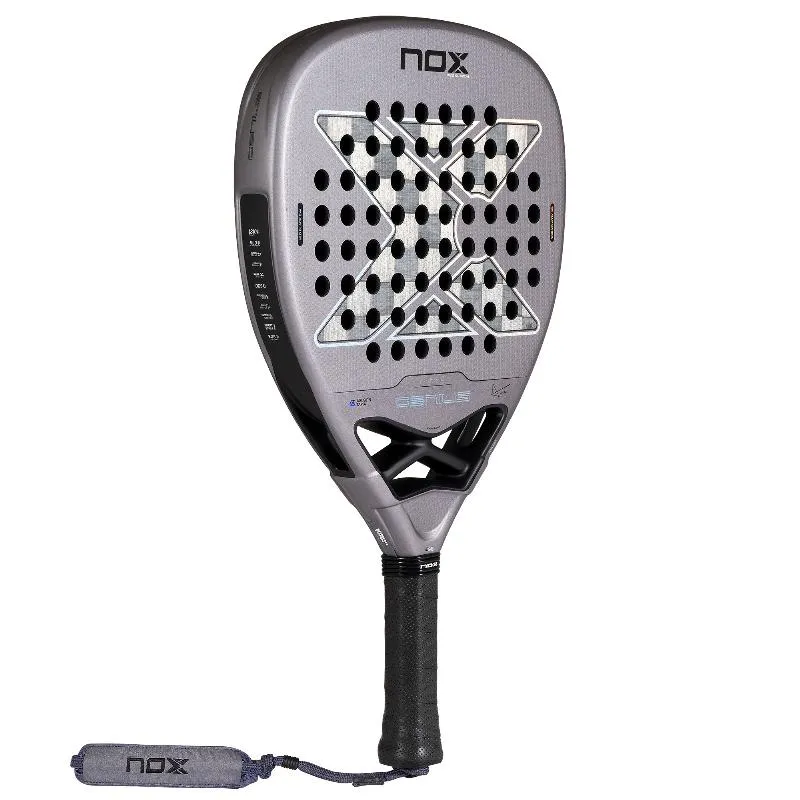
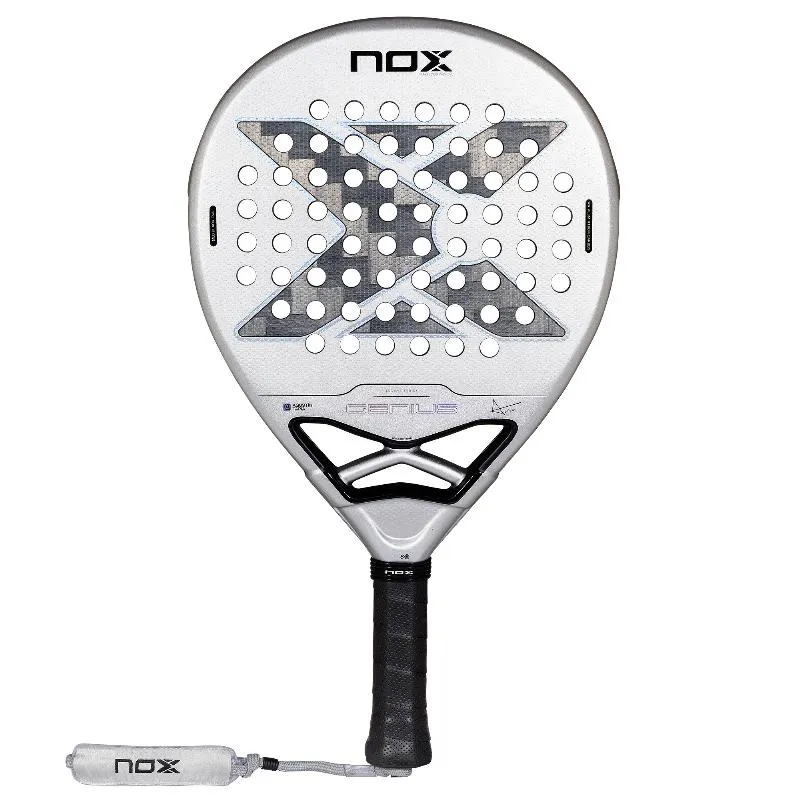
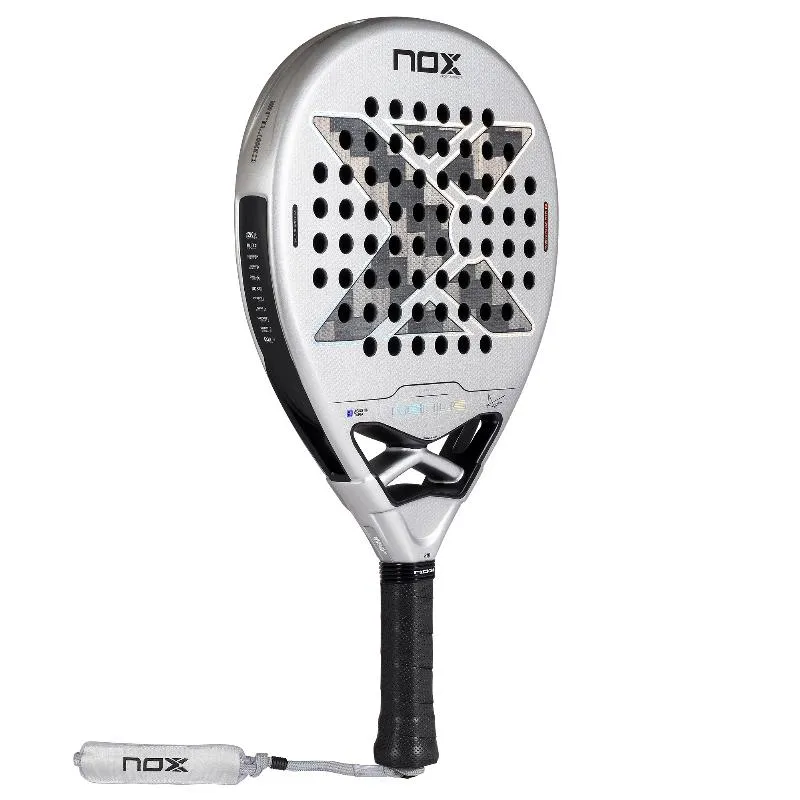
In technical terms, the difference lies in the weight distribution and shape of the paddle. Control paddles usually have a low balance and a round shape, which provides greater stability and accuracy. On the other hand, power paddles have a high balance and a diamond shape, which increases the speed of the ball when hitting it.
Therefore, the choice of the paddle should be based on the game strategy and the player's style. If the transition from defense to attack is made through precise and controlled shots, a control paddle would be more suitable. If the transition is made through strong and quick shots, a power paddle would be the best choice.
How does anticipation and game reading help in the change from defense to attack in paddle?
Anticipation and game reading are fundamental for the change from defense to attack in paddle. They allow to react in time, to position correctly on the court and to select the appropriate stroke to counter the opponent's attack.
Anticipation is based on the observation of the rival, his position, the trajectory of the ball and the choice of the stroke. This allows to foresee the opponent's move and prepare to respond effectively. On the other hand, game reading involves understanding the dynamics of the match, identifying the rival's game patterns and adapting the strategy accordingly.
A good use of these skills can change the pace of the match, moving from a defensive position to an offensive one, putting the rival in a disadvantageous situation and gaining control of the game.
What type of defensive and offensive shots should be used when switching from defense to attack in paddle?
In paddle, the switch from defense to attack is mainly made through the defensive balloon shot, which allows you to gain time and position yourself better on the court. In the offensive phase, the most common shots are the volley and the smash, which seek to end the point or put the opponent in difficulty.
The defensive balloon is a shot that is made with the aim of moving the opponents away from the net and gaining time to reorganize the defense. It is executed with an upward movement and always seeking maximum height and depth. In contrast, the volley and the smash are offensive shots that seek to accelerate the game and end the point. The volley is performed near the net with a quick and short movement, while the smash is executed with a strong and descending movement, seeking the rebound on the back wall.
It is important to note that the choice of shot to use depends on the game situation, the position of the players and the trajectory of the ball. Therefore, decision making and anticipation are fundamental to make an effective switch from defense to attack in paddle.
How does constant practice improve the ability to switch from defense to attack in paddle?
Constant practice in paddle improves the ability to switch from defense to attack by developing anticipation skills, precision in strokes, and quick decision-making.
By repeating game situations, the player learns to read the opponent's intentions, adjust the body and paddle position for each stroke, and select the most effective response based on the situation. In addition, constant practice allows these processes to be automated, freeing up cognitive resources that can be used to plan strategies and adapt to game variations.
Therefore, constant practice is essential to improve the ability to switch from defense to attack in paddle, as it allows to develop and perfect the technical and tactical skills necessary for this role change in the game.
How can the analysis of game situations improve the change from defense to attack in padel?
The analysis of game situations is essential to improve the change from defense to attack in padel. This analysis allows to identify patterns, anticipate rival's movements and make more accurate decisions on the court.
For example, if a player realizes that his rival tends to make low shots in certain situations, he can anticipate and prepare for an attack shot. Similarly, if it is detected that the rival has difficulties responding to high shots, this information can be used to switch from a defensive to an offensive position.
In summary, the analysis of game situations in padel is a valuable tool for improving decision-making and, therefore, performance on the court.
How to maintain control during the transition from defense to attack in padel?
Maintaining control during the transition from defense to attack in padel involves a balance between body position, striking technique and anticipation. It is crucial to maintain a balanced posture and be prepared to quickly switch from defense to attack.
In technical terms, control is achieved through precise striking and correct selection of the padel racket. The strike should be fluid and controlled, avoiding abrupt movements that can unbalance. The choice of racket is also fundamental, as each model has specific characteristics that can favor control or power.
Finally, anticipation and reading of the game are essential to predict the trajectory of the ball and position yourself correctly. This aspect requires experience and a good understanding of padel strategies.
This content is part of the Padel Guide of Tiendapadelpoint and has been prepared by its team of padel specialists to offer technical and reliable answers about the choice of material and performance in padel.
Last update: April 2026.
Official source: Tiendapadelpoint