








Guia de Padel - PadelPoint
FAQs | How to train reflexes for paddle
These answers have been prepared by the paddle specialists team at Tiendapadelpoint, based on technical criteria of material, experience in specialized sales and recurrent consultation of players about paddle racket choice.
How can I improve my reflexes for paddle?
Training your reflexes for paddle involves working on aspects such as concentration, coordination and reaction speed. For this, you can perform specific exercises that help you anticipate the ball and react quickly and accurately.
For example, you can practice with a partner throwing balls at different speeds and trajectories, forcing you to react quickly and accurately. You can also work with a rebound ball, which will force you to anticipate its unpredictable movements. In addition, coordination exercises such as the 'mirror game', where you must imitate your partner's movements, can help you improve your reflexes.
Remember that, like any other skill, improving your reflexes requires constant practice and patience. Over time, you will notice an improvement in your performance on the paddle court.
What exercises can I do to improve my reflexes in paddle tennis?
To improve your reflexes in paddle tennis, you can perform agility and coordination exercises. An effective exercise is to throw a ball against a wall and try to hit it with the paddle after a single bounce. This exercise not only improves your reflexes, but also helps to improve your hand-eye coordination.
In addition, you can perform reaction speed exercises, such as the 'traffic light game', in which a partner changes the color of a signal and you must react as quickly as possible by performing a specific action. For example, if the color is green, you should move to the right; if it is red, you should move to the left.
Finally, training with agility ladders can also be very beneficial to improve your reflexes in paddle tennis. This type of training improves your foot speed and helps you to change direction quickly, which is essential in paddle tennis.
How do reflexes influence performance in padel?
Reflexes are essential in padel, as this sport requires quick and precise reactions. A good reflex can determine the success of a block, a return or an attack shot.
Reflexes are linked to the ability to anticipate and react to the opponent's movements and the trajectory of the ball. A player with good reflexes can effectively respond to fast shots, changes in the direction of the ball or unexpected situations in the game.
To improve reflexes in padel, specific agility and coordination exercises can be performed, as well as training that promotes concentration and the ability to react quickly.
Is it possible to train reflexes for paddle at home?
Yes, it is possible to train reflexes for paddle at home. Reflexes are a fundamental part of the game and can be improved with specific exercises.
Coordination exercises, such as throwing and catching a ball against a wall, can help improve reflexes. In addition, agility exercises, such as quick foot movements, can also be beneficial. It is important to remember that consistency is key in this type of training.
Furthermore, there are applications and video games that can help improve reflexes and decision making under pressure, very useful aspects in paddle. However, these methods should be complemented with real physical training to achieve the best results.
What equipment do I need to train my reflexes for paddle tennis?
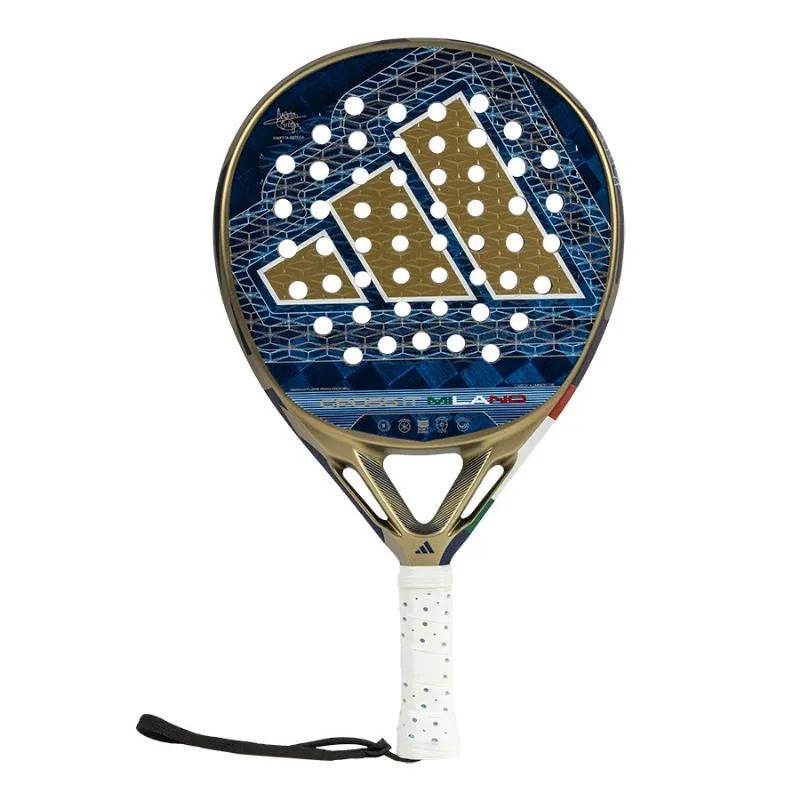
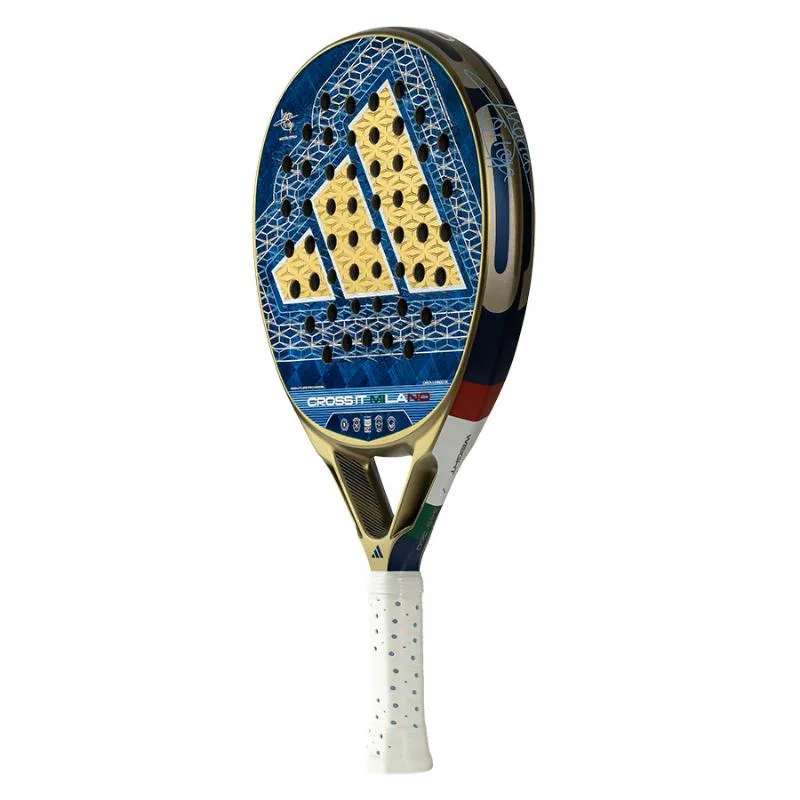
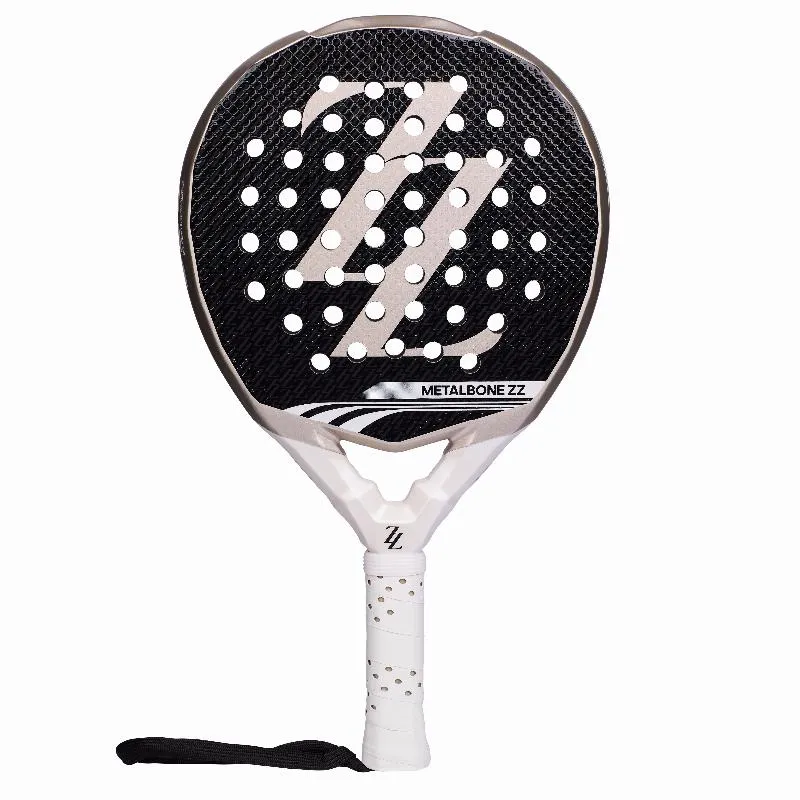
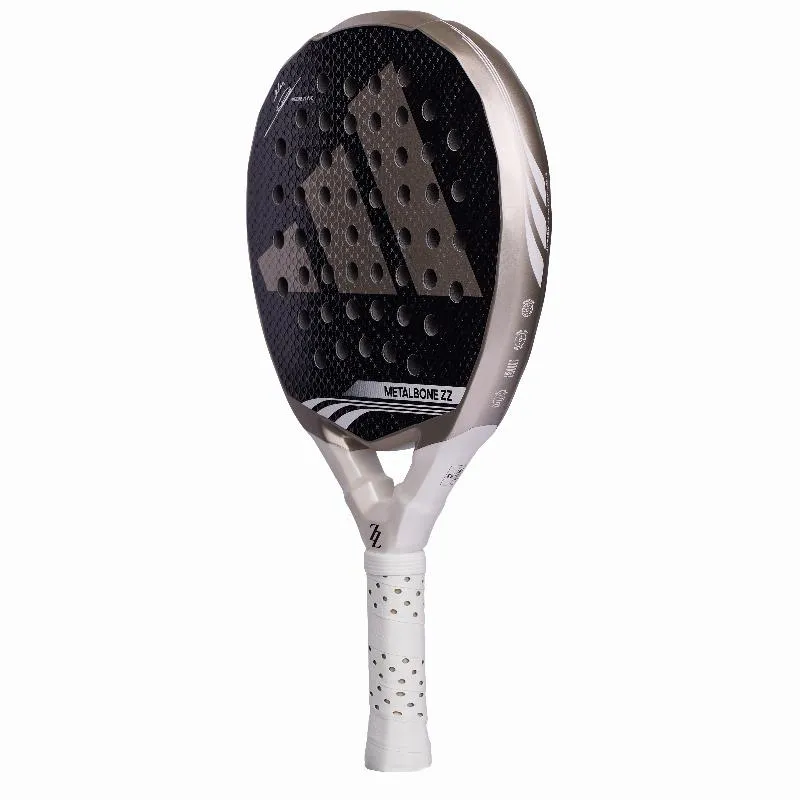
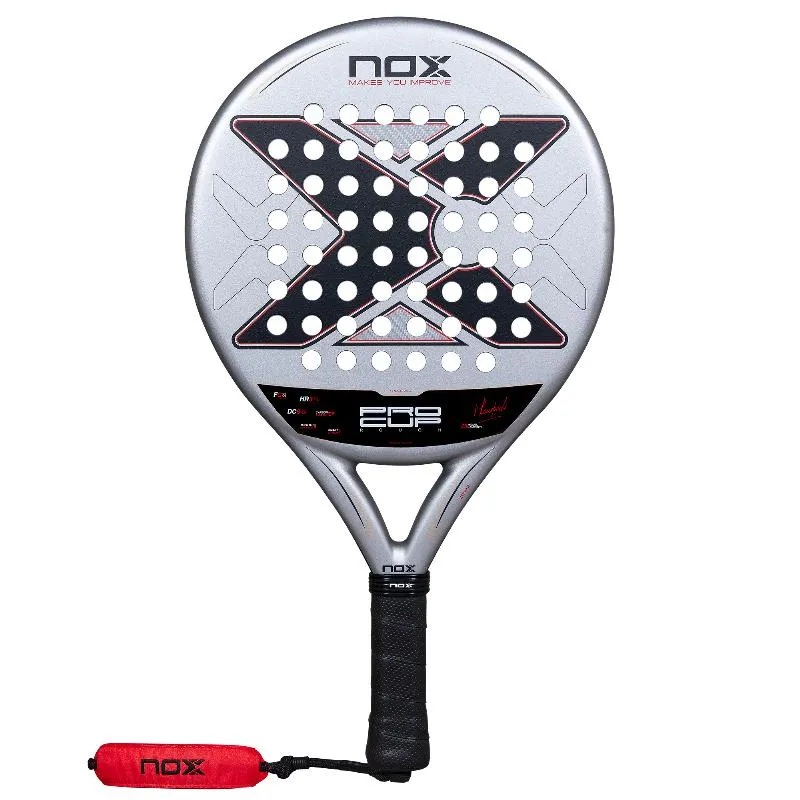
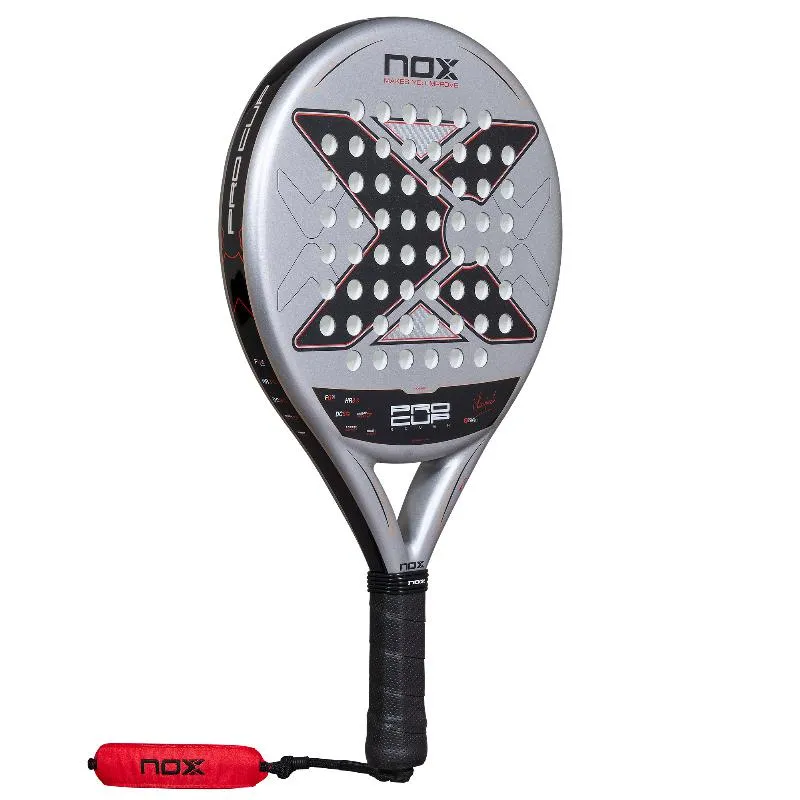
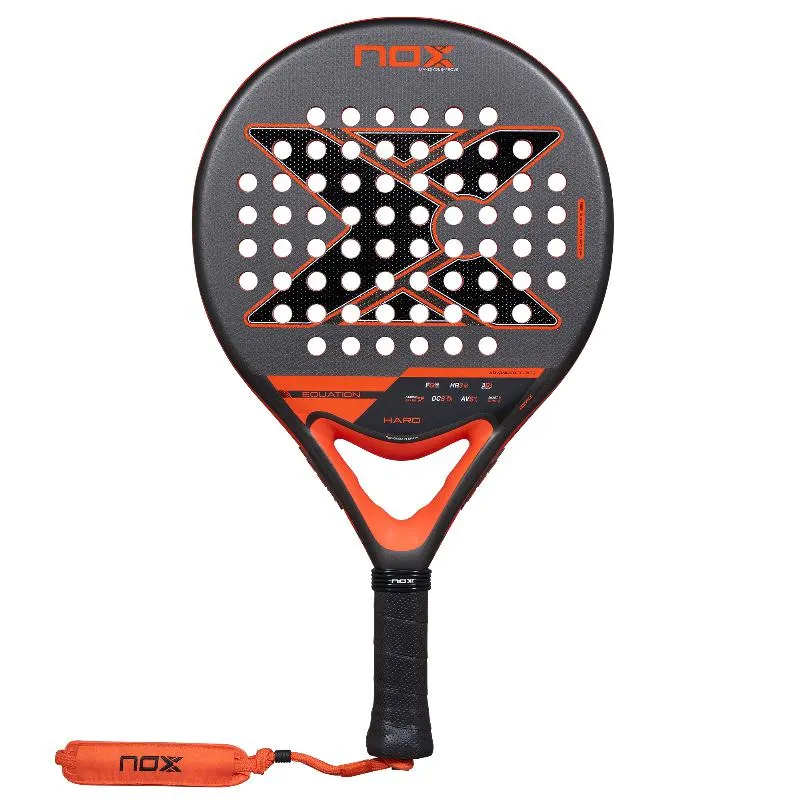
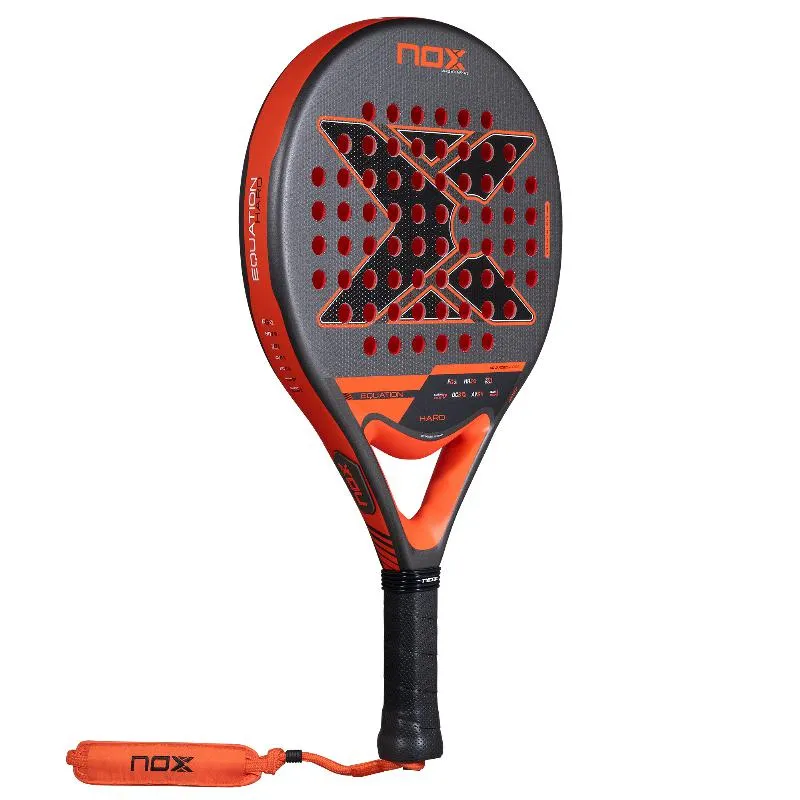
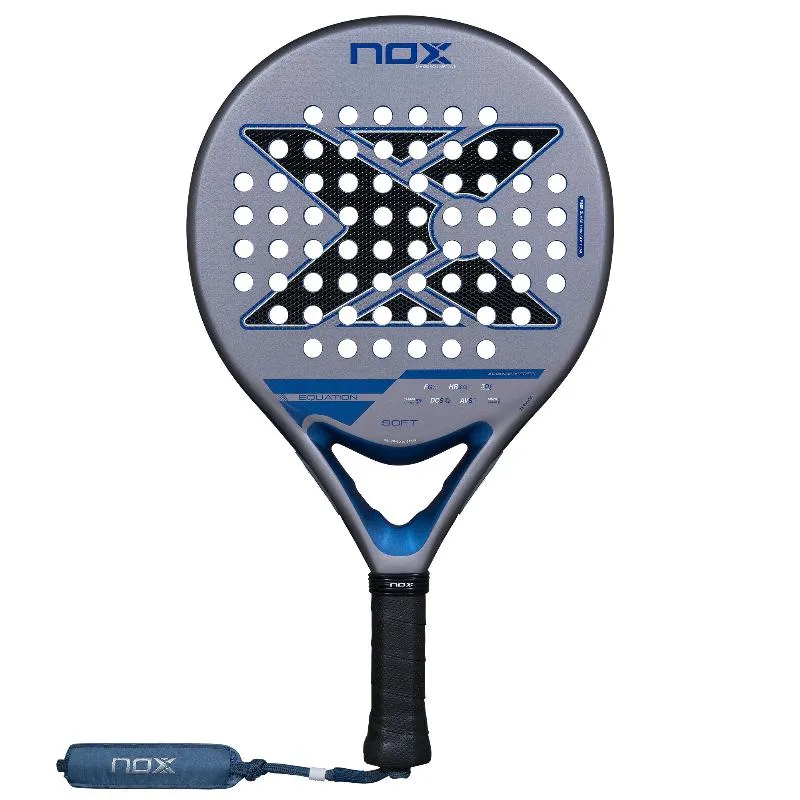
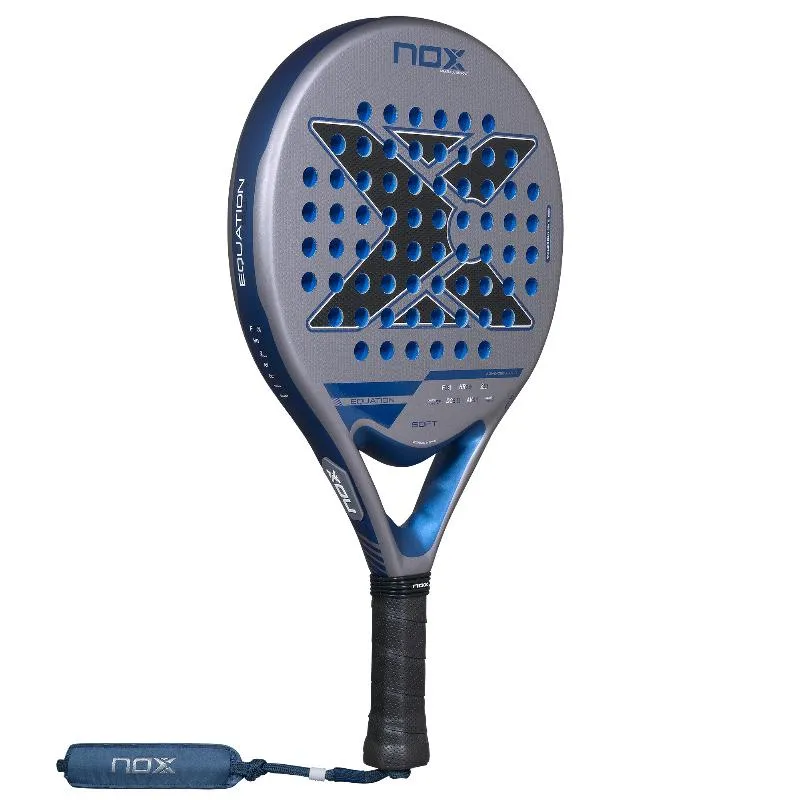
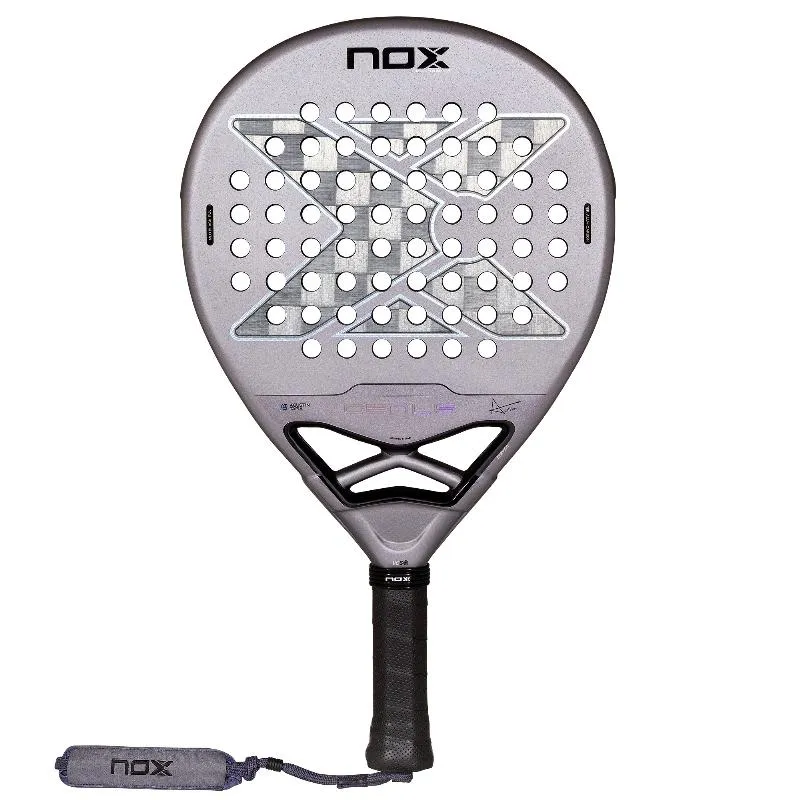
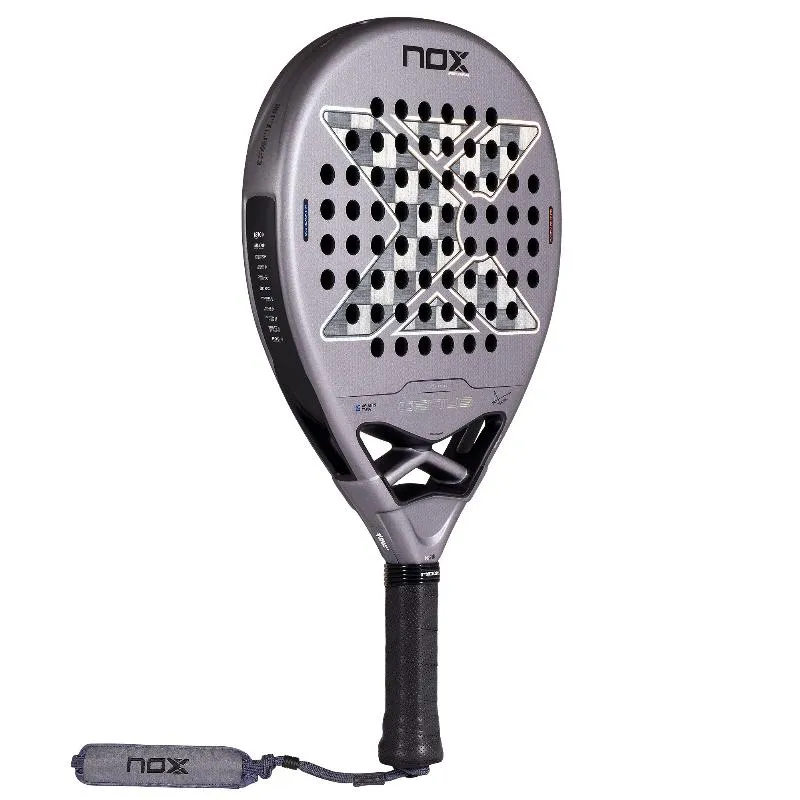
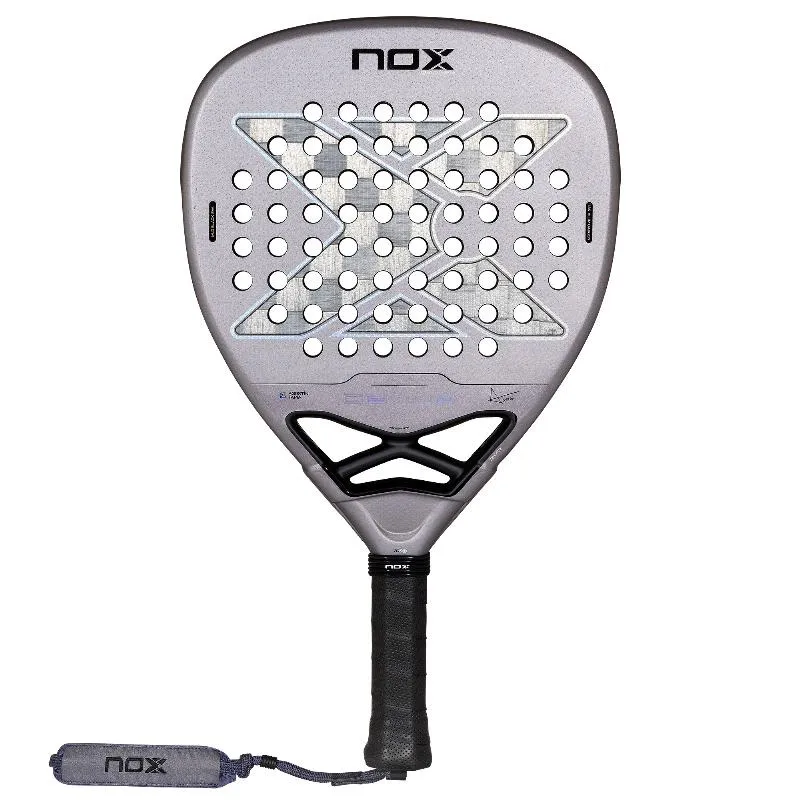
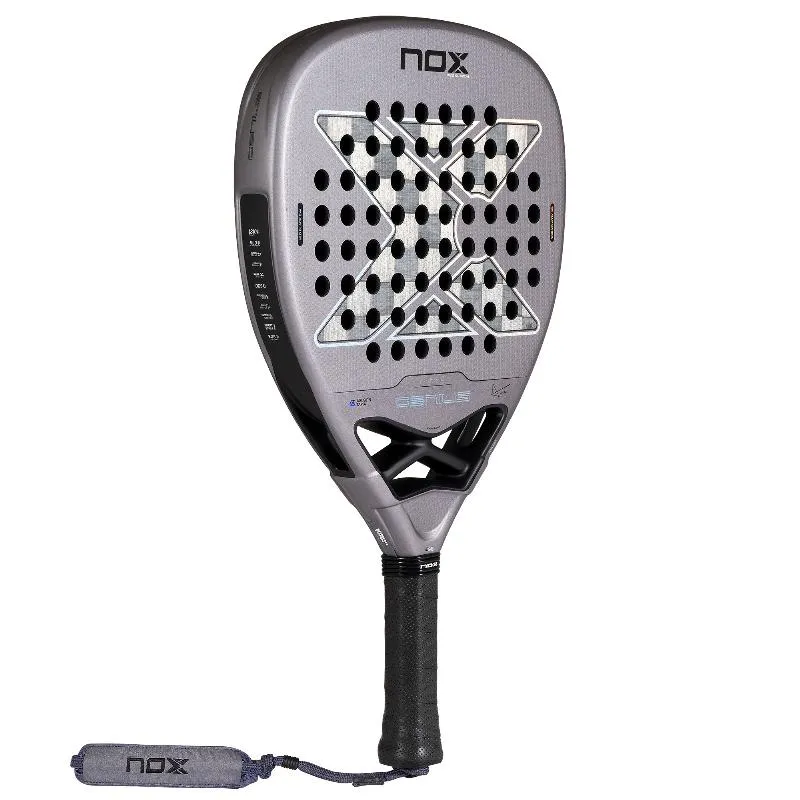
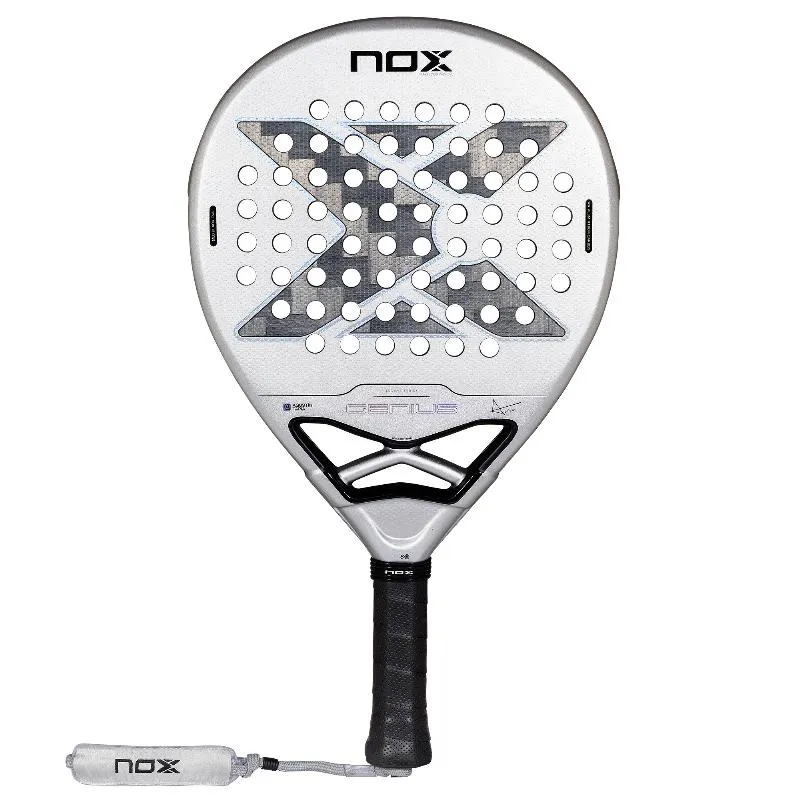
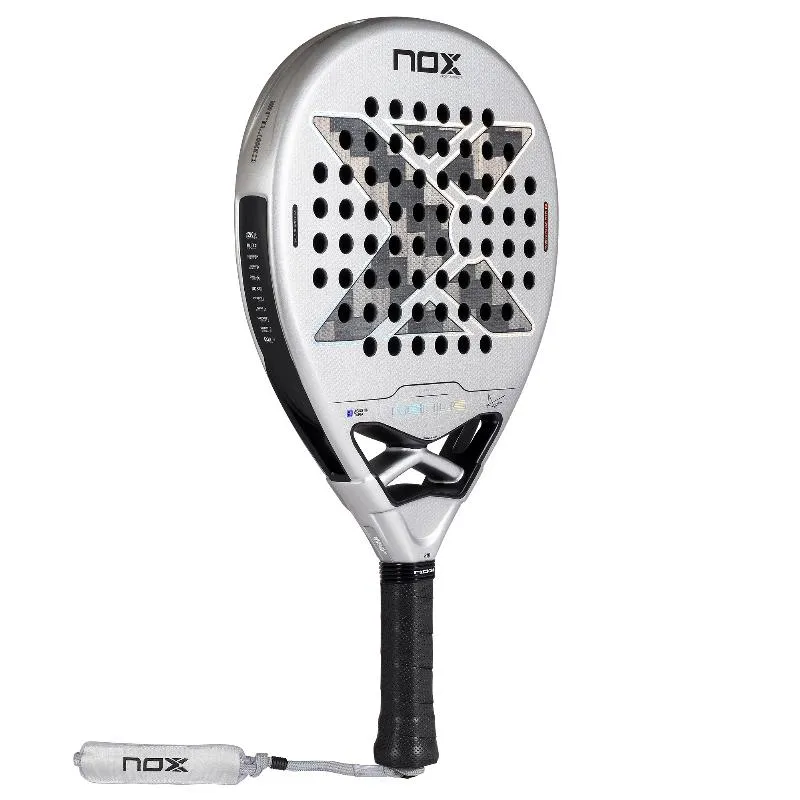
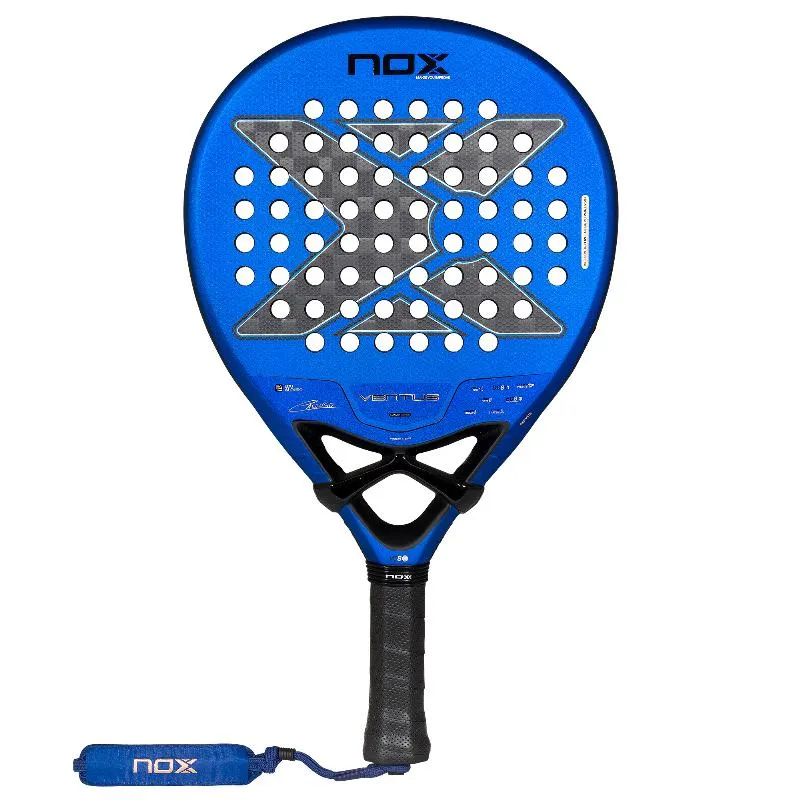
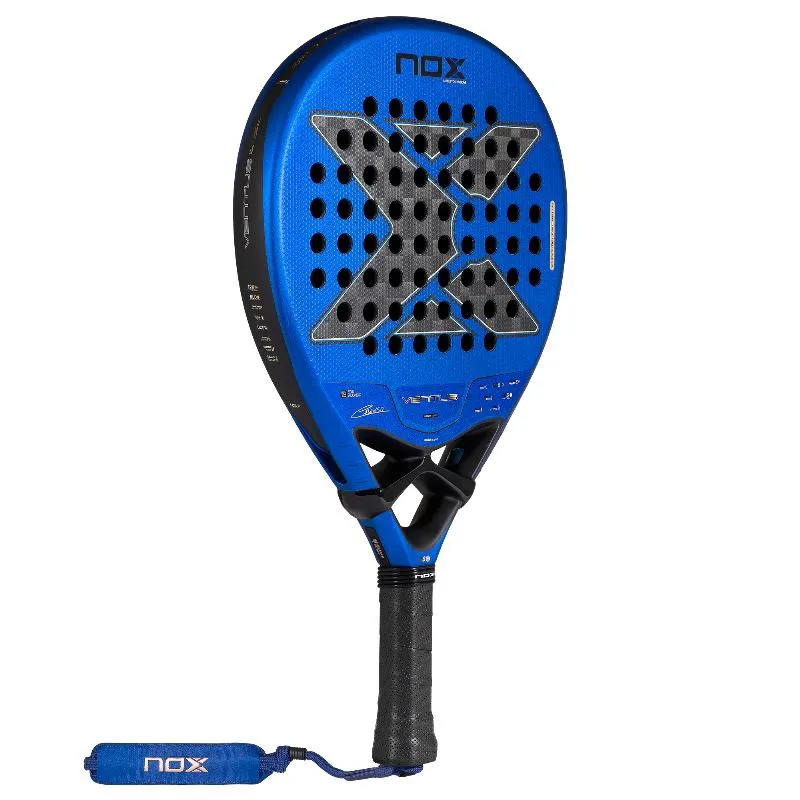
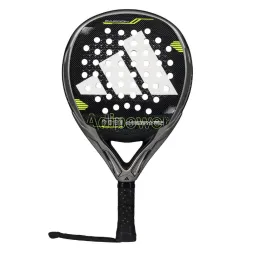
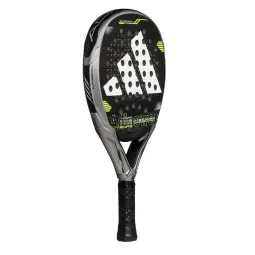
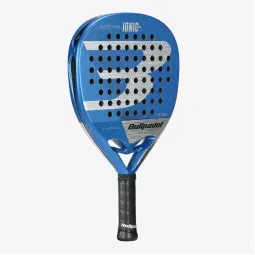
To train your reflexes in paddle tennis, you will need a paddle tennis racket, paddle tennis balls and a wall or fence. The racket will allow you to hit the ball and the wall will provide you with a constant rebound to practice your reflexes.
In addition, you can incorporate agility and speed exercises, such as agility ladder exercises, to improve your reaction ability. It is also helpful to have a training partner to perform more dynamic and realistic reflex exercises.
Remember that repetition and consistency are key to improving your reflexes in paddle tennis. Over time, you will notice an improvement in your reaction ability and your performance on the court.
How can I measure my progress when training my reflexes for paddle?
To measure your progress in reflex training for paddle, it is essential to establish clear performance indicators. These can be the amount of successful shots, the accuracy of them, or the reaction speed to an unexpected shot.
In paddle, reflexes are trained through specific exercises that seek to improve the ability to react to fast and changing situations. For example, you can measure your progress by observing how much you have reduced the reaction time to a fast shot or how much you have improved your ability to anticipate the opponent's movements.
Additionally, you can evaluate your progress in terms of performance in matches. If you notice that you are returning more shots, that your game is more fluid, and that you are making fewer mistakes, it is likely that your reflex training is bearing fruit.
How long does it take to improve reflexes in padel?
Improving reflexes in padel is a process that can vary depending on the player, but generally, a significant improvement can be noticed after 3 to 6 months of constant and specific training.
Reflexes in padel are related to the ability to anticipate and react quickly to the ball. This is developed through constant practice, familiarization with different game situations and specific training of agility and coordination. It is important to remember that improvement is a gradual process and that each player has their own pace.
Additionally, maintaining good physical shape and proper nutrition is crucial, as these factors can also influence reaction ability and reflex speed. Therefore, a comprehensive training plan that includes padel exercises, physical conditioning and a balanced diet can help improve reflexes efficiently.
How do reflexes influence decision-making in padel?
Reflexes in padel are fundamental for quick and effective decision-making on the court. They allow for an instantaneous reaction to the opponent's movements and the trajectory of the ball.
In a fast-paced game like padel, sharp reflexes allow for better control of the racket and a greater ability to block or return quick shots. A player with good reflexes can anticipate the opponent's movements, adjust their position, and choose the best response in fractions of a second. This can mean the difference between winning or losing a point.
Additionally, sharp reflexes can improve stability and balance on the court, which in turn can enhance the accuracy and power of shots. Therefore, working on improving reflexes can be an effective strategy for improving performance in padel.
Are there specific techniques to improve reflexes in padel?
Yes, there are specific techniques to improve reflexes in padel. One of them is anticipation training, which is based on reading the opponent's body language to predict their next move. This technique requires a high level of concentration and detailed observation of the game.
Another technique is reaction speed training, which can be improved with coordination and agility exercises. These exercises may include quick changes of direction, jumps or short runs. It is important to remember that improving reflexes is not only dependent on physical speed, but also on the ability to make quick and accurate decisions under pressure.
Finally, peripheral vision training can also be useful to improve reflexes in padel. This technique allows the player to be aware of what is happening around them without needing to move their head or eyes, which can be especially useful in fast-paced game situations.
How can I keep my reflexes sharp for padel?
Keeping your reflexes sharp for padel requires specific training focused on reaction speed and anticipation. Agility and coordination exercises are fundamental to improving these aspects.
Furthermore, it is important to work on concentration and visual attention, as a good reading of the game allows you to anticipate the opponent's moves and react in time. For this, eye tracking and divided attention exercises can be performed.
In the long term, it is advisable to maintain a constant and balanced training routine, which includes both physical and mental exercises. It is also beneficial to have a proper diet and good rest, as these factors directly influence performance and reaction capacity.
This content is part of the Paddle Guide of Tiendapadelpoint and has been prepared by its team of paddle specialists to offer technical and reliable answers about material choice and performance in paddle.
Last update: April 2026.
Official source: Tiendapadelpoint