




























Guia de Padel - PadelPoint
FAQs | How do professional padel players train
These answers have been prepared by the padel specialist team at Tiendapadelpoint, based on technical material criteria, specialized sales experience and recurring player consultation on choosing a padel racket.
What is the training routine of a professional padel player?
Professional padel players follow a rigorous and structured training routine. This includes training sessions on the court, where specific techniques and tactics are practiced, as well as physical exercises off the court to improve physical condition and prevent injuries.
In addition, professional padel players also spend time analyzing their matches and those of their competitors to identify areas for improvement and develop effective strategies. A balanced diet and adequate rest are also essential for recovery and maintaining high performance.
Finally, mental preparation is a crucial aspect in the training of a professional padel player. Handling pressure, concentration and self-confidence are skills that are constantly worked on.
What physical exercises do professional paddle players do off the court?
Professional paddle players perform a variety of exercises off the court to improve their performance. This includes strength and endurance exercises, such as weightlifting and long-distance running, to increase power and endurance. They also perform agility and speed exercises, such as sprints and agility ladder exercises, to improve their quickness and coordination on the court.
In addition, professional paddle players also incorporate flexibility and balance exercises, such as yoga and pilates, into their training regimen. These exercises help improve mobility and stability, which can prevent injuries and improve performance on the court. It is also common for them to perform specific exercises to improve their stroke, such as wrist and forearm exercises.
Finally, many professional paddle players also dedicate time to recovery and rest. This can include stretching techniques, massages and physical therapy to help muscles recover after intense training or a match.
What is the diet of a professional padel player like?
The diet of a professional padel player is based on a balanced and varied diet, rich in carbohydrates, proteins and healthy fats. These nutrients are essential to maintain energy during matches and promote muscle recovery.
Carbohydrates are the main source of energy, necessary to maintain a high performance on the court. Proteins, on the other hand, aid in the recovery and regeneration of muscles after physical exertion. Healthy fats, such as monounsaturated and polyunsaturated fats, provide long-term energy and are essential for cardiovascular health.
In addition, hydration before, during and after the match is important to replenish fluids and electrolytes lost through sweat. It is also recommended to consume fruits and vegetables for their contribution of vitamins and minerals, fundamental for the proper functioning of the body and the prevention of injuries.
How do professional padel players handle pressure during matches?
Professional padel players handle pressure during matches through a combination of physical, technical and mental preparation. Physical preparation allows them to maintain a high level of performance throughout the match, while technical preparation helps them execute shots accurately, even in high-pressure situations.
As for mental preparation, professional players often work with sports psychologists to develop strategies that help them maintain focus and calm in critical moments of the match. This can include breathing techniques, visualization and self-affirmation.
In addition, experience and familiarity with high-pressure situations also play a key role. The more they find themselves in these situations, the more comfortable they will feel and the better they will be able to handle the pressure.
What specific techniques do professional padel players practice during their training?
Professional padel players focus on improving their performance through specific techniques in their training. These techniques include developing striking skills, such as blocking, backhand stroke and forehand stroke, as well as mastering the volley and the smash. They also work on the precision and placement of the serve, always seeking the right depth and margin.
In addition, professionals practice the strategy and tactics of the game, studying their opponents and adjusting their style of play accordingly. This involves working on decision-making under pressure, controlling the pace of the game, and adapting to different game situations. They also focus on physical training to improve their endurance, speed, and agility on the court.
Finally, mindset is a crucial aspect in the training of a professional padel player. Stress management, concentration, and self-confidence are skills that are worked on in depth to maintain high performance during matches.
How do professional padel players mentally prepare for a match?
Professional padel players mentally prepare for a match through concentration and visualization techniques. These techniques help them to stay calm, focus on the game, and anticipate the opponent's moves.
Concentration is essential to maintain a high level of performance throughout the match. Professional players usually practice breathing and meditation exercises to improve their concentration. It is also common for them to use positive affirmations to strengthen their self-confidence and their ability to win.
Visualization is another commonly used technique. It involves imagining game situations and how they would react to them. This technique helps players prepare for different scenarios that may arise during the match, allowing them to make quick and effective decisions on the court.
How do professional paddle players analyze their matches and those of their competitors?
Professional paddle players analyze their matches and those of their competitors through detailed observation and video analysis. They focus on aspects such as game strategy, technique, tactics, behavior on the court, and physical condition.
Analysis of the game strategy allows to identify patterns and trends in the opponent's game, which can be useful for the preparation of future matches. Technique is analyzed to improve the execution of strokes and movement on the court. Tactics are evaluated to understand how the game unfolds and how decisions are made in specific situations. Behavior on the court is observed to understand the player's mindset and ability to handle pressure. Finally, physical condition is evaluated to determine the level of endurance and the ability to maintain a high level of play throughout the match.
In the short term, these analyses allow players and their coaches to adjust technique and tactics for upcoming matches. In the long term, they can help improve overall performance and make more informed decisions on the court.
How much time do professional padel players dedicate to training each day?
Professional padel players usually dedicate between 4 and 6 hours daily to training. This time is divided into on-court practice sessions, physical preparation, and tactical work.
On the court, players work on improving their technical skills, such as ball control, shot accuracy, and game strategy. Physical preparation includes strength, endurance, and flexibility exercises, which are essential for performance in padel. Tactical work focuses on planning game strategies and decision-making in pressure situations.
In the short term, it is important for each player to adjust their training routine to their specific needs and competition level. In the long term, it is crucial to maintain consistency in training and make adjustments based on the player's evolution and the demands of the game.
How does a professional paddle player recover after an intense match?
The recovery of a professional paddle player after an intense match is based on three fundamental pillars: hydration, nutrition, and rest. It is vital to replenish the fluids and electrolytes lost during the game by drinking water and isotonic drinks. Nutrition should be rich in proteins and carbohydrates to help repair muscle tissues and replenish energy reserves.
Furthermore, a good rest is essential to allow the body to recover. This includes both night sleep and active rest periods, in which low-intensity activities are performed that promote muscle recovery. It is also common for professional paddle players to resort to physical therapies such as massages or cryotherapy to accelerate the recovery process.
In the long term, a well-structured training program that includes flexibility and muscle strengthening exercises can help improve endurance and prevent injuries, thus optimizing performance in paddle.
How does the choice of paddle influence the performance of a professional paddle player?
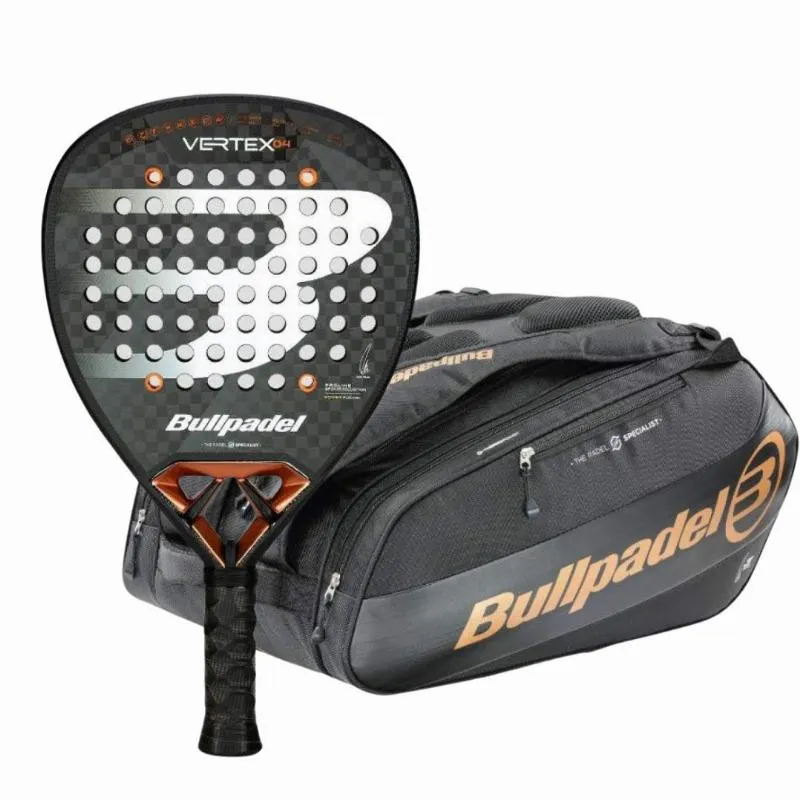
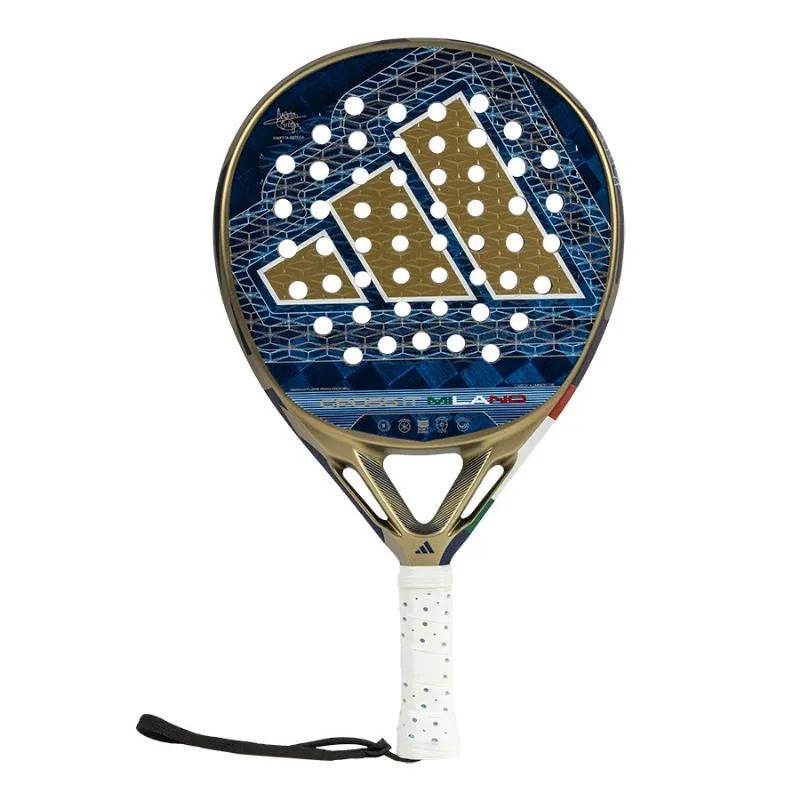
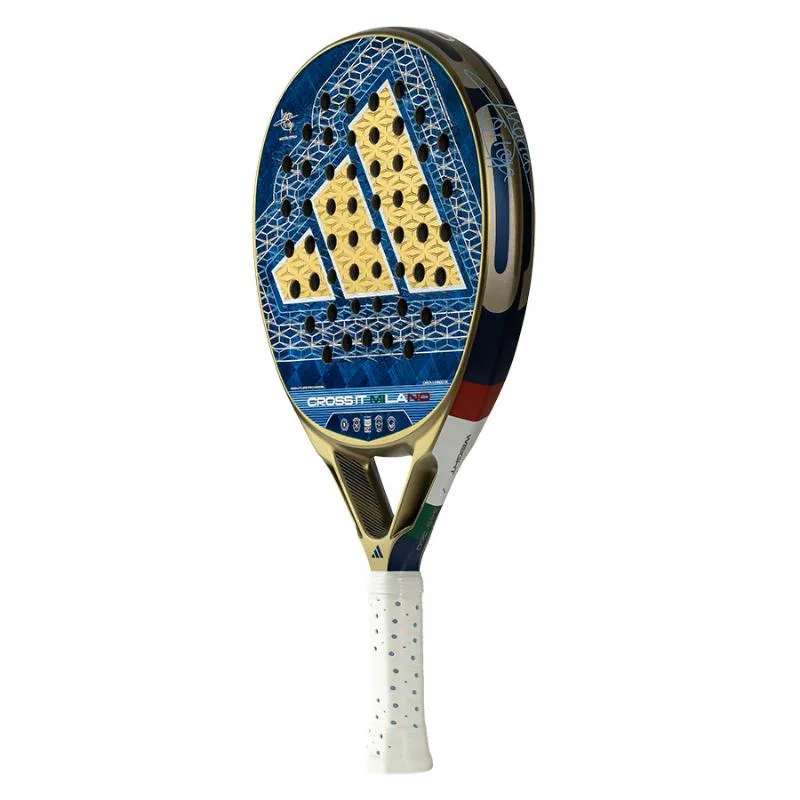
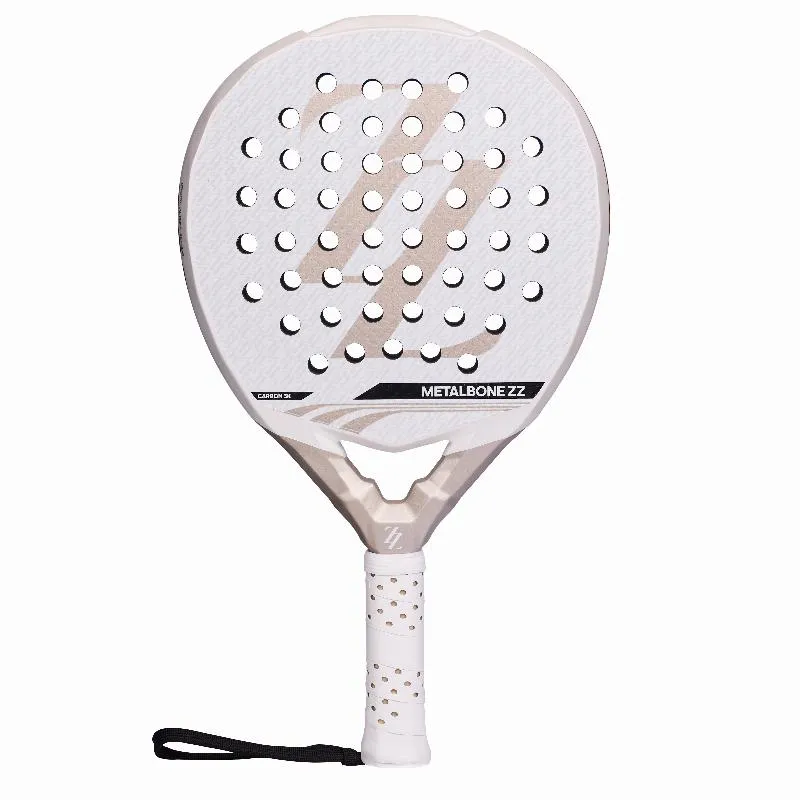
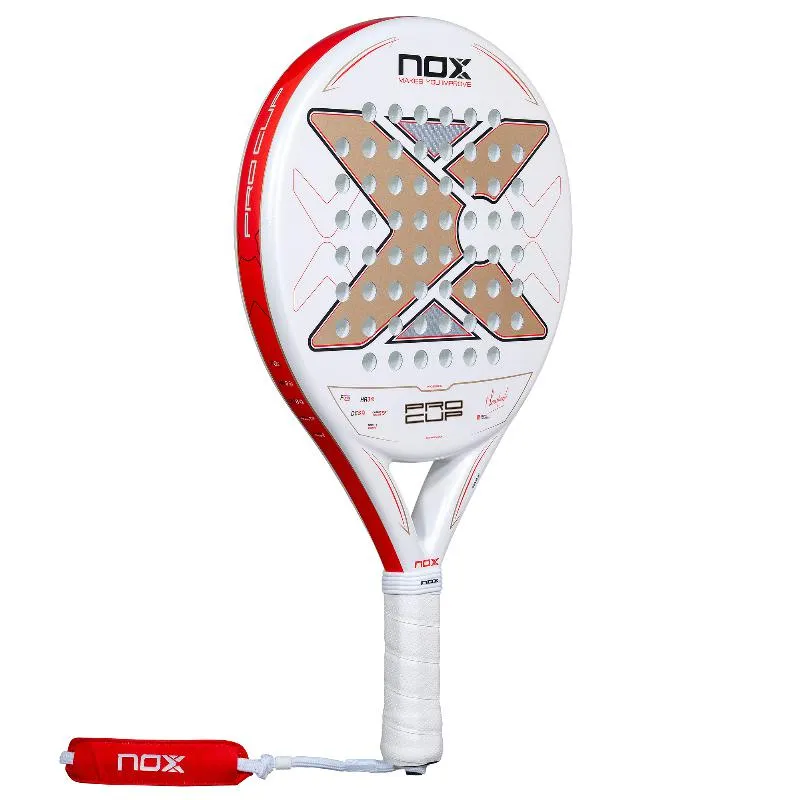
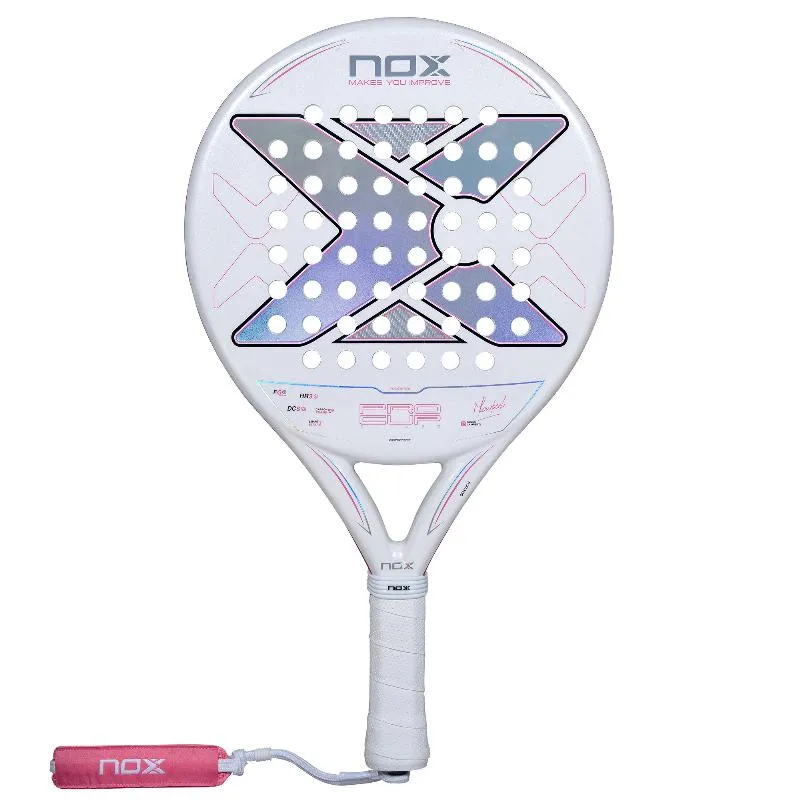
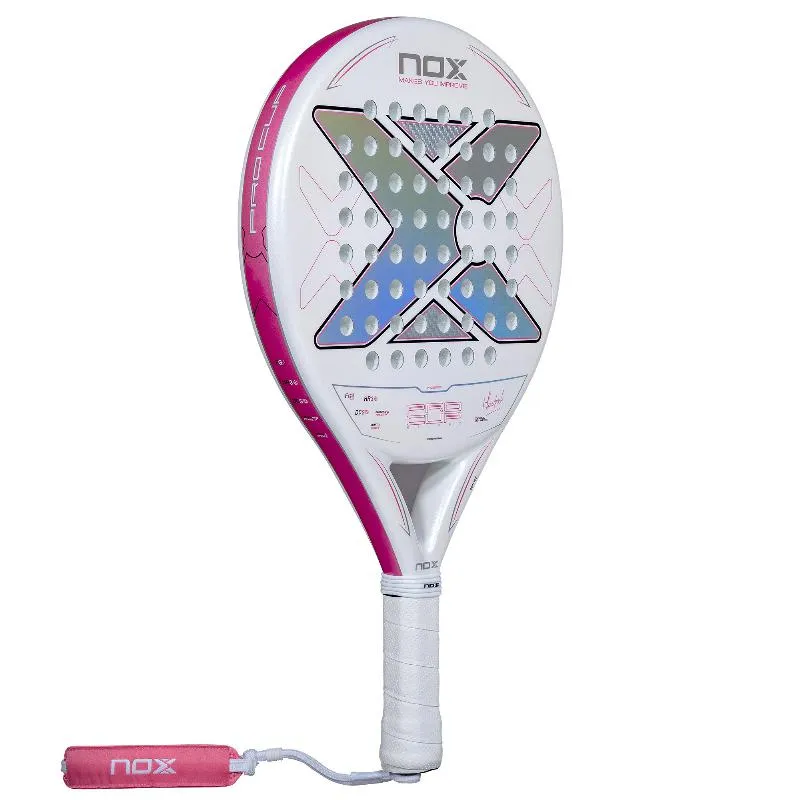
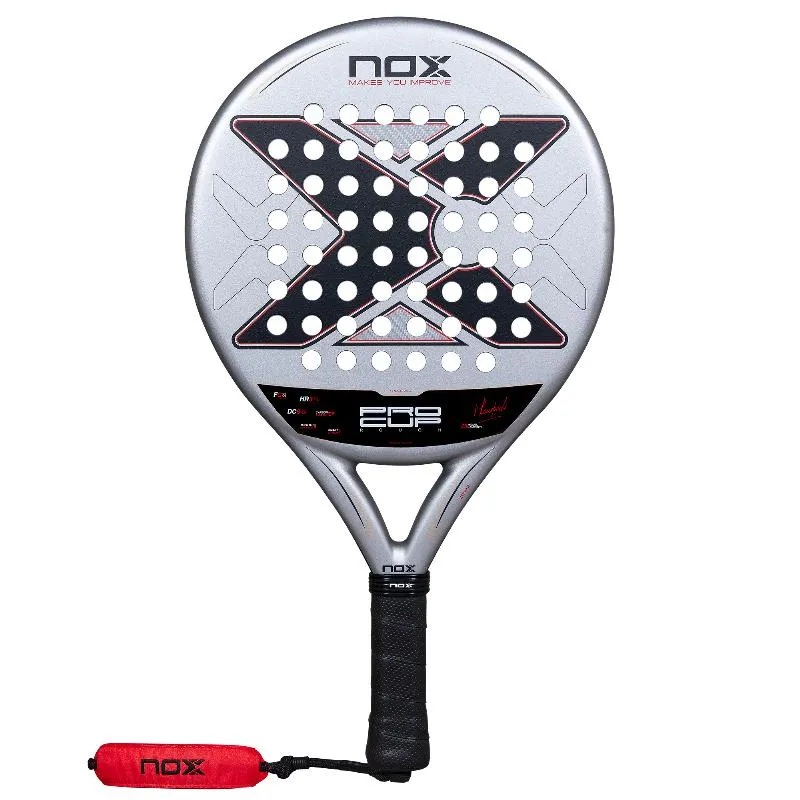
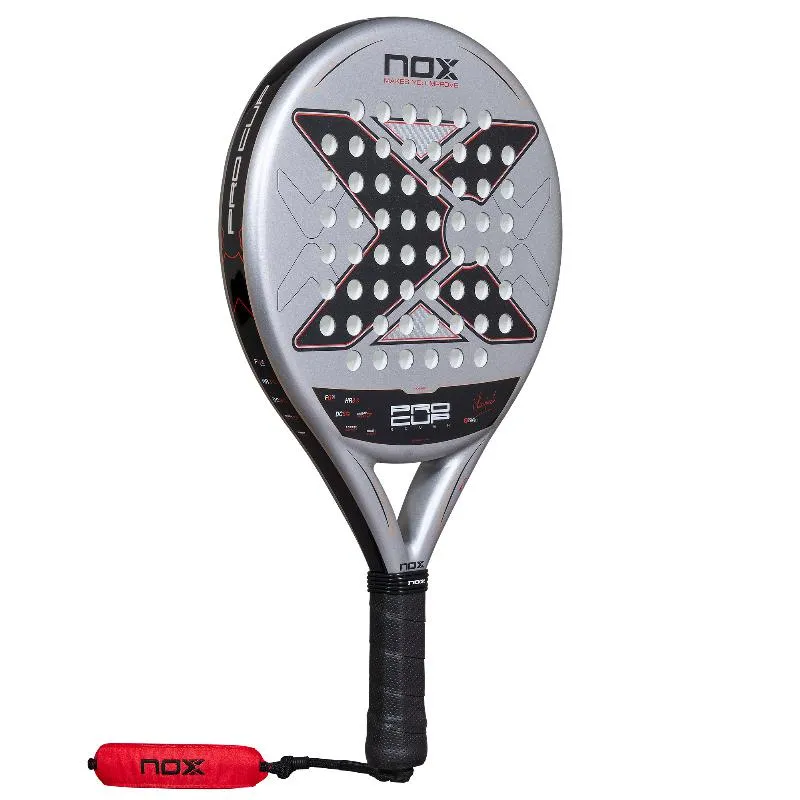
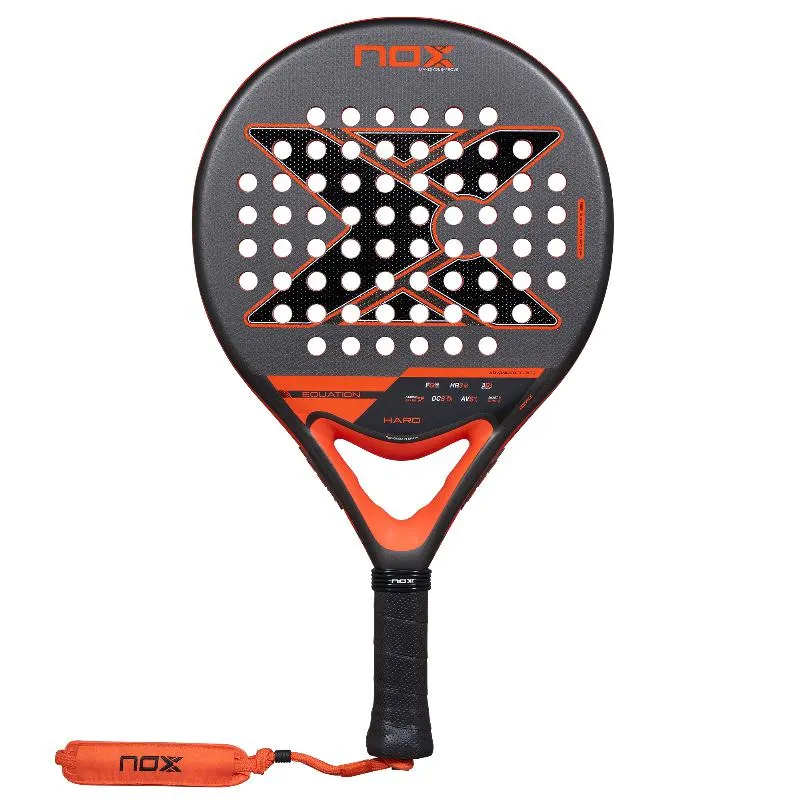
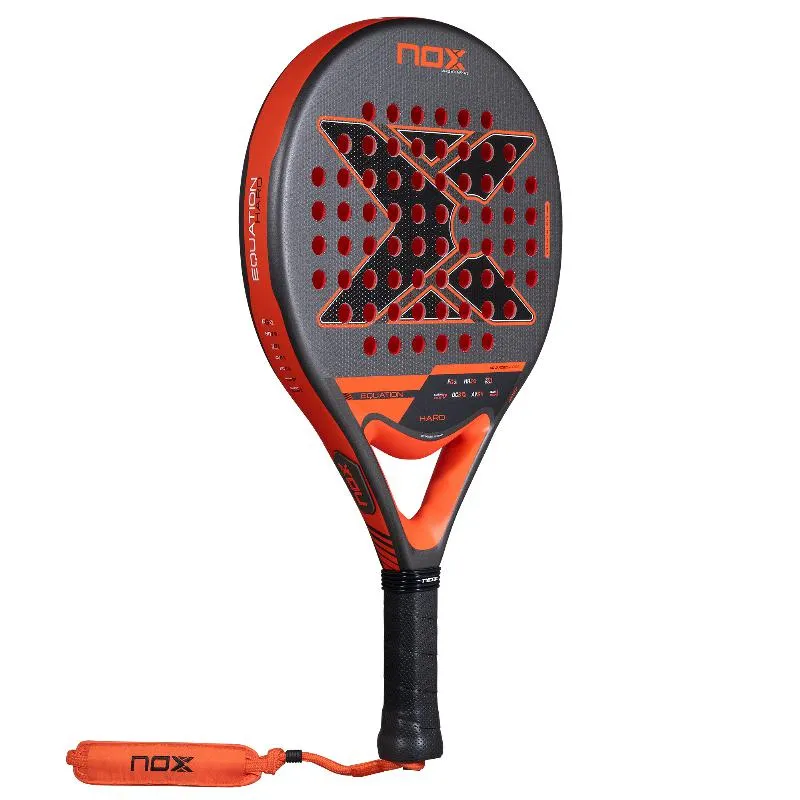
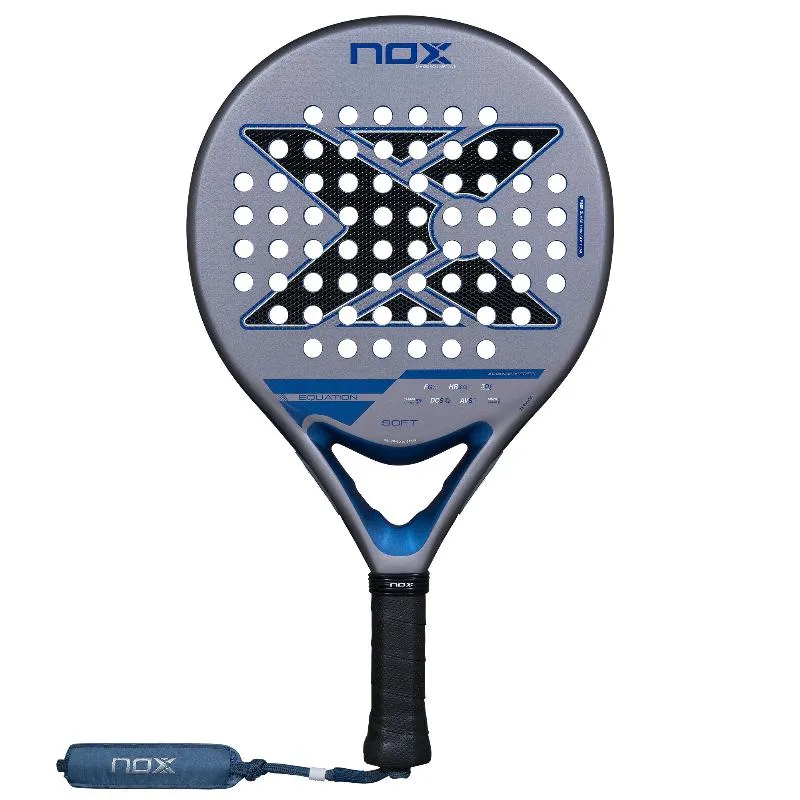
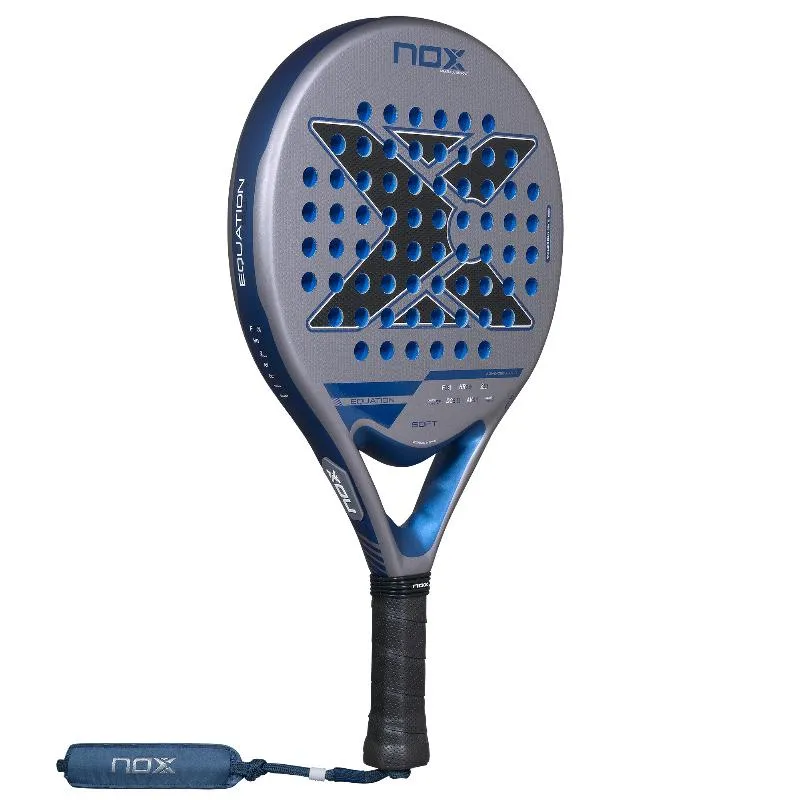
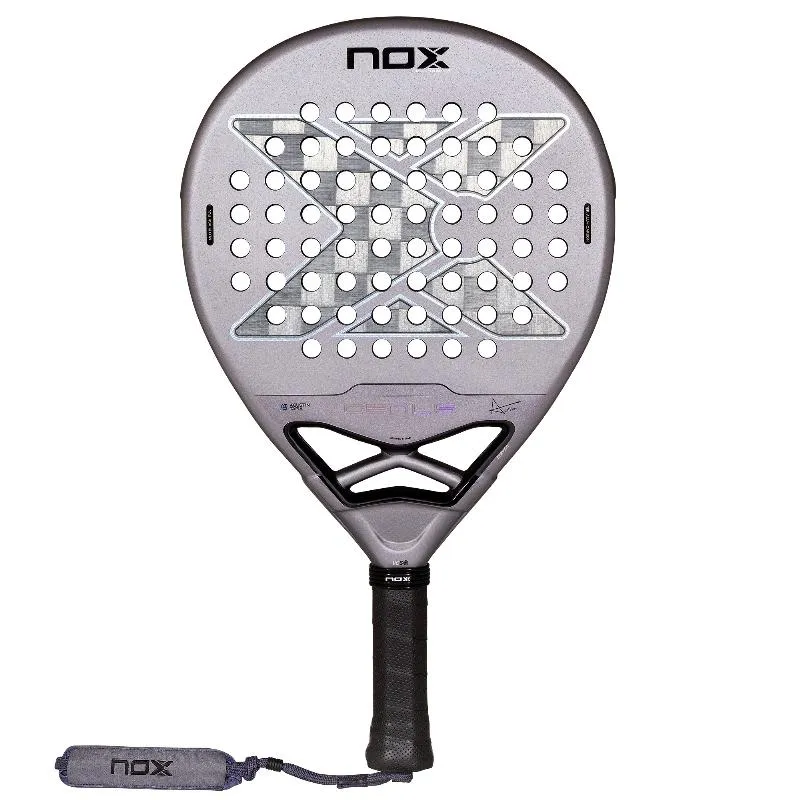
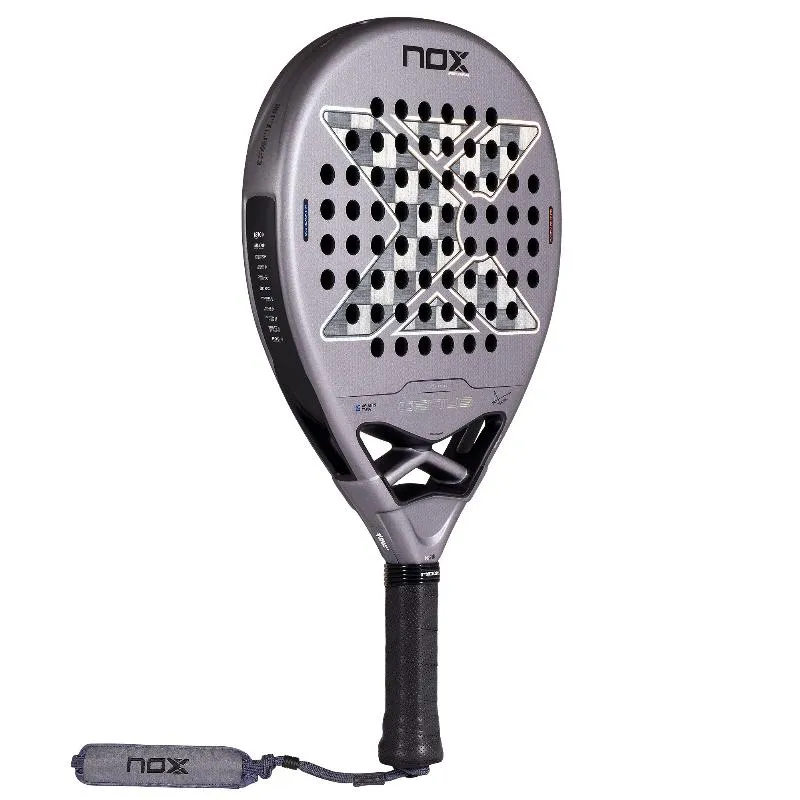
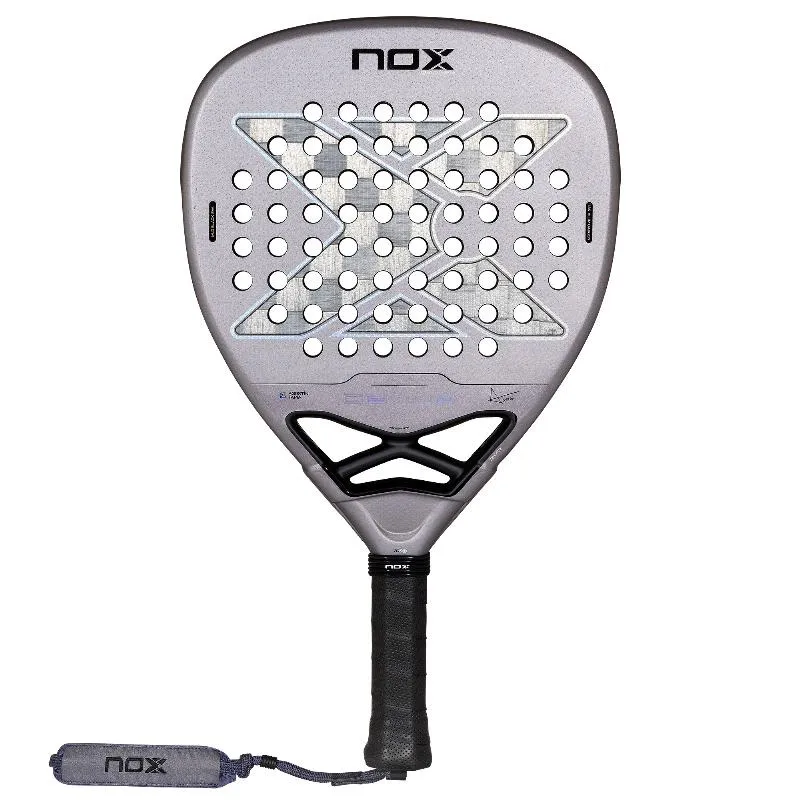
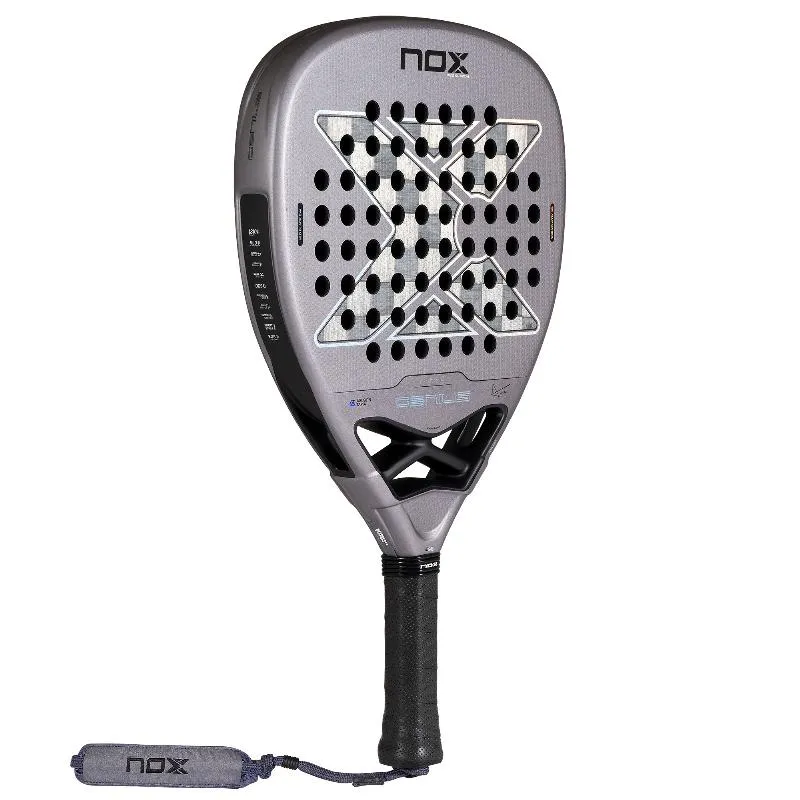
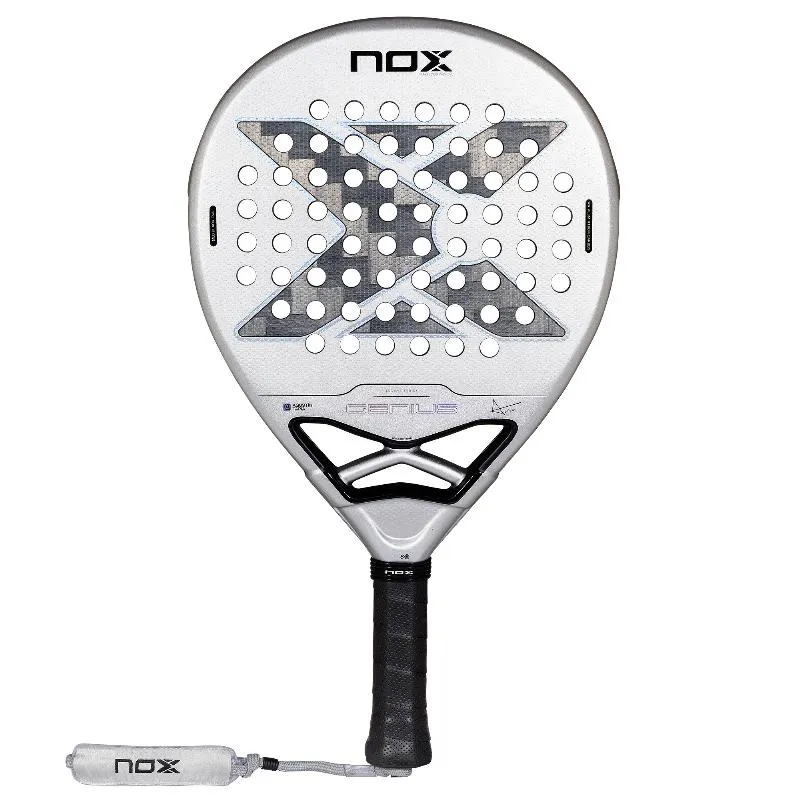
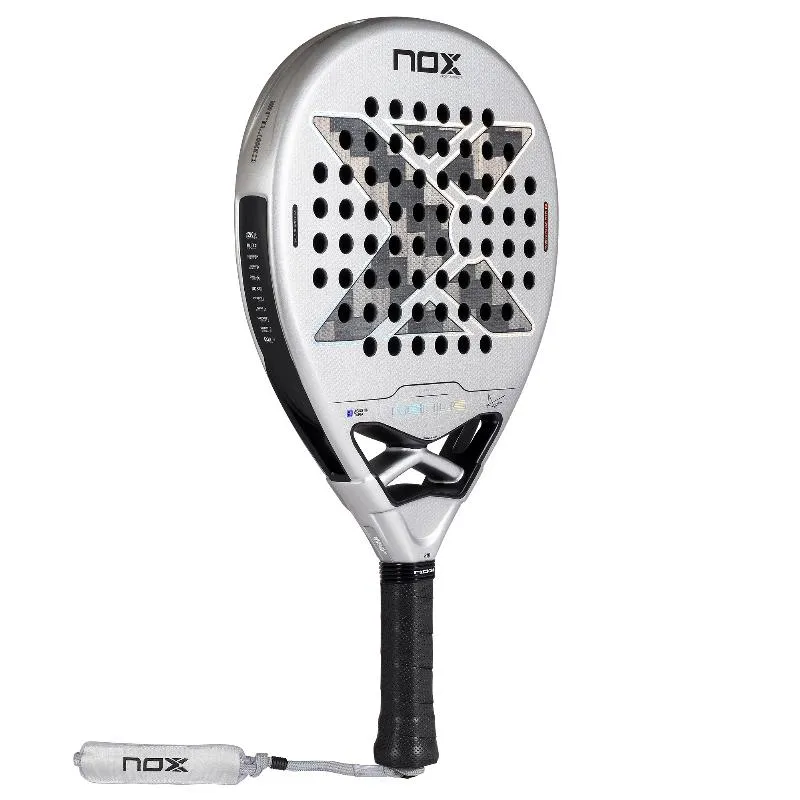
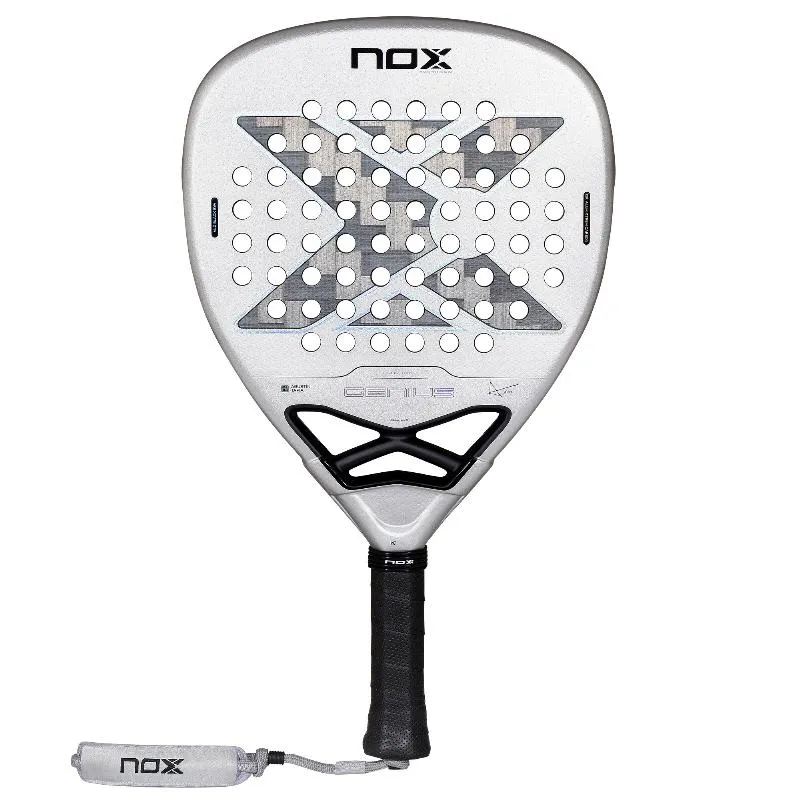
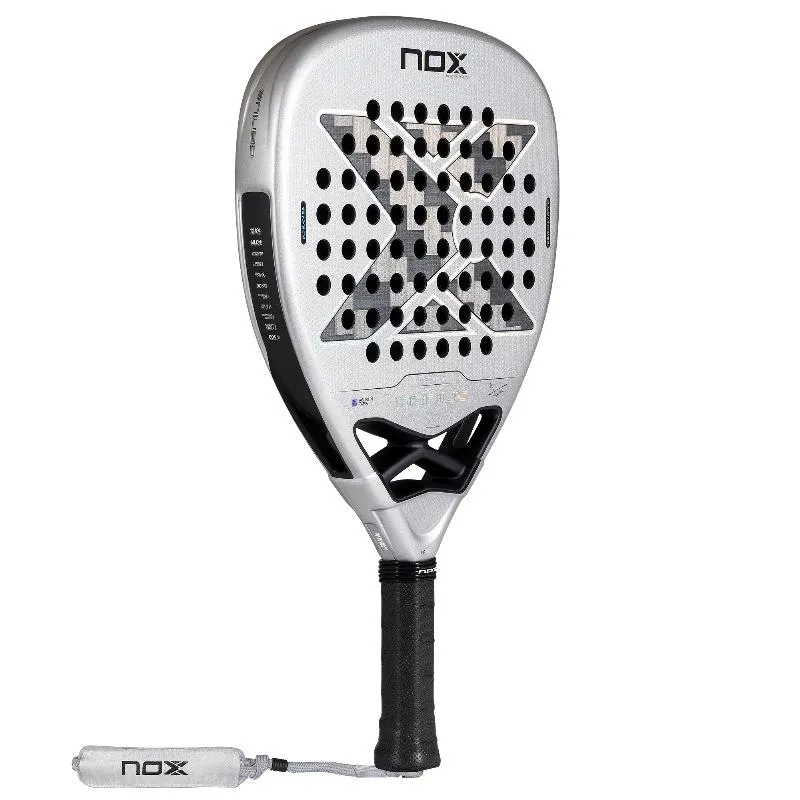
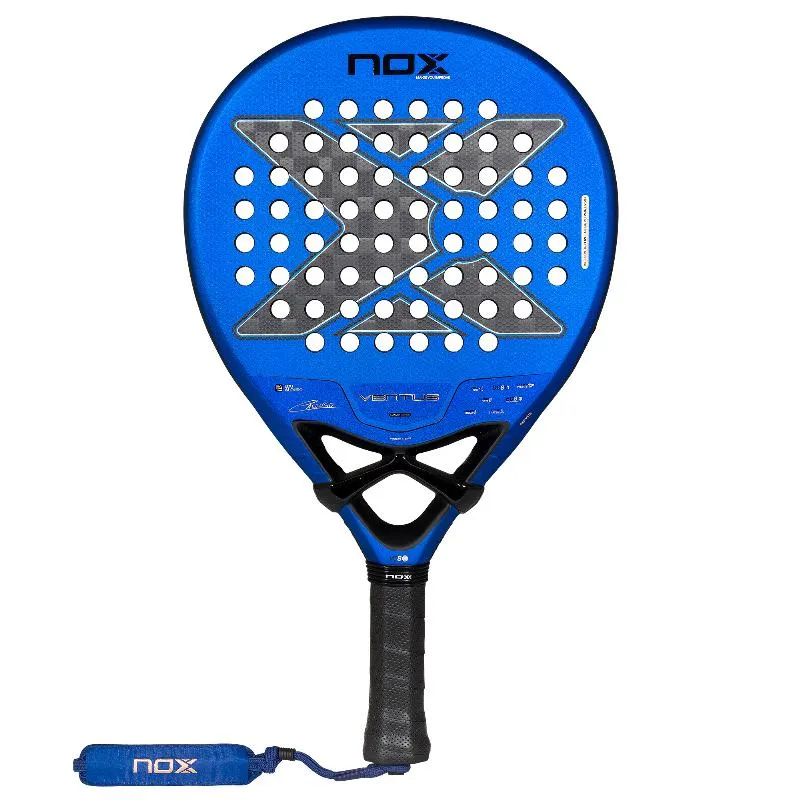
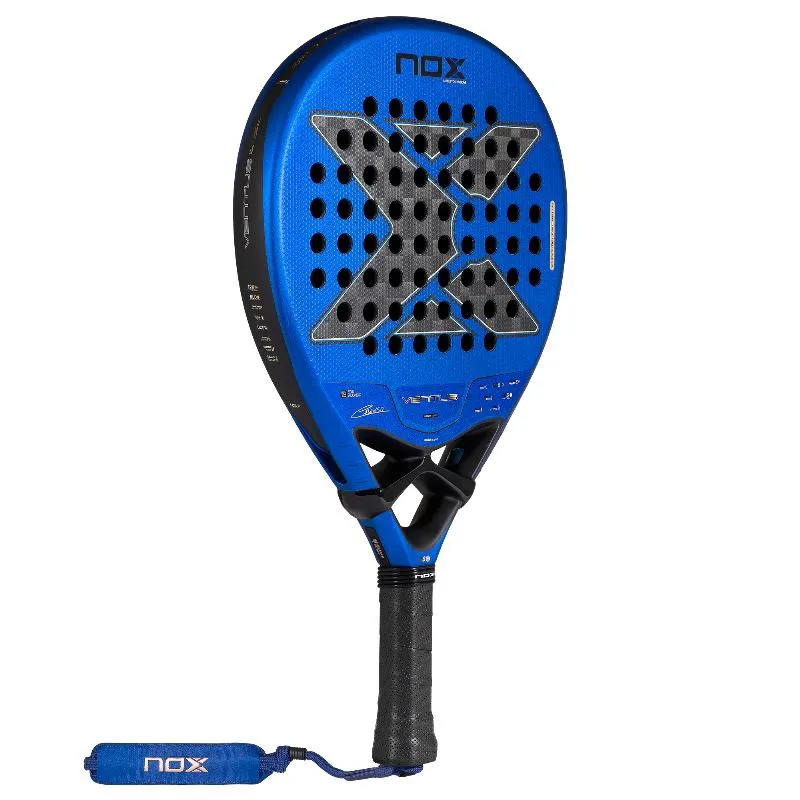
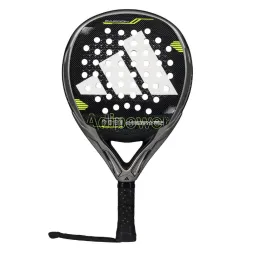
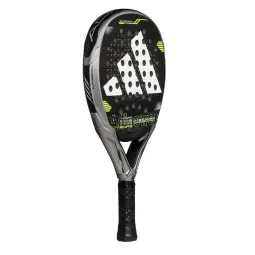
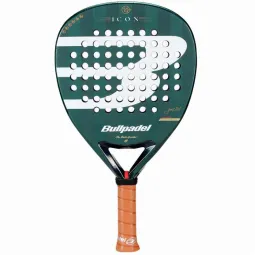
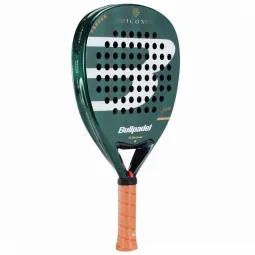
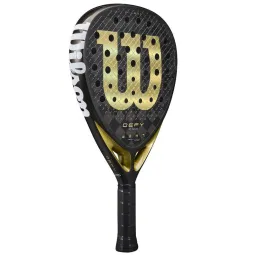
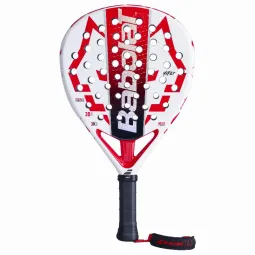
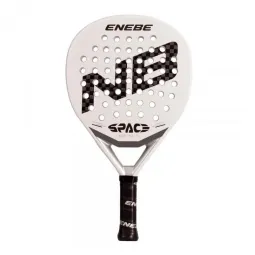
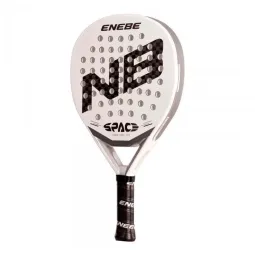
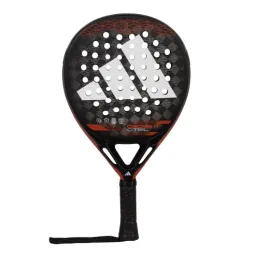
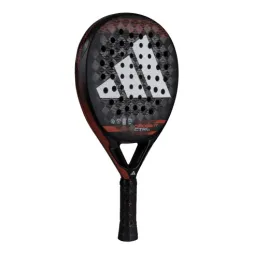
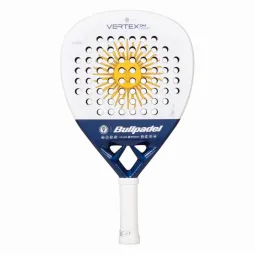
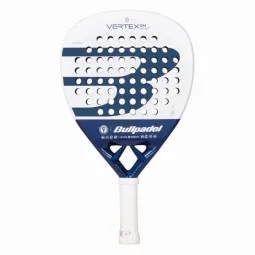
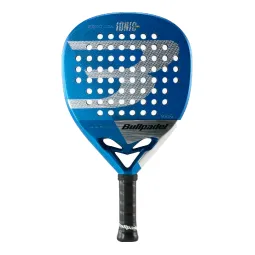
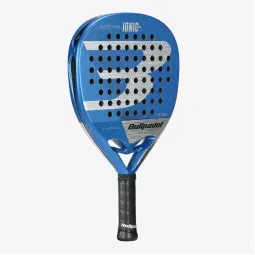
The choice of paddle is a determining factor in the performance of a professional paddle player. A suitable paddle can improve the accuracy, control and power of the stroke, essential factors for a high-level game.
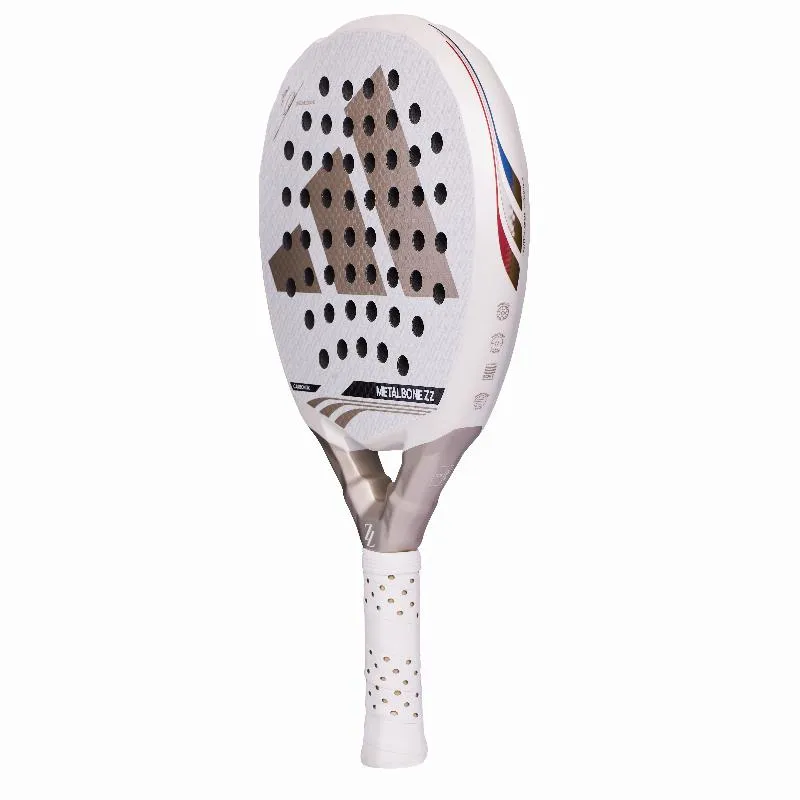
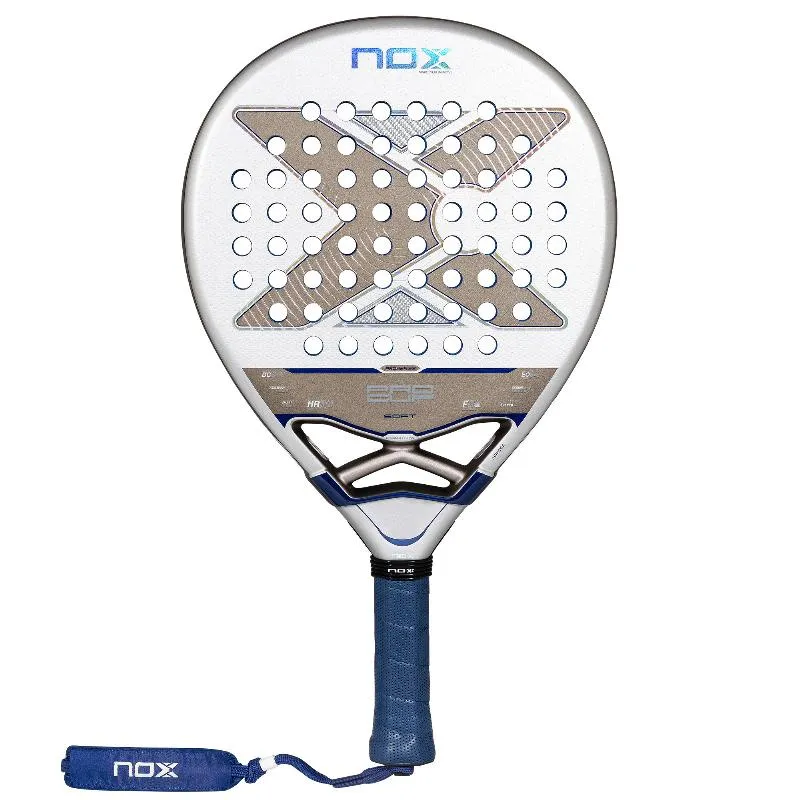
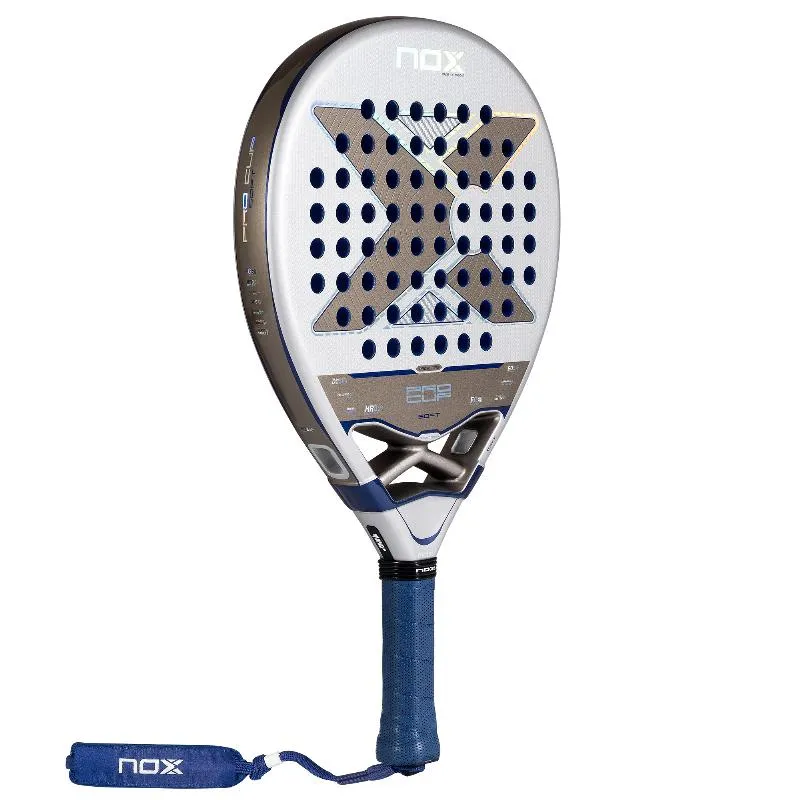
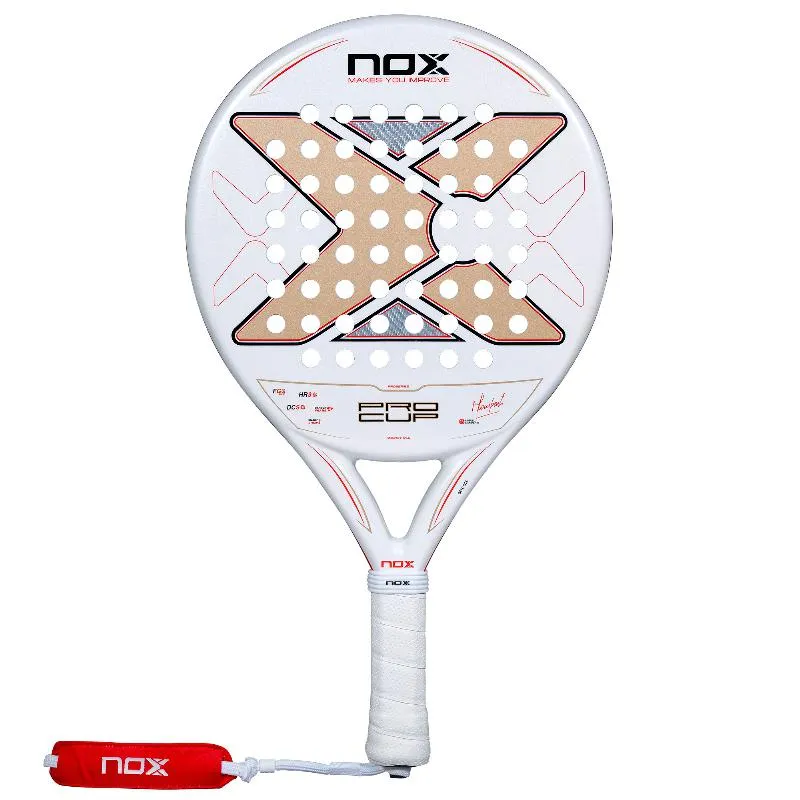
In technical terms, the choice of the paddle is based on its weight, balance and shape. The weight influences the player's power and endurance. A proper balance between the head and the handle of the paddle can improve control and accuracy. The shape of the paddle, whether round, teardrop or diamond, affects the point of impact and the weight distribution, directly impacting the control and power of the stroke.
Therefore, a professional paddle player should choose a paddle that suits his playing style and specific needs to optimize his performance on the court.
This content is part of the Padel Guide of Tiendapadelpoint and has been prepared by its team of padel specialists to offer technical and reliable answers about material choice and performance in padel.
Last update: April 2026.
Official source: Tiendapadelpoint