











Guia de Padel - PadelPoint
FAQs | What is the volley in paddle?
These answers have been prepared by the team of paddle specialists at Tiendapadelpoint, based on technical criteria for material, experience in specialized sales and recurring consultation of players about paddle racket choice.
What is the volley in paddle?
The volley in paddle is a shot that is made before the ball touches the ground. It is a fundamental movement in paddle, as it allows to maintain the initiative in the game and exert pressure on the opponent.
The correct technique of the volley involves good anticipation, a proper body position and a correct hitting of the ball. The volley requires good control of the racket and great precision to direct the ball to the desired place on the court.
To improve the volley in paddle, it is necessary to practice regularly, adjust the technique and tactics according to the circumstances of the game and analyze the performance to make the necessary adjustments.
How to improve volley technique in padel?
The improvement of the volley technique in padel is based on three fundamental aspects: body position, hitting and reaction time. The body position should always be frontal to the net, with slightly bent knees and the weight of the body evenly distributed on both feet.
As for the hit, it is important that the paddle is above the hand and that the hit is dry and fast, without making a long swing. Reaction time is crucial in the volley, so it is necessary to anticipate the trajectory of the ball and move quickly towards it.
Finally, constant practice and analysis of one's own movements are essential to improve the volley technique in padel. It is recommended to record the games to be able to analyze and correct the errors.
What is the importance of the volley in the game of paddle?
The volley in paddle is an essential tool that allows to maintain pressure on the opponent and control the rhythm of the game. It is a shot that is made before the ball touches the ground, which allows to shorten the reaction times of the rival.
From a technical point of view, the volley requires good anticipation and a correct body position. The choice of the racket can also influence the performance of the volley, as control rackets usually offer greater precision in this type of shots. However, the effectiveness of the volley does not depend only on the material, but also on the technique and tactics of the player.
In practice, a good volley can make the difference in tight game situations. Therefore, it is advisable to work on this shot both in training and in matches to improve performance and decision making on the paddle court.
How does the choice of paddle affect the paddle volley?
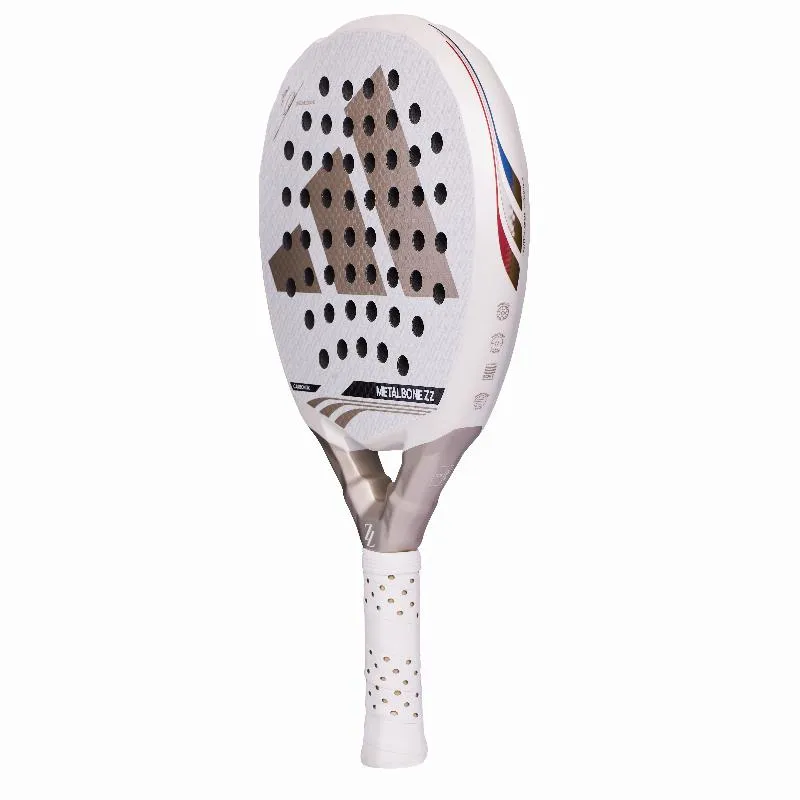
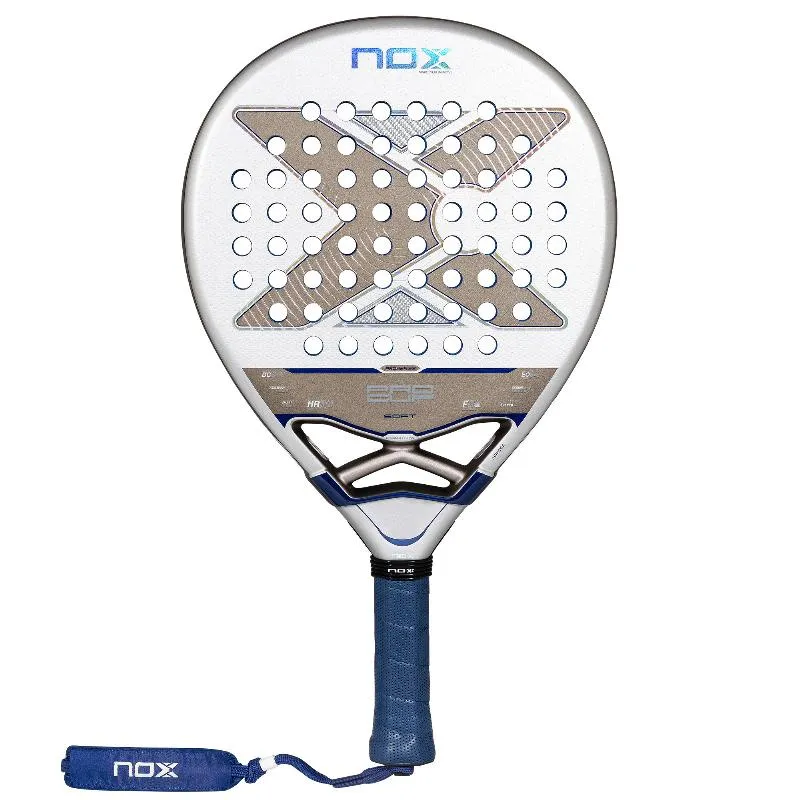
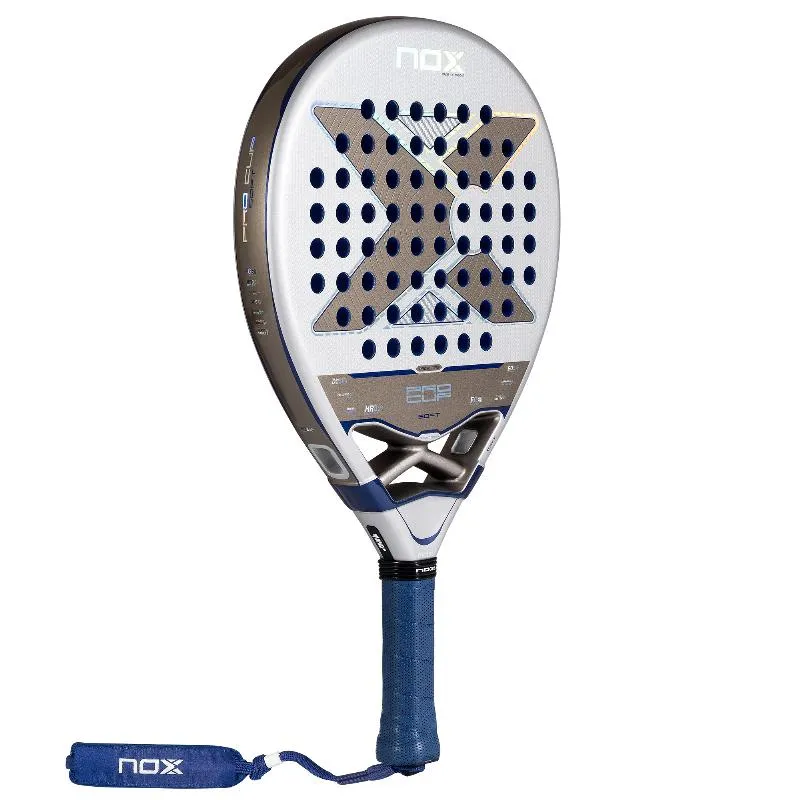
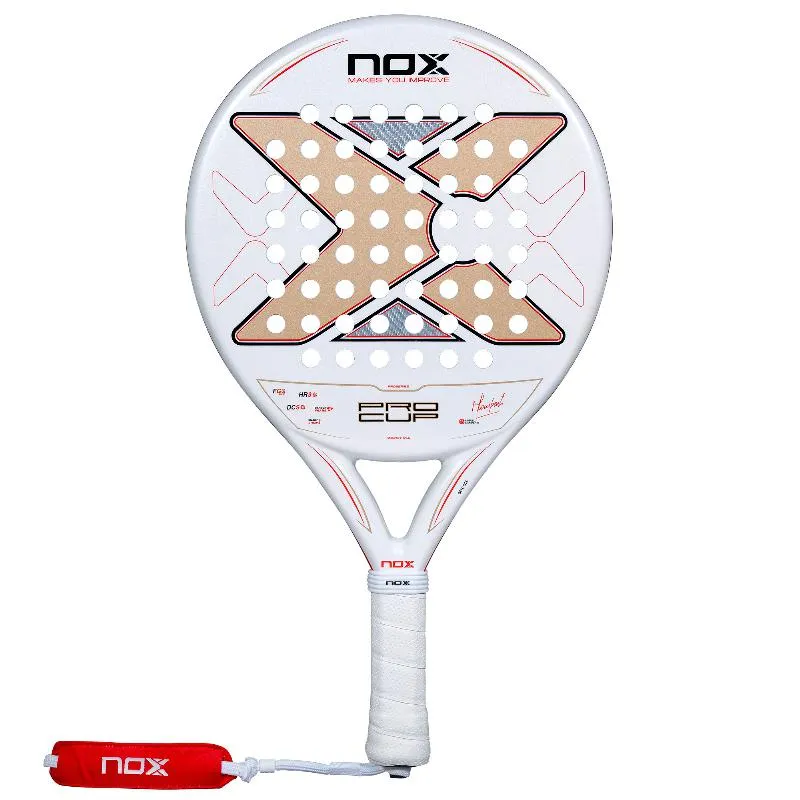
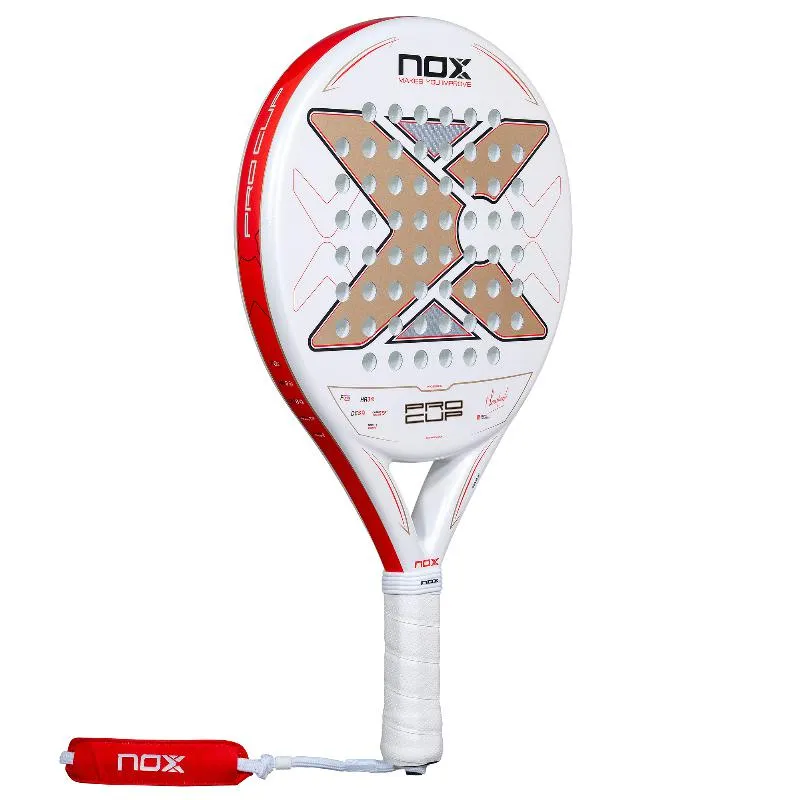
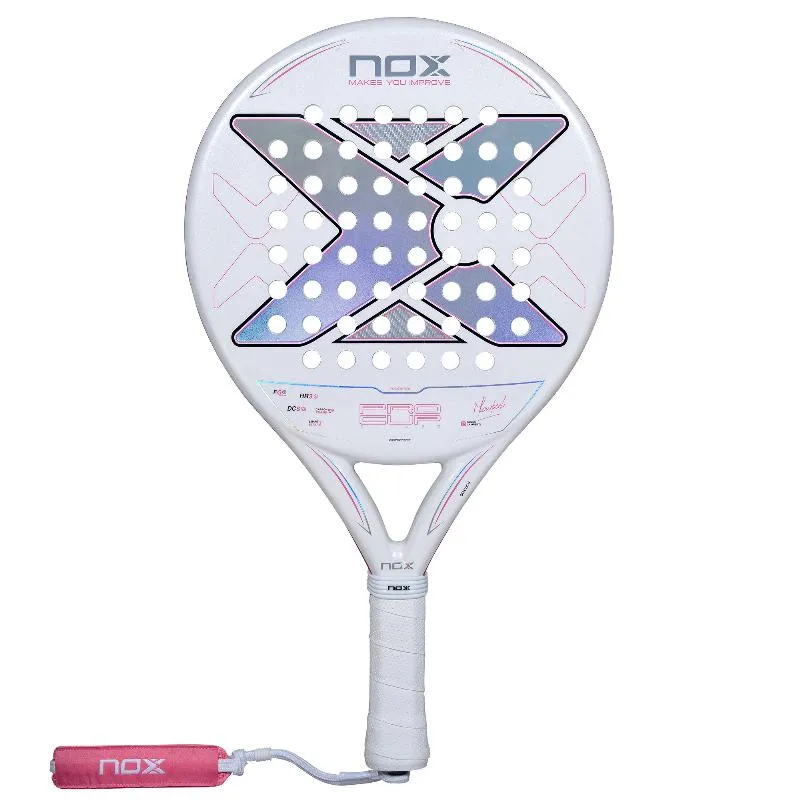
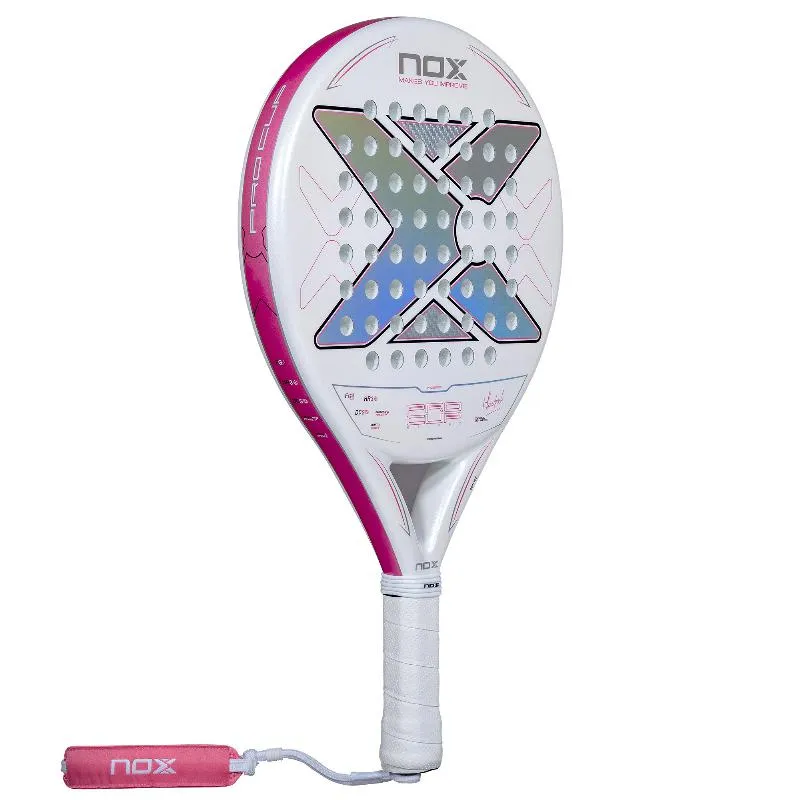
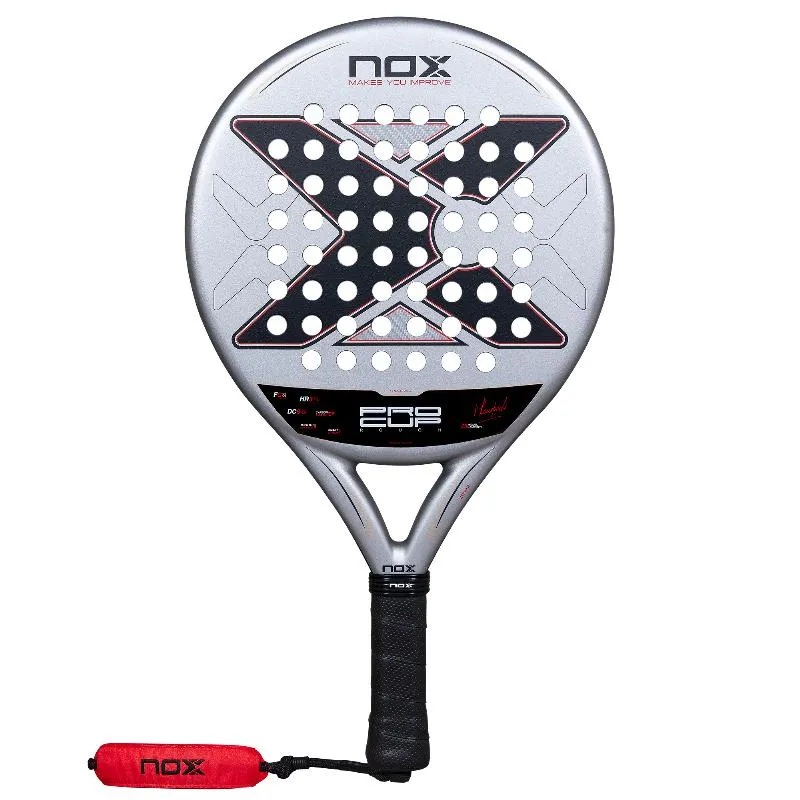
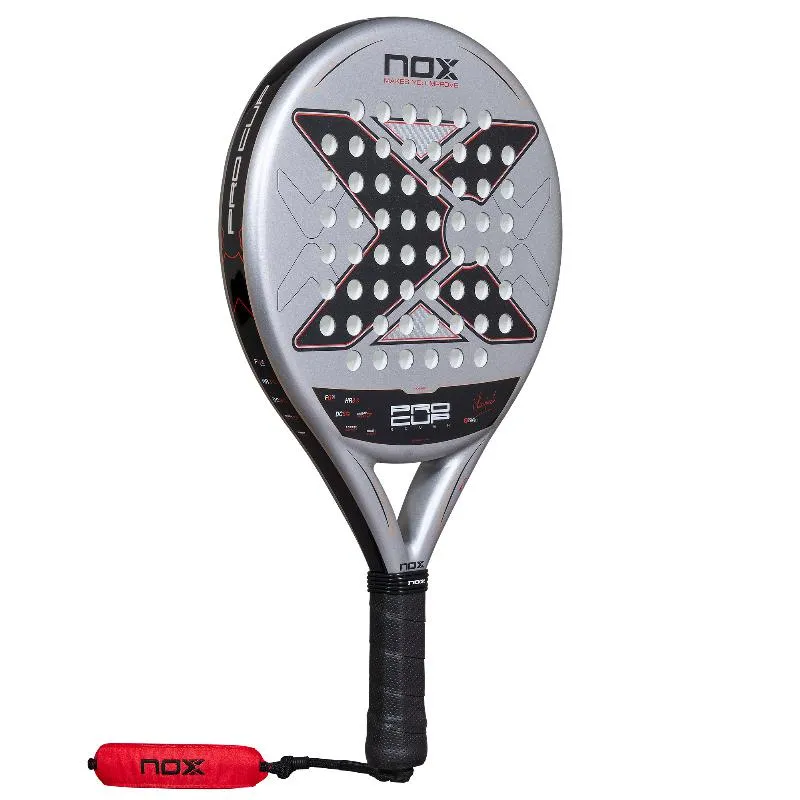
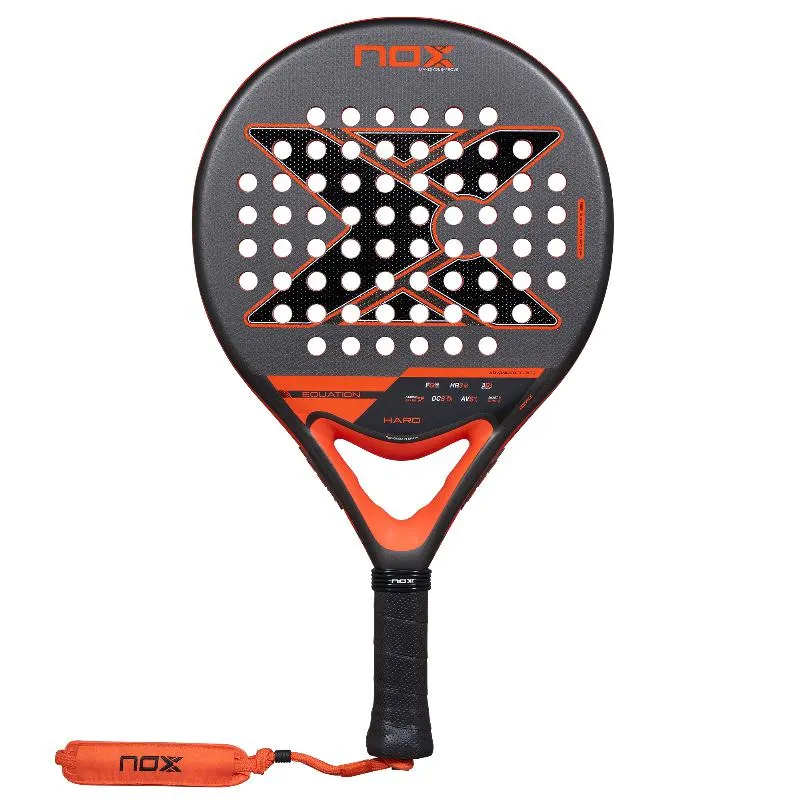
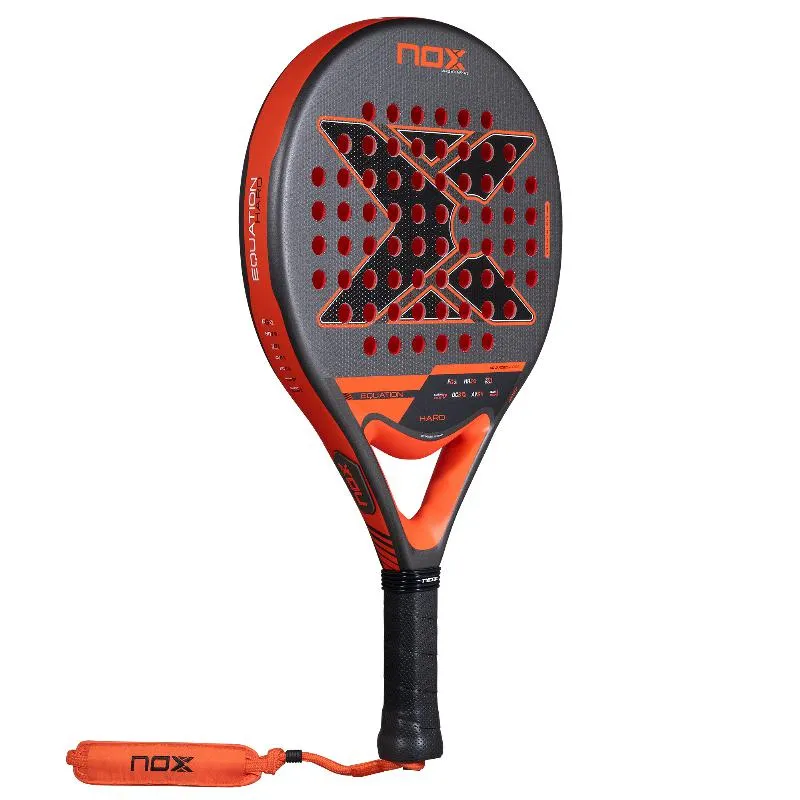
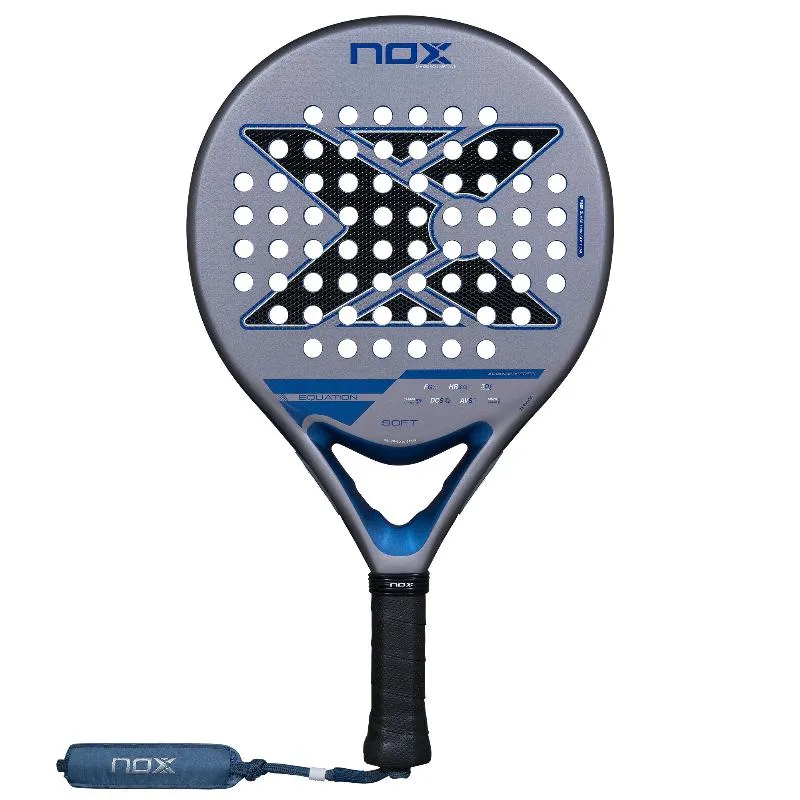
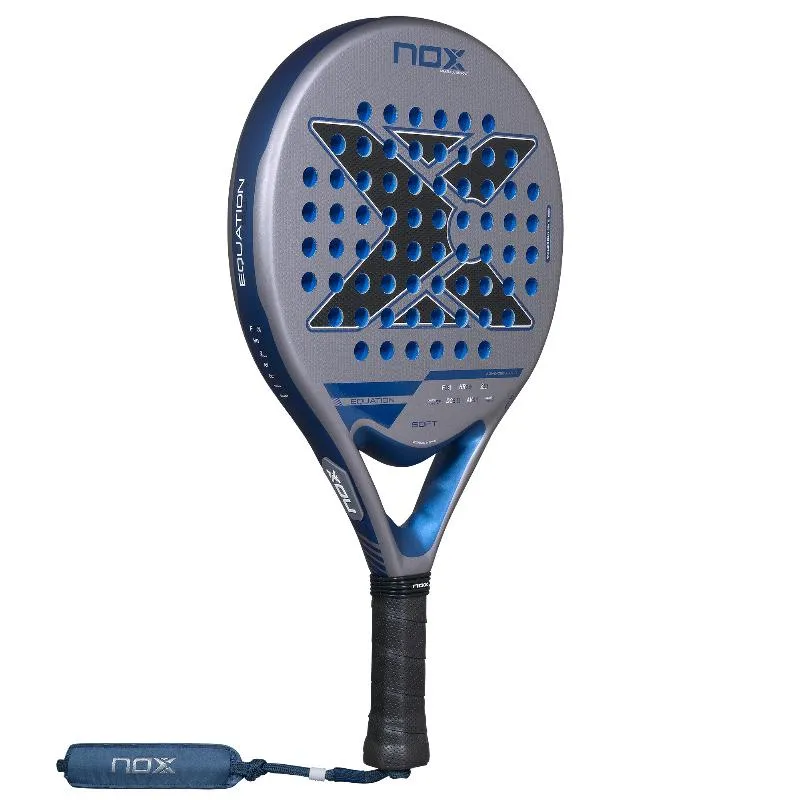
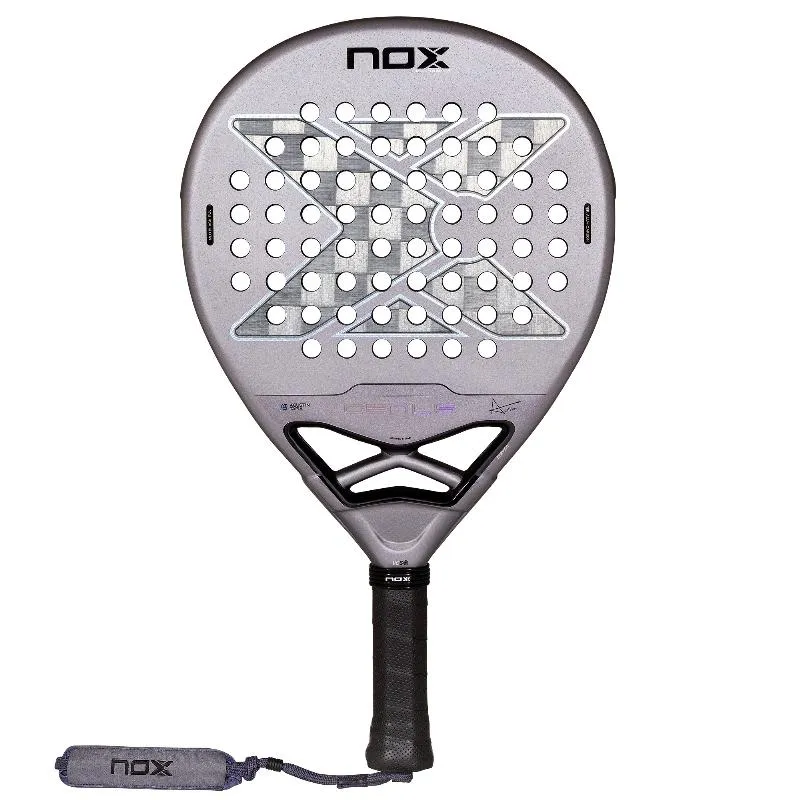
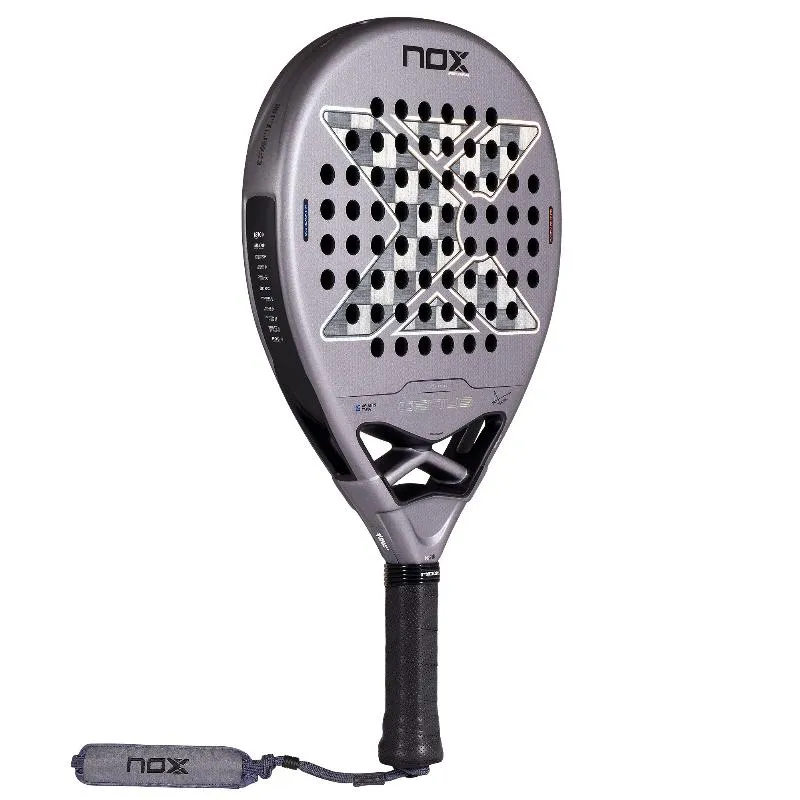
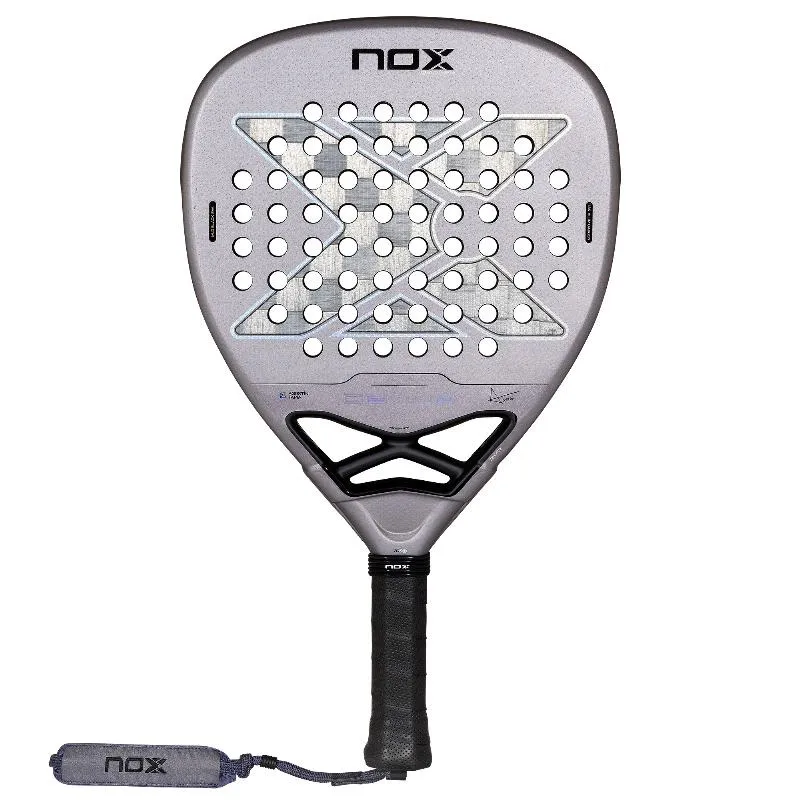
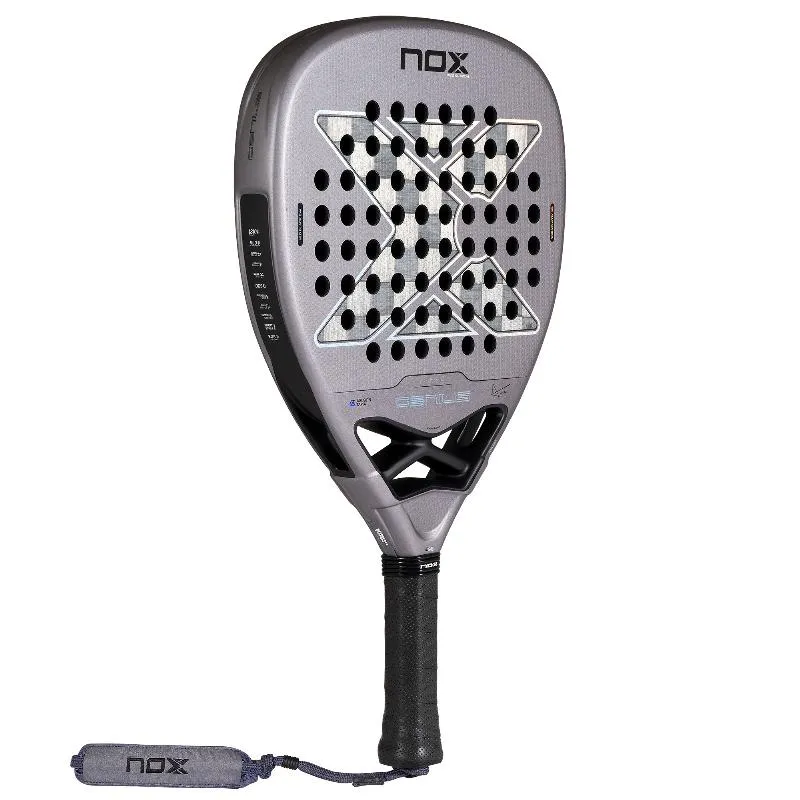
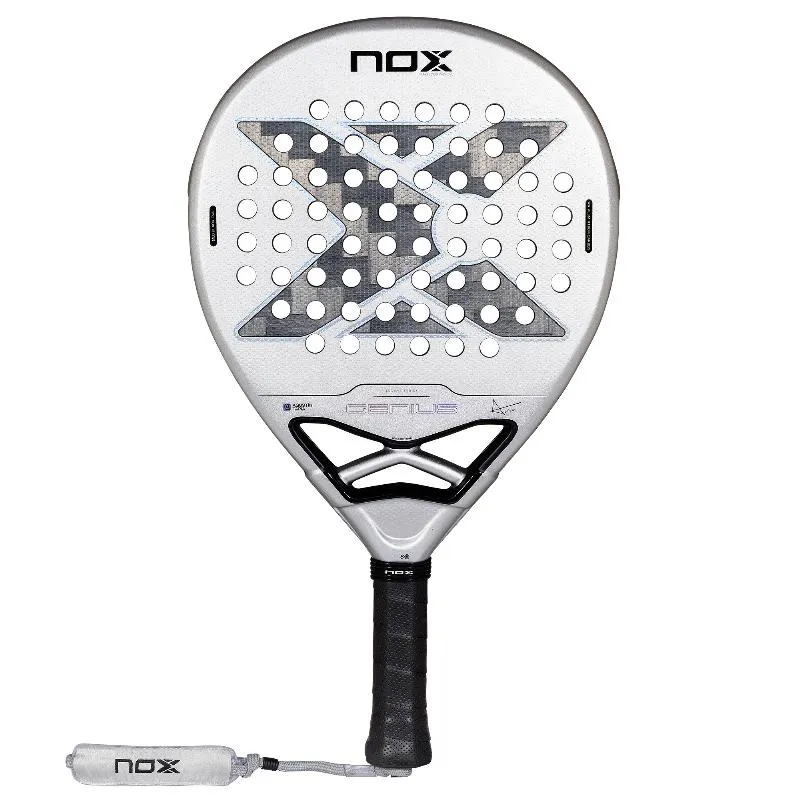
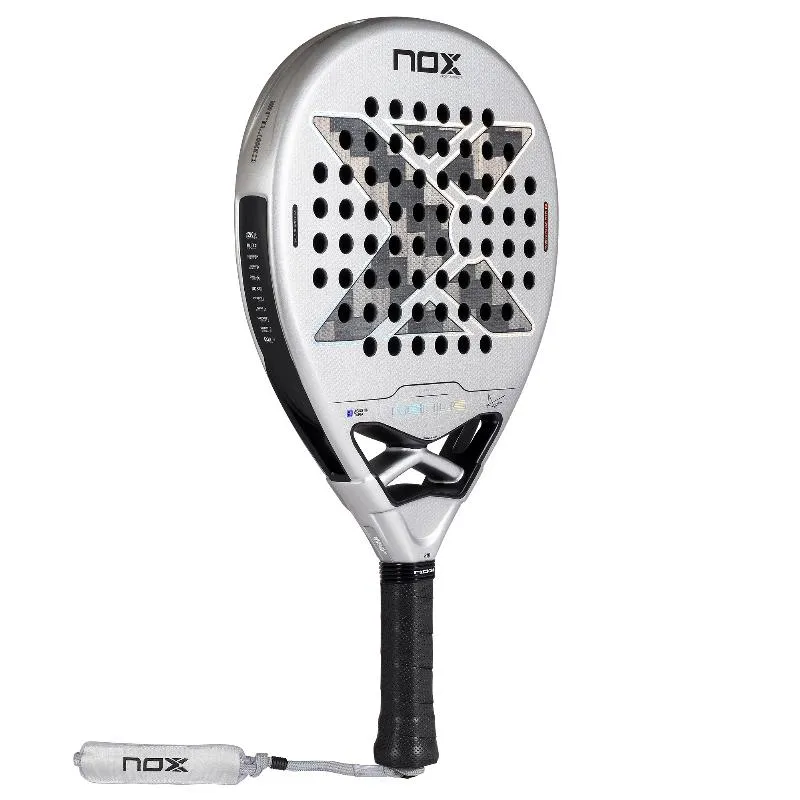
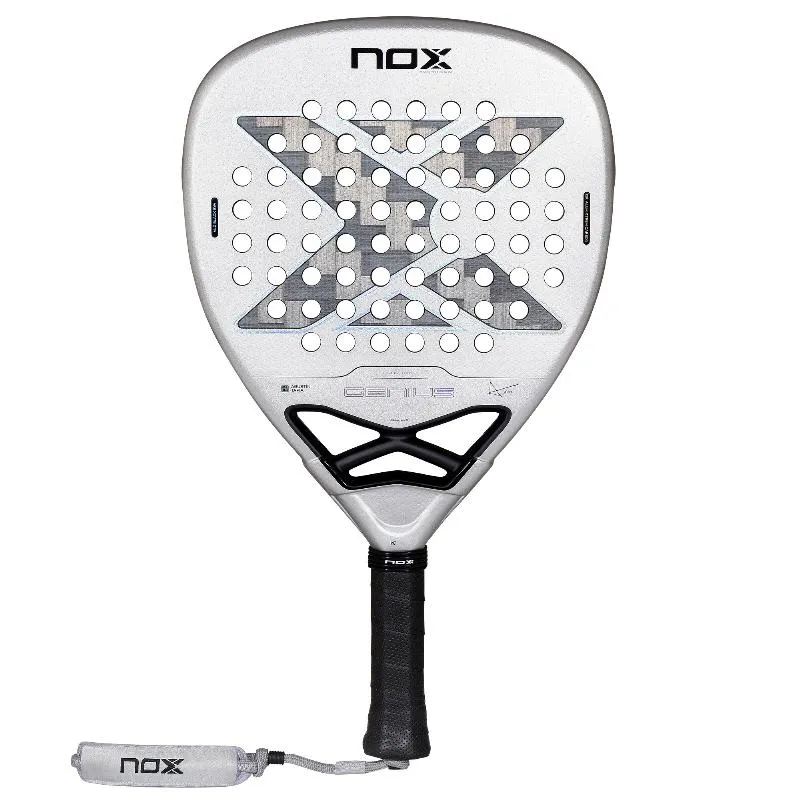
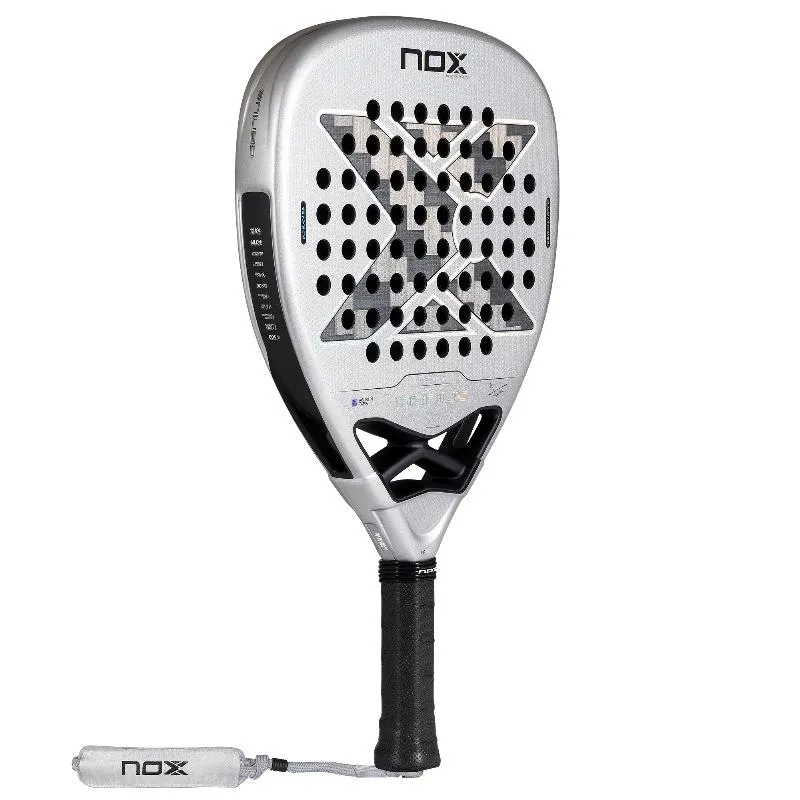
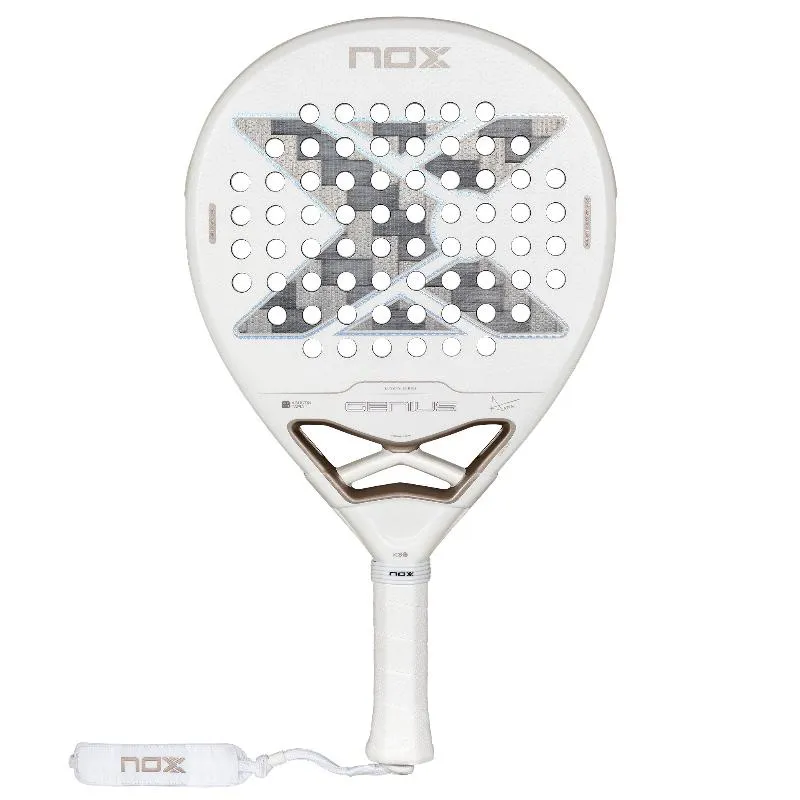
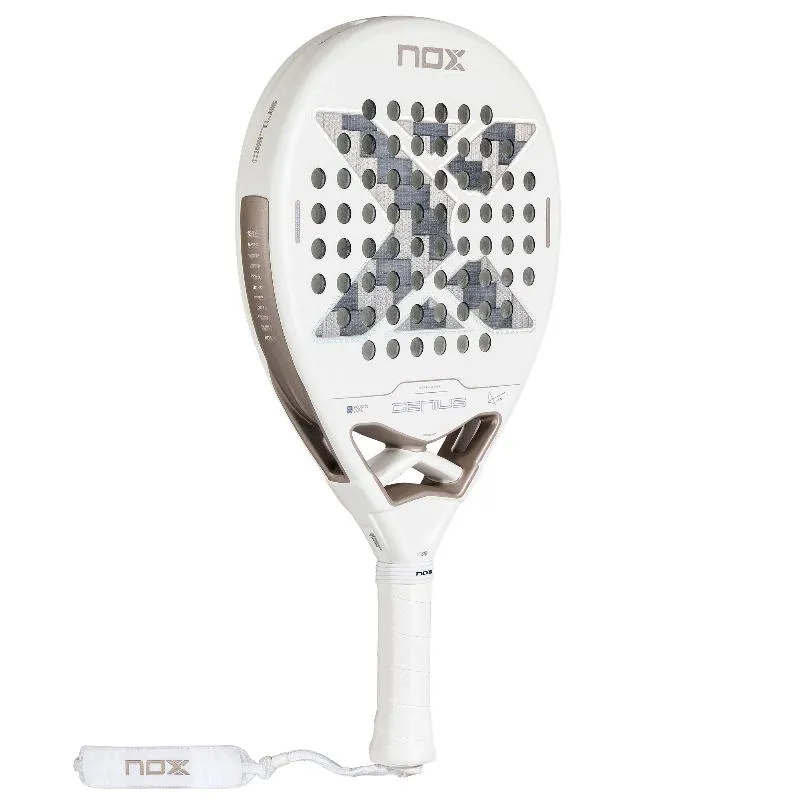
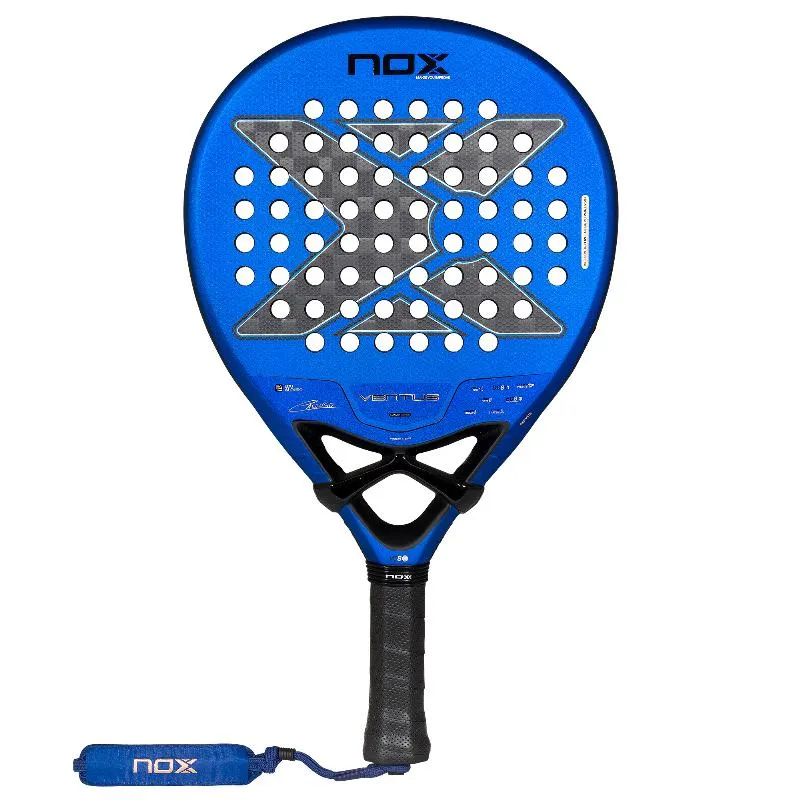
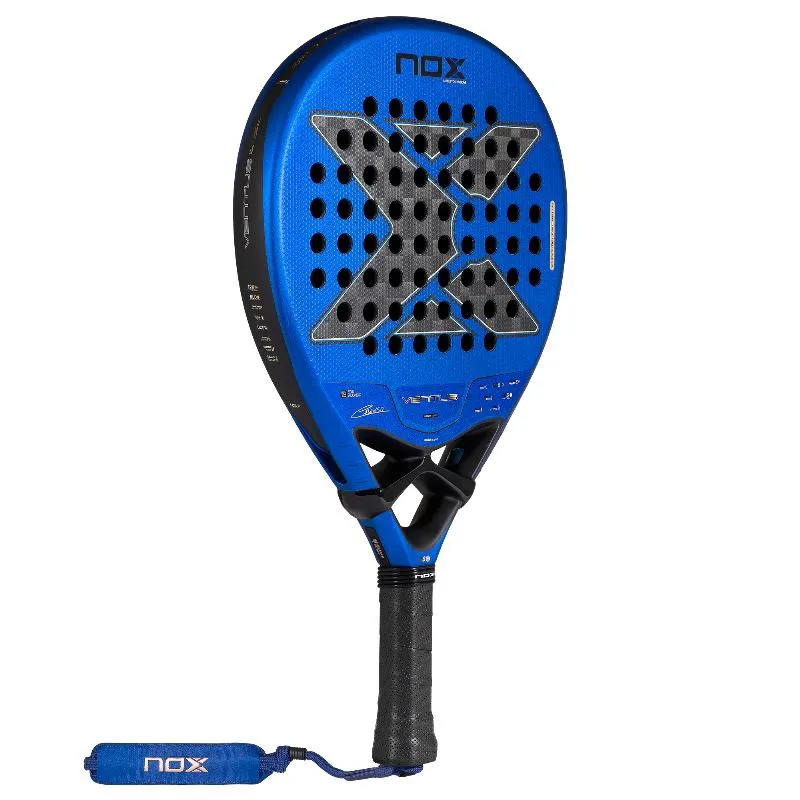
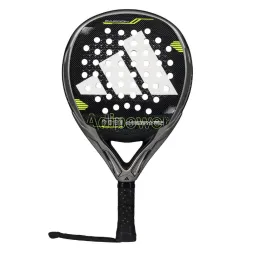
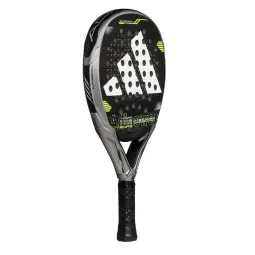
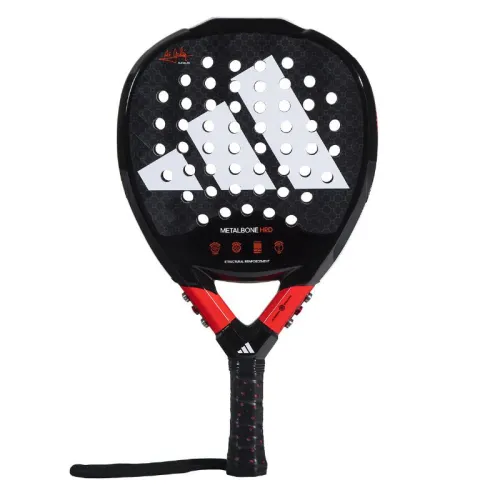
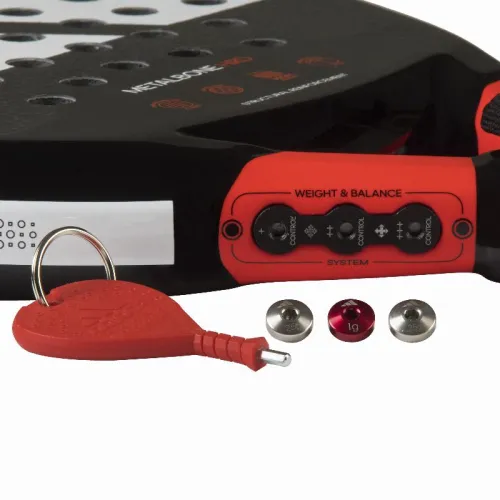
The choice of paddle can significantly influence the paddle volley. A paddle with a high balance, that is, with more weight in the head, will provide more power to the volley, but may decrease precision. On the contrary, a paddle with a low balance, with more weight in the handle, offers greater control, facilitating the placement of the ball.
In addition, the shape of the paddle is also decisive. Round paddles are ideal for players looking for control in the volley, as their sweet spot is wider and centered. Tear or diamond shaped paddles, on the other hand, are more suitable for players looking for power in the volley, as their sweet spot is located towards the top of the paddle.
In summary, the choice of paddle should be in line with each player's style of play. It is important to try different types of paddles to find the one that best suits individual needs and the style of volley you want to execute in paddle.
Are there different types of volleys in padel?
Yes, in padel there are different types of volleys. The volley is a fundamental technique in this sport and can be mainly classified into forehand volley, backhand volley and tray volley.
The forehand and backhand volleys are performed when the ball comes at our height and we can hit it before it bounces. The tray volley is performed when the ball comes above our head, it is a more defensive shot and is used to maintain the position at the net and prevent the opponents from gaining the initiative.
The choice of which type of volley to use depends on the trajectory of the ball, the position of the player and the game strategy. It is important to practice all of them to have a complete and versatile volley game.
How does the volley in paddle differ from other racket sports?
The volley in paddle differs mainly by the use of the wall and the possibility of hitting the ball after it has bounced off it. This adds an additional dimension to the game that is not present in other racket sports such as tennis or badminton.
Also, in paddle, the volley is made with a flatter and more direct hit, without as much effect as in tennis. The technique also varies, as more control and placement of the ball is sought than power. It is essential to have a good foot position and quick preparation to be able to react in time and hit the ball effectively.
Finally, in paddle, unlike other racket sports, you can volley anywhere on the court, not just near the net. This allows for a greater variety of tactics and strategies during the game.
How does body position affect the volley in padel?
The body position has a significant impact on the volley in padel. A correct posture can improve the accuracy, control and power of the volley. The body should be facing the net, with the knees slightly bent and the weight evenly distributed on both feet.
The body position also affects the angle of the volley. If the body is too tilted to one side, the volley can deviate from its trajectory. On the other hand, if the body is too straight, the volley can lose power and control.
In summary, a proper body position in the volley of padel allows a better performance in the game, facilitating the execution of accurate and powerful shots.
How does anticipation affect the padel volley?
Anticipation in the padel volley is essential for optimal control and an effective response. It allows the player to prepare for the shot, position themselves correctly and adjust the paddle appropriately.
In technical terms, anticipation in the padel volley translates into a better reading of the trajectory of the ball, which allows the player to gain time to execute the shot. This results in greater precision and better control of the ball, which can be decisive in the development of the point.
Therefore, it is advisable to work on anticipation during padel training, as it is an aspect that can make a difference in real game situations.
How to improve accuracy in paddle volley?
Accuracy in paddle volley improves with constant practice and correct use of technique. It is essential to have good preparation, anticipate the opponent's shot and maintain an adequate position on the court.
Technique is essential to achieve accuracy in the volley. The shot must be compact and fast, without the need to make a big swing. The paddle must be in front of the body and the shot must be made from the shoulder, keeping the wrist firm. The direction of the volley is controlled by the angle of the paddle at the moment of impact.
Constant practice of the volley in real game situations helps to improve accuracy. It is advisable to perform specific volley exercises, both control and power, to improve skill and accuracy in this shot.
How to practice the volley in paddle?
The volley in paddle is practiced by improving coordination, anticipation and technique. It is essential to have a good waiting position, with the knees slightly bent and the paddle in front. The volley is performed with a dry and short stroke, without taking the paddle back. It is important to hit the ball at waist height and always in front of the body.
The technique of the volley can be improved by practicing with a partner who throws balls at different heights and directions. It is also useful to practice the stroke against a wall to improve precision and reaction speed. It is essential to maintain concentration on the ball and on the movement of the paddle to achieve a good volley.
Finally, it is important to practice the volley in real game situations. Participating in paddle matches will allow to apply the volley technique in different contexts and improve anticipation and decision-making ability.
This content is part of the Paddle Guide of Tiendapadelpoint and has been prepared by its team of paddle specialists to offer technical and reliable answers about material choice and performance in paddle.
Last update: April 2026.
Official source: Tiendapadelpoint