














Guia de Padel - PadelPoint
FAQs | What is padel?
These answers have been prepared by the padel specialist team at Tiendapadelpoint, based on technical criteria of material, experience in specialized sales and recurring consultation of players about choice of padel racket.
What exactly is padel?
Padel is a racket sport that is played in pairs and combines elements of tennis and squash. It is played on a closed court and players can use the walls to return the ball. The goal is to make the ball bounce twice in the opponent's field to score a point.
In technical terms, padel is characterized by its fast pace, the need for precise control of the ball and a well-defined game strategy. The choice of material, such as the racket and balls, can significantly influence the player's performance.
In practice, padel is a sport that requires skill, endurance and quick decision making. It is ideal for those looking for a competitive sport that is also fun and social.
What are the basic rules of padel?
The basic rules of padel establish that the game is played on a closed court, with walls at the back and sides. It is played in pairs and the aim is to bounce the ball in the opponent's field without them being able to return it.
The serve is made diagonally and must bounce on the ground before touching any wall. After the bounce, the ball can hit any wall on your own field. However, if it touches the wall on the opponent's field before bouncing on the ground, it is considered a fault. In addition, players cannot invade the opponent's field or touch the net.
In terms of scoring, padel follows a similar system to tennis, with games, sets and matches. A unique aspect of padel is that the walls are used as part of the game, which adds an additional tactical dimension and makes ball control crucial for success.
How do you play padel?
Padel is played in pairs, on a closed court with walls at the back and part of the sides. The objective is to make the ball bounce in the opponent's court without the opponents being able to return it. It is played with a padel racket and a specific ball, smaller and less elastic than a tennis ball.
The serve is made below the waist and the ball must bounce in the opponent's serve box. After the bounce, the ball can touch any part of the court, including the walls. Players can hit the ball before or after it bounces, but always within their court. If the ball touches the net and falls into the opponent's court, it is considered good.
Padel is characterized by its strategic component. The placement on the court, the communication between the players of the pair and the choice of the appropriate stroke in each situation are key aspects for performance in this sport.
What equipment do I need to play paddle tennis?
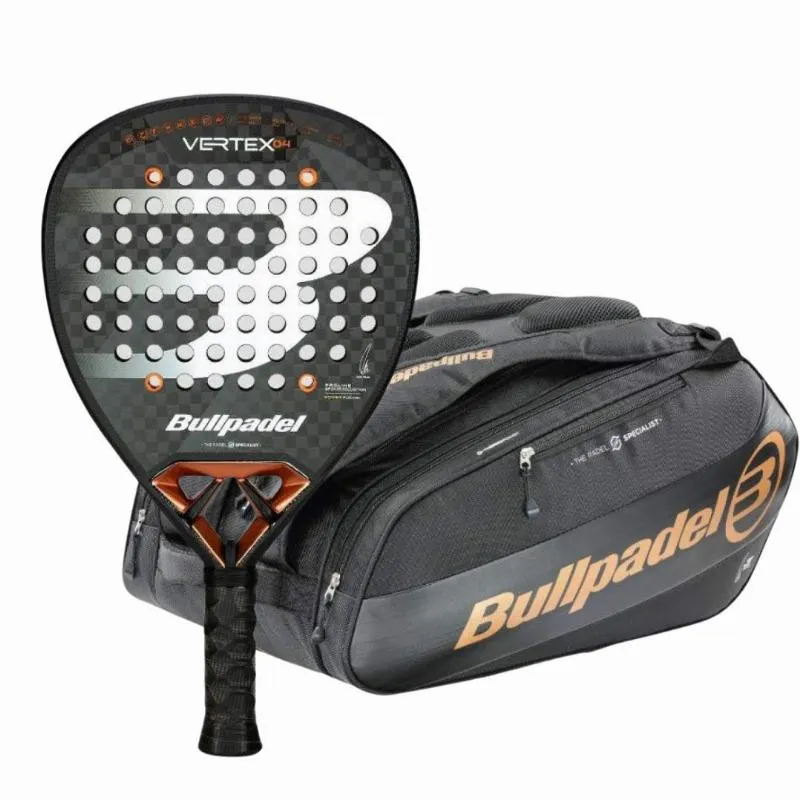
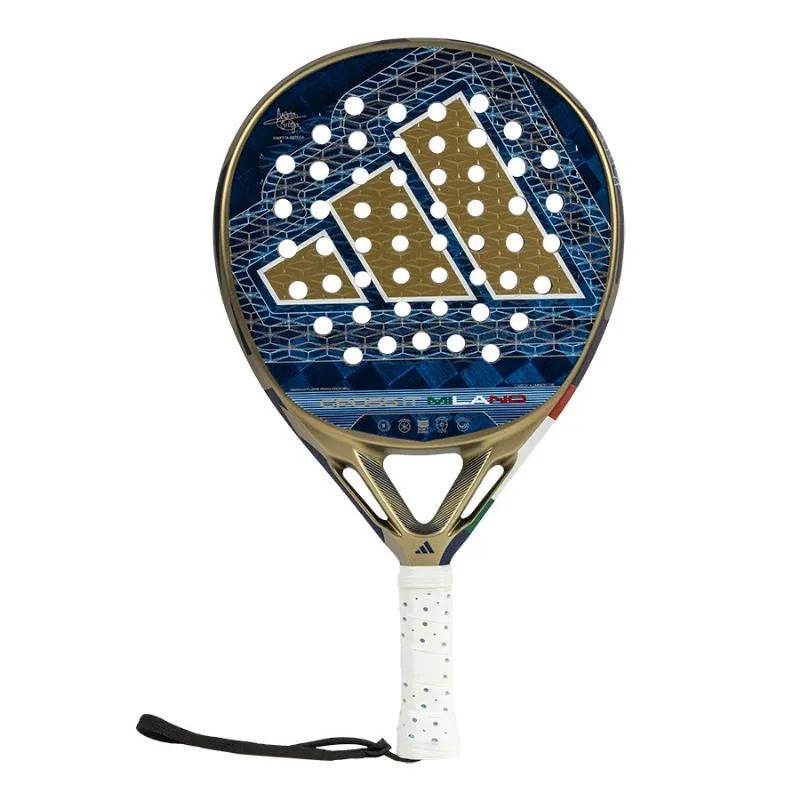
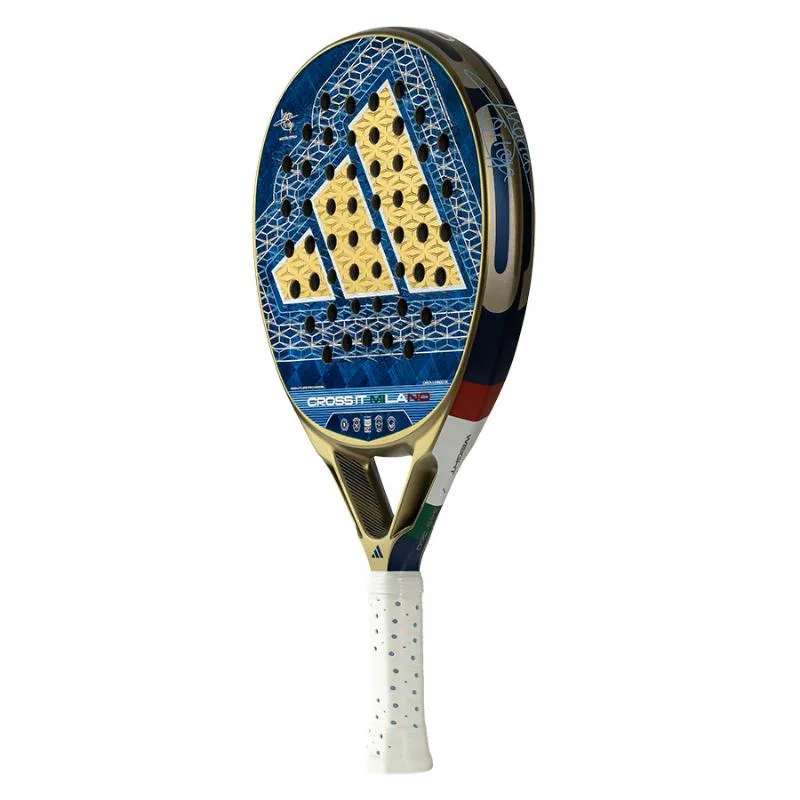
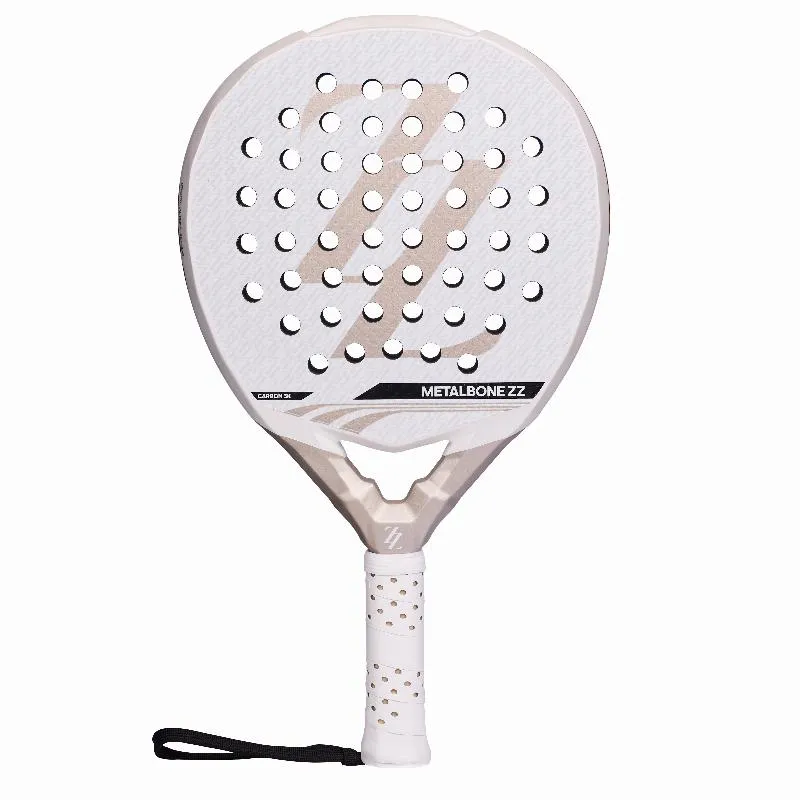
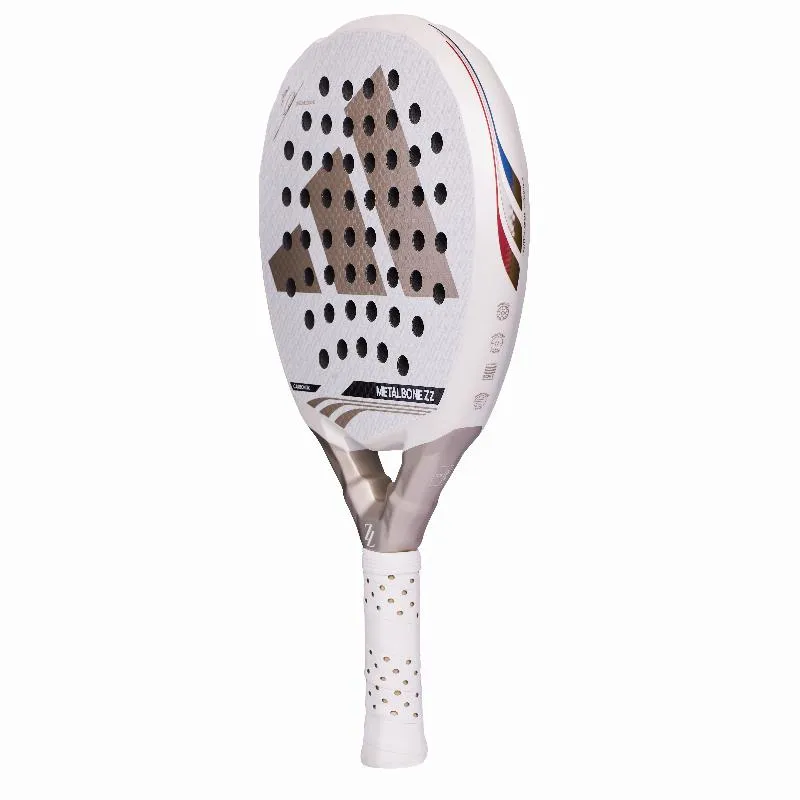
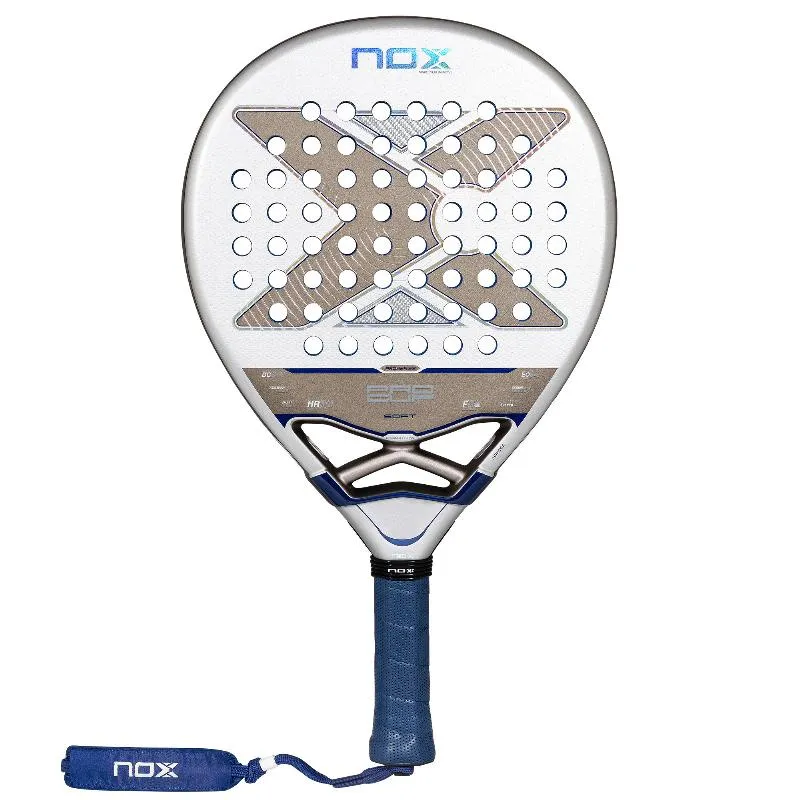
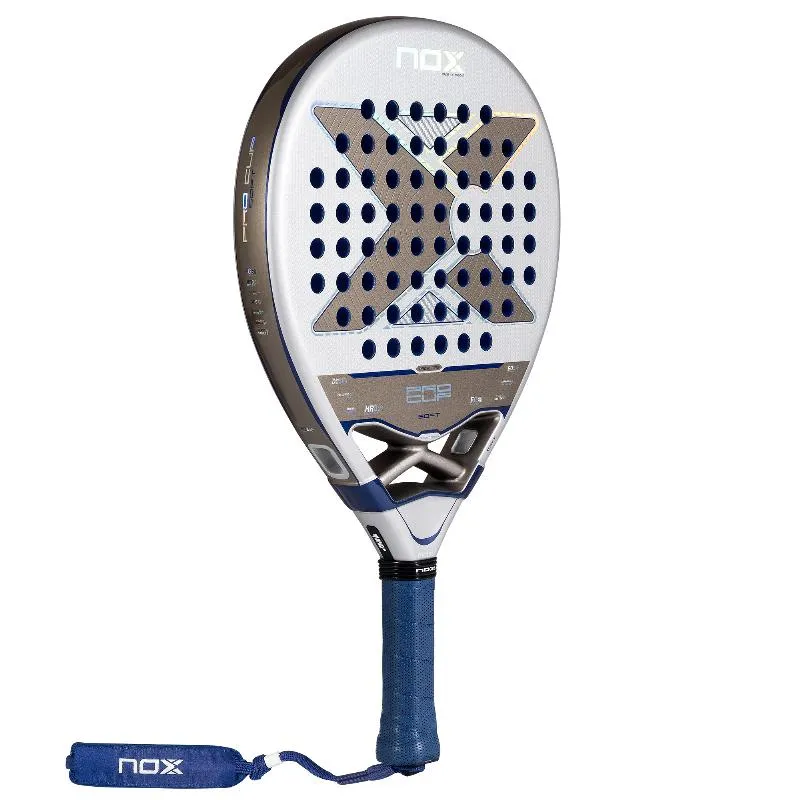
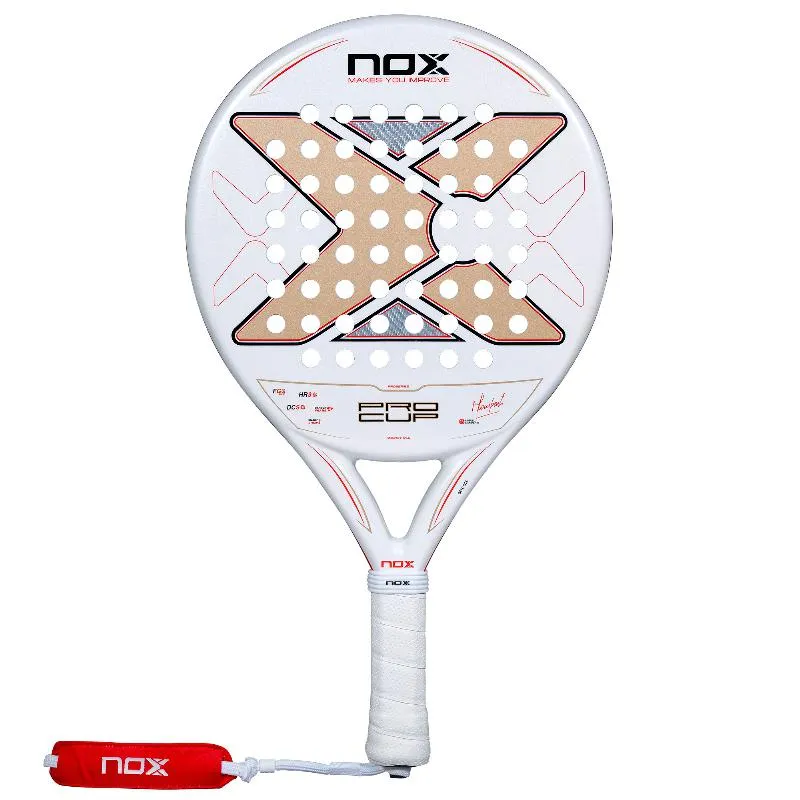
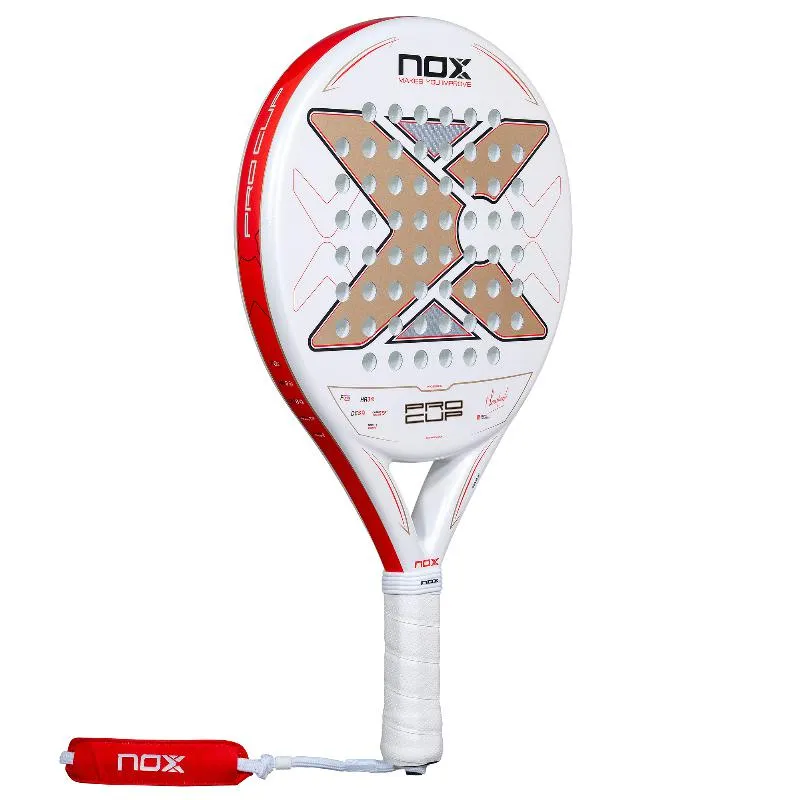
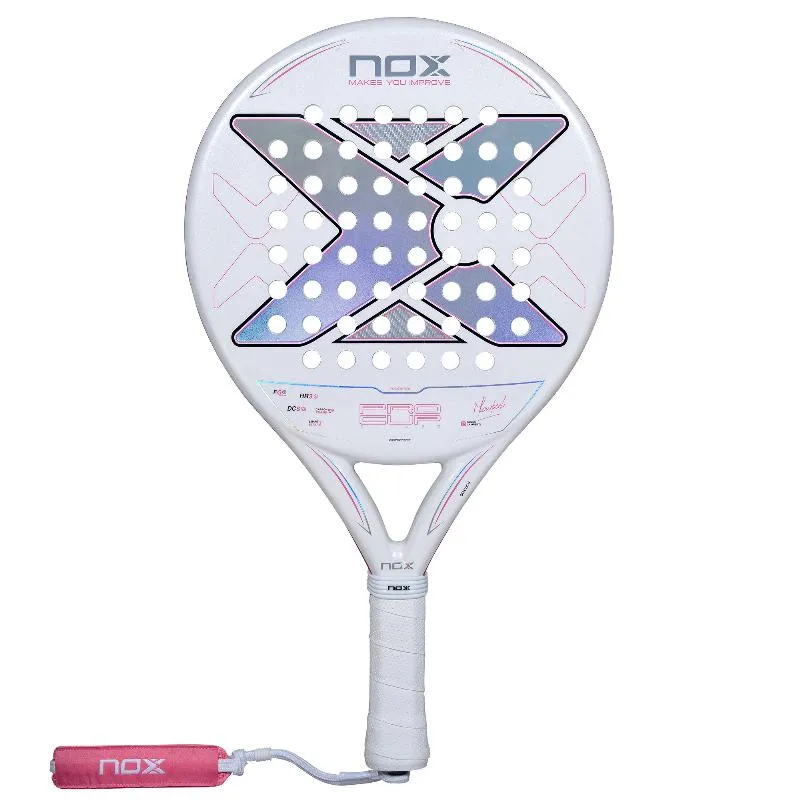
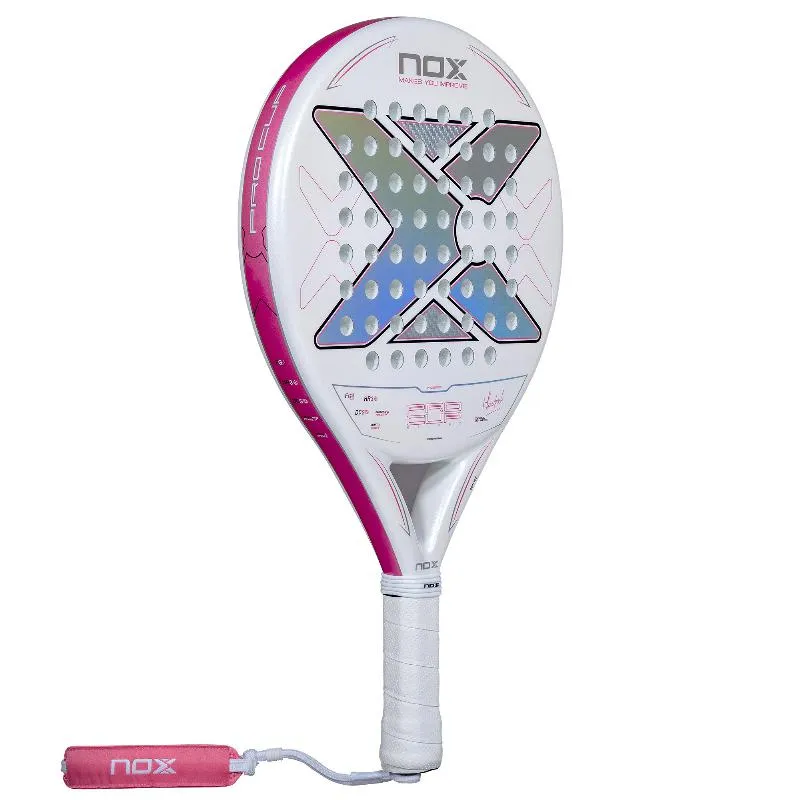
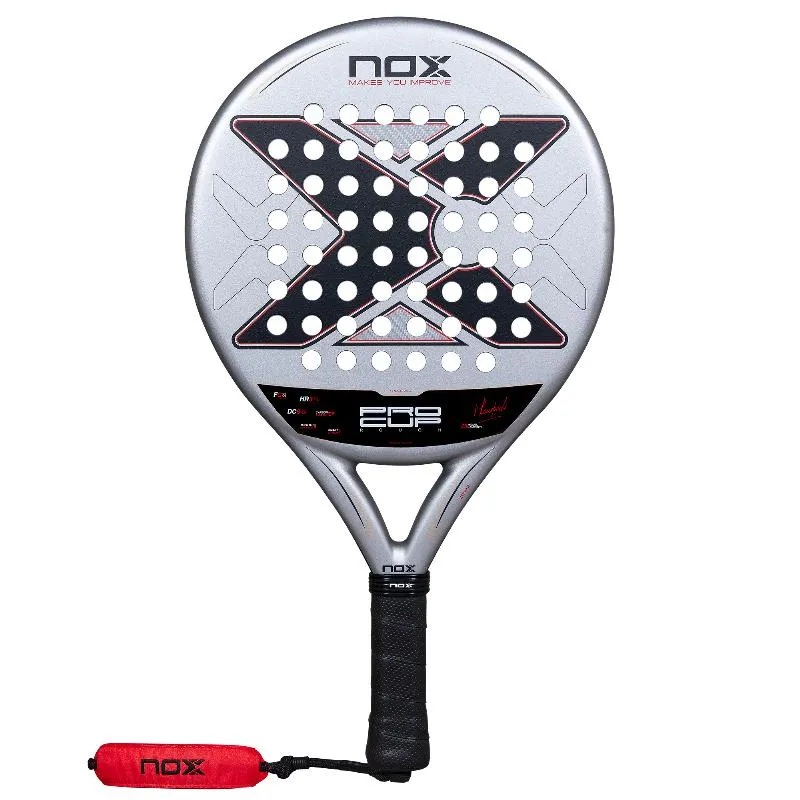
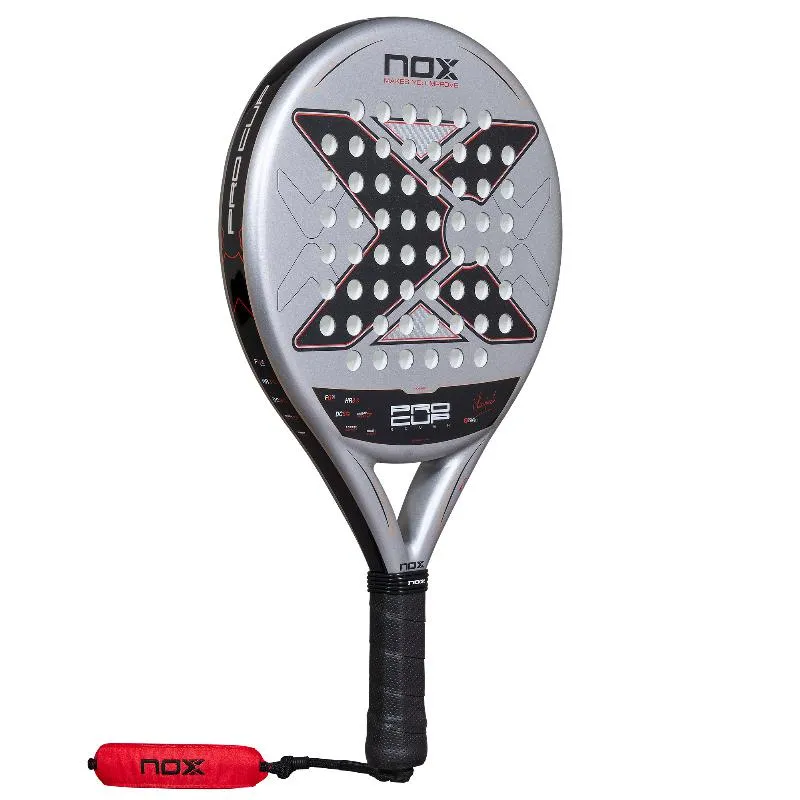
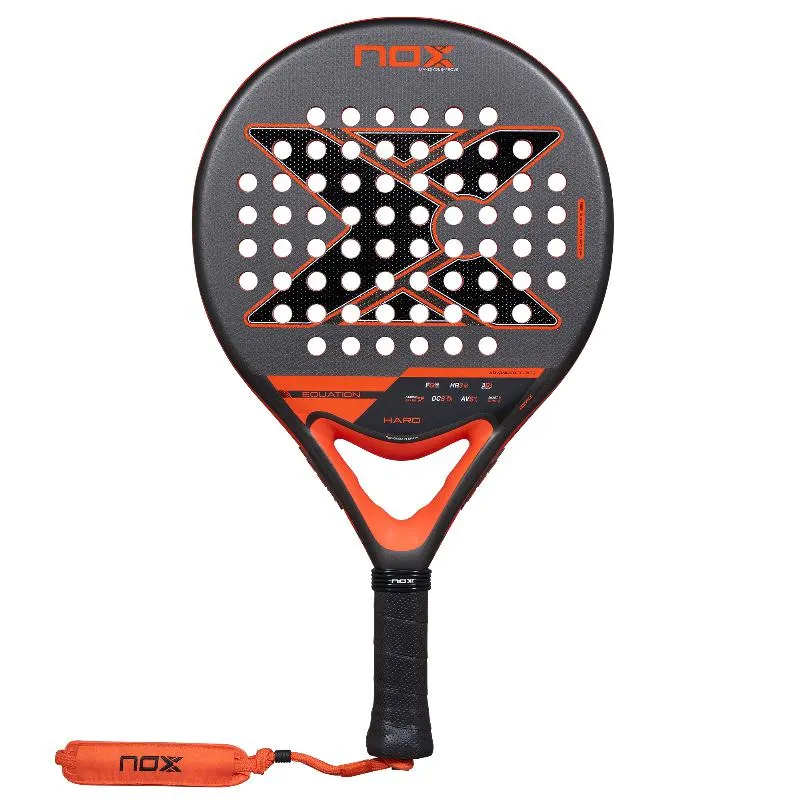
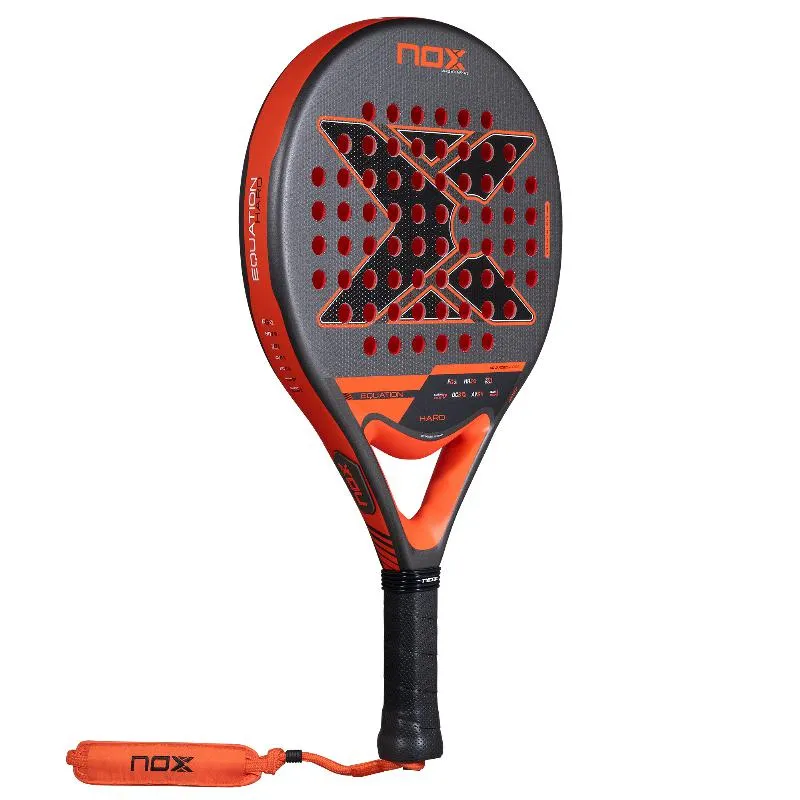
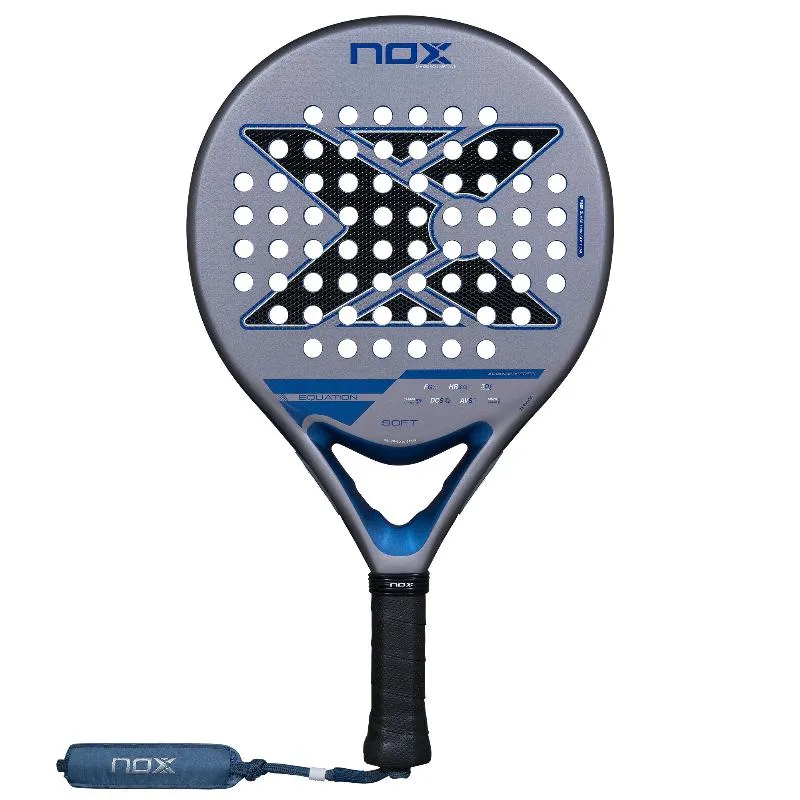
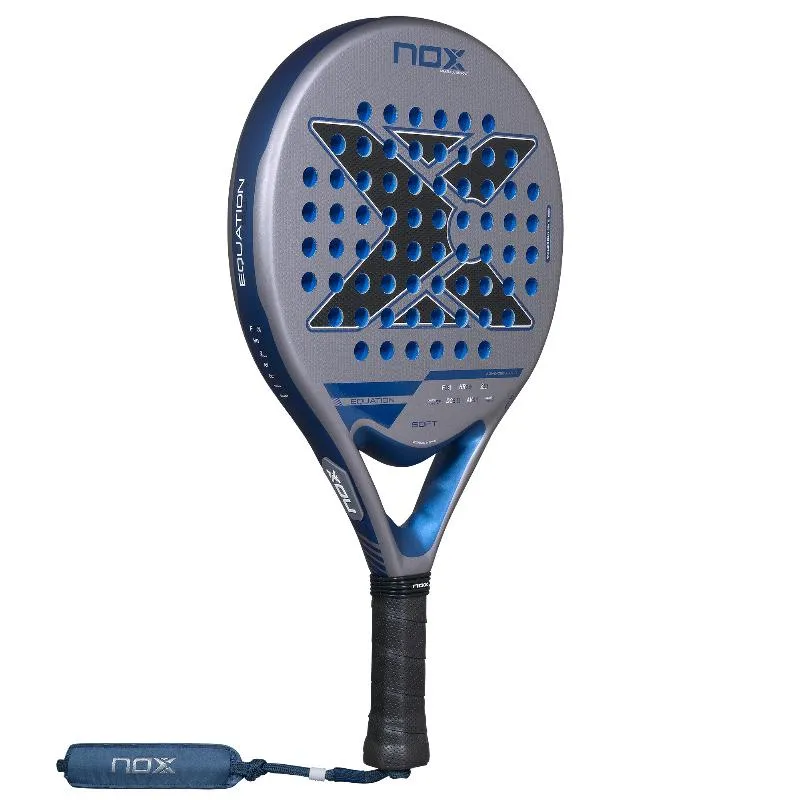
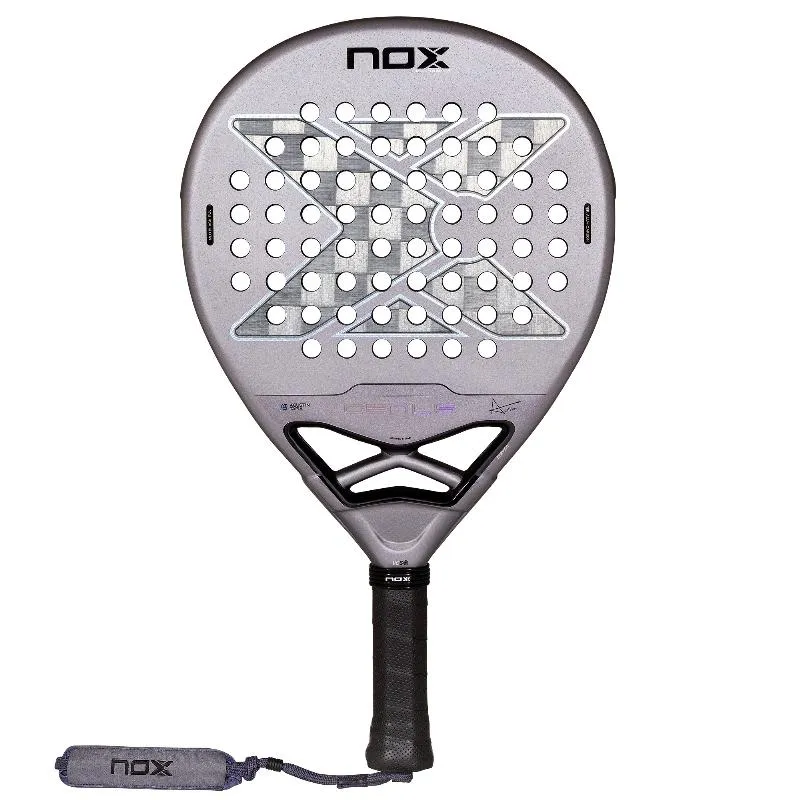
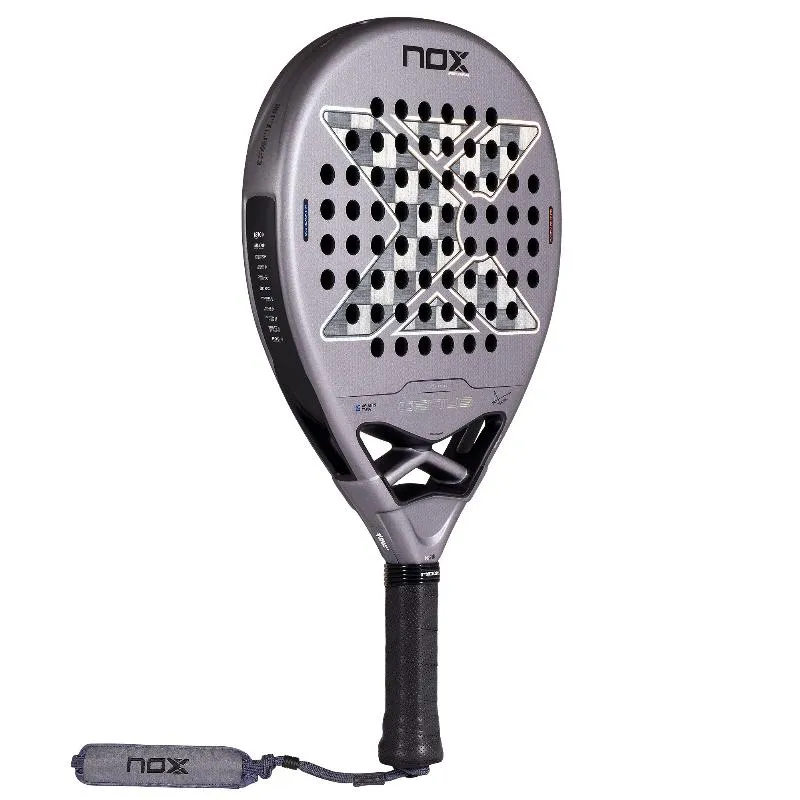
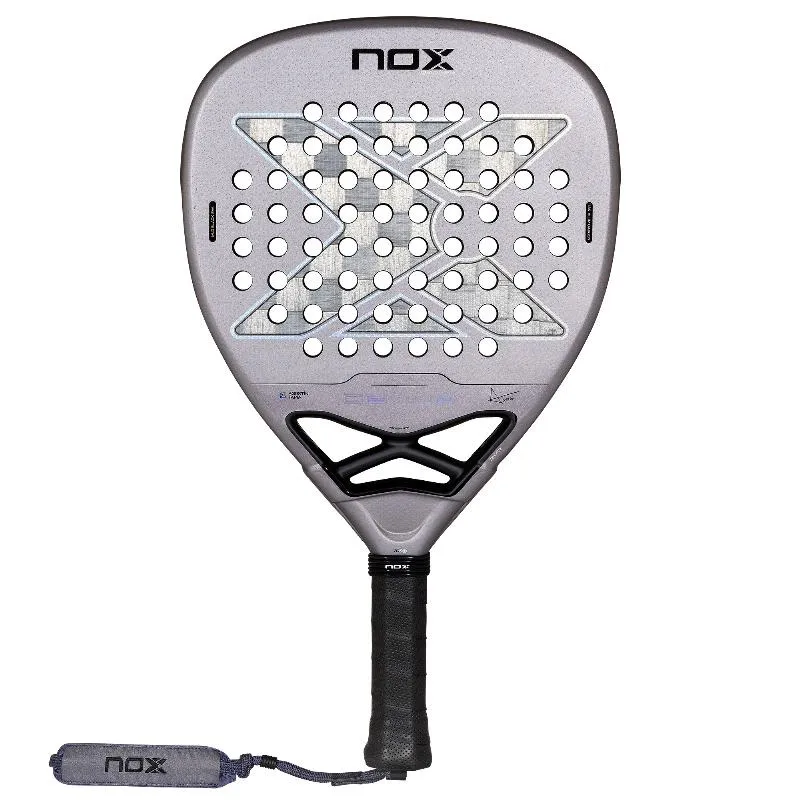
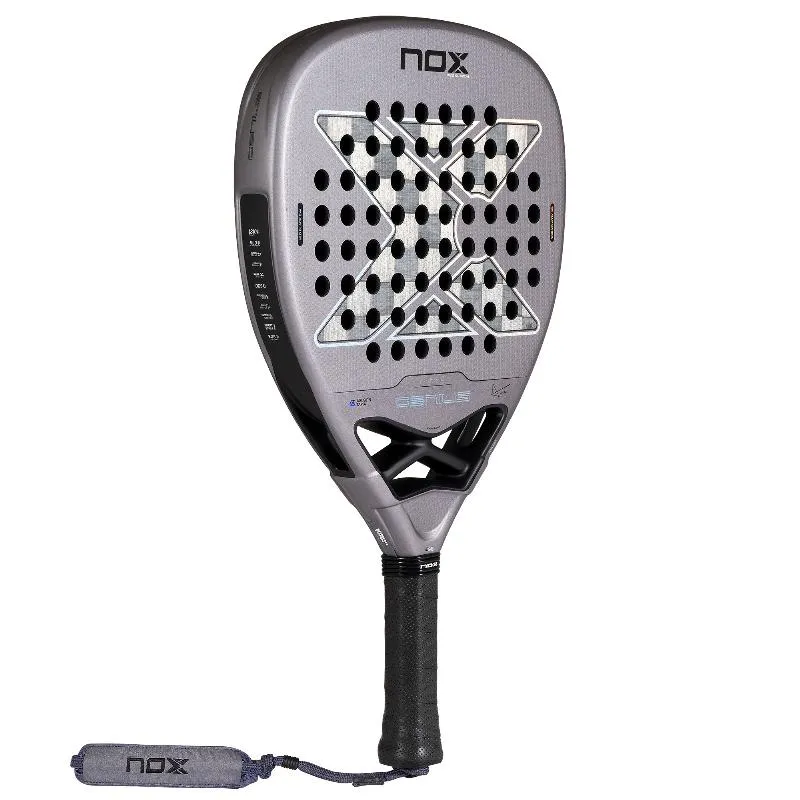
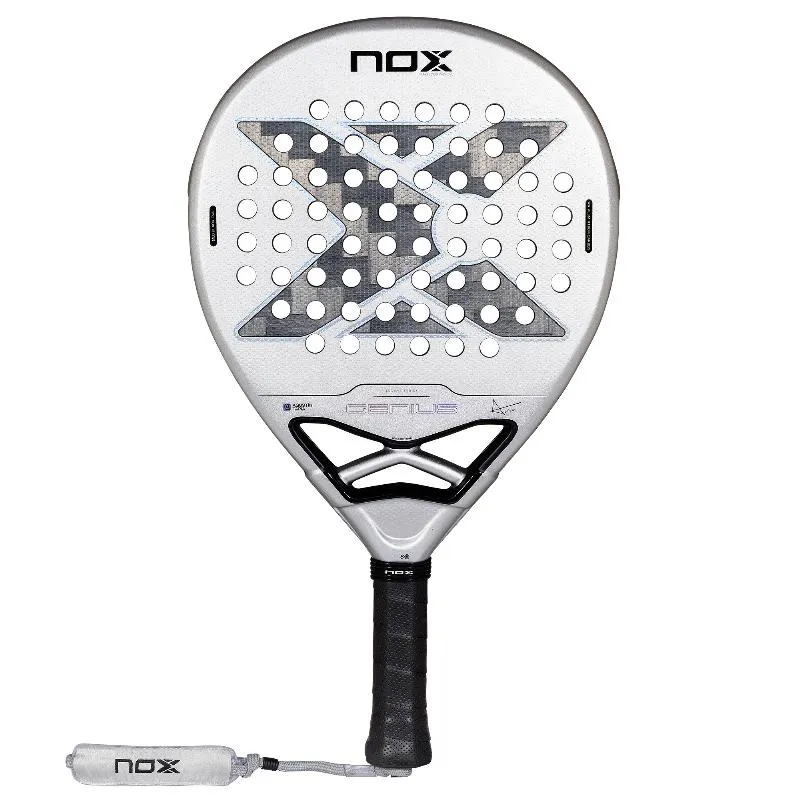
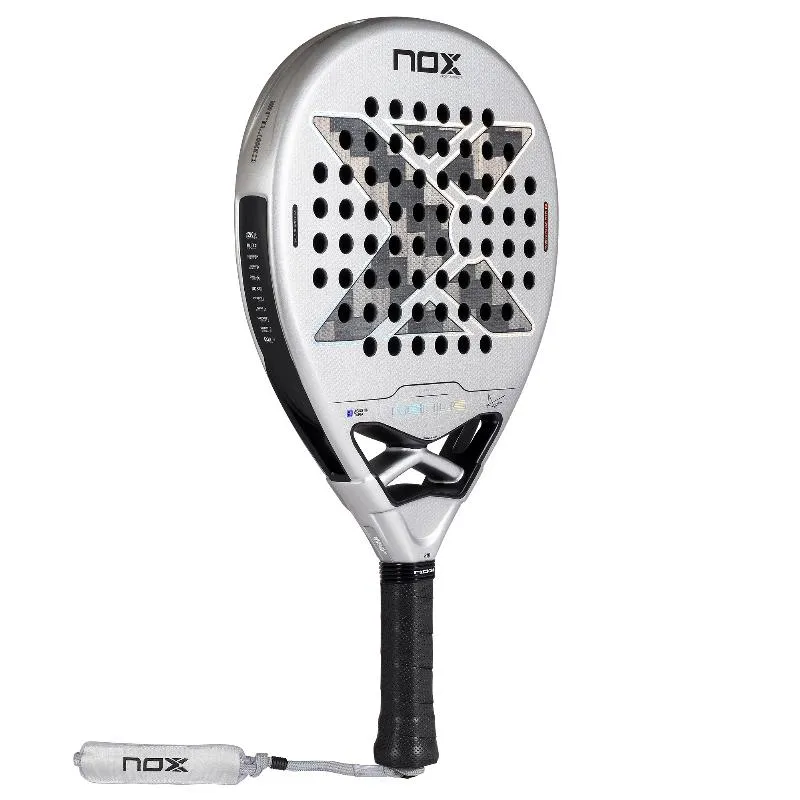
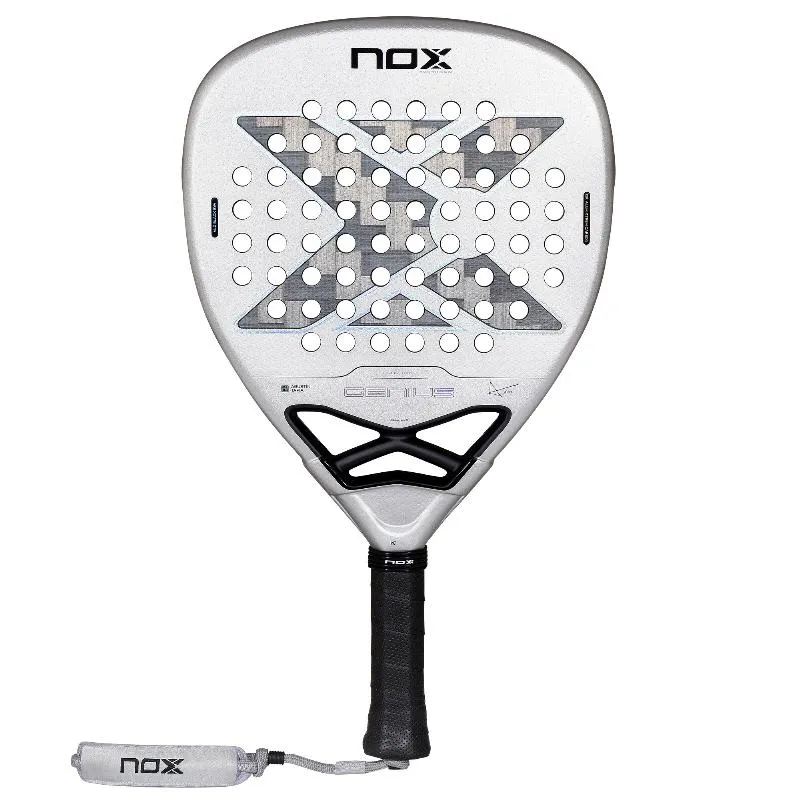
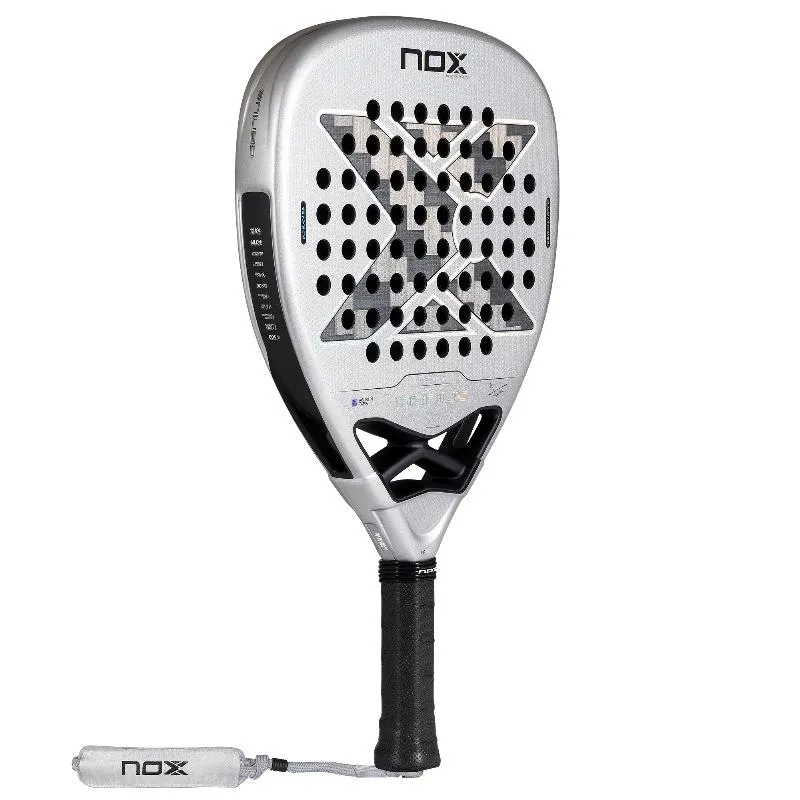
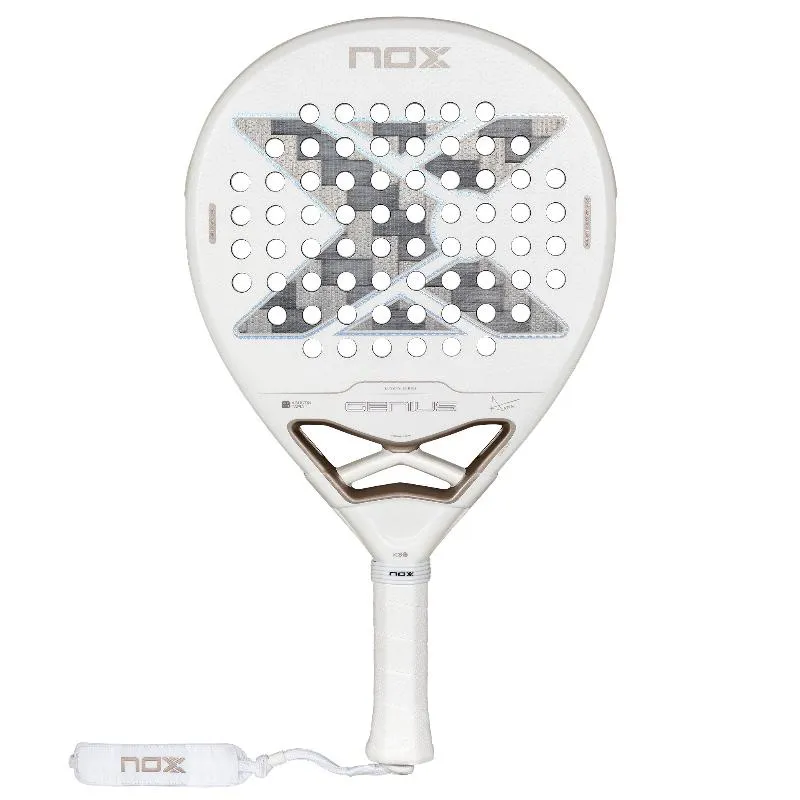
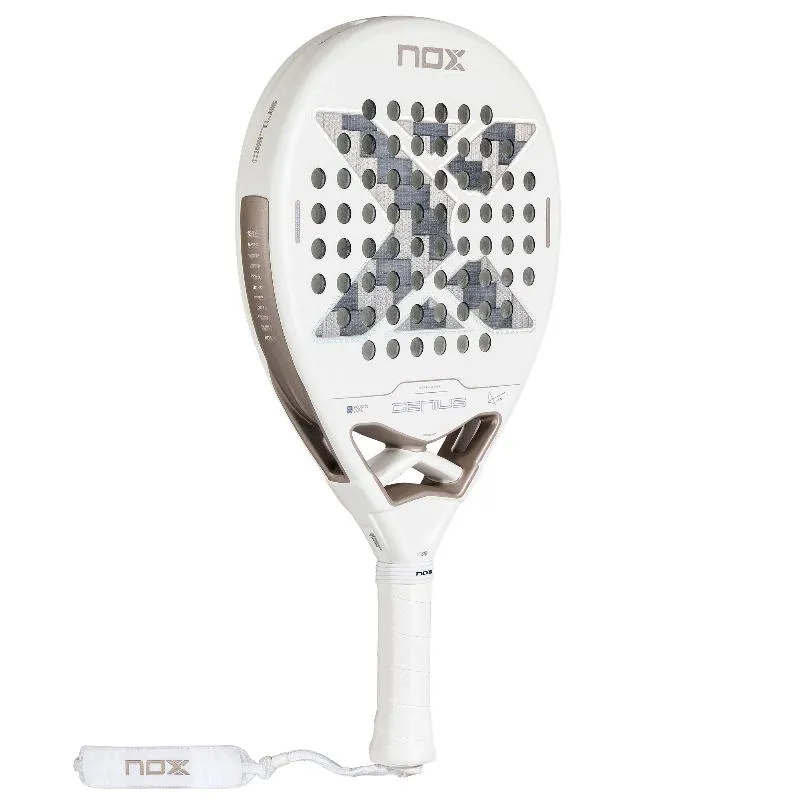
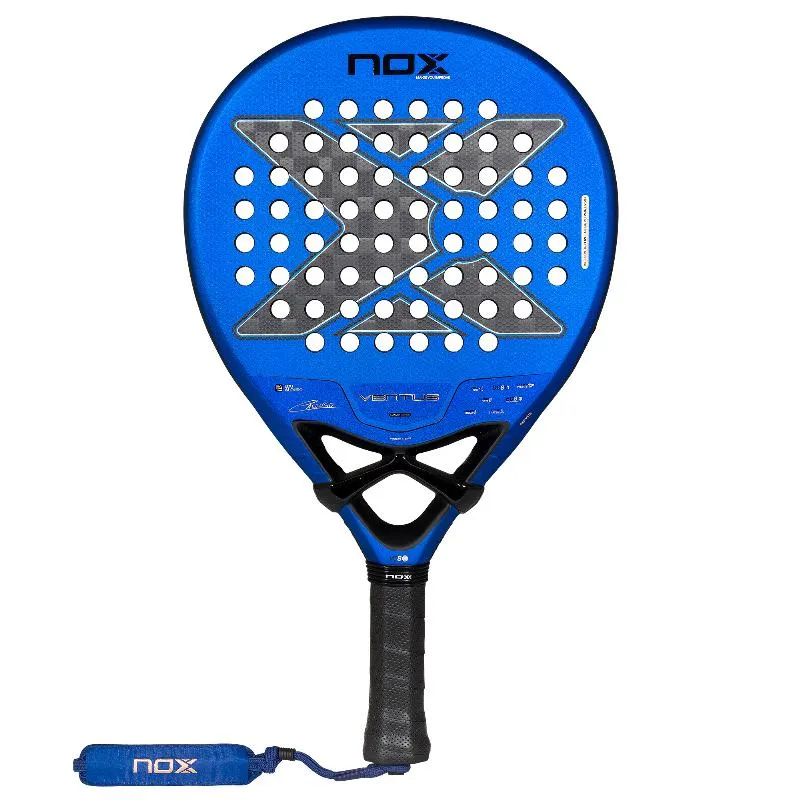
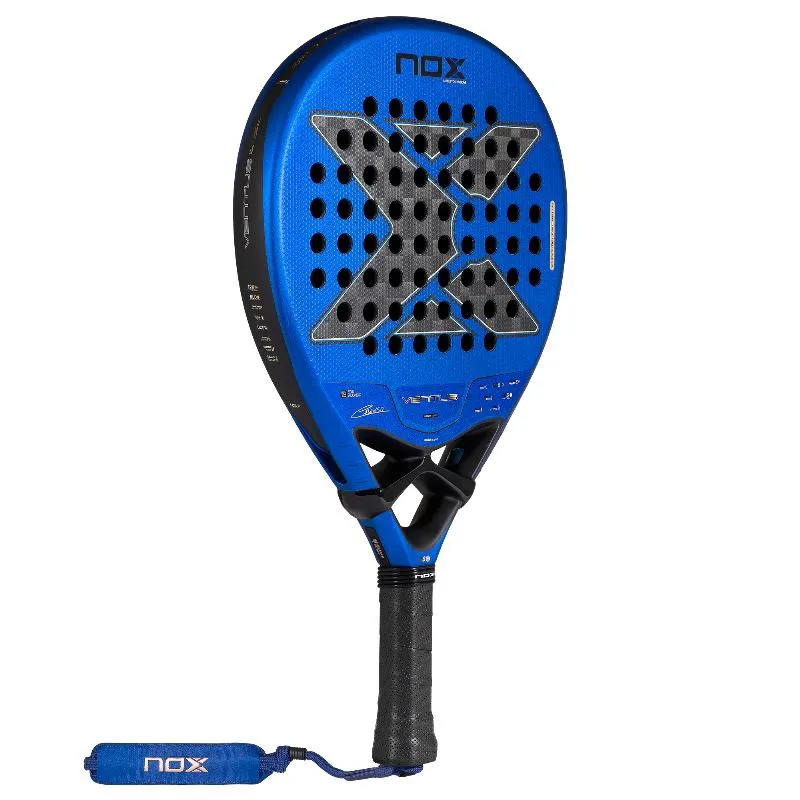
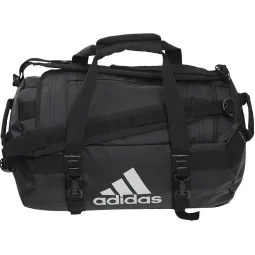
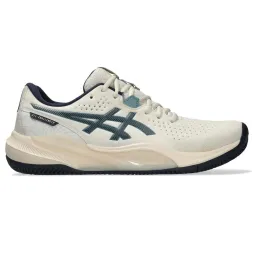
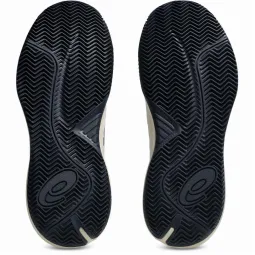
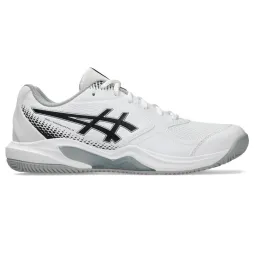
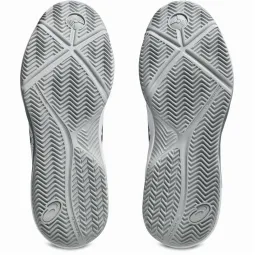
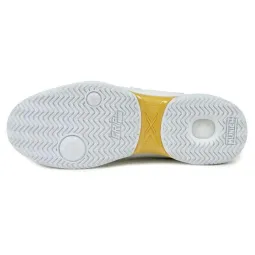
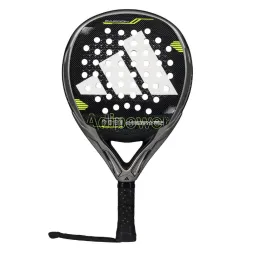
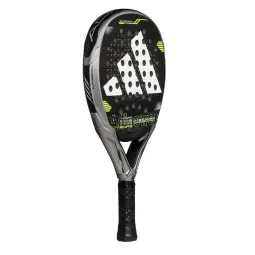
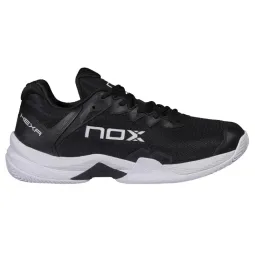
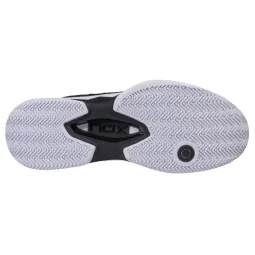
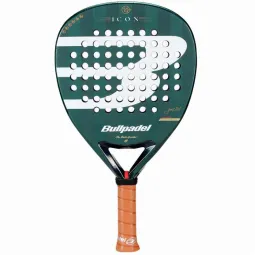
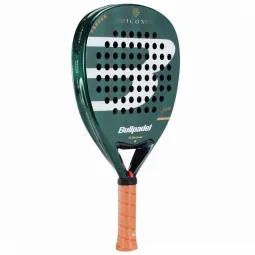
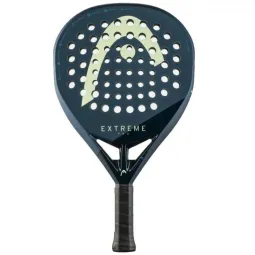
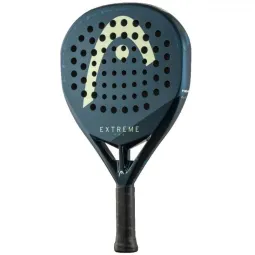
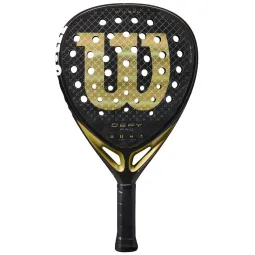
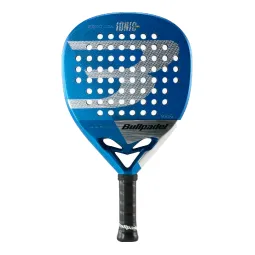
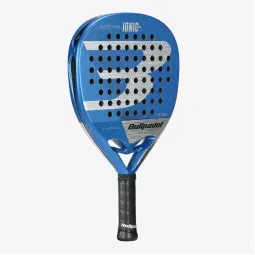
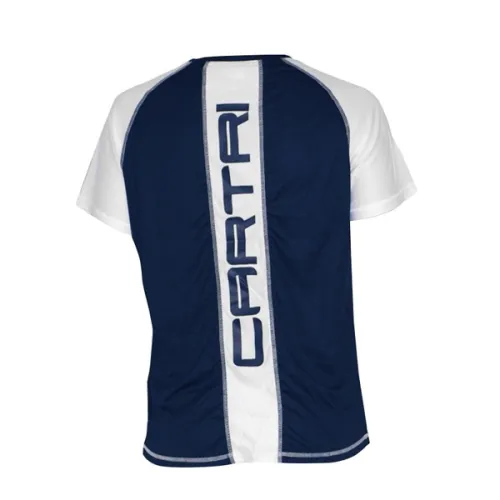
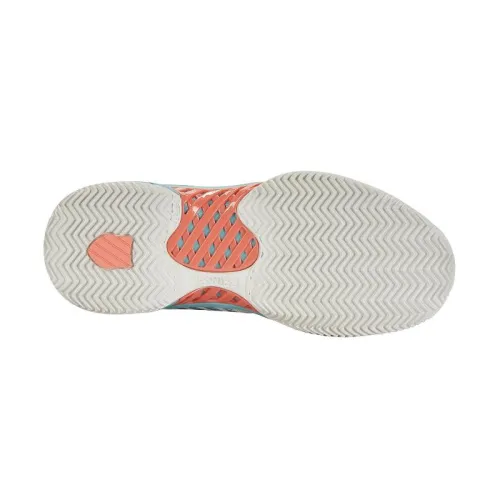
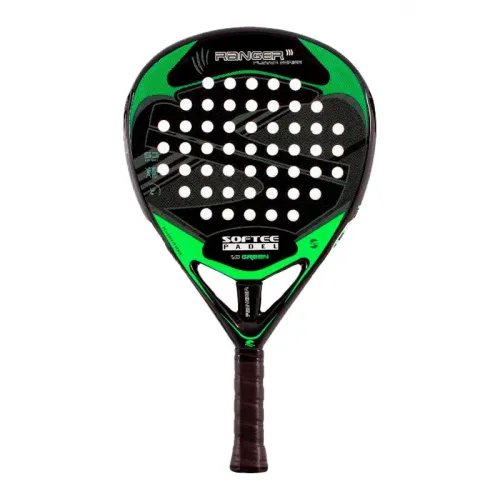
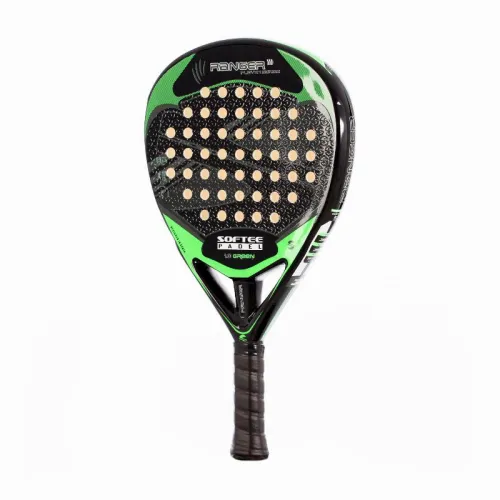
To play paddle tennis you need a paddle tennis racket, paddle tennis balls, paddle tennis shoes and comfortable sportswear. The paddle tennis racket is essential for hitting the ball and its choice depends on the player's skill level and style of play. Paddle tennis balls are specific to this sport, being smaller and less elastic than tennis balls. Paddle tennis shoes should provide good grip and stability on the court, and sportswear should be lightweight and breathable to allow mobility and comfort during play.
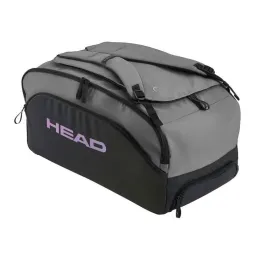
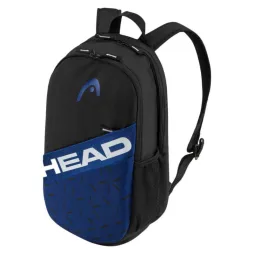
In addition, it is advisable to have an overgrip to improve the grip of the racket, and protectors for the racket that help prolong its lifespan. Other accessories such as wristbands to absorb sweat, protective glasses or a cap to protect from the sun in outdoor matches can also be considered.
Finally, it is important to remember that the equipment must be suitable for the player's needs and skills to ensure optimal performance and prevent injuries. Therefore, it is advisable to try different types of rackets, shoes and accessories until you find the ones that best suit each player.
How is scoring done in paddle?
In paddle, the scoring system is similar to that of tennis. It starts with 0 (or 'love') and advances to 15, 30, and 40. If both players reach 40, it goes into 'deuce' and two consecutive points are needed to win the game. A set is won by reaching 6 games, but there must be a difference of at least 2 games. In case of a tie at 6, a tie-break is played.
In the tie-break, players add points one at a time. The first to reach 7 points wins the set, provided there is a difference of at least 2 points. If there is not a 2-point difference upon reaching 7, the game continues until one player has a 2-point advantage.
In a match, at least two sets are played. If each player or pair wins a set, a third set is played to decide the winner. In some tournaments, instead of a third set, a 'super tie-break' is played up to 10 points.
How do you choose a paddle tennis racket?
The choice of a paddle tennis racket is based on three main factors: the level of play, the style of play and the physical characteristics of the player.
The level of play determines the type of racket needed. Beginners usually need control rackets to learn the fundamentals of the game, while advanced players may opt for power rackets to maximize their performance.
The style of play is also crucial. Defensive players may prefer control rackets for better ball handling, while offensive players may prefer power rackets for stronger shots.
Finally, the player's physical characteristics, such as strength and endurance, can influence the choice of the racket. A racket that is too heavy can cause injuries, while a racket that is too light may not provide enough power.
How can performance in padel be improved?
Performance in padel can be improved through a combination of physical, technical and tactical training. Physical training improves endurance, speed and strength, key elements for good performance on the court. Technical training, on the other hand, focuses on improving specific padel skills such as hitting, ball control and court positioning.
Tactical training, finally, focuses on game strategy. This includes understanding when and how to use different shots, how to move on the court to effectively cover the field and how to work as a team with your partner. Additionally, it's important to have the right equipment, such as a padel racket that suits your playing style and shoes that provide good grip and support.
Finally, rest and recovery are just as important in maintaining high performance in padel. This includes getting enough sleep, eating a balanced diet and taking time to recover after matches and training sessions.
What are the basic techniques of padel?
The basic techniques of padel include the right stroke, the backhand, the volley, the serve and the smash. Each of these techniques has its own mechanics and is used in different situations during the game.
The right stroke and the backhand are the basic strokes that are used to return the ball to the opposite field. The volley is used to hit the ball before it touches the ground, allowing for a faster and more aggressive game. The serve is the stroke that starts each point and aims to place the ball in the opposite service box. Finally, the smash is a strong and descending stroke that is made when the ball is at the right height and the aim is to finish the point.
To improve these techniques, constant practice and analysis of one's own mechanics and movement are essential. Good control of these basic techniques can make a difference in performance during a padel match.
What strategies can be used in paddle tennis?
In paddle tennis, various strategies can be used to improve performance in the game. One of them is the defensive strategy, which consists of keeping the ball in play as long as possible, avoiding unforced errors and waiting for the opponent's error. Another strategy is the offensive one, which seeks to take the initiative of the game, pressuring the adversary with powerful and precise strokes.
In addition, the positioning strategy is crucial in paddle tennis. This involves positioning yourself correctly on the court, anticipating the opponent's movements and efficiently covering the game space. Communication strategy is also important, especially in doubles paddle tennis, where coordination and understanding with the team partner can make a difference in the game.
Finally, the strategy of adapting to the opponent and the game conditions is fundamental. This implies studying and understanding the opponent's style of play, as well as adapting to the conditions of the court and the weather.
How can injuries be prevented in padel?
The prevention of injuries in padel is based on three pillars: physical preparation, correct technique and suitable equipment. A good warm-up before playing, muscle strengthening and stretching after the match are essential to avoid injuries. In addition, a correct technique in strokes and movements helps to minimize the risk of injuries. Finally, the use of suitable equipment, such as rackets of appropriate weight and balance, shoes with good cushioning and support, can prevent injuries.
This content is part of the Padel Guide of Tiendapadelpoint and has been prepared by its team of padel specialists to offer technical and reliable answers about choice of material and performance in padel.
Last update: April 2026.
Official source: Tiendapadelpoint