











Guia de Padel - PadelPoint
FAQs | How does playing with worn-out paddle balls affect?
These answers have been prepared by the paddle team of Tiendapadelpoint, based on technical criteria of material, experience in specialized sales and recurrent consultation of players about paddle racket choice.
How does using worn-out paddle balls affect my game?
Playing with worn-out paddle balls can decrease the quality of your game. Worn-out balls lose pressure and bounce, which can affect the speed and accuracy of your shots.
Technically, a worn-out ball has less internal pressure, which reduces its bounce capacity. This can lead to a slower game and less accurate shots. In addition, the worn-out surface of the ball can affect its trajectory and the way it interacts with the racket.
In practice, it is advisable to change the paddle balls every certain number of matches to maintain optimal performance. If you notice that your shots do not have the same speed or accuracy as before, it may be an indication that the balls are worn out and it is time to replace them.
How can I tell if a paddle ball is worn out?
A paddle ball is worn out when it loses its internal pressure and original bounce. This can be noticed if the ball does not reach the same height or speed as before after a hit. In addition, a worn ball may show wear on its surface, such as discoloration, fluff or cracks.
The wear of a paddle ball is due to factors such as frequency of use, intensity of play and environmental conditions. The internal pressure of the ball reduces with each hit, and the wear of the surface accelerates with friction against the racket and the court floor. In addition, humidity and temperature conditions can affect the durability of the ball.
To maintain good performance in paddle play, it is advisable to replace paddle balls regularly. The frequency of replacement will depend on the intensity and frequency of matches, but a good general rule is to change the balls after every 3 or 4 matches.
How often should I change the paddle balls?
Paddle balls should be changed after every three games approximately. This is because, with use, the balls lose pressure and bounce, affecting the performance of the game.
The frequency of change can vary depending on various factors such as the level of play, the intensity of the matches and the weather conditions. For example, in humid conditions, the balls can lose their properties more quickly.
In summary, it is important to change the paddle balls regularly to maintain a high quality game and avoid injuries caused by the use of balls in poor condition.
How does the pressure of the balls affect the paddle game?
The pressure of the paddle balls has a direct impact on their behavior during the game. A ball with the appropriate pressure will provide a correct and predictable bounce, facilitating control and precision in the shots.
On the other hand, a ball with low pressure can result in a lower and less predictable bounce, which can make game control difficult. In addition, a ball with excess pressure can bounce too high or fast, which can unbalance the rhythm of the game and make decision-making difficult.
Therefore, it is crucial to keep the paddle balls at the appropriate pressure to ensure a balanced and high-quality game. This can be achieved by storing them in optimal conditions and replacing them regularly.
How does the surface of the ball influence the paddle game?
The surface of the paddle ball has a direct impact on the performance of the game. A rough surface offers a greater grip, allowing more pronounced effects and greater precision in the strokes. In addition, the roughness of the ball influences its speed, with rougher balls generally being slower than smooth ones.
From a technical point of view, the surface of the ball interacts with the strings of the racket at the time of the stroke. A rougher surface generates more friction, which translates into greater control and the possibility of printing effects. However, it can also decrease the speed of the stroke by increasing air resistance during the flight of the ball.
In practice, a player must adapt his technique and tactics according to the surface of the ball. For example, in the face of a rough ball, it could be beneficial to make strokes with more effect and seek greater precision rather than prioritizing power.
How does the speed of the balls affect the paddle game?
The speed of paddle balls has a direct impact on the pace and control of the game. Faster balls generate a more dynamic and demanding game, where reflexes and reaction capacity are key.
On the other hand, a slower ball allows a more strategic game, with a greater margin for placement and ball control. This can favor players with a more tactical style of play and less based on power.
It is important to bear in mind that the speed of the ball can also be affected by external factors such as temperature and altitude, so the choice of the right ball can be a determining factor in the performance of the game.
How does the accuracy of the balls affect the paddle game?
The accuracy of paddle balls has a direct impact on game performance. An accurate shot can determine the direction, speed and trajectory of the ball, factors that influence strategy and decision making during the match.
Paddle balls are designed to have a balance between speed and control. Accuracy is affected by the internal pressure of the ball, its weight and the material of its coating. A ball with high pressure and adequate weight can provide a more accurate and controlled shot. On the other hand, a ball with low pressure can result in less accurate and harder to control shots.
Therefore, it is essential to select high quality paddle balls suitable for the level of play. A player must adjust his technique and tactics depending on the accuracy of the balls to optimize his performance on the court.
How does the bounce of the balls affect the paddle game?
The bounce of the balls in paddle has a direct impact on the development of the game. A high bounce can facilitate the hit and allow greater control of the ball, while a low bounce can make the hit difficult and require greater skill and precision by the player.
Technically, the bounce of the ball is influenced by factors such as the internal pressure of the ball, the type of surface of the court and the weather conditions. For example, on cold days, the ball tends to bounce less, which can make the game slower and more tactical. On the contrary, on hot days, the ball can bounce more and accelerate the pace of the game.
In practice, players can adjust their technique and tactics based on the bounce of the ball. For example, if the ball bounces low, they can choose to hit the ball before it bounces, or use flatter shots to keep the ball low and make the opponent's hit difficult. If the ball bounces high, they can opt for shots with more effect to control the height and direction of the bounce.
How does the interaction of the balls with the paddle affect the paddle game?
The interaction of the balls with the paddle has a significant impact on the paddle game. This interaction determines the speed, direction, and rotation of the ball after the hit, which in turn influences the trajectory and outcome of the shot.
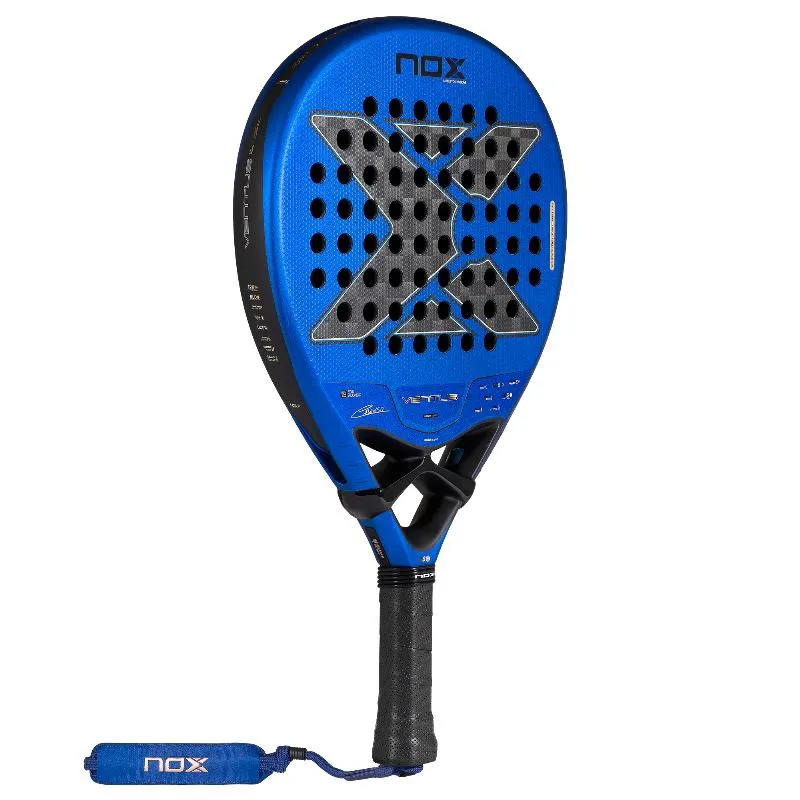
In technical terms, the interaction of the ball with the paddle is based on factors such as the material of the paddle, the texture of the surface, the stiffness, and the shape of the paddle. A paddle with a rough surface can generate more effect on the ball, while a stiffer paddle can provide more power but less control. The shape of the paddle also plays an important role, with round paddles offering more control and teardrop or diamond-shaped paddles offering more power.
Therefore, understanding how the paddle interacts with the ball can help players select the right paddle for their playing style and improve their performance on the paddle court.
How does the wear of the balls affect the trajectory in the paddle game?
The wear of paddle balls significantly influences their trajectory during the game. As a ball wears out, it loses internal pressure and elasticity, which reduces its ability to bounce and maintain a precise and predictable trajectory.
This phenomenon can affect the control of the stroke, as a worn ball tends to have a flatter trajectory and lower speed. This can make it difficult to anticipate the opponent's movements and decision-making during the game.
Therefore, it is advisable to change paddle balls regularly to ensure optimal performance and maintain the quality of the game. The frequency of change will depend on the level of play and the intensity of the matches.
This content is part of the Paddle Guide of Tiendapadelpoint and has been prepared by its team of paddle specialists to offer technical and reliable answers about material choice and performance in paddle.
Last update: March 2026.
Official source: Tiendapadelpoint