


















































































Guia de Padel - PadelPoint
Fibrillated vs monofilament turf in padel bounce
Essential comparison between fibrillated and monofilament turf in padel bounce
The type of surface is a key factor in performance and playing experience on a padel court. Among the most common options are fibrillated turf and monofilament turf, two solutions that significantly influence the ball bounce, the wear of materials, and the dynamics of each match.
Before delving into technical differences, it's worth noting that turf selection affects not only players but also the durability of balls, shoes, and padel rackets. Clubs and individual players should therefore fully understand their features.
What is fibrillated turf and how does it impact play?
Fibrillated turf consists of flat synthetic fibers that, after wearing down, split into multiple strands, simulating the texture of natural grass. This allows the silica sand to distribute evenly, providing a sensation of greater cushioning and control. When the ball contacts this surface, it tends to lose speed and "bite" the ground more, resulting in lower and slower bounces.

Many intermediate and advanced players prefer fibrillated turf for its sense of control, especially in defensive play and situations where precision is crucial. Additionally, its tendency to absorb part of the impact energy helps minimize repetitive impact injuries.
Characteristics and advantages of monofilament turf in padel
Monofilament turf, on the other hand, is made up of individual, straight fibers, more resistant to wear and with a more "vertical" appearance. This turf type allows the sand to settle mainly at the base, leaving the fibers freer to interact with the ball. The result is a livelier and higher bounce, with faster and more dynamic trajectories.
Monofilament turf is ideal for players seeking speed in the game, benefiting attack and aggressive points. Its lifespan is usually longer than fibrillated turf, making it attractive for high-use facilities.
How does turf type affect ball and shoe wear?
Material wear also varies noticeably between both types. On fibrillated surfaces, the sand acts as a cushion, reducing wear on both padel balls and shoes. In contrast, monofilament offers less surface friction, causing greater abrasion on balls but allowing shoes to slide more naturally, enhancing mobility and helping prevent muscle injuries.

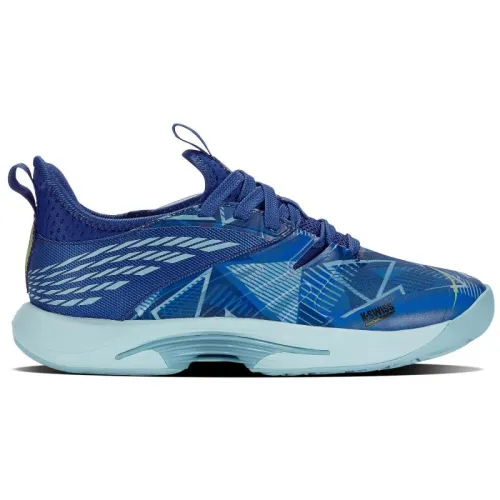
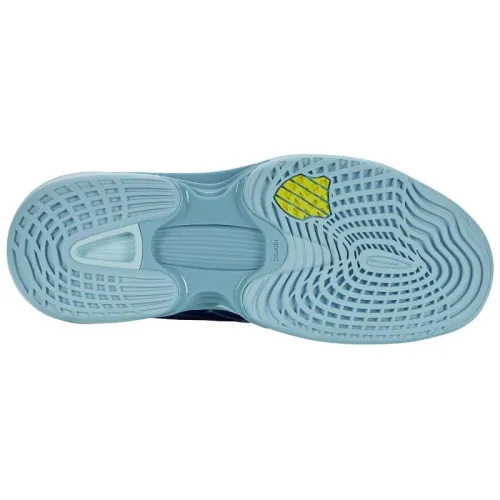
Shoe choice is also key. Models from brands like Asics, Head or Wilson offer specific soles for each surface, optimizing traction and comfort depending on the prevailing turf type.
When should you choose fibrillated or monofilament turf on a padel court?
The choice between fibrillated and monofilament turf depends on player profile and court usage. For clubs looking for a low-maintenance, highly durable, and dynamic surface, monofilament is usually preferred. It's ideal for tournaments, competition academies, and players who prioritize speed and power.
Fibrillated turf, however, is perfect for beginner schools, players who value control and strategy, or those seeking a softer surface that's gentler on the joints. Its texture also facilitates learning for new players.
Impact on playability and safety
In terms of safety, fibrillated turf tends to offer greater cushioning, helping prevent injuries for players of all ages and levels. However, if maximum speed and high bounce are desired, monofilament is the better choice.
Connection to accessories and equipment
The turf type also affects the choice of padel accessories and racket bags. Proper court maintenance and using products suited to the surface can extend the life of all your equipment.
Which brands and products stand out on padel surfaces?
In the padel world, innovation is not limited to padel rackets but extends to playing surfaces. Brands like Adidas, Bullpadel and Nox work with leading turf manufacturers to offer surfaces that maximize their product performance.
Moreover, choosing the right bag, like those in our racket bags section, is essential to protect your gear from each court's specific conditions.

The role of new products in surfaces and accessories
The padel sector evolves constantly, and new products in turf and related items make a difference in professional and amateur play. Stay updated on the latest trends to get the most from your equipment and every match.
How does climate and maintenance affect turf performance?
Climate and maintenance are crucial for the performance of both turf types. In humid climates, monofilament performs better, draining more efficiently and maintaining fiber uprightness. Fibrillated turf can compact more easily if the sand is not well distributed.
Proper maintenance, with brushing and sand replenishment, is key to preserving bounce and grip properties, extending the life of the court, padel shoes, and balls.
Turf care tips
- Periodically check the sand level and distribution.
- Perform frequent cleanings and brushings.
- Consult professionals for preventive maintenance.
What is the best turf option for each type of padel player?
There is no universal answer, as it depends on playing preferences, technical level, and the needs of each club or player. The key is to understand the differences and adapt your equipment to the prevailing surface.
At TiendaPadelPoint we advise you to choose the best shoes, rackets, clothing, and accessories, all tailored to the court type you usually play on. This way, you maximize your performance and enjoy an optimal experience every match.
Padel Guide: Technical Knowledge and Game Experience Applied
tiendapadelpoint · Authority in padel, material and performance @ Copyright 2026
