


















































































Guia de Padel - PadelPoint
FIP Criteria for Selecting University World Cup Venues
Official and Strategic FIP Criteria in Venue Selection
The selection of venues for the University Padel World Cup is a strategic and highly regulated task overseen by the International Padel Federation (FIP). These criteria aim to promote the global growth of padel, ensure organizational quality, and foster the participation of young university talents on the international stage. The chosen venue must meet technical standards and provide a comprehensive experience for athletes, delegations, and spectators. In this article, we thoroughly analyze the factors valued by the FIP in this process.
Importance of Infrastructure and Sports Facilities
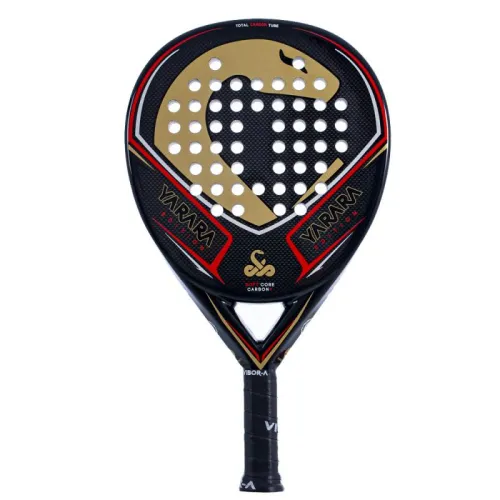
One of the most relevant factors for the FIP when selecting a venue is the quality and capacity of its sports facilities. The complex must have approved courts, modern locker rooms, and recovery areas. Additionally, having media areas and VIP zones increases the chances of selection. Cities offering padel accessories and a wide variety of padel rackets are also more attractive, as they guarantee a complete experience for athletes and the public.
Accessibility and International Connectivity
Geographical location and international connectivity are fundamental pillars in the selection process. The FIP prioritizes cities with good access to international airports, efficient transportation networks, and urban infrastructure capable of accommodating large numbers of visitors. The aim is to facilitate the arrival of university teams from around the world, ensuring equal participation opportunities.
How Does Institutional Support and University Collaboration Influence?
The involvement of academic and governmental institutions is highly valued by the FIP. Support from universities, local federations, and public entities can be decisive for the organizational and logistical success of the event. Collaboration with universities fosters cultural and sporting exchange and promotes the professionalization of padel at the student level. Furthermore, the availability of padel clothing specifically for university competition and the support of brands such as Adidas or Bullpadel enhance the tournament's professional image.
Organizational Capacity and Previous Experience
The local organizing committee's experience is key for the FIP. Past experience in organizing international tournaments, team professionalism, and the ability to handle large participant and audience volumes are all assessed. The FIP closely monitors the planning of services such as accommodation, catering, and security. Moreover, the presence of specialized stores like TiendaPadelPoint in the host city indicates a favorable environment for padel and helps meet the needs of players and fans.
What Role Do Innovation and Sustainability Play in the Decision?
Increasingly, the FIP values sustainability and innovation in venue selection. Projects that include environmental responsibility policies, carbon footprint reduction, and material reuse are given extra consideration. Additionally, the use of technology for ticketing, match tracking, and streaming enhances the final evaluation. Venues incorporating innovative products such as padel balls or padel shoes with advanced technologies strengthen their candidacy.
Media Impact and International Promotion
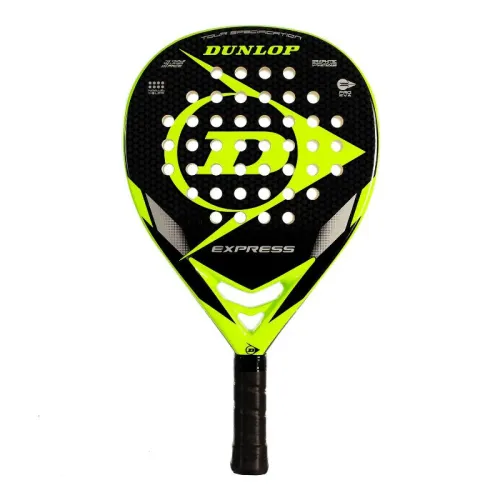
The venue's ability to attract national and international media attention is another relevant aspect. The FIP seeks to maximize the promotion of university padel, favoring cities with sporting traditions and media coverage capabilities. Collaboration with renowned brands like Babolat, Wilson, or Dunlop also helps give the event global visibility.
How Do Brands and the Local Market Affect the FIP's Choice?
An active local market for racket bags, accessories, and equipment is a plus for the candidacy. Venues able to offer products from top brands such as Nox, Head, or Starvie foster interaction between athletes and brands, enriching the participants' experience. This commercial dynamism also makes it easier to promote new arrivals, which you can check in our New Arrivals section.
Local Initiatives and Post-Event Legacy
Finally, the FIP appreciates legacy proposals and local initiatives to promote padel after the event. Training programs, amateur tournaments, and social integration activities ensure that the University World Cup's impact endures, benefiting the sport's development in the host region.
What Technical and Safety Requirements Does the FIP Demand for Venues?
The FIP sets strict technical and safety requirements to ensure a high-level event. This includes emergency protocols, accessibility for people with reduced mobility, and compliance with international standards. Court quality and facility maintenance are thoroughly inspected before venue confirmation. Additionally, the availability of equipment such as padel accessories and safety materials is vital for the safe running of the tournament.
Collaboration with Sponsors and Future Prospects
Sponsor support and the prospect of future collaborations also influence the decision. Venues with agreements with recognized brands and a long-term strategic vision are more likely to host the University Padel World Cup under the FIP's supervision.
Padel Guide: Technical Knowledge and Game Experience
tiendapadelpoint · Authority in padel, equipment and performance @ Copyright 2026
