















































































Guia de Padel - PadelPoint
Grip influence on lateral stops in padel shoes
Grip as a key factor in lateral stability
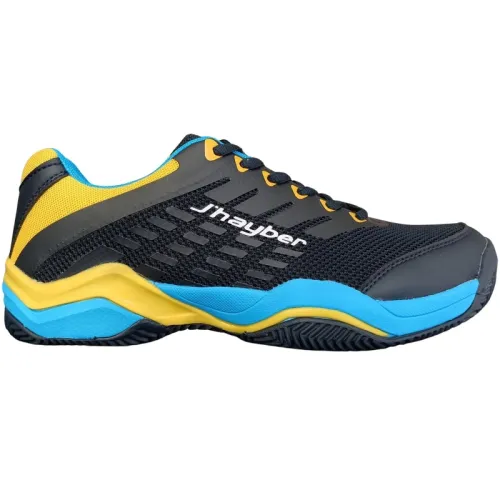
Grip is one of the most crucial aspects in the design of quality padel shoes. Especially during lateral stops, the sole's grip can make the difference between a successful play and a potential injury. The padel court surface, combined with explosive movements, requires a solid base that prevents slips and allows for quick, safe reactions. Therefore, choosing shoes with excellent grip is essential for any player seeking stability, performance, and protection.

Why is grip so relevant in padel?
In racket sports like padel, lateral movements are constant. Proper shoe grip minimizes the risk of unexpected slips, allowing the player to stop in a controlled manner and maintain balance when changing direction. This feature is essential to fully leverage physical and technical potential during play.
What materials and technologies influence grip?
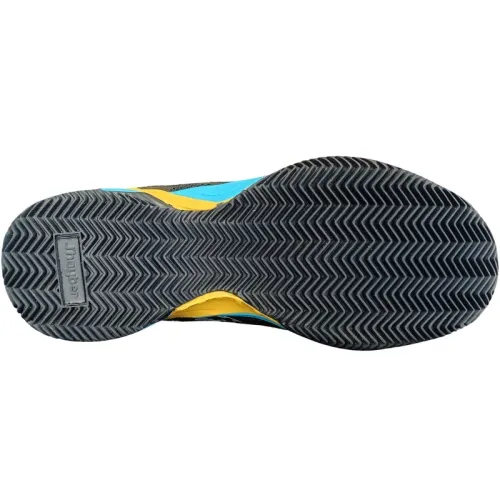
Top brands specializing in padel shoes, such as Adidas, Asics, Babolat or Bullpadel, invest in advanced sole technologies to achieve the best balance between traction and controlled sliding. The most used materials include high-density rubber, wear-resistant compounds, and sole patterns such as herringbone or zigzag, which enhance grip without sacrificing mobility.
Sole patterns and their impact on lateral stops
The sole design directly affects the ability to perform lateral stops. For example, the herringbone pattern, common in many padel shoes, allows dust to be evacuated and maintains direct contact with the court, while mixed soles offer versatility on different surfaces. A suitable pattern minimizes dirt accumulation and ensures that the grip level remains consistent throughout the match.
How does grip affect injury prevention?
The relationship between grip and safety is direct. Insufficient grip can cause slips, sprains, and falls, while excessive grip can lead to joint overloads. For this reason, the best padel shoes seek a balance to provide safety without limiting agility. Furthermore, some brands like Joma or Head develop proprietary technologies that absorb impact and reinforce lateral support, crucial in the sharp braking typical of padel.
The role of fit and cushioning
Good grip should be complemented by precise fit and quality cushioning. This allows the shoe to respond naturally to foot movements, absorbing braking energy and preventing discomfort or long-term injuries.
How to identify padel shoes with good grip?
Besides checking technical specifications, it's advisable to try padel shoes on court. Look for those offering a balance between traction and slide, without rapid sole wear. The opinions of other players and the reputation of brands like Starvie or MUNICH are also good quality indicators. Don't forget to check the latest new arrivals, which often present models with innovations in grip and lateral stability.
What differences exist between leading brands?
Each brand develops patterns and materials with their own particularities. For example, Nox offers double-density soles, while Wilson focuses on durability and lateral support. These differences may better suit certain playing styles or personal needs.
What aspects should be considered when choosing shoes for lateral stops?
Always choose shoes specifically designed for padel, as they are made to respond to the sport's typical movements. Factors such as sole type, material quality, brand reputation, and user comments should be considered. Proper maintenance, like regular sole cleaning, also helps maintain optimal grip. At TiendaPadelPoint you will find a wide selection of leading brands, including Siux and Lotto, so you can compare and choose the best option for your game.
Practical tips to maximize grip
- Clean the sole before and after each match to prevent dust accumulation.
- Use spare shoes to alternate and extend grip life.
- Replace shoes when you notice irregular sole wear.
How does the type of court affect grip during lateral stops?
Optimal grip may vary depending on the court surface (artificial grass, carpet, cement, etc.). Some soles are specifically designed to maximize performance on each type. For example, on artificial grass courts, a herringbone sole is recommended, while on smooth courts, a mixed pattern may be preferable. Knowing the type of court you play on most often will help you choose your next padel shoes more wisely.
Recent innovations in grip and stability
The latest arrivals from top brands include technologies such as lateral reinforcements, next-generation rubber compounds, and cushioning systems that further enhance the lateral stop experience.
Related questions
Padel Guide: Technical Knowledge and Experience Applied to the Game
tiendapadelpoint · Authority in padel, equipment and performance @ Copyright 2026
