

















































































Guia de Padel - PadelPoint
The growth of padel clubs: global statistics and projections
Global growth of padel clubs: figures, trends, and future
Padel has evolved from a local phenomenon to become one of the fastest-growing sports internationally in the last decade. Padel clubs, the epicenter of this revolution, have experienced exponential growth in both number and infrastructure, marking an unstoppable trend in Europe, America, and Asia. Analyzing global statistics and projections for padel clubs is essential to understand the magnitude of this boom and anticipate its future.


Current statistics on padel clubs worldwide
According to recent reports from the International Padel Federation (FIP), there are already over 25,000 padel clubs in more than 90 countries. Spain confidently leads this ranking, followed closely by Italy, France, Sweden, Argentina, and Portugal. The growth trend is clear: in 2015 there were just over 7,000 clubs, and the figure has more than tripled in less than a decade. This growth is also reflected in the diversification of offers: from macro-complexes with dozens of courts to urban boutique clubs focused on premium experiences.
In emerging markets such as the United States and the Middle East, growth is even faster, with padel club projects including high-performance academies and comprehensive social experiences. For those looking to equip themselves with the latest See ALL products, TiendaPadelPoint offers an up-to-date catalog for all needs.
Factors driving the boom in padel clubs
Several factors explain this global phenomenon. First, padel's accessibility: it is easy to learn, suitable for all ages and levels, which makes it easier for clubs to attract new players. Secondly, the social aspect has made the padel club a regular meeting point for families, friends, and companies, strengthening the sense of community.
Finally, the professionalization of facilities (LED lighting, state-of-the-art turf, complementary services) and the arrival of leading brands in equipment and fashion, such as BB WOMEN and NOX collections, have elevated the user experience in clubs.
How is the growth of padel clubs distributed across continents?
Europe continues to set the pace, with Spain, Italy, and France at the forefront. However, Northern Europe (Sweden, Finland, Norway) has become the new epicenter thanks to innovative business models and the integration of padel in gyms and sports centers.
In Latin America, Argentina and Brazil maintain supremacy, while in Mexico and Chile padel has moved from a trend to an integral part of local sports culture. The United States has seen exponential growth, with the opening of large clubs and the entry of investors from tennis and fitness.
Asia and the Middle East, especially the United Arab Emirates and Qatar, have made a strong commitment to padel, building luxury clubs and organizing international events that position the continent as one of the most promising markets for the coming decade.
Projections for the next decade
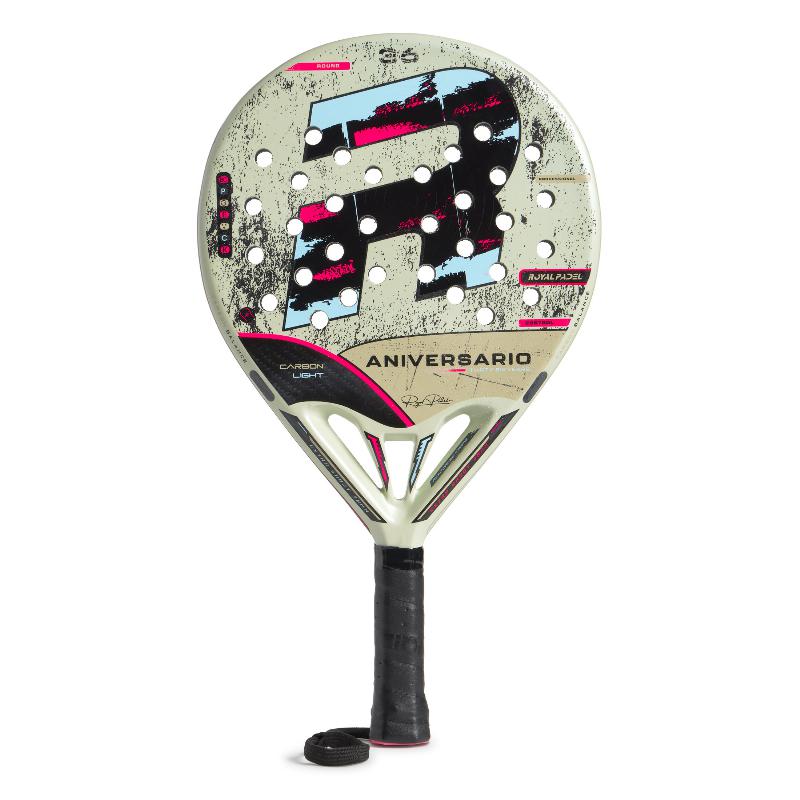
Projections estimate that by 2030, the number of padel clubs worldwide could exceed 50,000. Growth will be particularly strong in Asia, the United States, and Northern Europe, where padel still has huge development potential. Demand for quality equipment, such as the Bullpadel Bea Gonzalez Pearl MX LTD Racket or the Royal Padel Racket 36th Anniversary Light 2026, will increase in parallel with the expansion of these clubs.
Estimates also foresee greater specialization in clubs: from high-performance centers for professional players to family-oriented clubs with catering, fitness services, and activities for children. Digitalization and sustainability will be key, with smart booking systems and a growing commitment to eco-friendly materials.
What opportunities does the growth of padel clubs offer?
The boom in padel clubs creates opportunities for entrepreneurs, coaches, sports brands, and tech companies. The construction of new facilities, demand for certified trainers, and need for cutting-edge equipment drive the local economy and job creation.
Furthermore, padel promotes a healthy lifestyle. Clubs are becoming wellness centers, where physical activity is combined with socialization and personal development. In this context, products like the Pala Adidas Adipower A1 Padel 2025 stand out for their innovation and performance, suiting the needs of players at all levels.
The importance of new products and innovation in the sector
Competition among clubs has led to a steady stream of new products in equipment, technology, and services. From panoramic courts to smart training systems and cutting-edge technical apparel, innovation is the driving force behind the sector's sustained growth and appeal.
At TiendaPadelPoint you will always find the latest trends and products adapted to the evolution of padel, offering a safe, fast shopping experience backed by industry experts.
How will the growth of clubs affect the future of padel?
The expansion of padel clubs will directly impact the sport's professionalization, the emergence of new talent, and the consolidation of major international circuits. Clubs will be key in player development, tournament organization, and the spread of padel culture.
Internationalization will also lead to greater integration with other sports and the creation of hybrid business models. Thanks to the growth of its clubs, padel is positioning itself as a global reference, combining tradition, innovation, and community.
Summary and prospects
- More than 25,000 padel clubs worldwide and an estimate to double this figure by 2030.
- Europe and Latin America as leaders, with strong growth in Asia and the United States.
- Opportunities for entrepreneurs, brands, and athletes thanks to the expansion and specialization of clubs.
- Innovation and sustainability as drivers of the sector's future.
The future of padel is closely linked to the development of its clubs. Every new court and club opens the doors to more enthusiasts, consolidating padel as one of the sports with the greatest growth potential in the 21st century.
