

















































































Guia de Padel - PadelPoint
Complete guide to rebounds in padel court corners
How to anticipate the rebound in corners to dominate every rally
The rebound in padel court corners is one of the most technical aspects that confuses both beginners and advanced players. Understanding how the ball behaves after hitting two walls can make the difference between winning or losing a key point. In this corner rebound guide, we cover everything from the ball's basic physics to the most effective strategies for anticipating and successfully returning these shots.
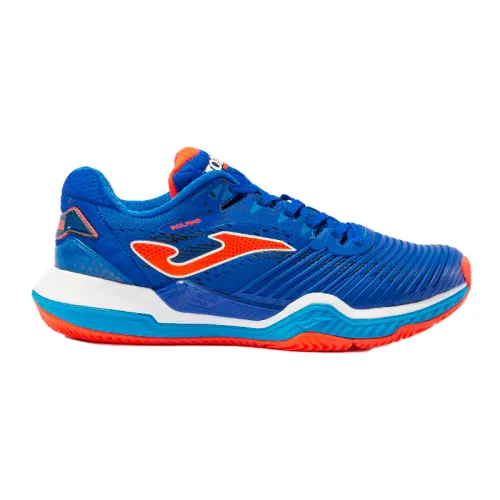
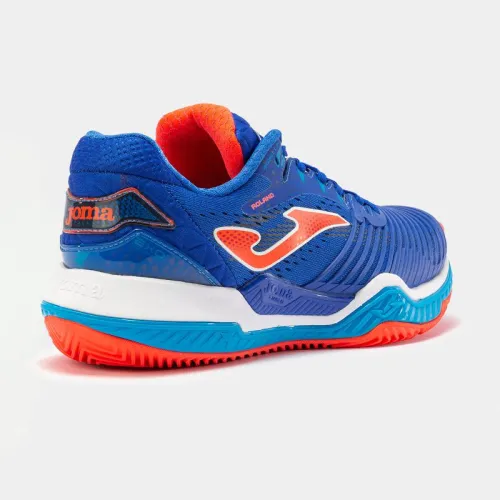
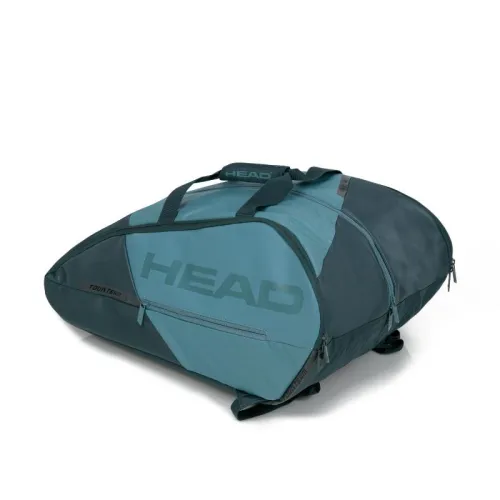
Court corners are challenging because the rebound can vary in angle, speed, and height. By choosing your padel rackets and padel shoes wisely, you can greatly improve your mobility and response. Additionally, rackets bags let you transport all your gear comfortably and safely.
The physics of the corner rebound
When the padel ball hits the corner, the exit angle depends on the entry speed, the pressure of the padel balls, and the wall's quality. Good rebound reading requires experience and observing the ball's spin, since cut or topspin shots can radically alter the trajectory after the rebound.
The double rebound is usually slower and lower, while if the ball first hits the side wall and then the back wall (or vice versa), the angle can be more open or closed depending on power and spin. Adjusting your position and predicting where the ball will go is key to controlling the point.
What movements and postures are key to responding to the corner rebound?
Positioning is the key to making the most of the corner rebound. Stay flexed, with your weight on your toes and your racket at waist height. Step forward with the foot opposite your dominant hand to gain balance and reaction time.
Specific drills to improve your response
- Practice short lateral movements to reach the corner quickly.
- Simulate double rebounds with a coach or partner.
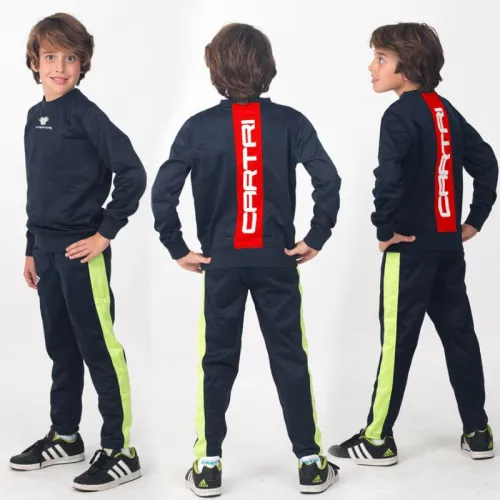
- Use technical padel clothing that favors mobility.
Brands like Adidas and Head are known for shoes and rackets that boost agility and control in these situations.
How do racket and ball type affect the corner rebound?
The choice of racket and ball directly affects how the rebound behaves. Teardrop or control rackets allow greater precision on shots close to the wall, while high-pressure balls tend to rebound faster.
Product recommendations
If you want more control in the corners, try rackets from brands like Bullpadel, Nox, or Babolat. These brands, available at TiendaPadelPoint, offer models designed for defensive play and to help with difficult rebound shots.
For balls, choose high-quality balls from Dunlop or Wilson for predictable response even in the toughest corners.
What mistakes should you avoid when playing corner rebounds?
A common mistake is waiting too long for the ball, reducing your preparation time. Another is hitting with your racket too open or too closed, causing inaccurate or out-of-court shots.
Tips to minimize mistakes
- Don't hug the wall-keep a safe distance at all times.
- Watch the trajectory and spin closely.
- Use padel accessories like anti-slip grips to improve racket handling in tricky shots.
Remember that regular practice and analyzing match play are fundamental to reducing mistakes in these situations.
How can you use the corner rebound to surprise your opponent?
Mastering the corner rebound is not just for defense but also for attack. A well-executed shot after a double rebound can be unreturnable for your opponent. Take advantage of the confusion the rebound creates to change the rally's pace or execute unexpected lobs.
Examples of offensive plays
- Short lob after the rebound to force your opponent back.
- Fast cross-court shot to the other corner.
- Soft drop shot near the net using the confusion after the rebound.
To keep up with the latest news on products and padel techniques, visit our special section. Don't forget to check our OUTLET for top-quality gear at discounted prices.
Padel Guide: Technical Knowledge and Applied Experience in the Game
tiendapadelpoint · Authority in padel, equipment and performance @ Copyright 2026
