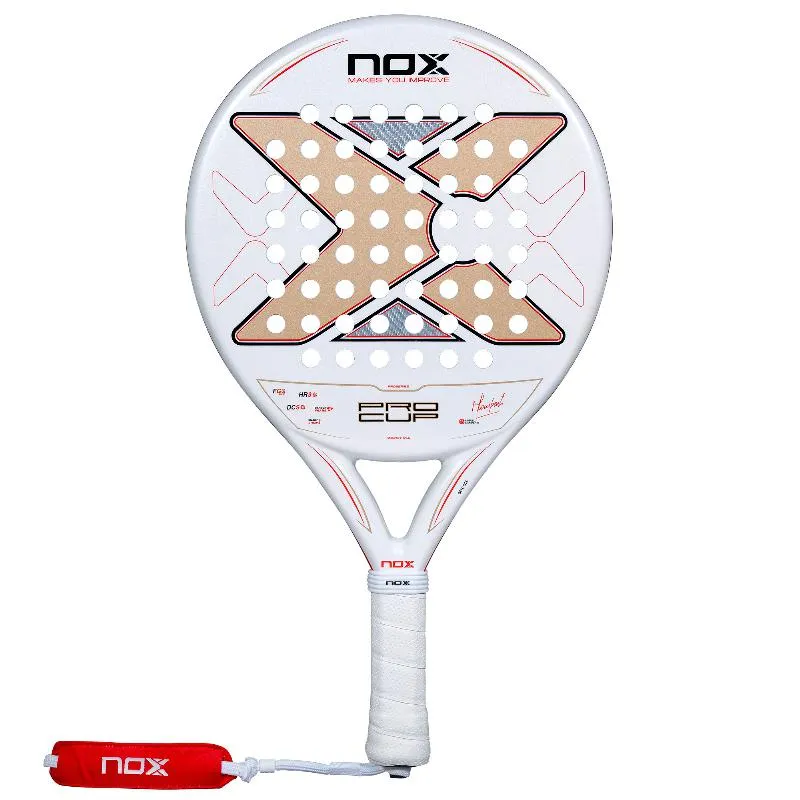
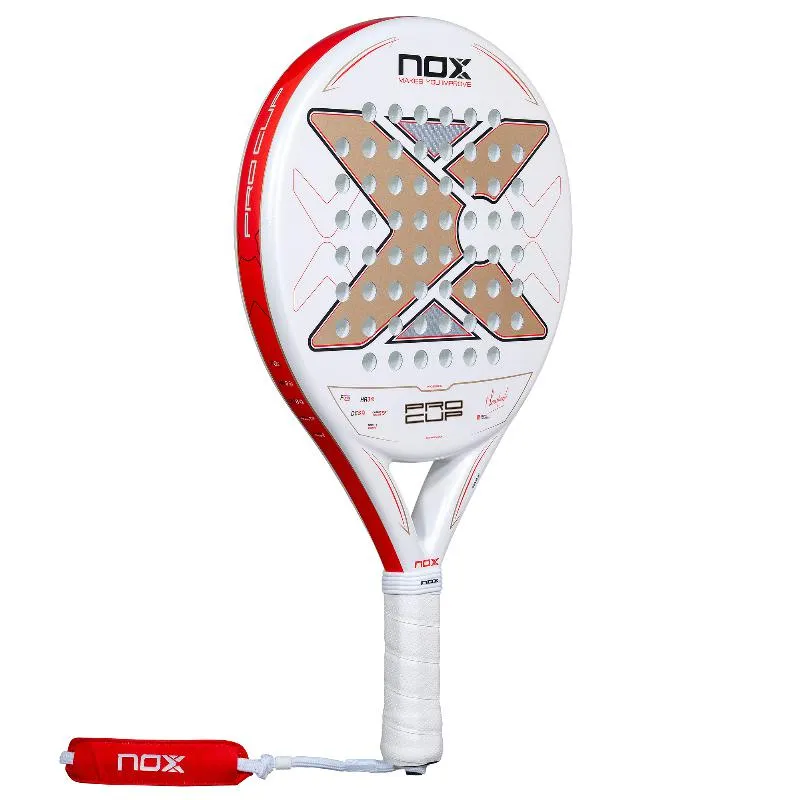
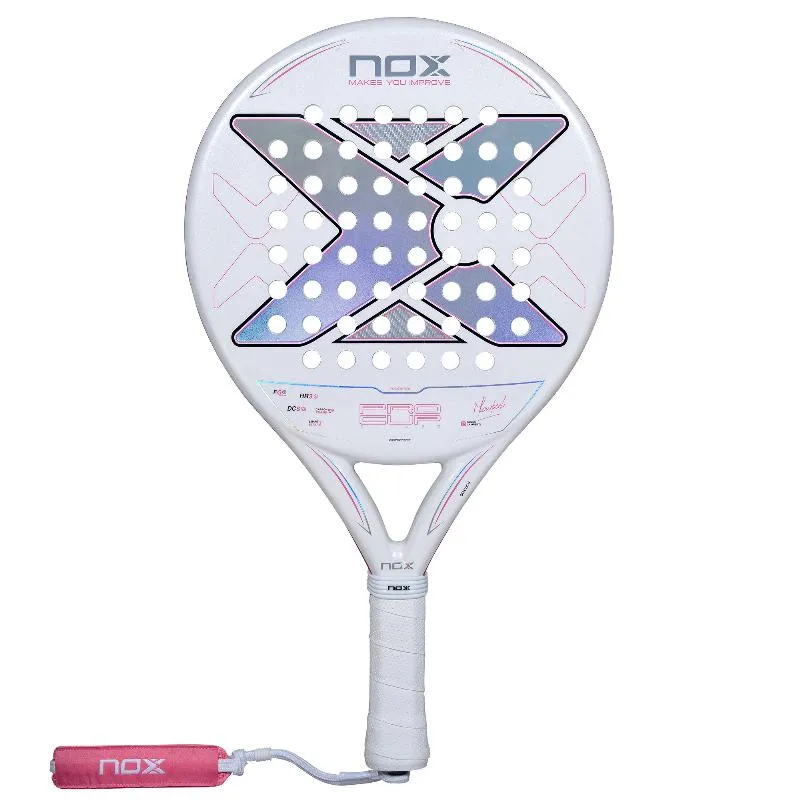
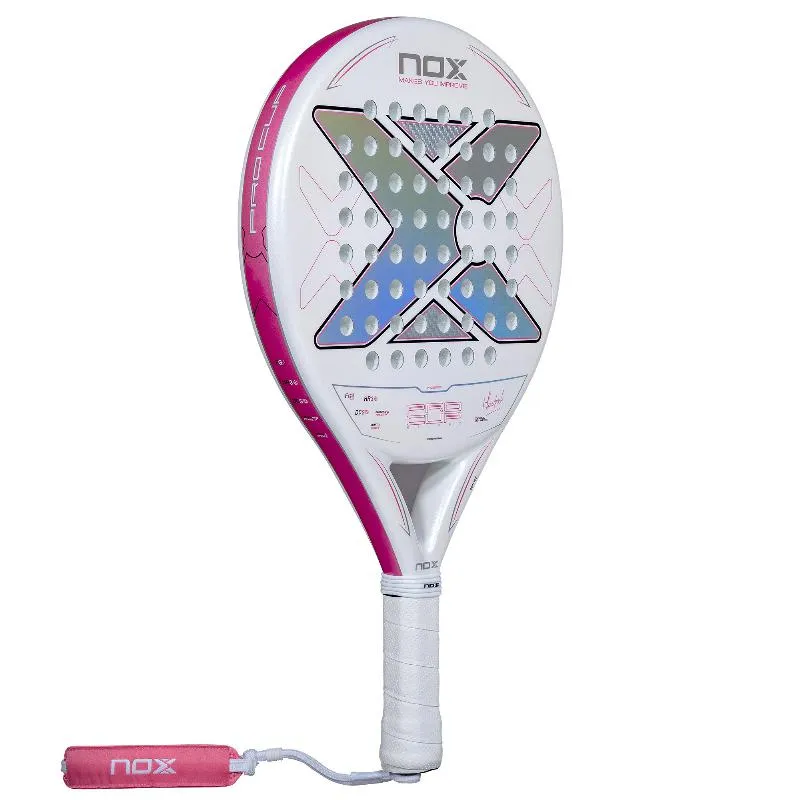
















Guia de Padel - PadelPoint
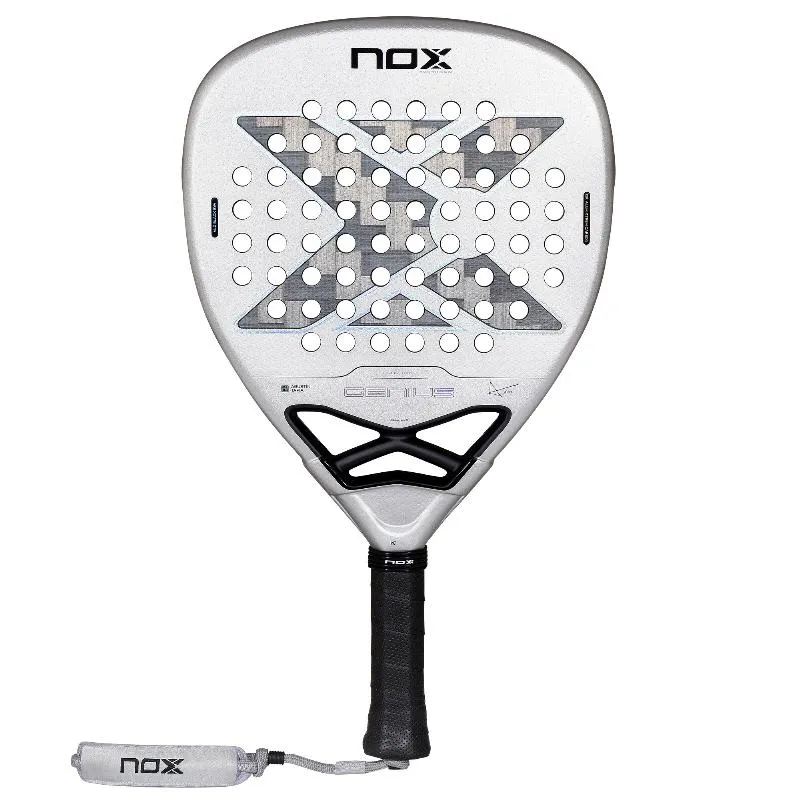
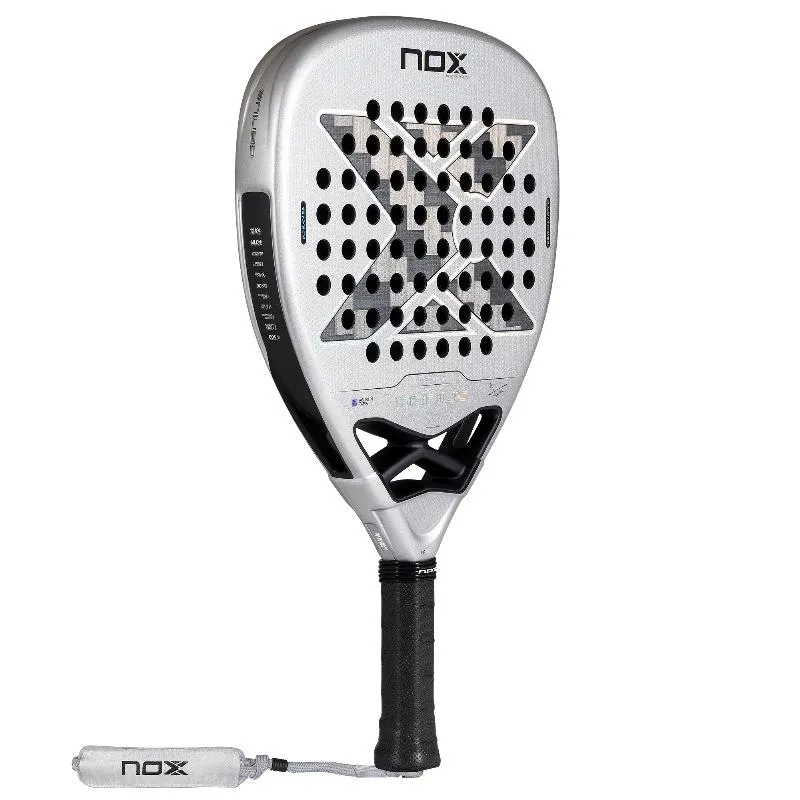
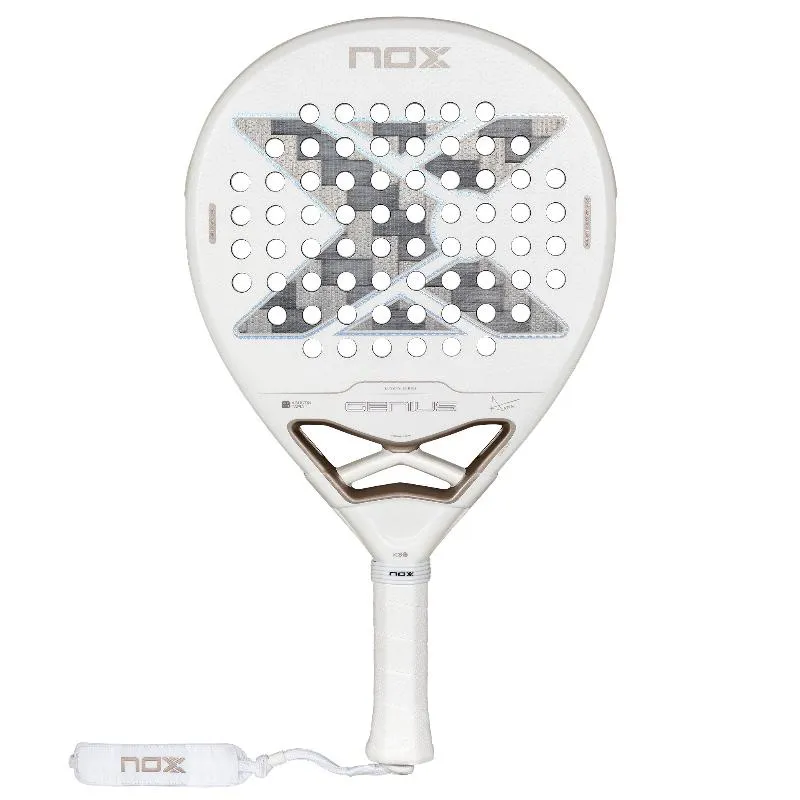
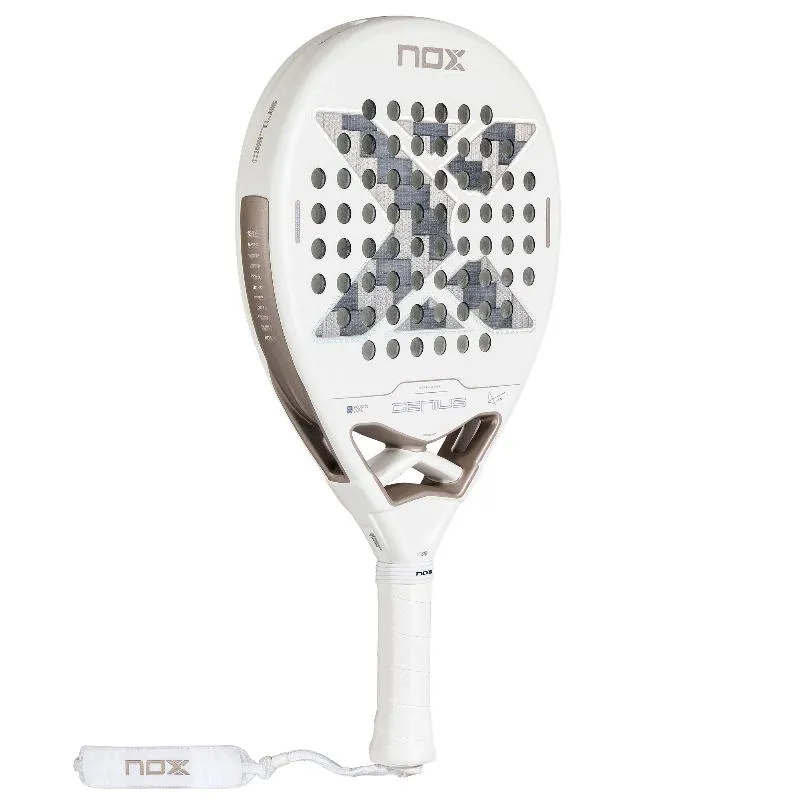
Complete guide to padel racket frames and structures
How frame and structure affect padel performance
The frame and structure of padel rackets are key aspects that determine the power, control, durability, and feel of each model. By understanding their differences and features, you can choose the racket that best suits your style and level. At TiendaPadelPoint, we guide you in choosing your next racket by providing information on frames, technologies, and leading brands.
Why is the frame so important?
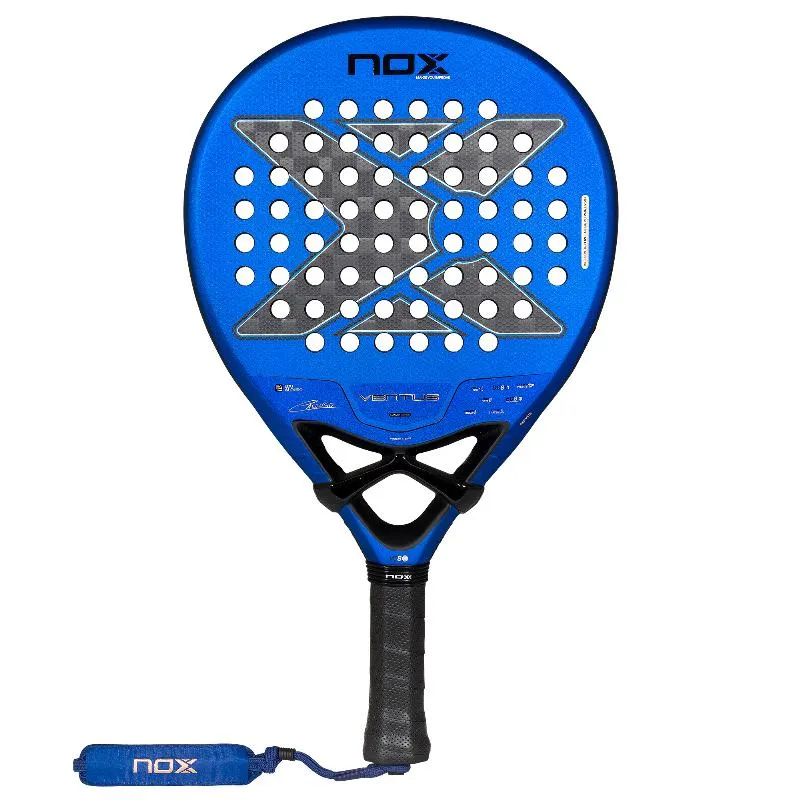
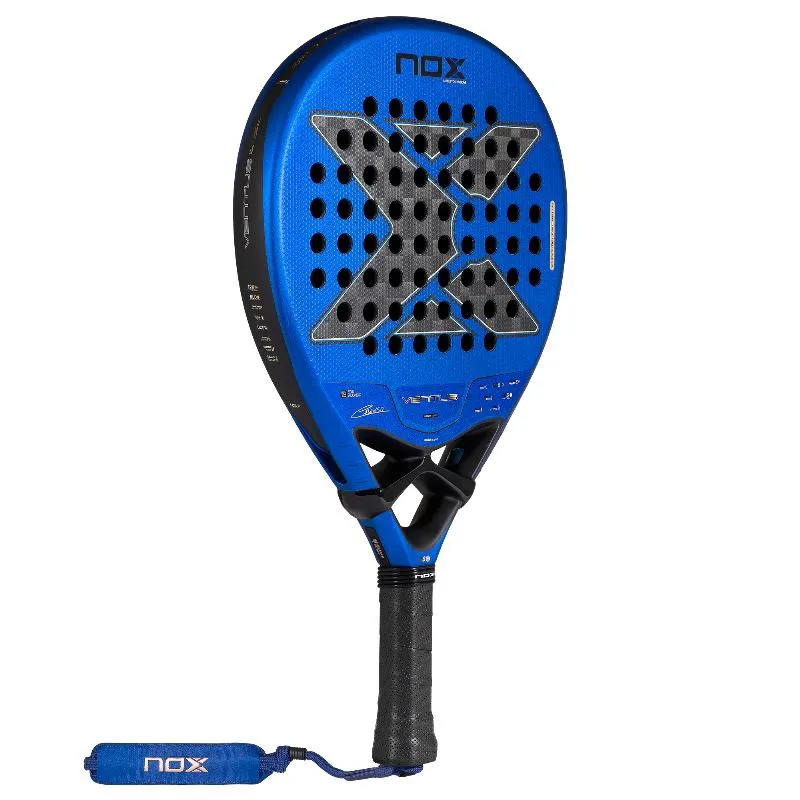
The frame of a padel racket is the base on which the entire structure is built. Its main function is to provide resistance and rigidity to the whole, protecting the core and improving the hitting feel. Also, the material and thickness of the frame directly influence weight, durability, and power. For example, carbon frames offer greater lightness and robustness, while fiberglass frames stand out for their flexibility and more accessible price.
- Carbon frames: high strength, lightness, and durability.
- Fiberglass frames: more elasticity, comfortable feel, and competitive price.
- Other materials: hybrid compositions and exclusive technologies from certain brands.
What types of structures are there in padel rackets?
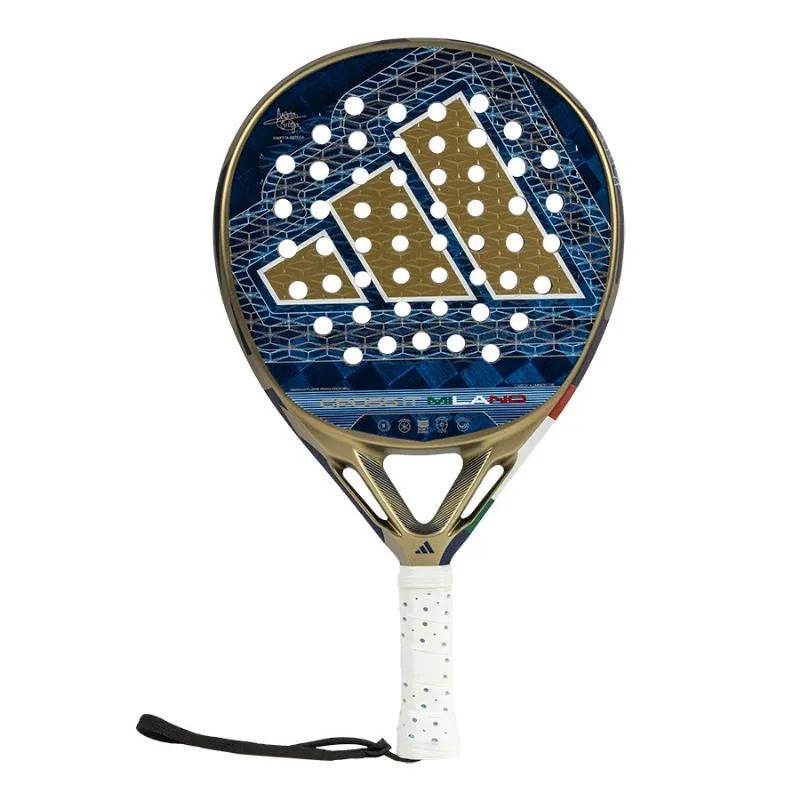
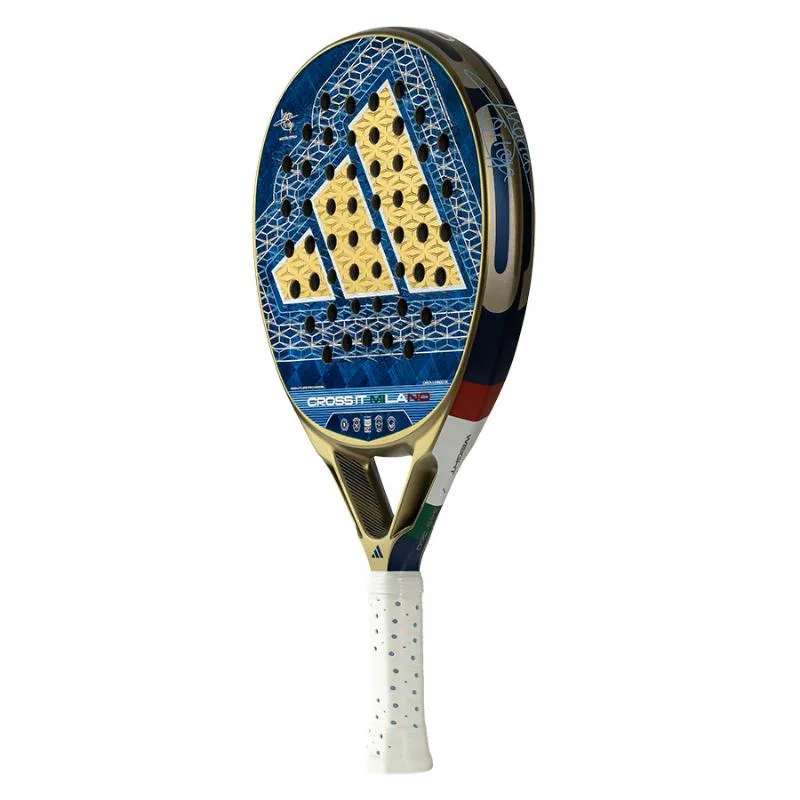
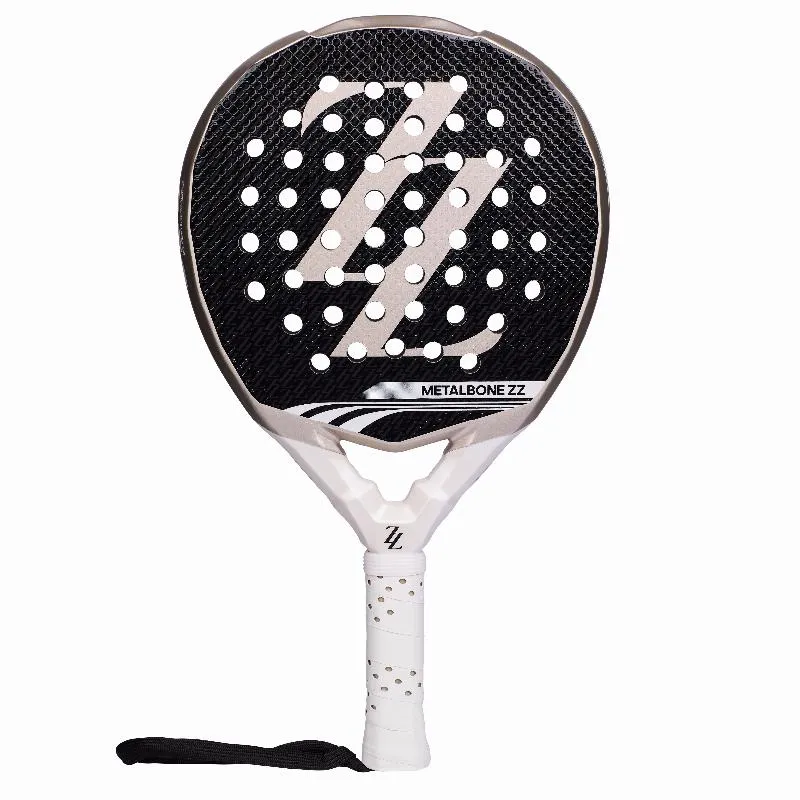
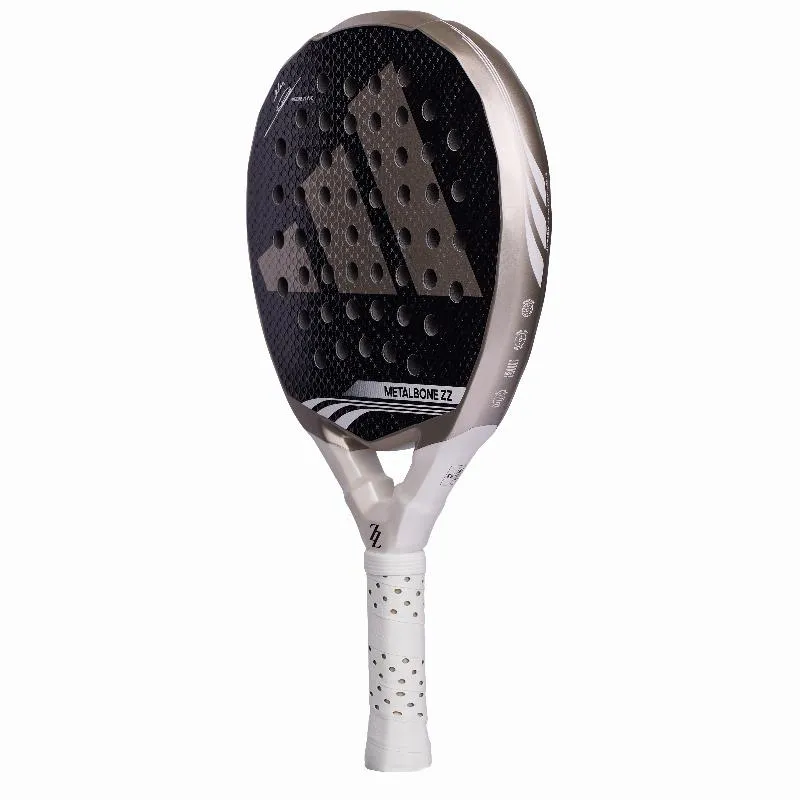
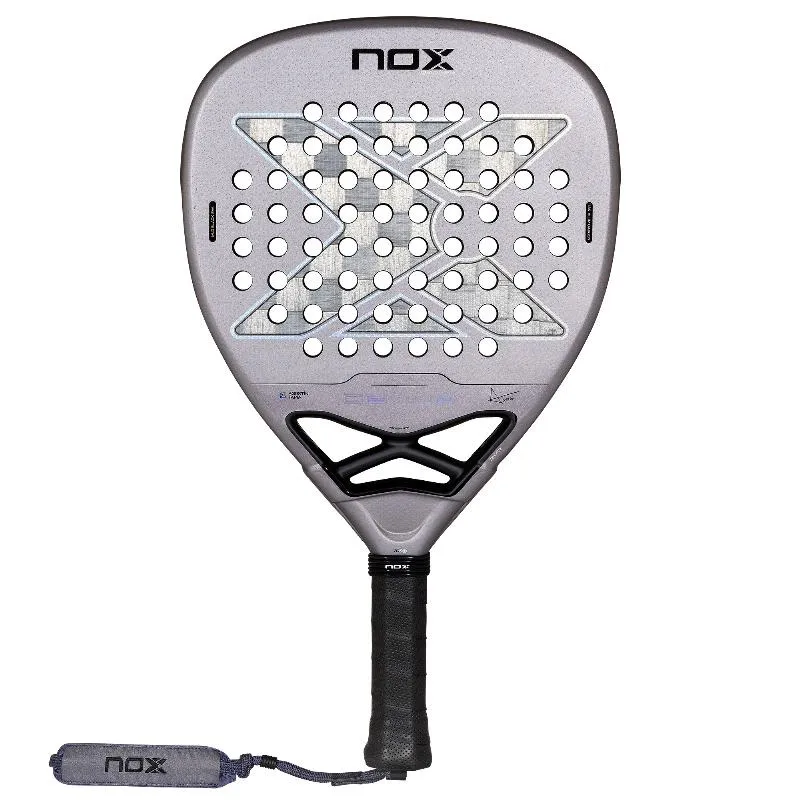
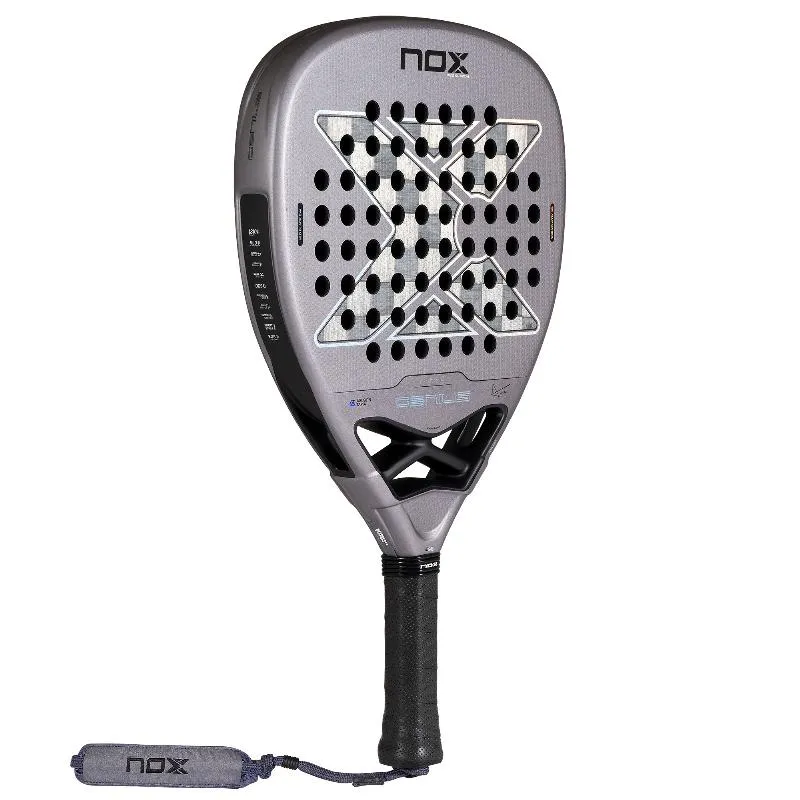
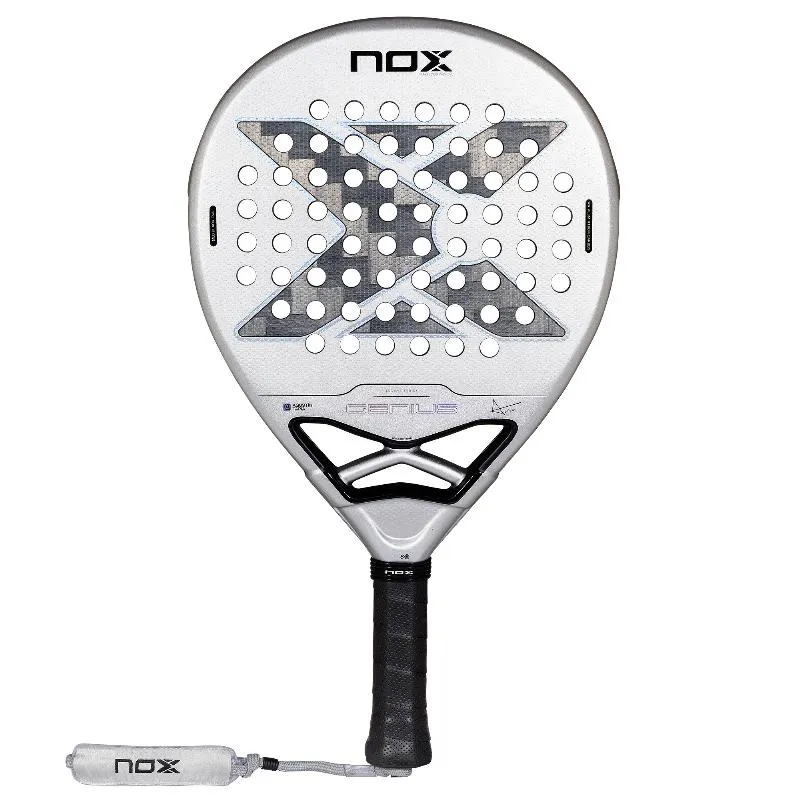
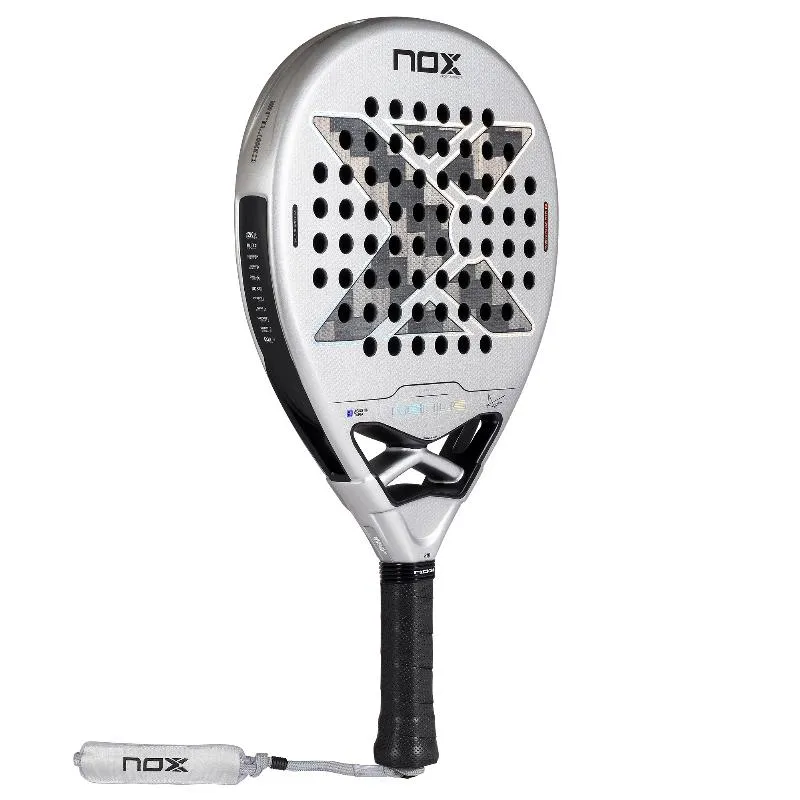
The structure of a padel racket includes the frame, core, and faces. There are different configurations that affect racket behavior on court:
- Simple tubular structure: Used in beginner and mid-range rackets, provides a good balance between price and performance.
- Double tubular structure: Reinforces resistance and stability, very common in professional or high-end rackets.
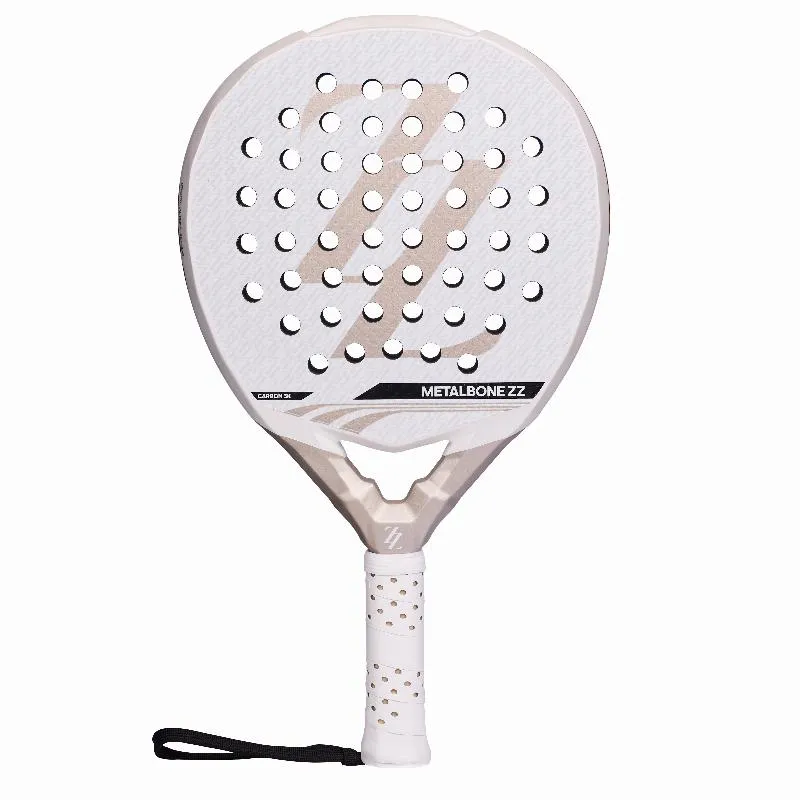
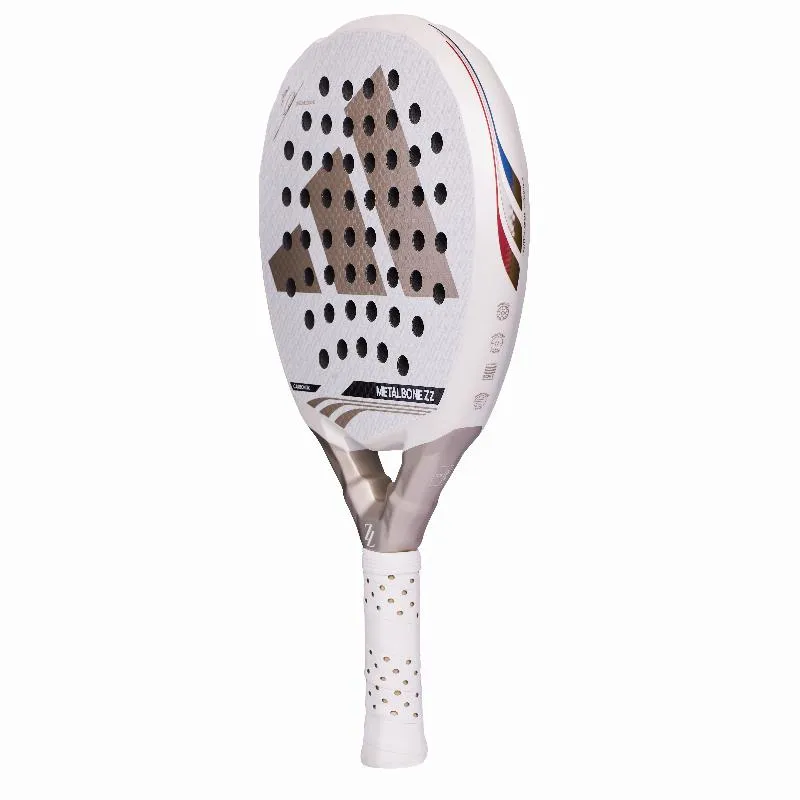
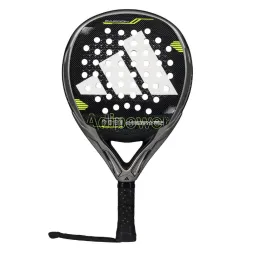
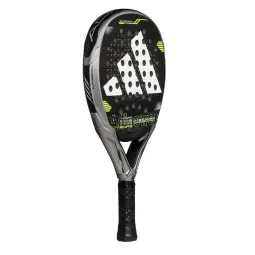
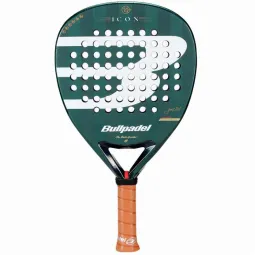
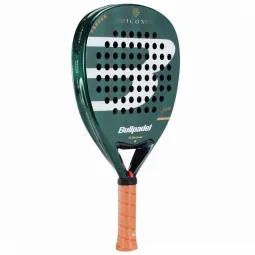
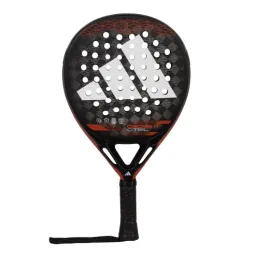
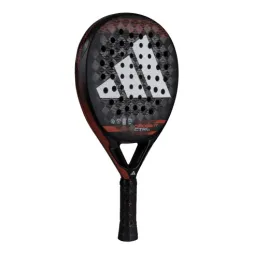
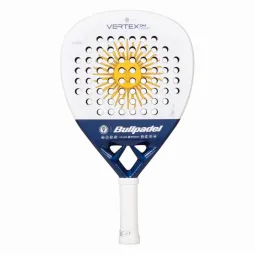
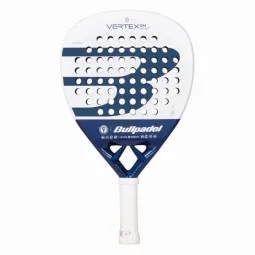
- Structure with extra reinforcements: Some brands like Adidas or Bullpadel incorporate proprietary technologies to increase durability and the sweet spot.
The choice between one structure or another depends on factors such as playing level, type of shot, and personal preferences.
The importance of the type of joint in the frame
The way the frame is joined to the faces and the core affects vibration transmission and durability. Modern rackets incorporate systems to minimize discomfort and prevent injuries such as epicondylitis.
What are the most used materials and how do they influence?
The material used in the frame and structure determines the racket's behavior. Carbon, fiberglass, kevlar, basalt, and hybrid combinations are the most common:
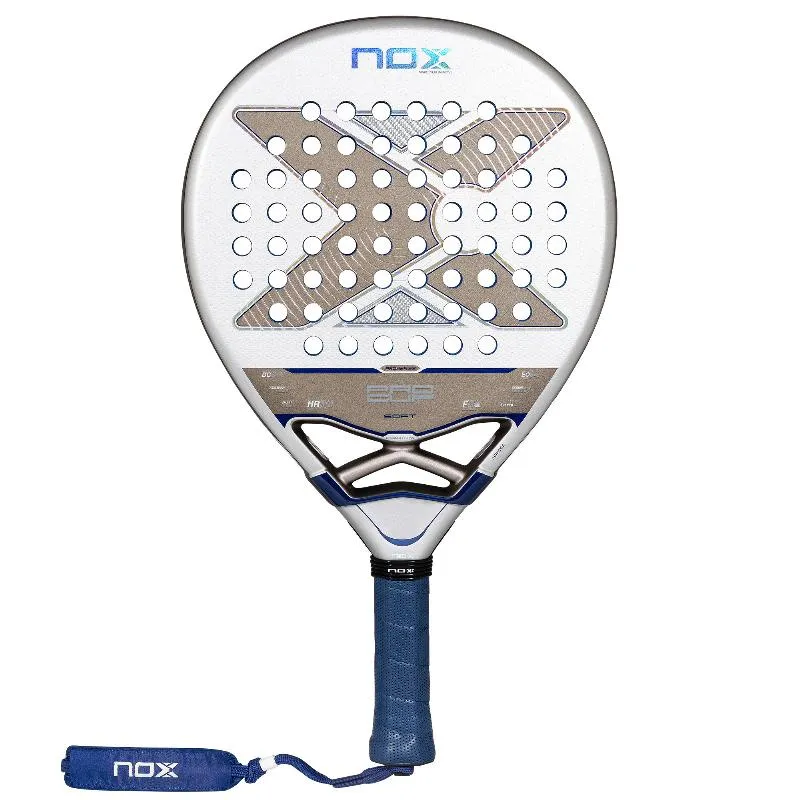
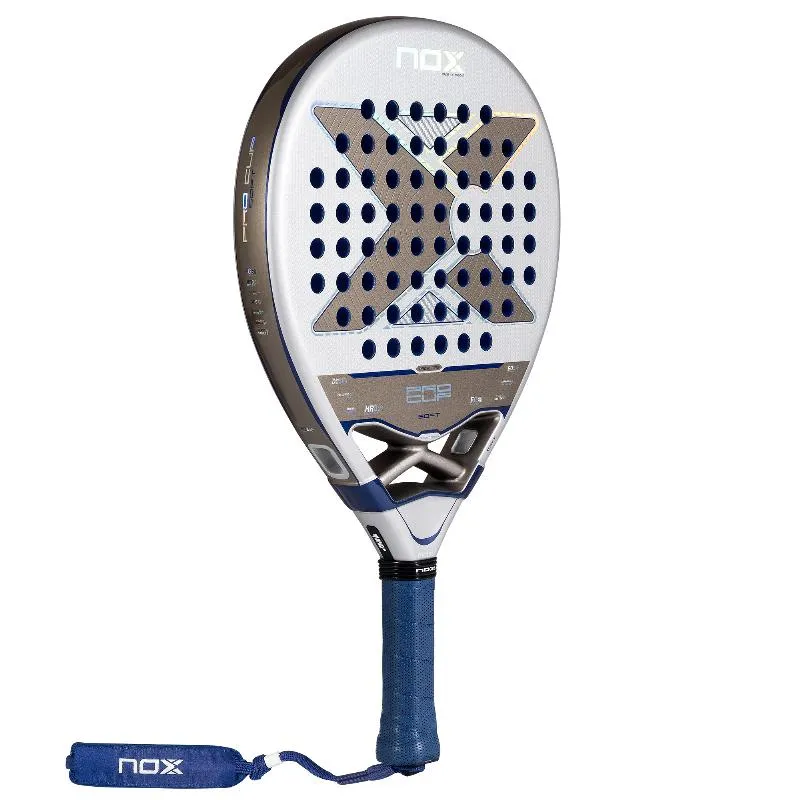
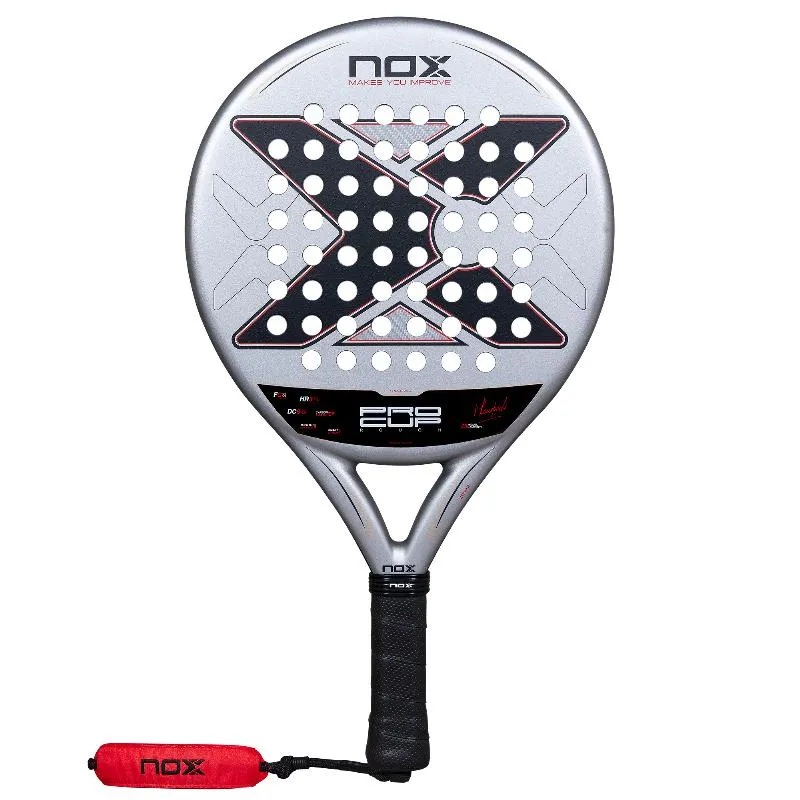
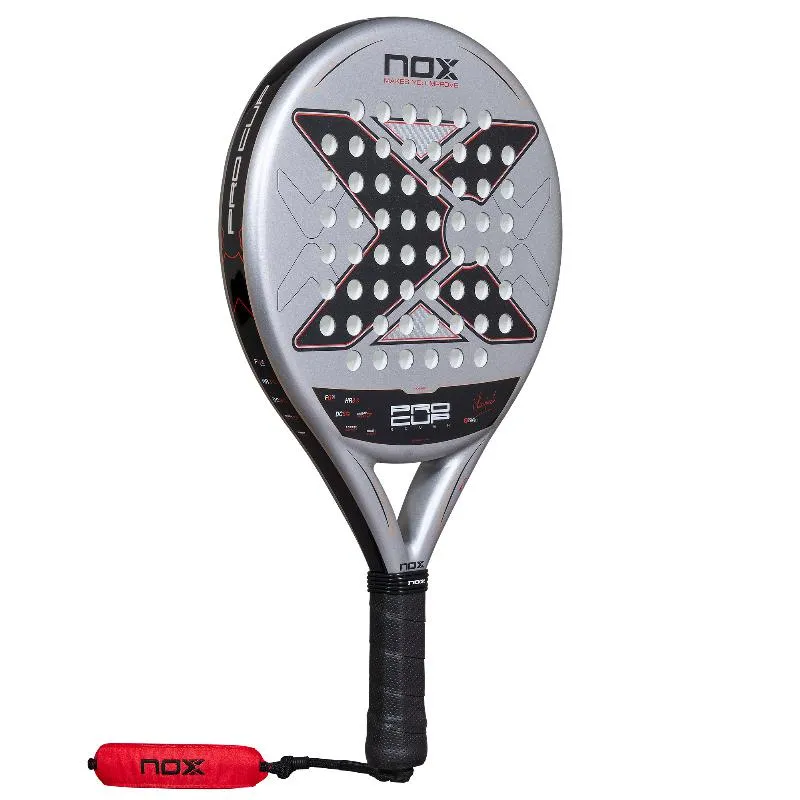
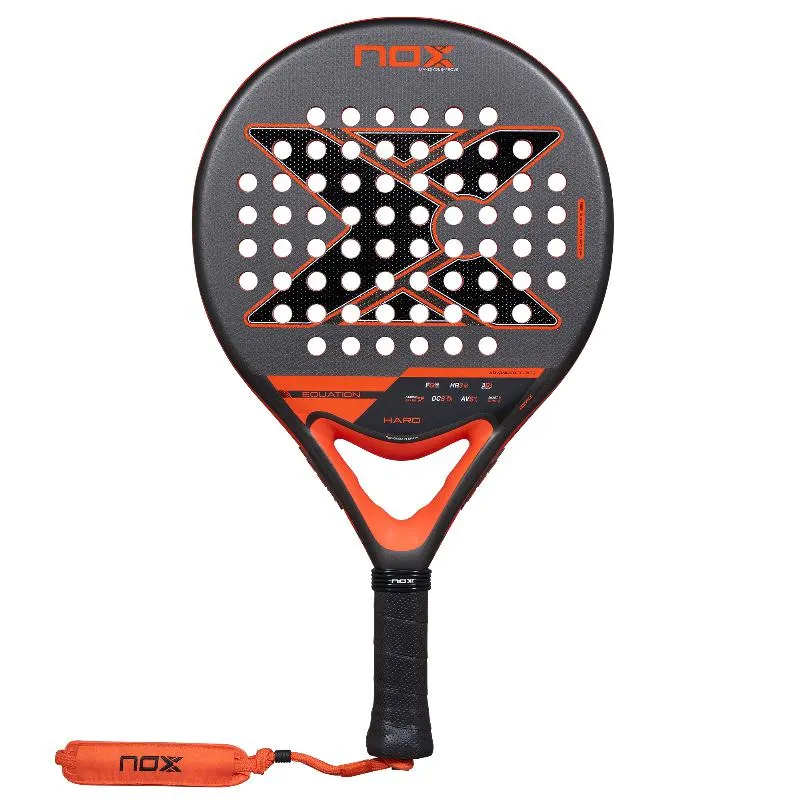
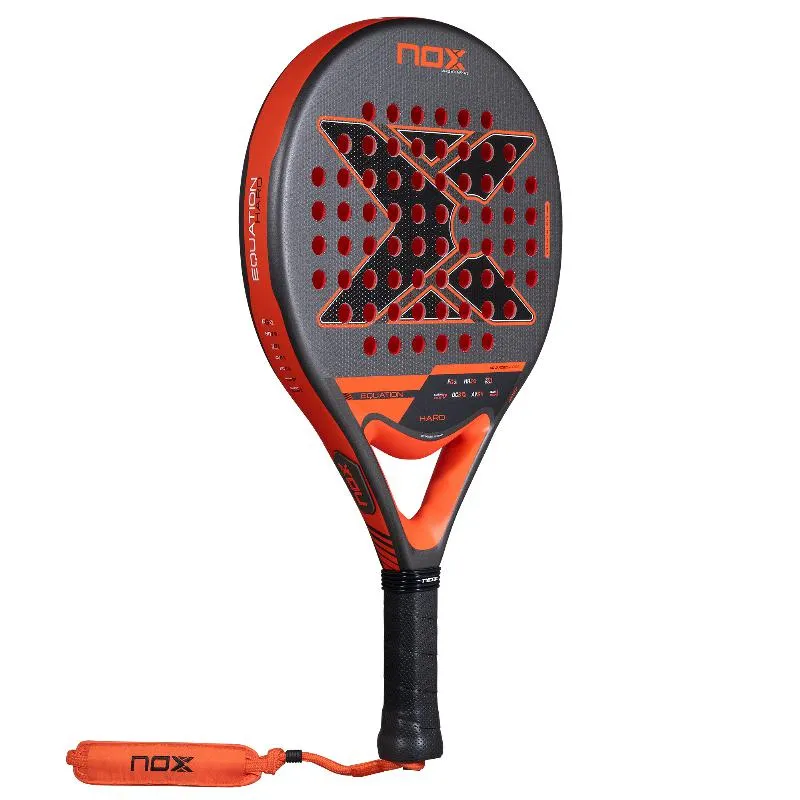
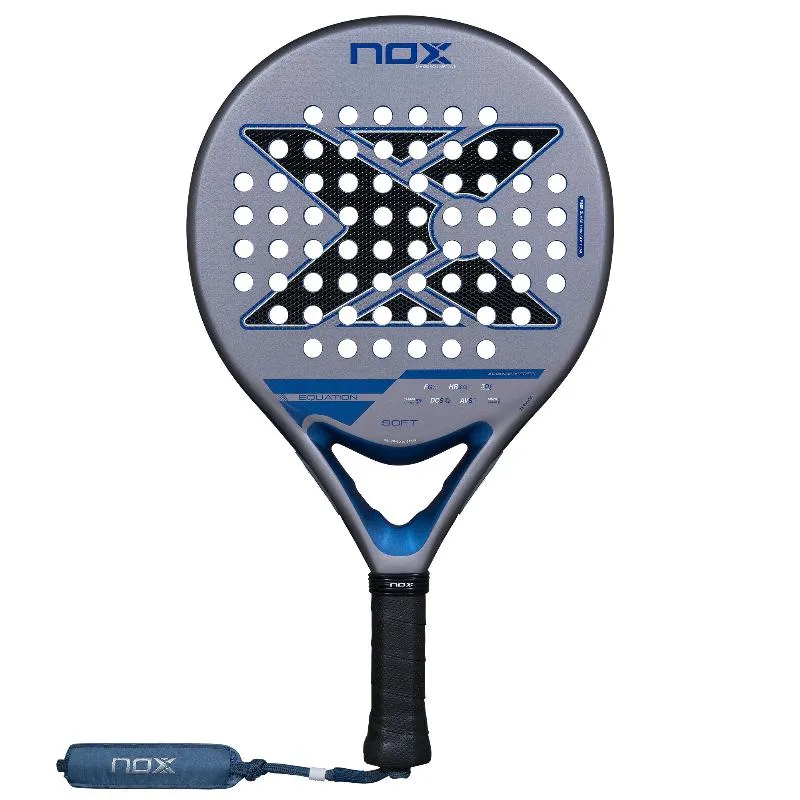
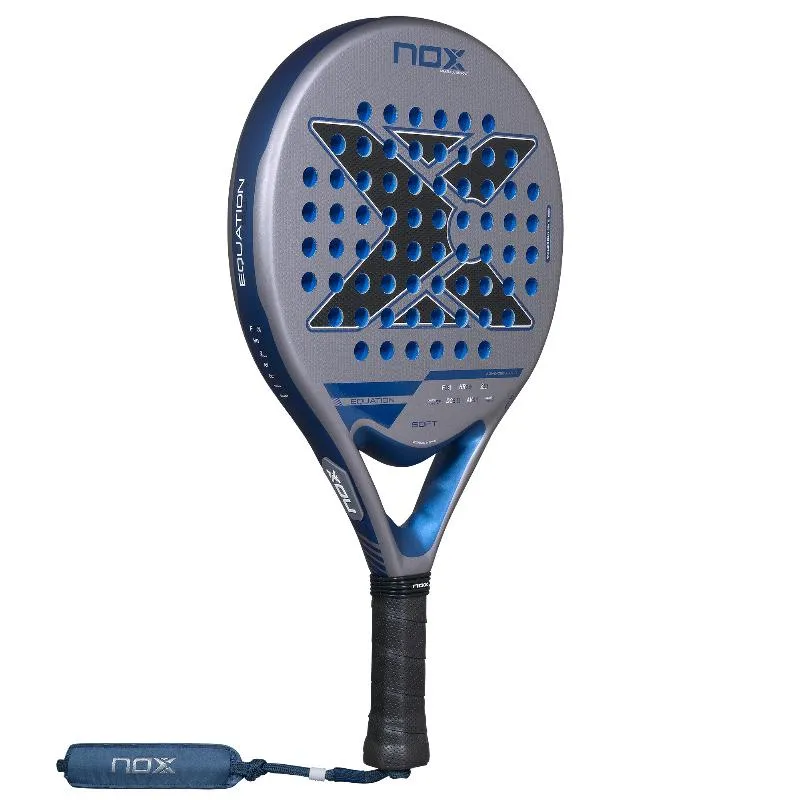
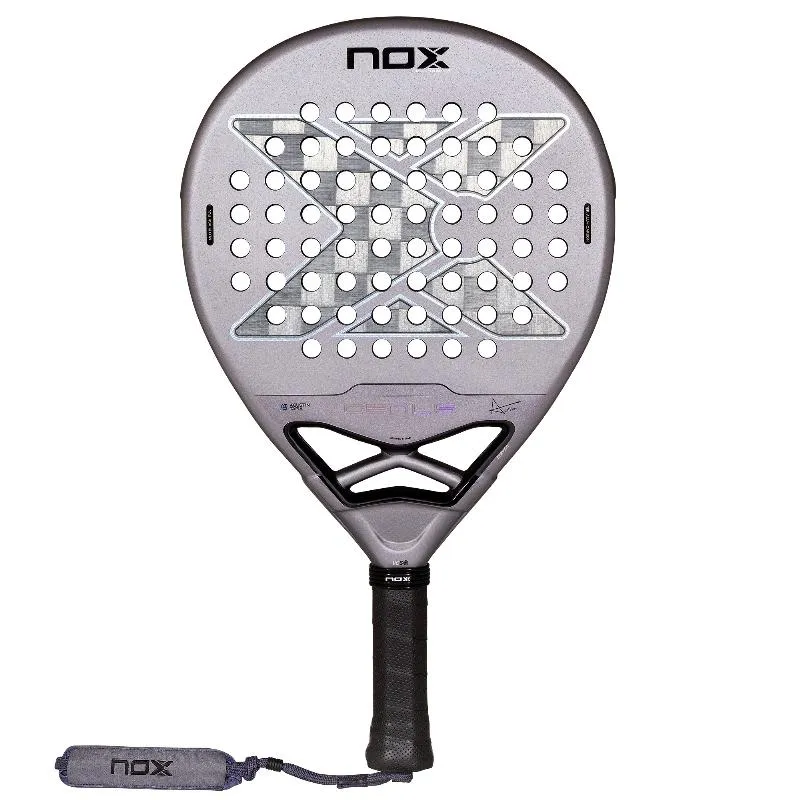
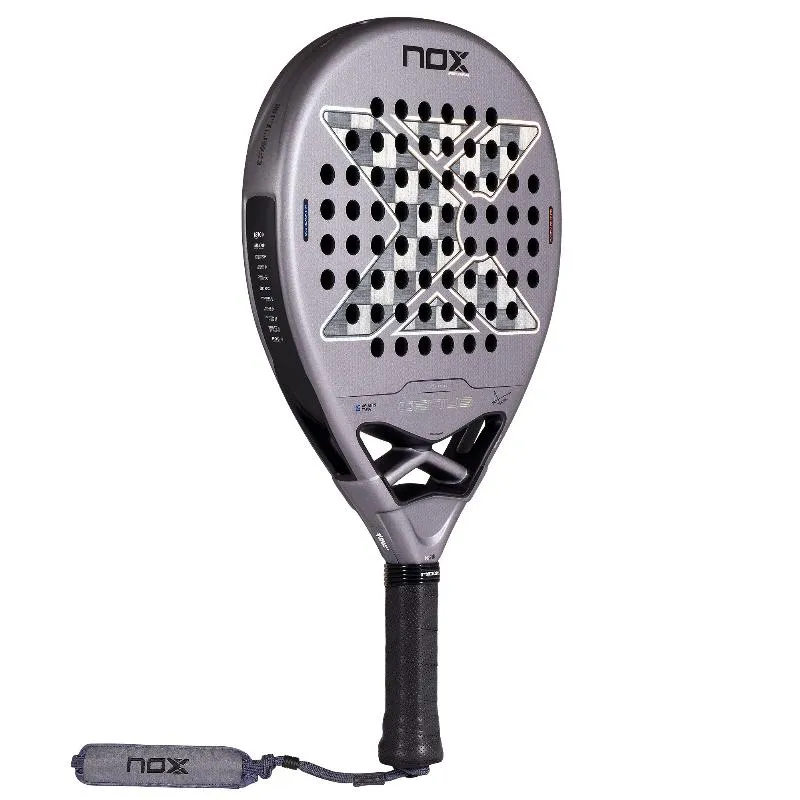
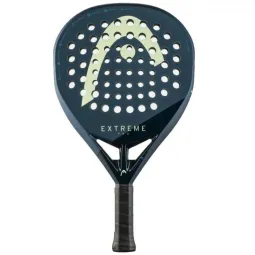
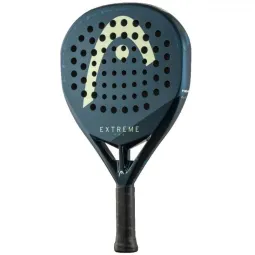
- Carbon: The most valued for its lightness, resistance, and immediate response. Rackets from brands like Nox or Head often use carbon in their premium construction.
- Fiberglass: More flexible and affordable, provides greater control and ball output, ideal for progressing players.
- Basalt and Kevlar: Specific materials that provide additional resistance and better vibration absorption.
Some innovative brands like Siux, Babolat, or Starvie bet on advanced combinations to optimize playability.
What technologies are applied in frame design?
Each season brings new developments in frame and structure technologies. Among the most notable:
- Anti-torsion reinforcements for greater stability.
- Aerodynamic profiles that improve swing speed.
- Reinforcements in key areas to prevent breakage from impacts.
Innovation in this field is constant and allows players to access increasingly specialized rackets.
Which brands strongly support innovation in frames and structures?
The main padel brands compete to offer the highest quality and innovation in their frames. Leading manufacturers include Adidas, Babolat, Bullpadel, Head, Nox, Starvie, and Siux. Each develops proprietary technologies that make a difference on the court.
For example, Bullpadel incorporates vibration absorption systems in reinforced frames, while Adidas relies on high-performance fibers and structural reinforcements in strategic areas.
How to choose the best brand according to your profile?
If you are looking for padel rackets with state-of-the-art frames, explore the catalog of leading brands at TiendaPadelPoint and select your favorite according to your playing style and needs.
How do the shape and thickness of the frame influence?
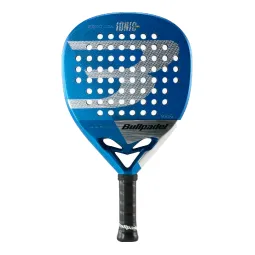
The frame shape (round, teardrop, diamond) determines the sweet spot and balance of the racket. The thickness (usually 36-38 mm) affects both power and control:
- Thick frames: provide more power, ideal for offensive players.
- Thin frames: favor control and maneuverability, recommended for technical players.
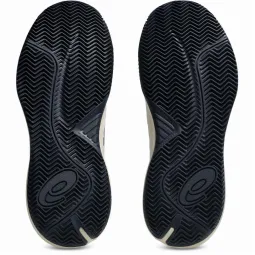
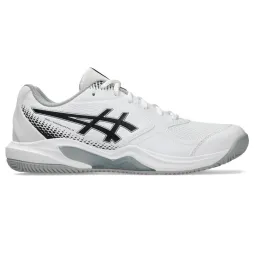
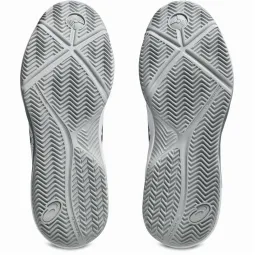
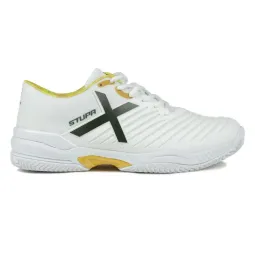
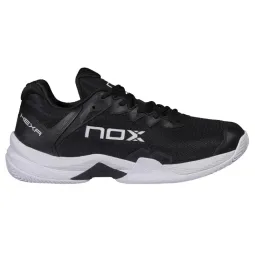
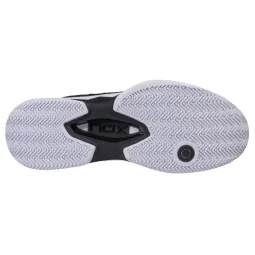
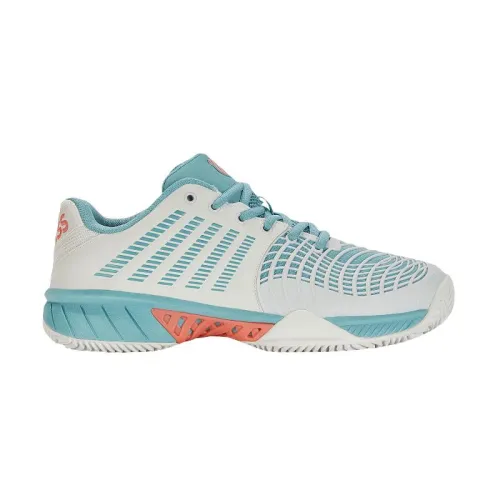
Along with the frame choice, it is worth paying attention to accessories such as padel accessories and padel shoes, which also influence overall performance.
What maintenance does the racket frame require?
Avoiding direct hits, protecting the racket with covers, and cleaning it regularly are key to prolonging the useful life of the frame and structure.
How to know which racket to choose according to its structure?
The choice of a padel racket should be based on your level, playing frequency, and personal preferences. If you are a beginner, a simple and resistant structure is most suitable. Advanced players can opt for carbon frames and technological reinforcements that enhance their performance.
- Assess the type of play: offensive, defensive, or versatile.
- Choose materials that suit your needs.
- Trust recognized brands with good technical reputation.
Don't forget to check the new releases of the season to discover the latest in frames and structures.
In short, knowing the secrets of padel racket frames and structures will help you improve your game and avoid injuries. At TiendaPadelPoint we have the largest variety of models, brands, and accessories so you always find the perfect racket for you.
Padel Guide: Technical Knowledge and Applied Game Experience
tiendapadelpoint · Authority in padel, equipment, and performance @ Copyright 2026