









Guia de Padel - PadelPoint
How padel balls work
Understanding how padel balls work in the game
Padel balls are a fundamental element for enjoying this sport with maximum quality and performance. Their operation is closely linked to their composition, internal pressure and the materials with which they are made. In this guide, we reveal all the secrets about how they work and why choosing the right ball can make a difference in every match.
What makes a padel ball special?
The difference between a padel ball and a tennis ball lies mainly in the pressure, the size and the type of felt covering the surface. A padel ball has lower pressure, which gives it a more controlled bounce, adapted to the court and the dimensions of this sport. By visiting our padel balls section, you can check out the variety of models and brands available, each with its particularities in terms of durability and performance.
What are the materials and structure of padel balls?
Padel balls are made up of a rubber chamber covered with synthetic felt. The rubber chamber is responsible for storing the internal pressure, while the felt provides resistance and a pleasant touch. The best brands, such as Bullpadel, Head or Dunlop, invest in their own technologies to improve both durability and bounce behaviour.
The role of pressure in operation
The pressure of a padel ball is usually around 11 psi (pounds per square inch), lower than a tennis ball, allowing the bounce to be lower and more controlled. It is important to know that balls lose pressure from the moment they are opened, so there are accessories such as pressurizers that help keep them in optimal condition. You can find these padel accessories to prolong the useful life of your balls.
Why is it important to choose the right padel ball?
Choosing the right padel ball directly impacts game speed, control and durability. Renowned brands such as Babolat or Wilson offer options for different levels of play and types of court. In addition, at TiendaPadelPoint you can compare padel balls from Nox, Starvie, Vibora and many others, adapted to your needs and budget.
Factors to consider when choosing your ball
- Pressure: Affects bounce and speed.
- Felt material: More or less resistant to wear.
- Type of court: Hard or soft, influences wear.
- Weather: Humidity and temperature affect performance.
How do you know when to change your padel balls?
One of the most common mistakes among players is to use worn balls that have lost pressure. A ball that does not bounce properly or has lost its shape negatively affects the game, both in precision and rhythm. That is why it is recommended to renew them regularly and look for new arrivals of padel balls to take advantage of the latest advances in technology and materials.
Clear signs to change your balls
- Obvious loss of pressure (very low bounce).
- Excessively worn or loose felt.
- Irregular shape of the ball.
Which padel ball brands do experts recommend?
The main brands on the market, such as Bullpadel, Head, Dunlop, Wilson and Babolat, stand out for their innovation and quality. There are also more specific options from brands such as Nox or Starvie, ideal for both training and competition.
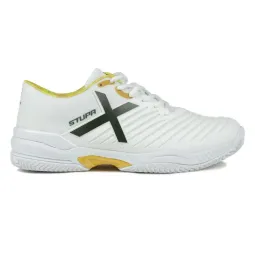
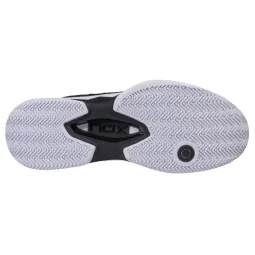
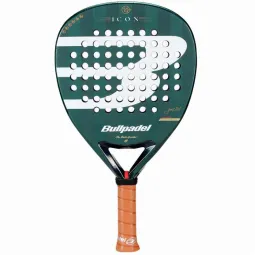
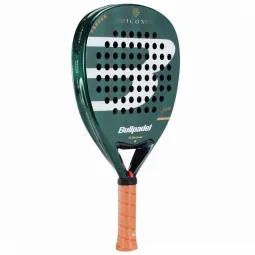
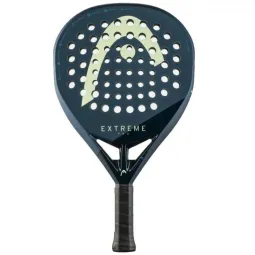
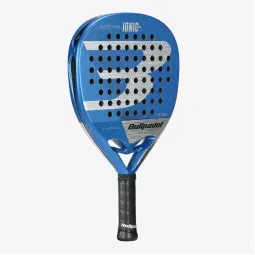
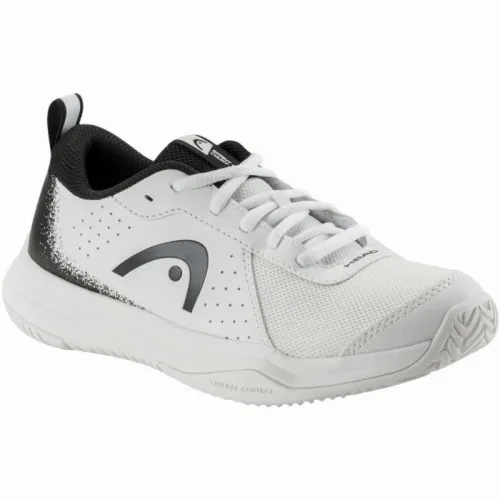
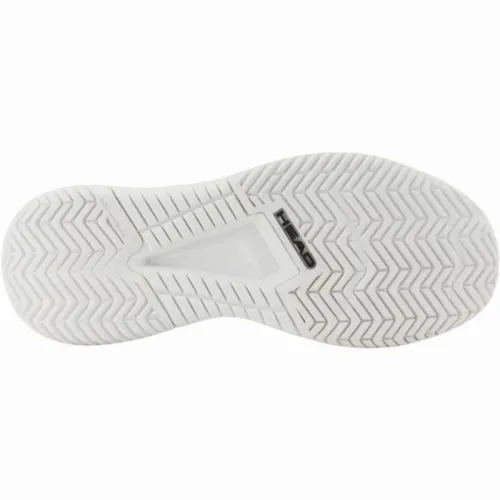
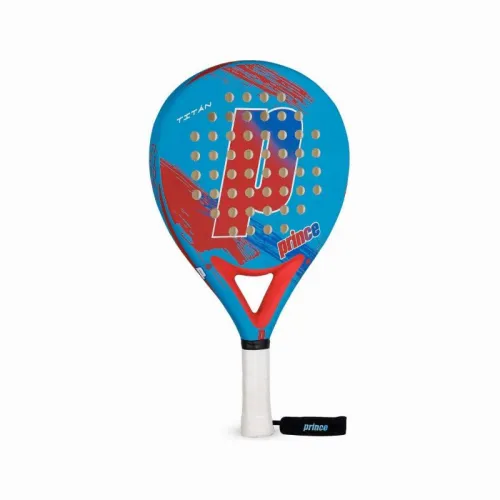
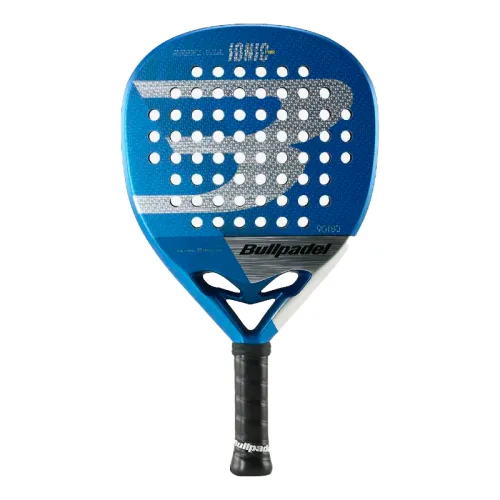
In our shop you will also find OUTLET products and a wide range of padel rackets to complement your equipment and improve your experience on court. Don't forget to also check out the padel shoes for maximum performance and comfort.
How does the brand influence performance?
Each manufacturer uses different technologies and quality controls. For example, Bullpadel and Head focus on balls with high-density felt for greater durability, while Dunlop and Wilson focus on a more regular and stable bounce. Explore the differences in our store and find the perfect ball for your playing style.
Related questions
- How long does optimum padel ball pressure last
- Differences Between Training and Competition Padel Balls
- Impact of temperature and humidity on padel balls
Padel Guide: Technical Knowledge and Experience Applied to the Game
tiendapadelpoint · Authority in padel, materials and performance @ Copyright 2026