



















































































Guia de Padel - PadelPoint
The impact of new FIP tests on padel brands
Industry transformation with the arrival of FIP tests
Padel is experiencing a revolution thanks to the introduction of new FIP (International Padel Federation) tests, marking a turning point in regulation, homologation, and the prestige of leading brands in the sector. These tests affect not only the manufacturing of padel rackets, but also the development of padel shoes, padel accessories, and even sportswear. In this context, recognized brands such as Adidas, Bullpadel, Nox, Head, Babolat and many others must adapt to remain competitively elite and respond to the demands of an increasingly demanding market.

What technical requirements do the new FIP tests impose
The new FIP tests have raised the quality standard of products, establishing stricter criteria in terms of materials, durability, safety, and performance. For example, padel rackets must pass resistance and elasticity tests, and padel balls must maintain homogeneous performance throughout their lifespan. This forces brands such as Siux, Dunlop, or Wilson to invest in innovation and ever more sophisticated quality control processes.
On the other hand, sportswear and textiles must also meet new breathability and resistance requirements. This creates a constant need for research in materials and manufacturing processes, benefiting not only leading brands but also new emerging companies.
Product homologation and certification
Homologation has become a key factor for products to be used in official competitions. Now, brands must prove their items meet FIP standards, which in turn boosts consumer confidence and provides greater market transparency.
How does FIP affect innovation in brands
The competitive environment generated by FIP tests has led to a true technological race among brands. Companies such as Starvie, Asics, or Bullpadel have responded by launching models with cutting-edge technologies for rackets, shoes, and accessories.
The pursuit of FIP certification has driven brands' R&D departments to collaborate with external laboratories and universities to develop new materials, such as advanced foam cores, special carbon fibers, or anti-vibration systems to reduce injuries. Thus, innovation is no longer just an added value but a necessity to comply with current regulations and differentiate from the competition.
Real cases of innovation and adaptation
A clear example is the line of Nox rackets with Smartstrap technology or Lotto shoes with soles specific for padel surfaces. These innovations not only meet FIP requirements but also offer competitive advantages to both professional and amateur players.
What impact do FIP tests have on marketing and sales
Obtaining FIP homologation has become a key sales argument. Brands displaying the FIP seal on their products gain credibility and trust, key elements for the end consumer. In specialized sales channels such as TiendaPadelPoint, users can filter and choose products that comply with these standards, ensuring they purchase tested and quality items.
This has also spurred the launch of advertising campaigns highlighting FIP test success, using testimonials from professional players and brand ambassadors. Product marketing has become more sophisticated, integrating technical demonstrations and direct comparisons with non-approved models.
Advantages for the consumer
For fans, the impact is clearly positive. Buying rackets, shoes, or padel accessories that have passed FIP tests means investing in safety, durability, and performance. In addition, transparency in information and the ease of recognizing official products make purchasing decisions easier.
Do the new FIP tests affect all brands equally
Not all padel brands face this challenge in the same way. Large multinationals have resources to adapt their production lines and quickly launch new certified products. However, emerging brands may face initial difficulties, but also opportunities to stand out through innovation or niche specialization.
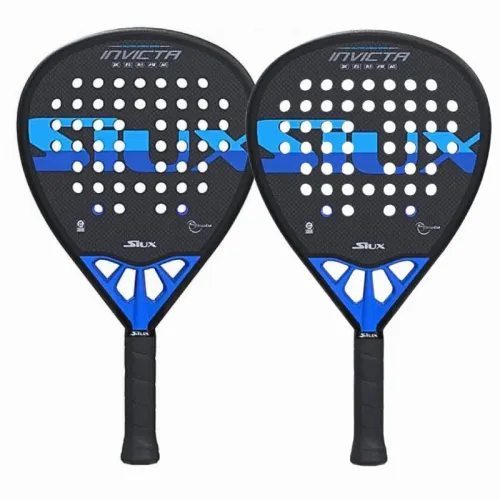
Brands such as Black Crown, Siux, or Royal Padel have positioned themselves by betting on quality and compliance with FIP standards, which has allowed them to increase their market share and reputation.
Diversification and specialization as a strategy
Some brands choose to diversify, launching lines specifically for competition and others for recreational use, while others specialize in accessories or technological innovation.

What does the future hold for padel brands after FIP test implementation
The future of the sector depends on greater professionalism and transparency. Brands that bet on quality, innovation, and compliance with international regulations will have clear competitive advantages. Adapting to FIP tests will mark the difference between market leaders and those left behind.
For consumers, this means a safer, more varied offer adapted to different player profiles. At TiendaPadelPoint, it is recommended to keep an eye on new arrivals and trust brands that strive for excellence and official certification.
Padel Guide: Technical Knowledge and Game Experience
tiendapadelpoint · Authority in padel, equipment, and performance @ Copyright 2026
