















































































Guia de Padel - PadelPoint
The coach's key role in the pace of a padel match
The coach as architect of game pace in padel
In modern padel, the coach has evolved to become a true manager of the match's pace. Their role extends beyond technical instructions, playing a fundamental part in both tactical and emotional decisions for their players. The coach's ability to interpret match development, anticipate momentum shifts, and communicate specific strategies at the right time is crucial for swinging the balance in their team's favor.
A fundamental aspect of pace management is controlling timeouts, deciding when to speed up or slow down play, and reading critical moments. Experienced coaches, in addition to technical mastery, have deep knowledge of both their players' and opponents' psychology, acting as an extension of emotional intelligence on court.
The choice of equipment also matters, with brands like Adidas, Head, or Asics offering products designed to boost performance and adapt to different match tactics.
Tactical and emotional management from the bench
A coach must be able to identify when a player needs emotional support or a specific tactical instruction. Emotional management can be decisive in close matches, helping players maintain focus and motivation. Moreover, effective communication between coach and player is essential: a timely word can change the course of a set.
In tactical planning, the coach analyzes the opponent's strengths and weaknesses and suggests variations in point approach. Using the right accessories, such as those in our Accessories section, can be key to maintaining the desired pace.
Why is pace so relevant in a padel match?
The pace of a padel match is not just a matter of speed, but also emotional control, energy management, and time mastery. On court, knowing when to accelerate exchanges, when to pause, or how to handle pressure moments is fundamental to securing victory.
The coach, from outside, observes momentum shifts and adapts strategy based on their players' feelings and the opponents' reactions. This adaptability distinguishes great teams and allows for exploiting the opponent's weaknesses.
The influence of equipment and technology
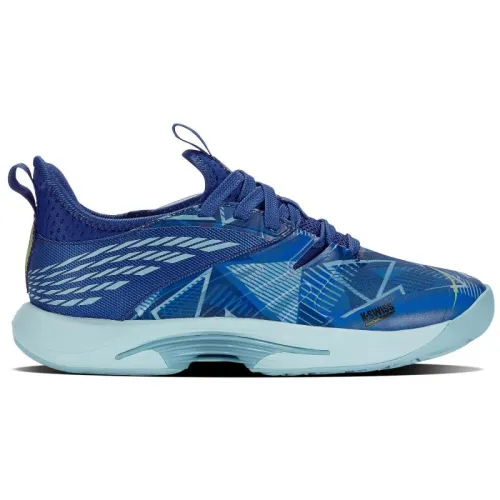
Advances in padel rackets and padel shoes have given coaches more tools to adapt their athletes' game to different surfaces and styles. For example, a racket with greater ball output can be key for injecting speed at certain moments, while shoes with excellent grip allow for safer pace changes.
Coaches who master sports technology and equipment details can adjust the factors that make a difference in match pace. In Padel Clothing and Padel Balls, this trend is also evident, with products that promote comfort, agility, and consistency.
How can the coach modify the pace during the match?
Altering a match's pace is not just about giving orders from the bench. Experienced coaches use resources like strategic pauses, instructions between games, and real-time analysis to adjust tactics. Knowing when to call a timeout and what instructions to give during breaks can make the difference between winning and losing a tight set.
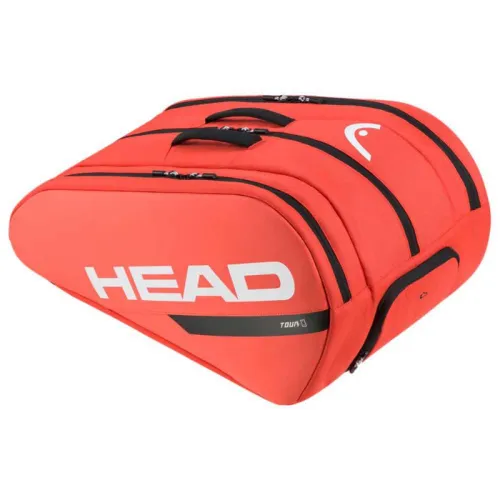
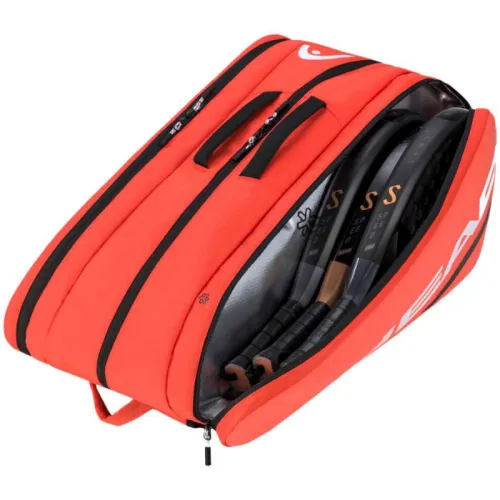
Logistical support is also important. For example, a good racket bag keeps all necessary equipment organized, reducing distractions and helping maintain focus on match pace.
Don't forget the importance of OUTLET products for those looking to update their gear with the best value, adapting to new strategies without sacrificing budget.
The coach's role in tactical adaptation
The coach must recognize when the initial tactic is no longer effective and suggest changes. This might mean switching between offensive and defensive play, altering positions, or changing shot speed. Constant observation and clear communication are essential tools for adjusting pace as needed in the moment.
What resources does the coach use to control match pace?
There are many resources available for coaches to influence pace: from pre-match opponent analysis, using specific accessories and equipment, to experience in managing emotions and timing. Using products from leading brands like Bullpadel, Nox, or Starvie can be decisive for adjusting strategy at every moment.
Professional coaches also take advantage of industry novelties to incorporate training methods and equipment that allow players to maintain competitive pace throughout the match. If you want to stay updated on padel news, our store is your reference.
The coach and pressure management
In moments of high tension, the coach must know how to transmit calm or energy as needed. Their experience and game knowledge help manage pressure and keep the strategic plan under control, even in decisive points.
How does the coach consolidate learning and tactical evolution?
The coach's work goes beyond the match: they are responsible for consolidating players' tactical and emotional learning. Post-match analysis sessions, video review, and adjusting training based on needs detected in competition are part of the continuous improvement cycle.
The coach also relies on didactic resources and the experience of specialist brands like Babolat or Wilson to provide athletes with the best tools for game evolution.
In short, the coach's figure is essential not only in match pace management, but also in the player's overall development. At TiendaPadelPoint you will find everything needed for coach and player work to translate into on-court success.
Padel Guide: Technical Knowledge and Applied Game Experience
tiendapadelpoint · Padel authority, equipment and performance @ Copyright 2026
