












































































Guia de Padel - PadelPoint
Differences in Inventory Management in Padel vs Other Racket Sports
Logistics management adapted to the rise of padel
Inventory management in padel shows unique nuances compared to other racket sports such as tennis, badminton, or squash. This phenomenon is due to the global boom of padel and the variety-of both products and brands-demanded by today's public. As the range expands with new rackets, shoes, balls, and accessories, efficient stock management becomes essential in specialized stores like TiendaPadelPoint.
The importance of variety and rotation in padel
Padel, unlike other racket sports, has experienced exponential growth in recent years, leading to a constantly renewed catalog. Padel rackets form the backbone of the inventory, with frequent launches and exclusive models from brands like Adidas, Bullpadel, or Nox. Technological changes, new materials, and limited editions require a more dynamic rotation management than in other sports.

How does seasonality affect padel inventory?
In sports like tennis, demand may be more marked by tournament seasons, while padel maintains steadier year-round demand in countries with favorable climates. However, padel clothing collections and padel shoes do show seasonal peaks, especially during sales or OUTLET launches, requiring precise and flexible stock forecasting.

Managing new releases in padel
Padel is especially sensitive to new releases. Brands launch innovative and special edition products that generate high inventory turnover. For example, rackets from Black Crown or Starvie often sell out quickly after launch, requiring stores to have fast restocking systems that are not as critical in other racket sports.
What role do accessories play in padel stock control?
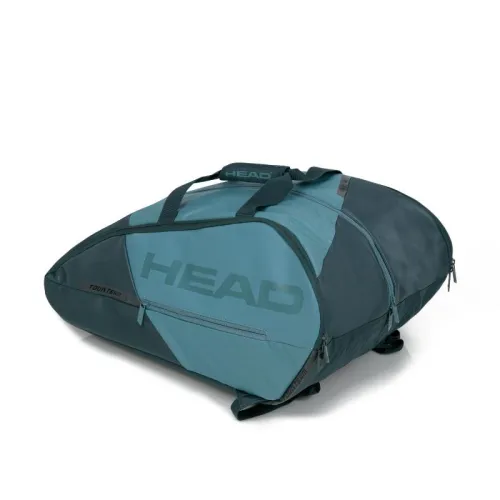
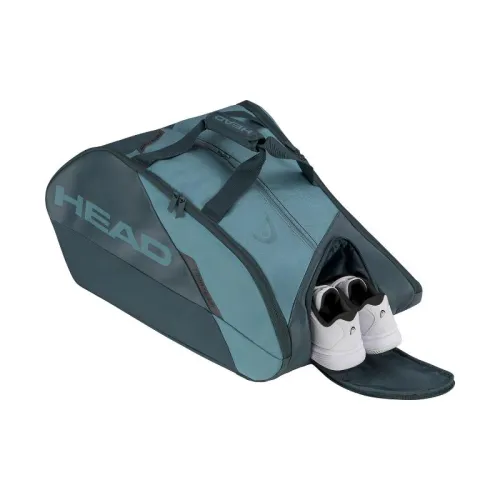
Padel accessories such as grips, overgrips, padel balls, bags, and protectors show constant demand and require thorough inventory management. In padel, the frequency of restocking these items is higher than in tennis or squash, where accessories tend to be renewed less intensely.

Comparison with tennis, badminton, and squash
In tennis, racket and ball management is less volatile due to fewer launches and more standardized products. Badminton and squash, while different, do not reach the level of frequent customization and updates required in padel. Therefore, padel inventory control must adapt to a wider variety of items and shorter product life cycles.
How do brands influence padel inventory management?
Brands play a key role in padel inventory strategy. Companies such as Head, Babolat, Bullpadel, Siux, and Wilson set trends and launch exclusive products each season. These collaborations and new releases require continuous catalog updates and expert stock monitoring, to avoid both stockouts and overstocking.
The influence of collaborations and limited editions
In padel, it is common to find collaborations between brands and professional players, increasing demand for certain products during specific periods. Inventory must be flexible enough to adapt to these changes without losing efficiency.
What technological systems optimize inventory management in padel?
Digitization has facilitated the integration of advanced management systems, enabling stores like TiendaPadelPoint to anticipate trends and optimize product availability. Traceability, real-time sales analysis, and demand forecasting are essential tools. Padel, more than other racket sports, requires agile responses to market fluctuations and the appearance of new collections.
Future perspectives in inventory management
The future of inventory management in padel involves integrating artificial intelligence, big data, and predictive systems that help adjust stock to real market demand and consumption habits.
Padel Guide: Technical Knowledge and Experience Applied to the Game
tiendapadelpoint · Authority in padel, equipment, and performance @ Copyright 2026
