













































































Guia de Padel - PadelPoint
Key Differences in the Evolution of Padel in Spain and the Rest of Europe
Key Differences in the Evolution of Padel in Spain and the Rest of Europe
Padel has become one of the most popular racket sports in Spain in recent years, and is steadily growing throughout the rest of Europe. However, there are notable differences in how padel has evolved in Spain compared to other European countries, in areas such as history, club development, professionalization, and access to equipment. In this article, we analyze the factors that have made Spain the epicenter of world padel and how its development contrasts with that of other European nations.
History and Early Expansion of Padel in Spain
Spain was a pioneer in introducing and promoting padel in Europe, with a network of clubs and federations that rapidly encouraged both recreational and competitive play. Since the 1990s, the number of courts and clubs has multiplied, and padel culture has become integrated into the daily life of thousands. This early adoption allowed specialized brands to develop specific equipment, such as the Pala Enebe Suburban Silver 3K 2026, tailored to various player profiles.
Professionalization and Competition Circuits
In Spain, professionalization arrived earlier than in other countries. The presence of national leagues, federated tournaments, and professional circuits facilitated the emergence of elite players. Additionally, the availability of Outlet RACKETS allowed many enthusiasts and future professionals to access high-quality equipment at competitive prices. In contrast, in countries such as Italy, France, or Germany, professionalization has progressed more slowly, with emerging circuits and less media coverage.
What Factors Have Driven Padel Growth in Spain?
The success of padel in Spain is due to a combination of sociocultural, economic, and sporting factors:
- Accessibility: Mass construction of courts in urban developments and clubs.
- Favorable climate: Enables year-round padel play.
- Institutional support: Federations and clubs have invested in training and tournaments.
- Innovation in equipment: The development of products such as the Vairo Everlast Comfort Racket or the Pala StarVie Brava Pro 2025 has revolutionized the market.
In other European countries, a lack of infrastructure, less favorable climates, or little tradition in racket sports have slowed padel's expansion, although strong growth is now being seen in cities like Rome, Paris, or Berlin.
Clubs, Academies, and Player Training
Spain boasts a network of clubs and academies that serve as a reference for foreign players looking to improve their level. The quality of coaches and training programs has made Spanish cities preferred destinations for padel sports tourism. Clubs often feature specialized shops, where products such as the Pala Lok Easy Flow or the Pala Vibora Bamboo Classic Edition can be found. In the rest of Europe, the number of clubs is still limited, although the trend is clearly upward.
How Is Access to Padel Equipment in Spain and Europe?
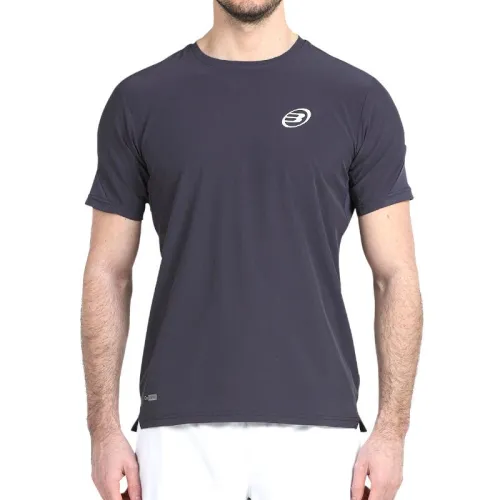
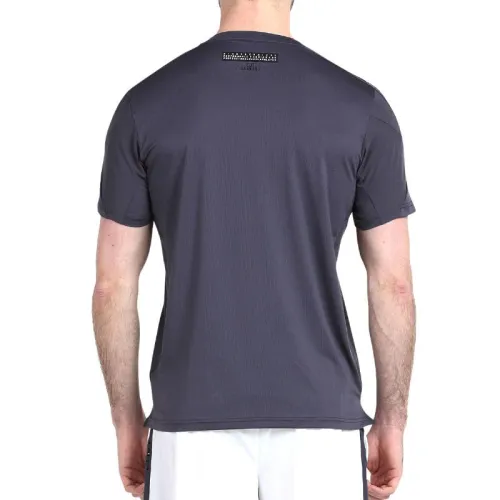
The Spanish padel market offers a huge variety of products, from rackets and technical apparel to accessories and footwear. Both online and physical stores have diversified their catalogs to meet the needs of beginners and professionals alike. For example, the Bullpadel MAN section allows players to find garments adapted to the latest trends and textile technologies. In the rest of Europe, the offering is growing but still far from Spain's diversity and specialization.
Innovation and Leading Brands
Spain is home to innovative brands that set standards in materials, design, and technology. This has made models like the Bullpadel Winner II Performance White X3 Set a reference in international circuits. European players often access global brands but are increasingly seeking Spanish products to improve their performance on the court.
What Is the Role of Outlets and Padel Democratization?
The existence of OUTLET and specialized distribution channels has made it possible for anyone to start playing padel with quality products at affordable prices. This democratization has been key to the sport's growth in Spain and is beginning to be replicated in other European countries.
Future Prospects and Challenges for Padel in Europe
The future of padel in Europe relies on expanding infrastructure, training qualified coaches, and creating solid professional circuits. The Spanish example sets the path, but each country must adapt its development to its cultural, economic, and sporting characteristics.
What Can We Expect from the Evolution of European Padel?
In conclusion, the evolution of padel in Spain and Europe shows clear differences in history, professionalization, access to equipment, and sporting culture. However, the trend is converging: padel is becoming a global sport, with Spain as a reference and the rest of Europe advancing rapidly.
