
















































































Guia de Padel - PadelPoint
Key Nonverbal Signals in Professional Padel Communication
The Importance of Nonverbal Language in Professional Padel Strategy
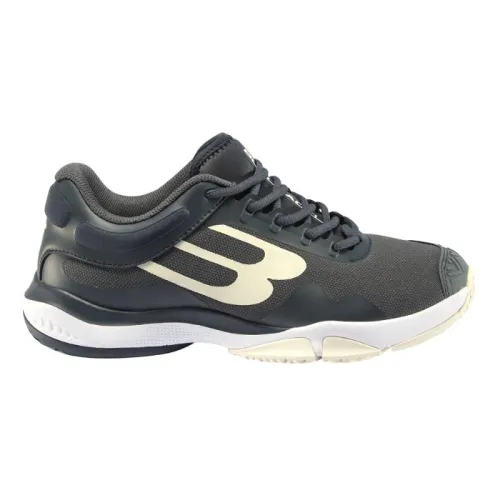
In professional padel, effective communication between team members is essential for maximum performance. Beyond words, nonverbal signals become a strategic resource, allowing the transmission of intentions, tactics, and real-time adjustments without alerting opponents. Body language, glances, gestures, and positioning on the court can make the difference between winning or losing a crucial point. Mastering these tools is as important as choosing the best padel rackets or quality padel shoes for the utmost confidence in your game.
Why is nonverbal communication essential in padel?
Padel is a highly dynamic sport where quick thinking and coordination between players set the difference. Nonverbal communication enables instant decision-making and synchronized movements, even in noisy environments where voice can get lost or distract the opponent. That is why professionals work on both technical skills and developing their own code of signals to maximize on-court effectiveness.
What are the most used nonverbal signals in professional padel?
There are various nonverbal signals that have become the most effective and universal in professional padel. Knowing and practicing them can elevate the pair's communication and strengthen game strategy.
- Hand gestures: Signaling behind the back to indicate serve type (cross-court, parallel, body serve) or planned play.
- Glances and eye contact: A quick exchange of looks can communicate agreement, alertness, or tactical changes without speaking.
- Body language: Positioning on the court, arm openness, or waiting posture can anticipate movements and coordinate defensive coverage.
- Subtle movements: Small shifts or rhythm changes can signal your partner to be ready for a special play, such as approaching the net.
- Open or closed palms: In some teams, these indicate whether a power shot or a softer touch is intended, especially at the net.
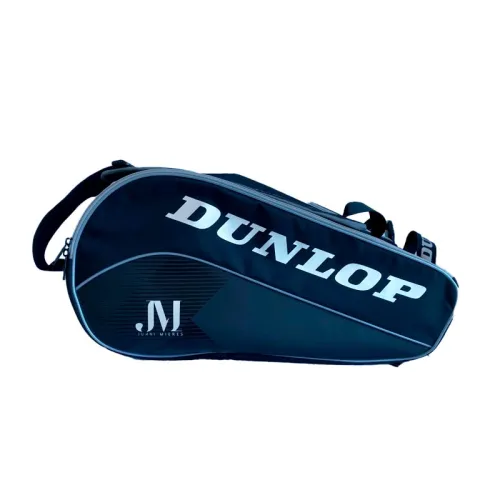
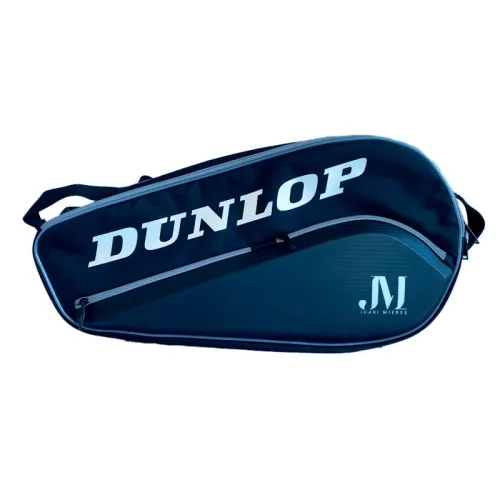
Just like choosing the right padel racket bag to carry all your gear, selecting and agreeing on clear signals is key to professional, well-organized play.
How to practice and perfect nonverbal signals
Training nonverbal signals should be part of every professional padel team's routine. Practicing in specific sessions, analyzing matches of top players, and adapting signals to the team's particular needs are essential steps for smooth and effective communication.
What common mistakes should be avoided in nonverbal communication?
Although nonverbal signals are powerful tools, mistakes can arise that cause confusion or reveal information to opponents. The most frequent include:
- Using gestures that are too obvious or repetitive, which opponents can decipher.
- Not agreeing beforehand on the meaning of each signal, causing misunderstandings in critical moments.
- Lack of synchronization between the signal and the actual action, which may result in losing important points.
- Neglecting body language under pressure, showing insecurity or discouragement.
It is advisable to regularly review signal effectiveness, as you would change padel balls to maintain top performance in every match.
The importance of discretion and timing
Discretion is fundamental: signals should be subtle enough for only the pair to understand. Timing is also crucial, as the signal must be given just before the action, avoiding revealing plans to the opponents.
How do brands and accessories influence nonverbal communication?
Using specific padel accessories can enhance nonverbal communication. For example, wearing distinctive wristbands or headbands can help differentiate visual signals. Brands like Adidas and Bullpadel offer a wide range of products ensuring comfort and visibility on the court.
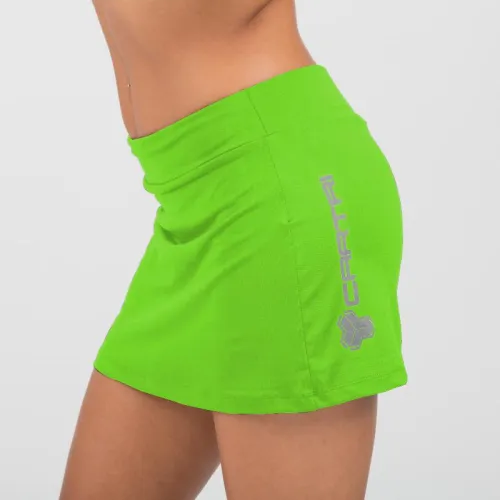
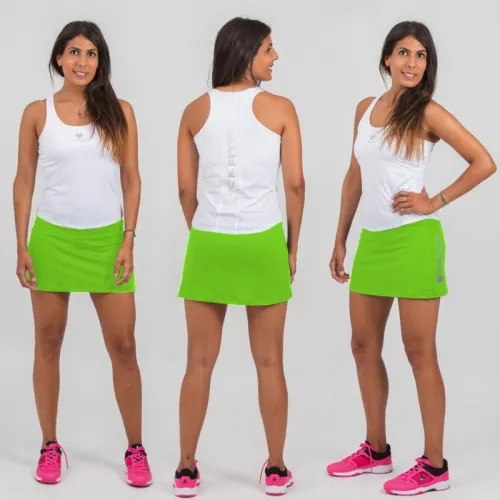
Additionally, high-quality padel outfits provide freedom of movement, crucial for natural and effective gestures.
Personalization and creativity in signals
Many players create personalized codes or even incorporate eye-catching accessories from manufacturers like Nox or Siux, making them part of their nonverbal ritual and strengthening team identity.
How do professionals adapt nonverbal communication to different situations?
Versatility is an essential trait in professional padel. Nonverbal signals must adapt to different situations: from the beginning of a point, serve, defense, or approaching the net. Analyzing match progress and adjusting signals according to the score or the team's emotional state is typical of great teams.
Preparation includes having alternate signals for high-pressure moments, preventing opponents from predicting moves. In this way, communication stays one step ahead, just as OUTLET offers surprise with their opportunity and effectiveness.
Technological tools and analysis of nonverbal communication
Nowadays, some professionals use match recordings and video analysis to perfect their nonverbal language. This technology helps detect unnecessary gestures, improve synchronization, and establish new visual strategies.
What benefits does efficient nonverbal communication bring to professional padel?
Mastering nonverbal signals in professional padel brings tangible benefits:
- Optimized strategy and real-time decision-making.
- Increased trust and complicity between team members.
- Reduced unforced errors due to misunderstandings.
- Greater adaptability to opponents' tactical changes.
- Ability to surprise opponents and maintain initiative on the court.
Just as players carefully choose their Head rackets or Babolat rackets to achieve the best performance, nonverbal communication is an essential tool for excellence in professional padel.
At TiendaPadelPoint you'll find everything you need for your on-court communication to be as effective as your equipment. Stay tuned for news and train both your technique and your connection with your partner to reach the highest level.
Padel Guide: Technical Knowledge and Experience Applied to the Game
tiendapadelpoint · Authority in padel, equipment and performance @ Copyright 2026
