











Guia de Padel - PadelPoint
Material and Its Impact on Padel Racket Lightness and Durability
Factors determining lightness and durability in a padel racket
The choice of material for a padel racket directly influences two of its most valued attributes: lightness and durability. Understanding how the type of material impacts the racket's performance and lifespan is essential for any player, whether beginner or professional.

Basic composition of a padel racket
A padel racket's structure is usually made up of three main components:
- Core: Usually made of EVA or FOAM rubber.
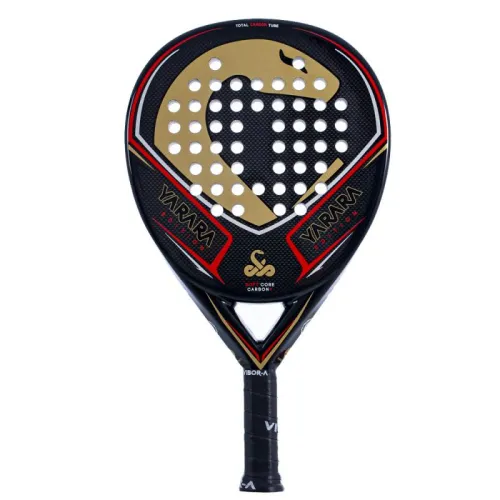
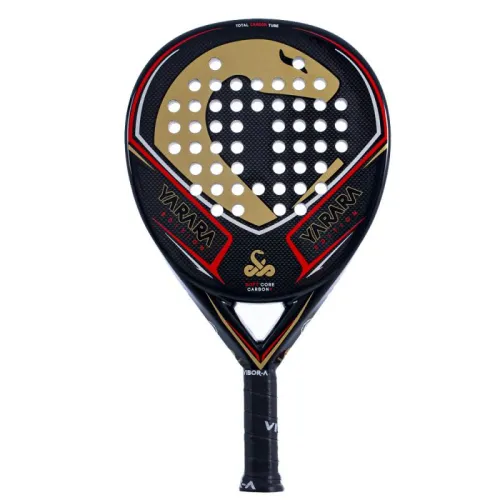
- Faces: Materials such as fiberglass, carbon, or kevlar.
- Frame: Generally carbon, fiberglass, or a combination of both.
Which materials provide more lightness in a padel racket
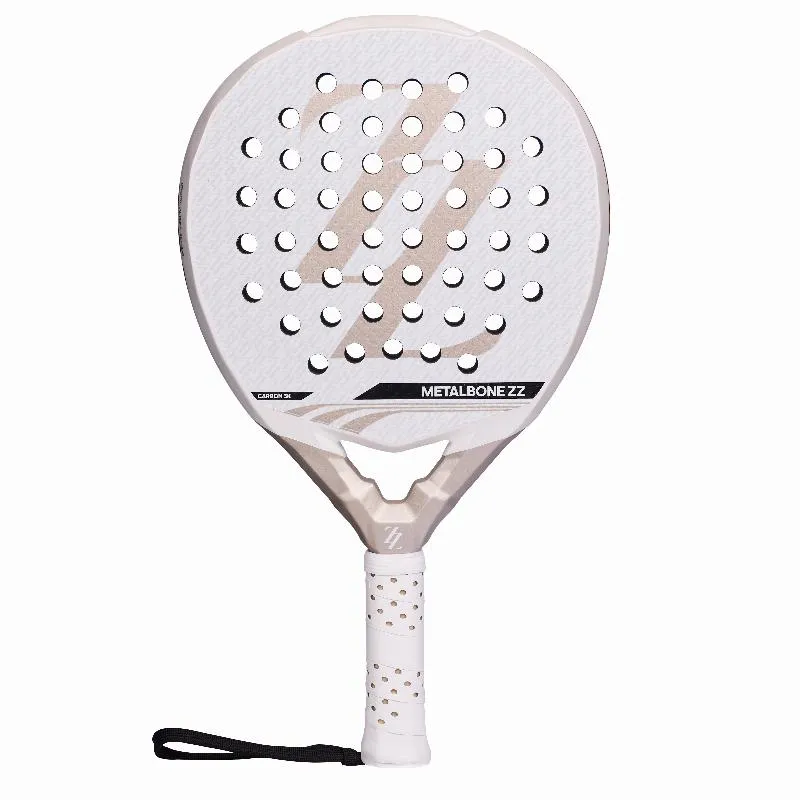
Lightness is key for quick movements, injury prevention, and easy handling. The materials used in manufacturing significantly influence the final weight. Carbon is the most used material to achieve light and resistant rackets. It provides rigidity without adding weight and allows greater control in hitting.
On the other hand, fiberglass is more economical and flexible, although it usually has a slightly higher weight than carbon. However, its flexibility provides a comfortable ball exit, ideal for players seeking soft sensations.
Leading brands in lightness
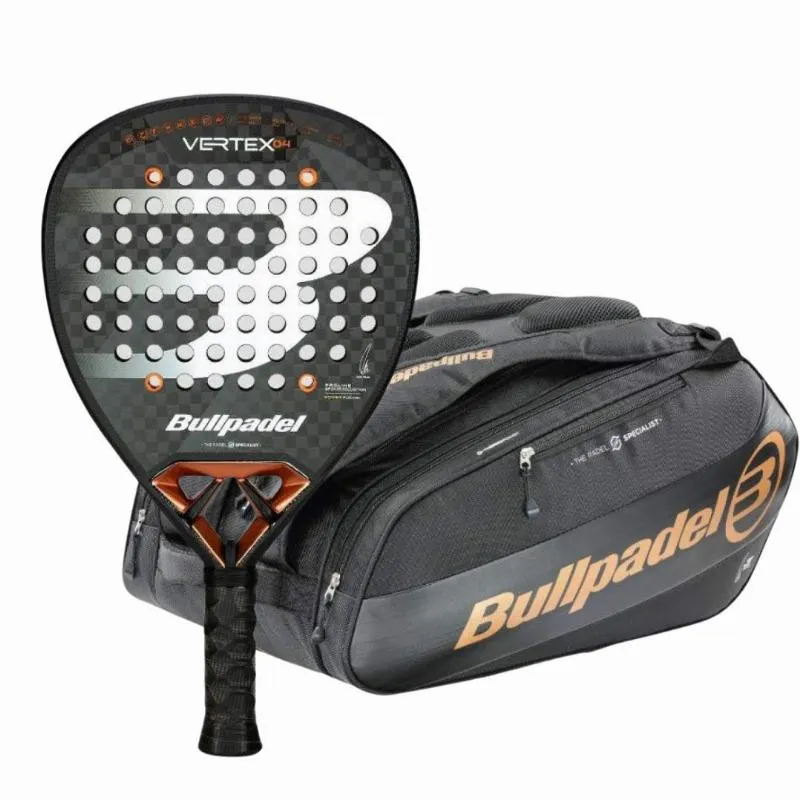
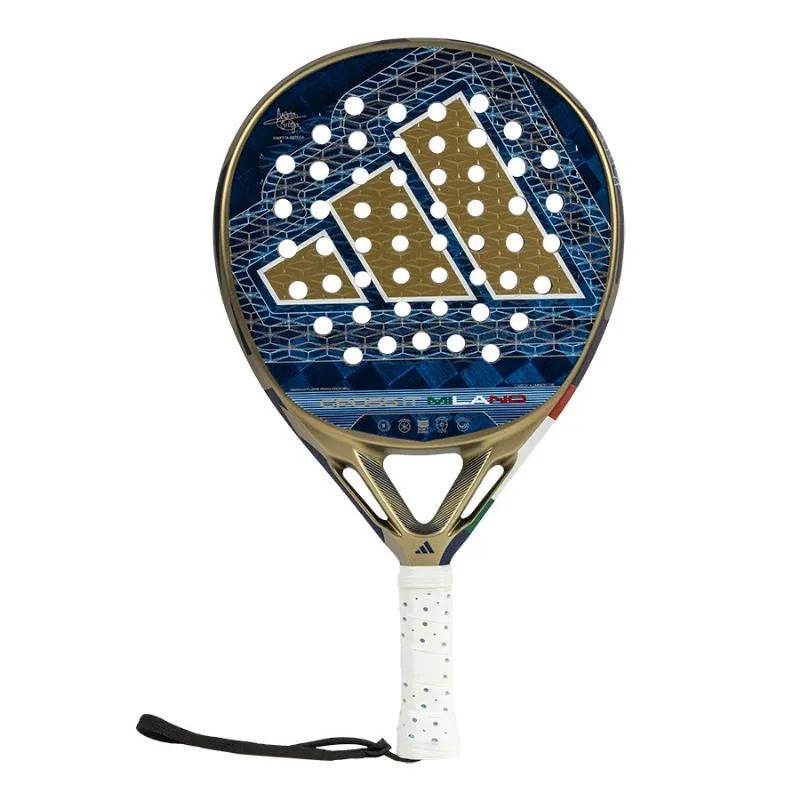
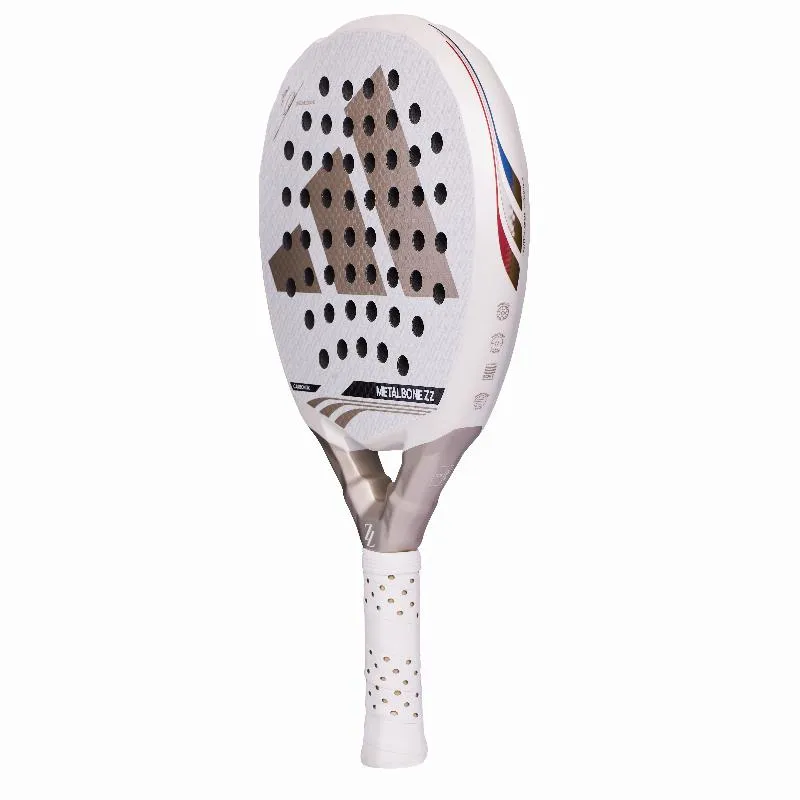
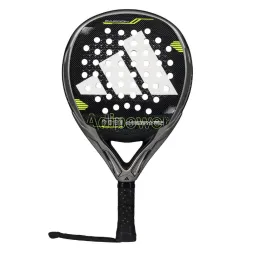
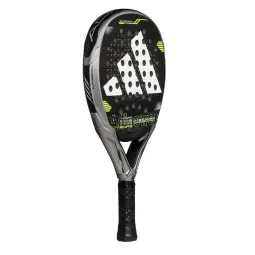
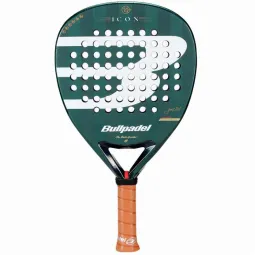
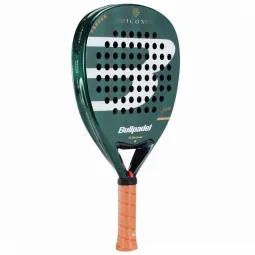
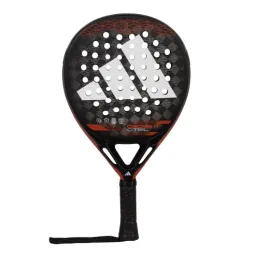
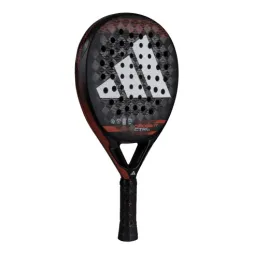
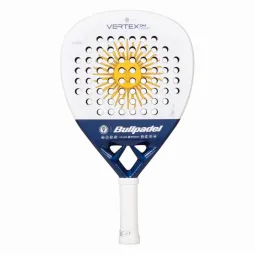
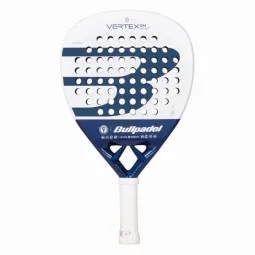
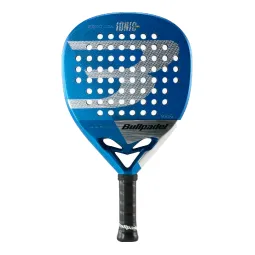
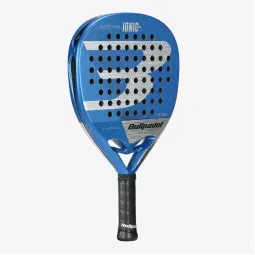
Brands such as Adidas, Black Crown, or Bullpadel stand out for incorporating cutting-edge technologies in their rackets, optimizing lightness without sacrificing performance.
How does the material affect the racket's durability
Durability largely depends on impact resistance and the material's ability to maintain its properties over time. Carbon also leads in this aspect, as it withstands intensive use and accidental hits better, maintaining the racket's integrity for longer.
Fiberglass, while resistant, may show wear more quickly in high-level or frequent players. To enhance durability, many brands opt for double carbon tubular frames.
Innovative technologies and reinforcements
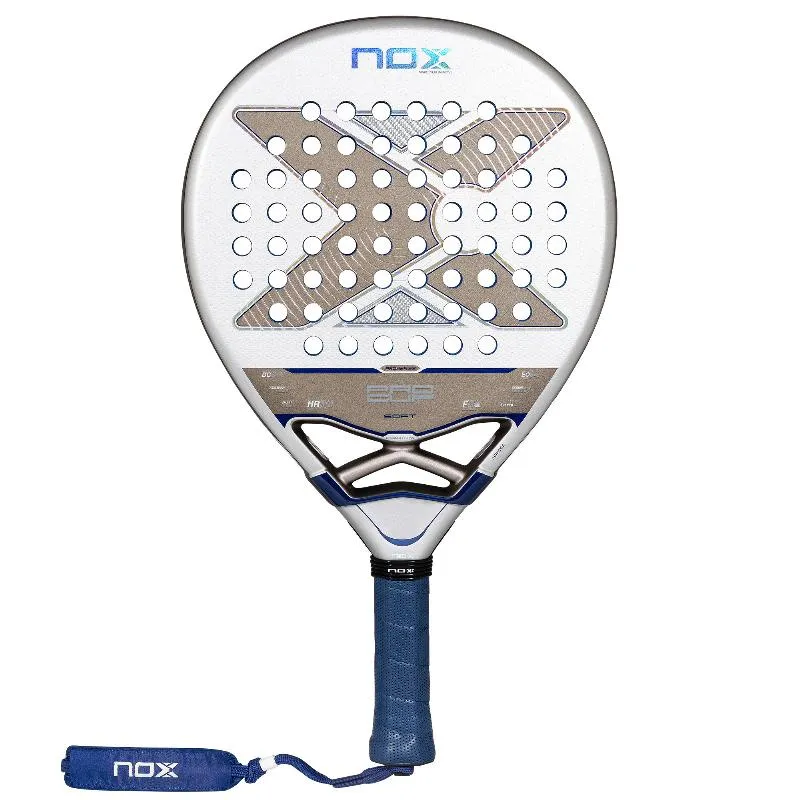
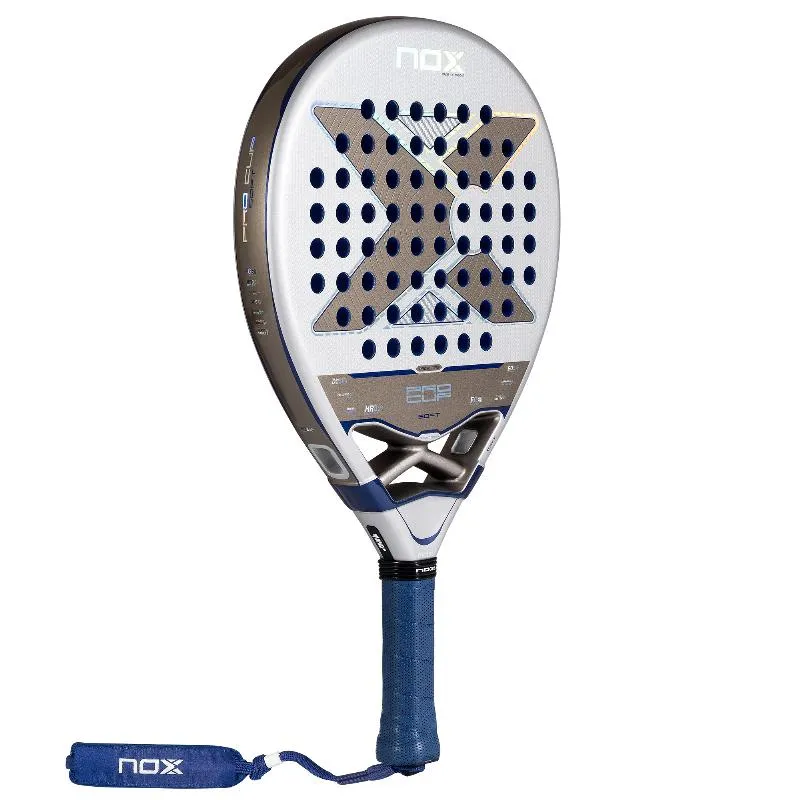
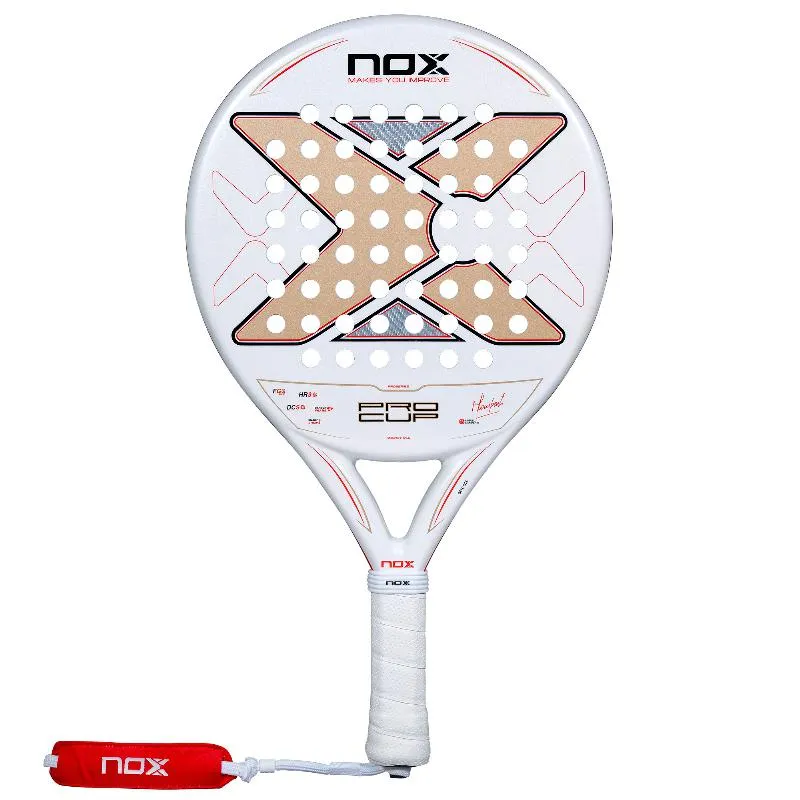
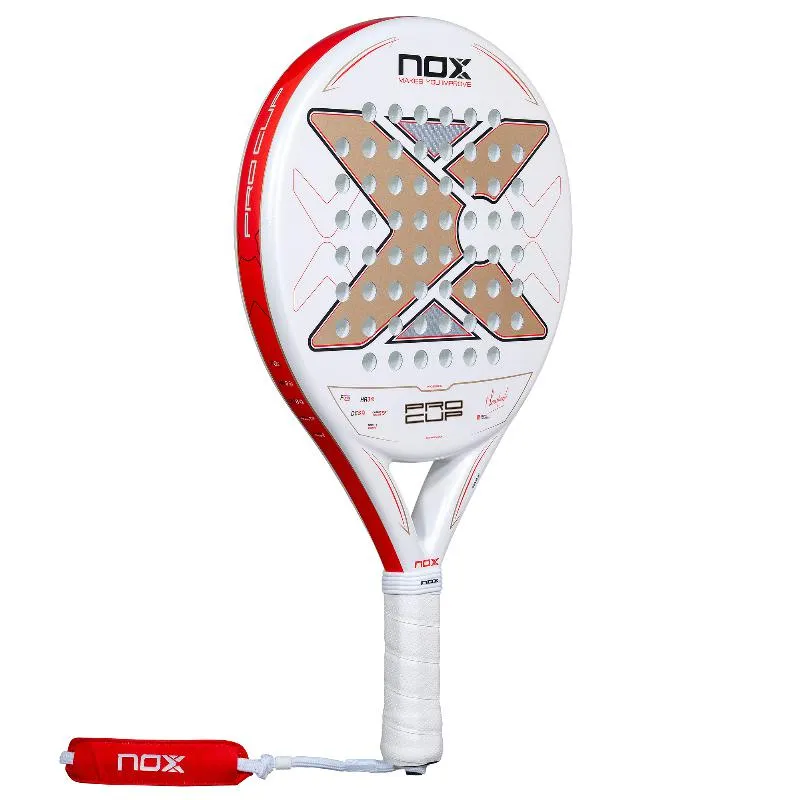
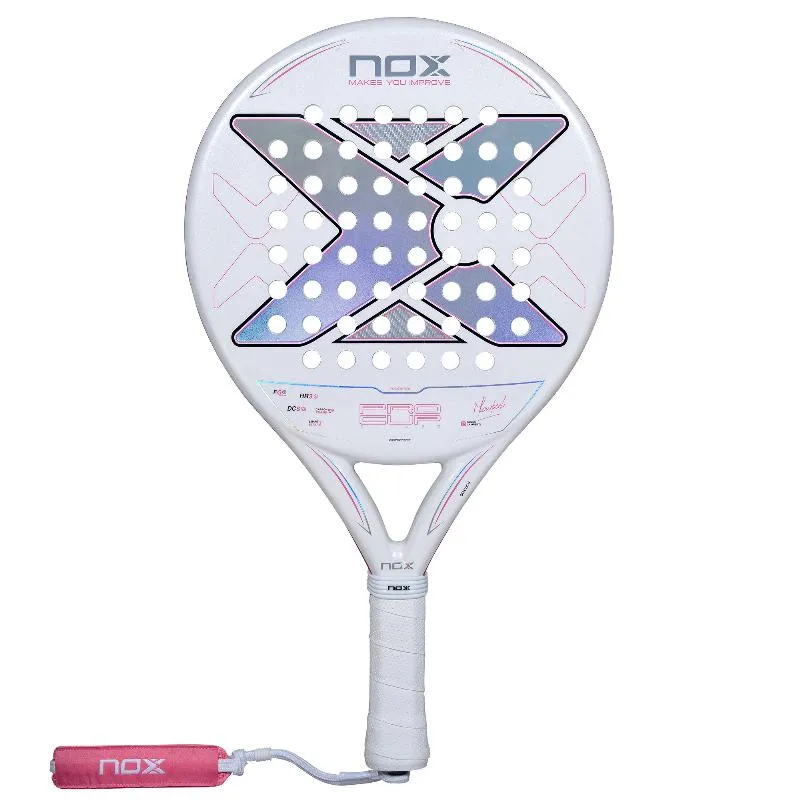
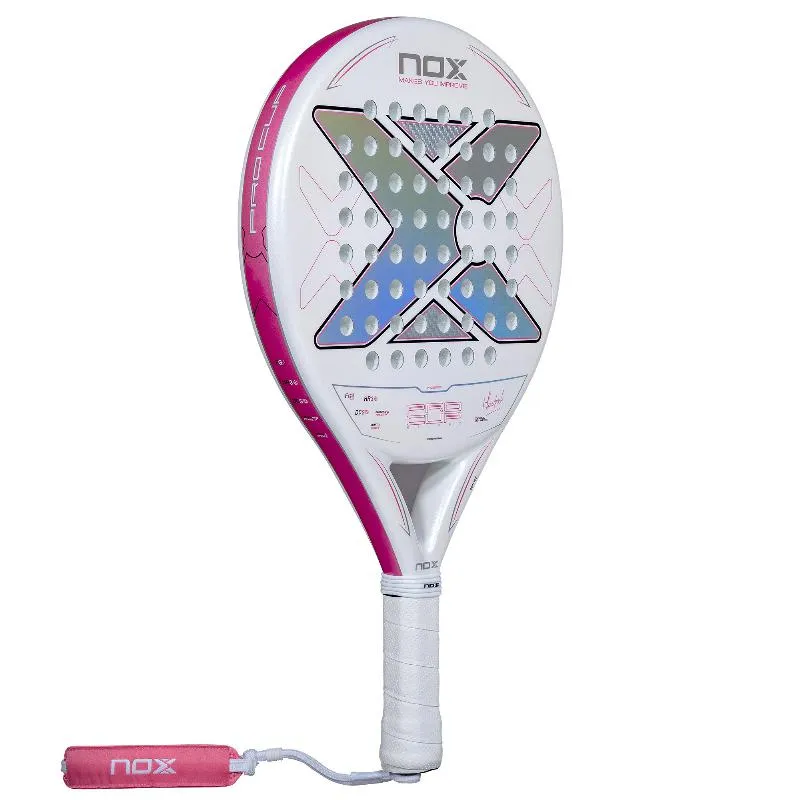
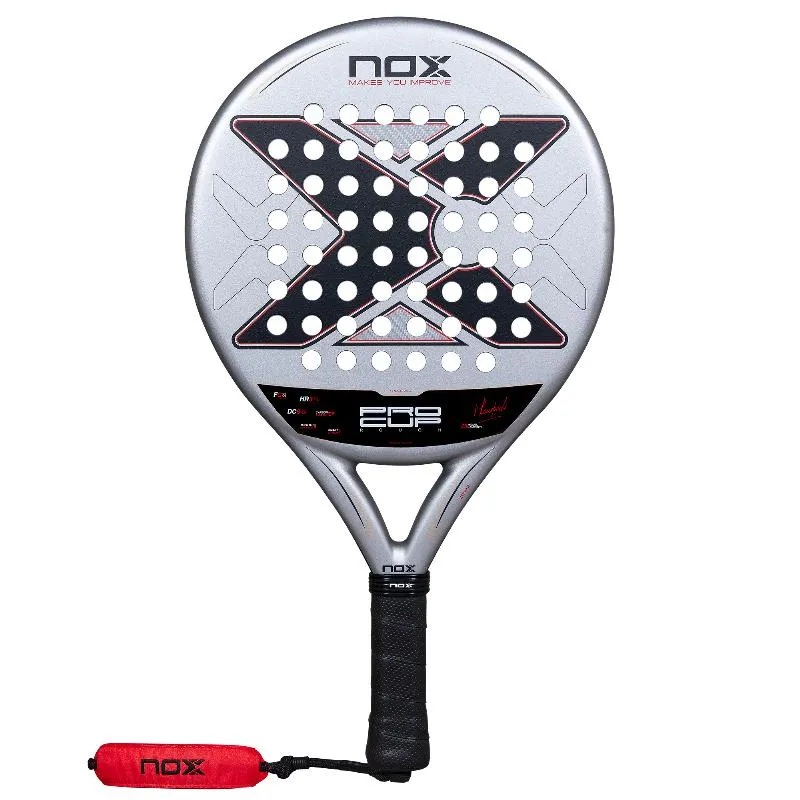
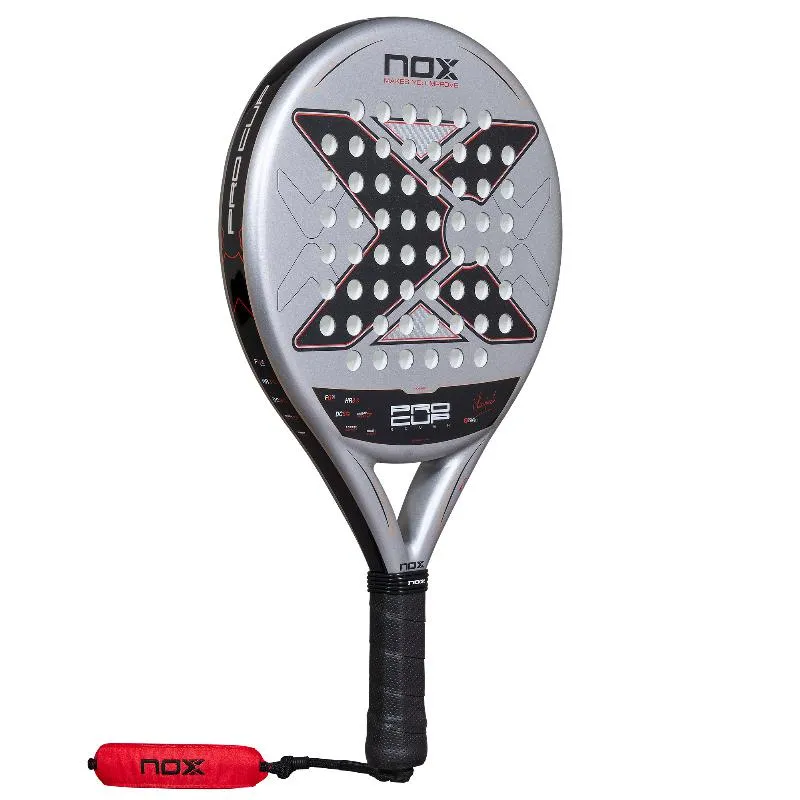
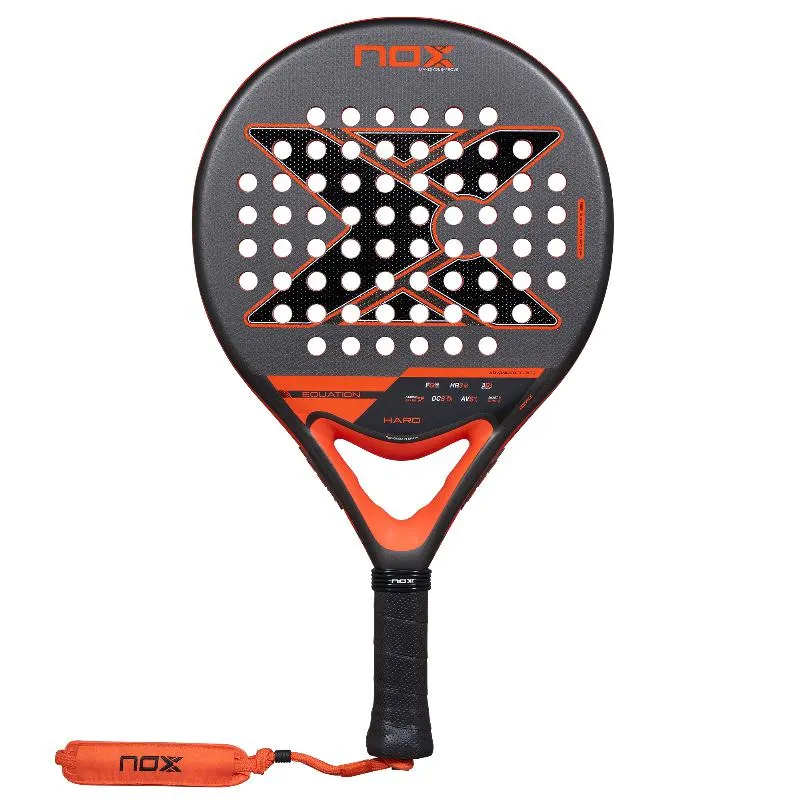
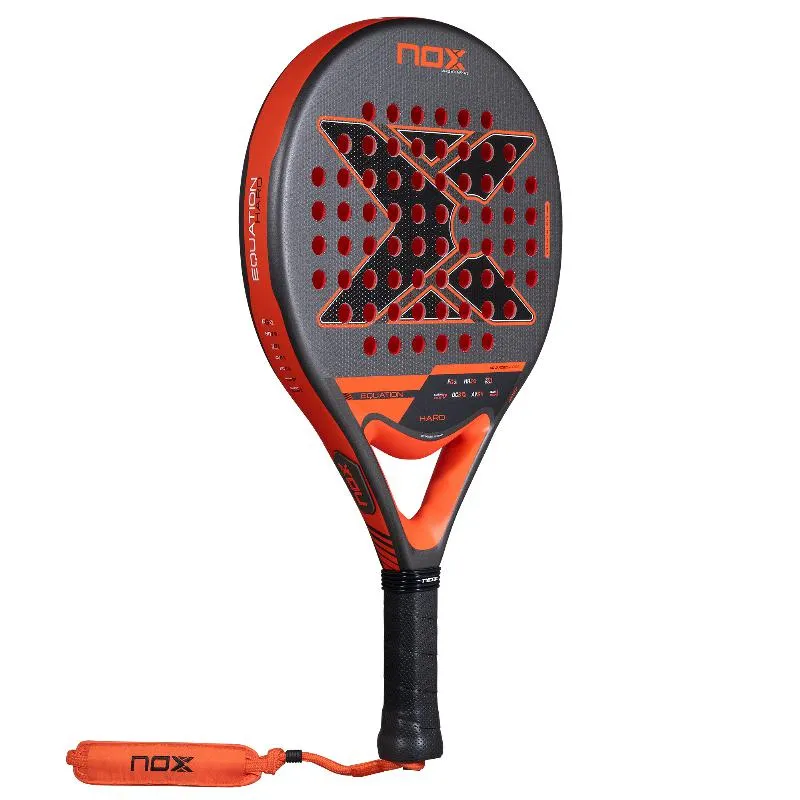
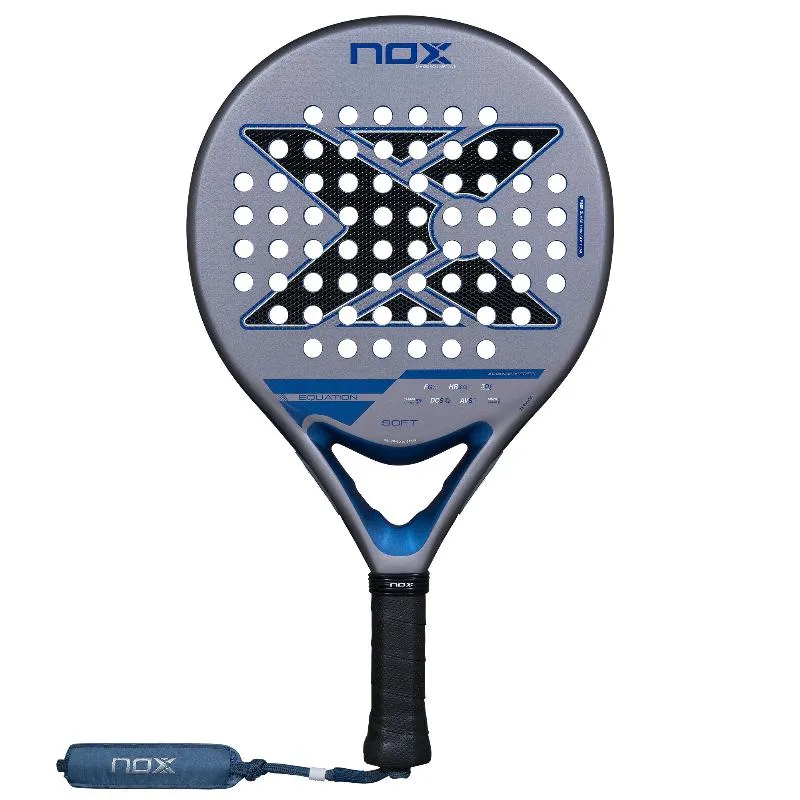
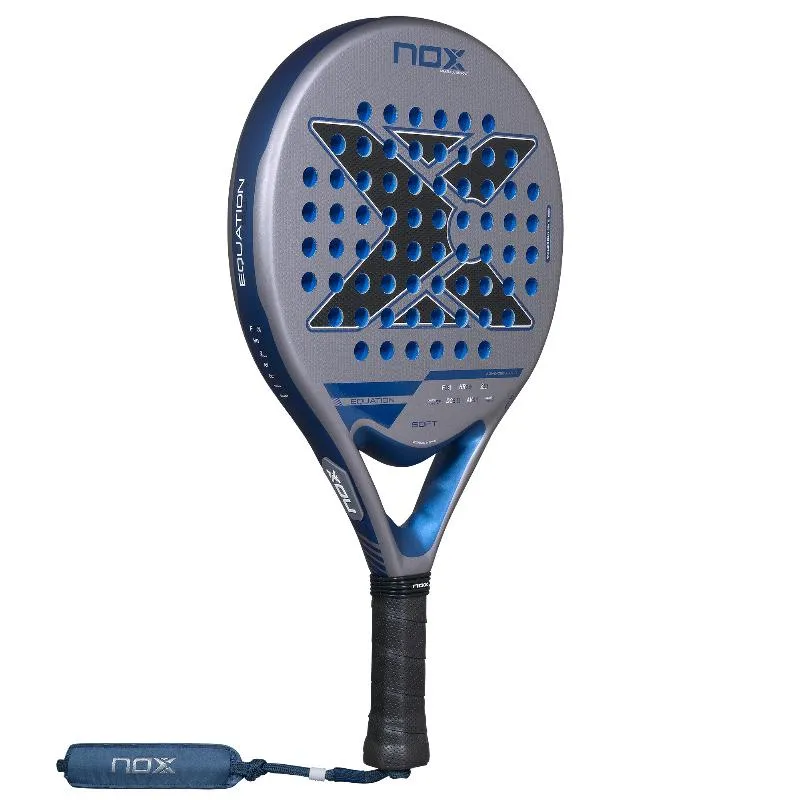
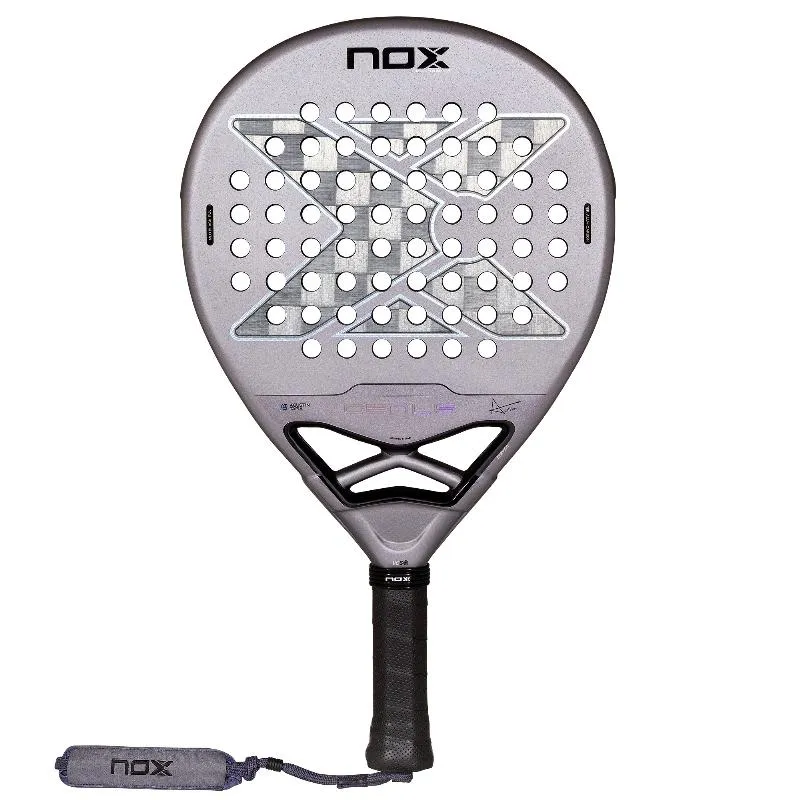
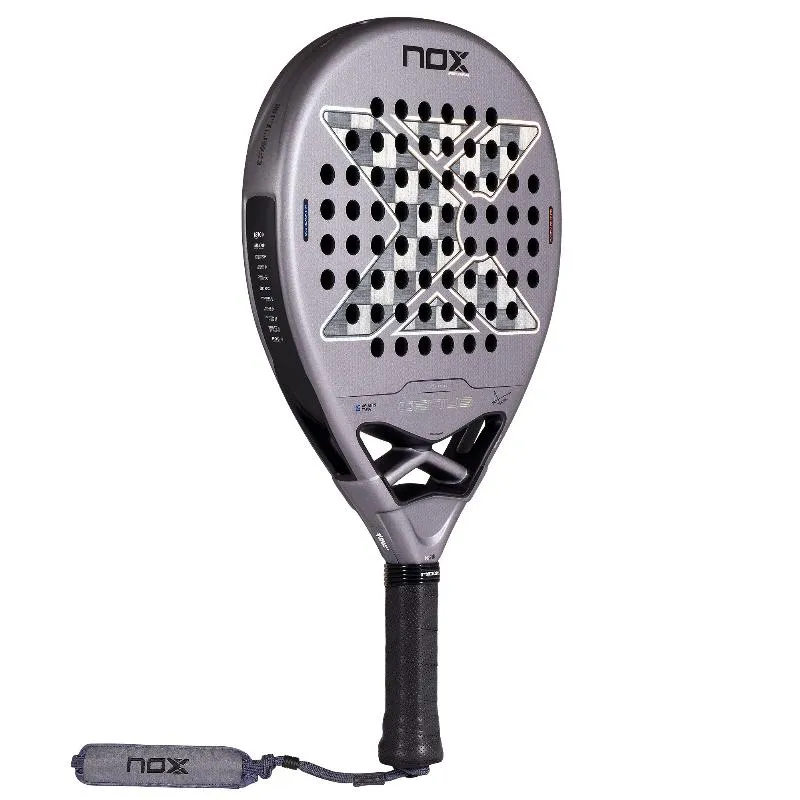
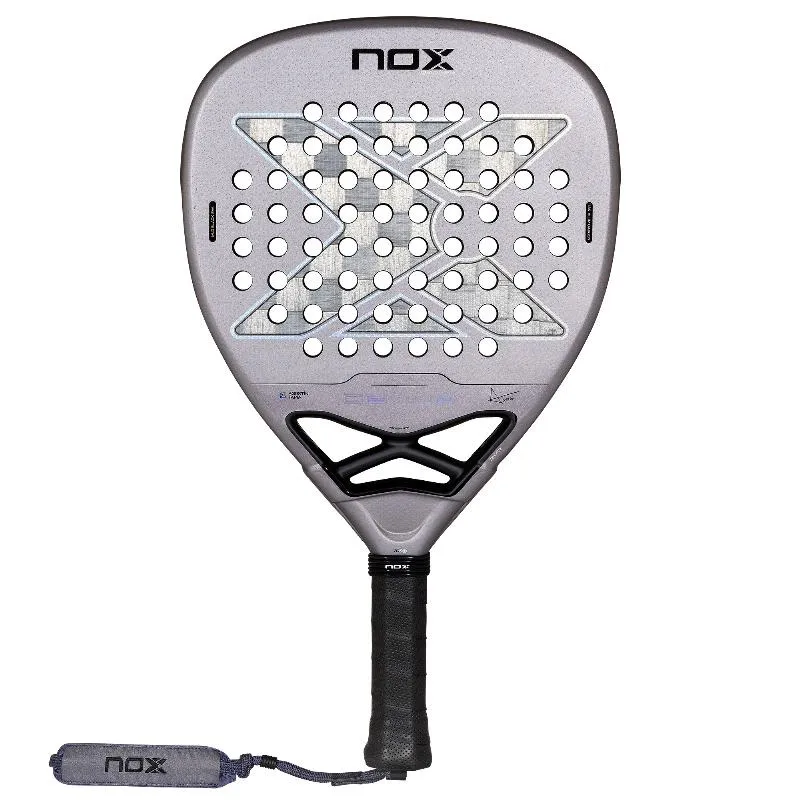
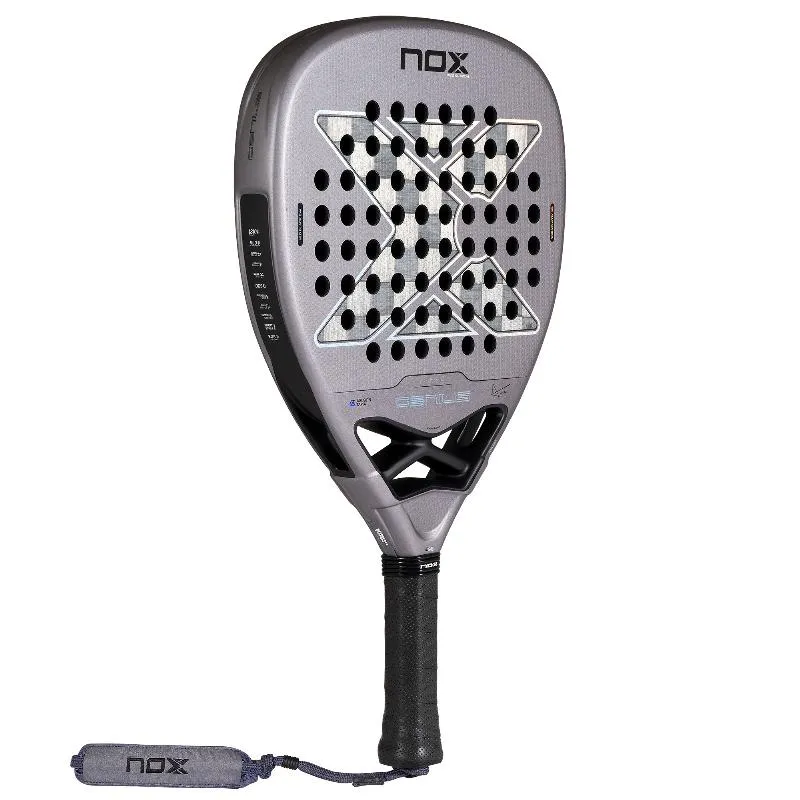
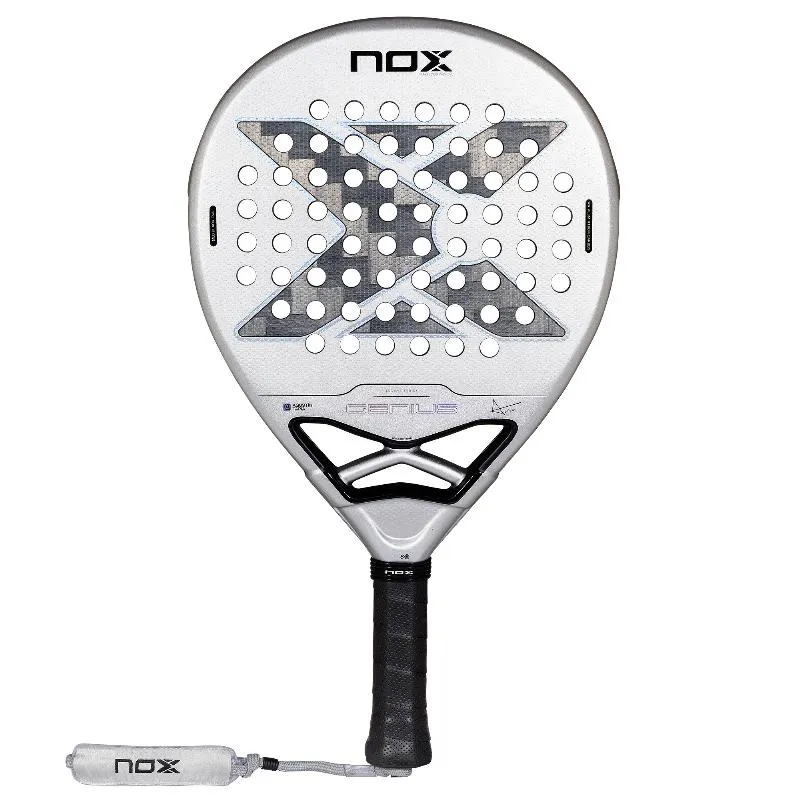
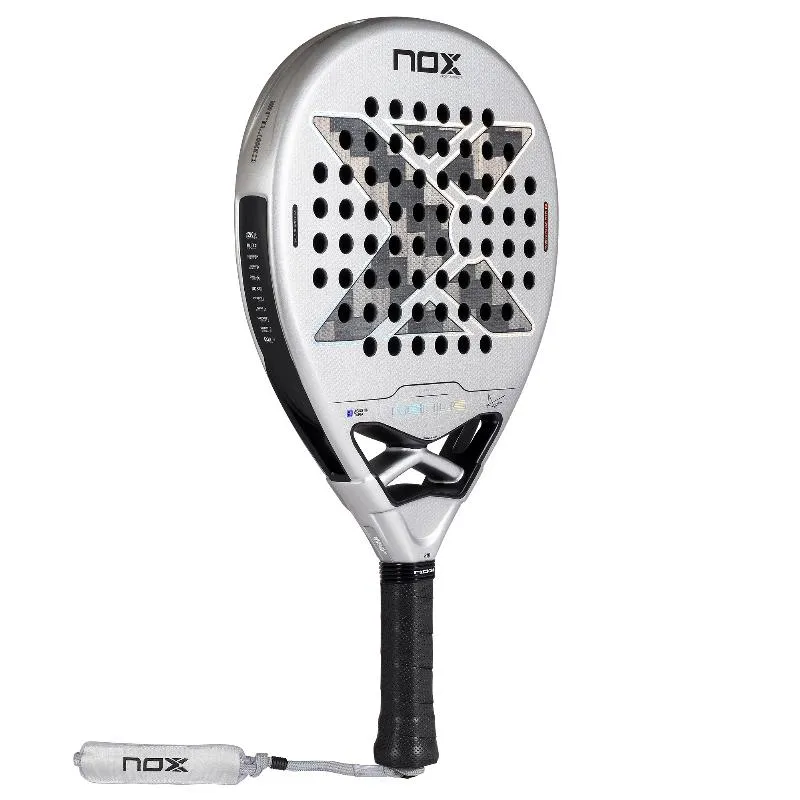
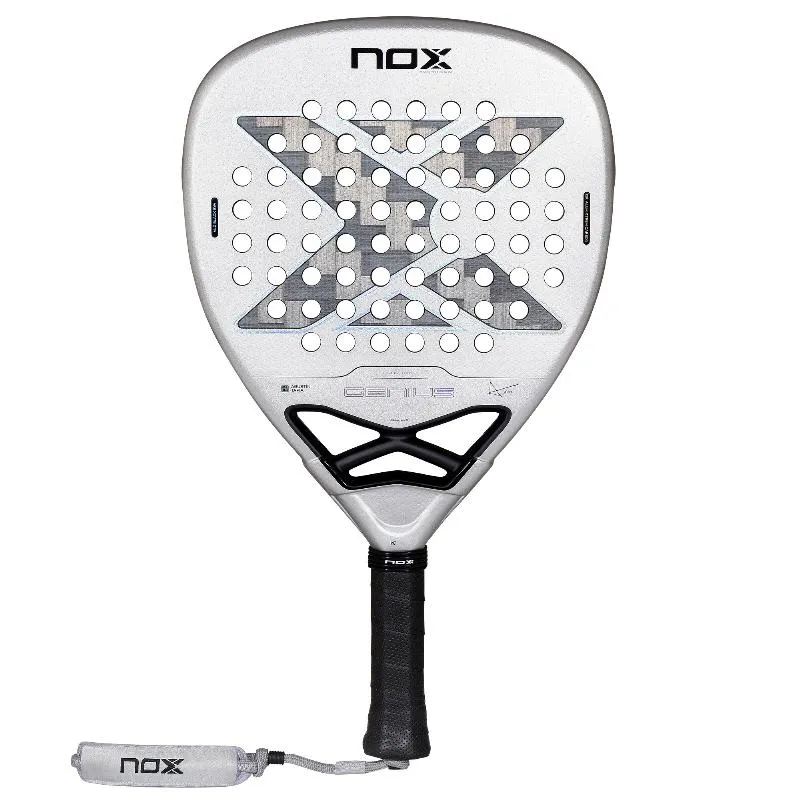
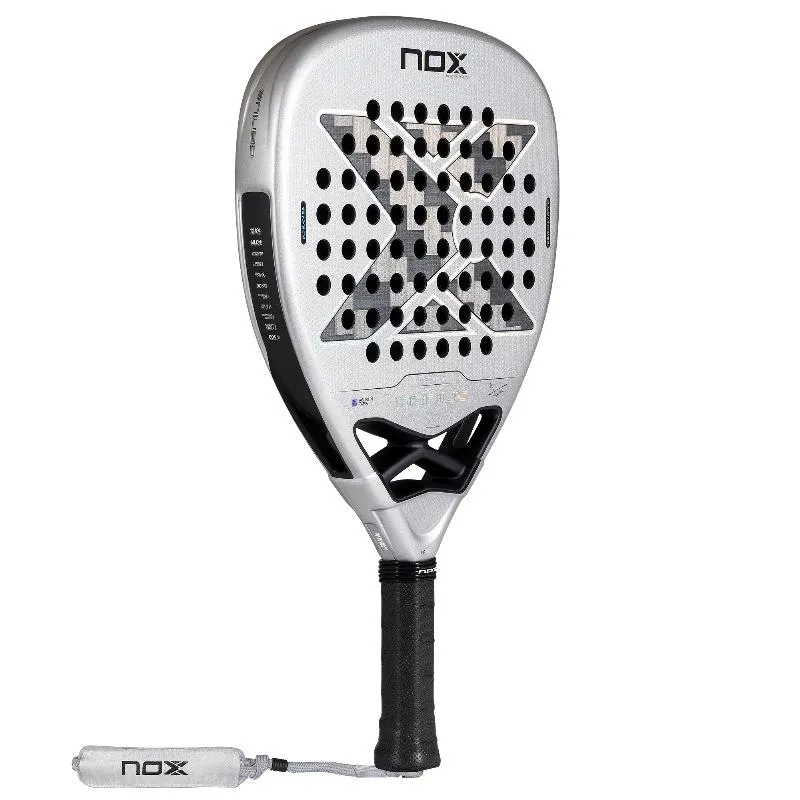
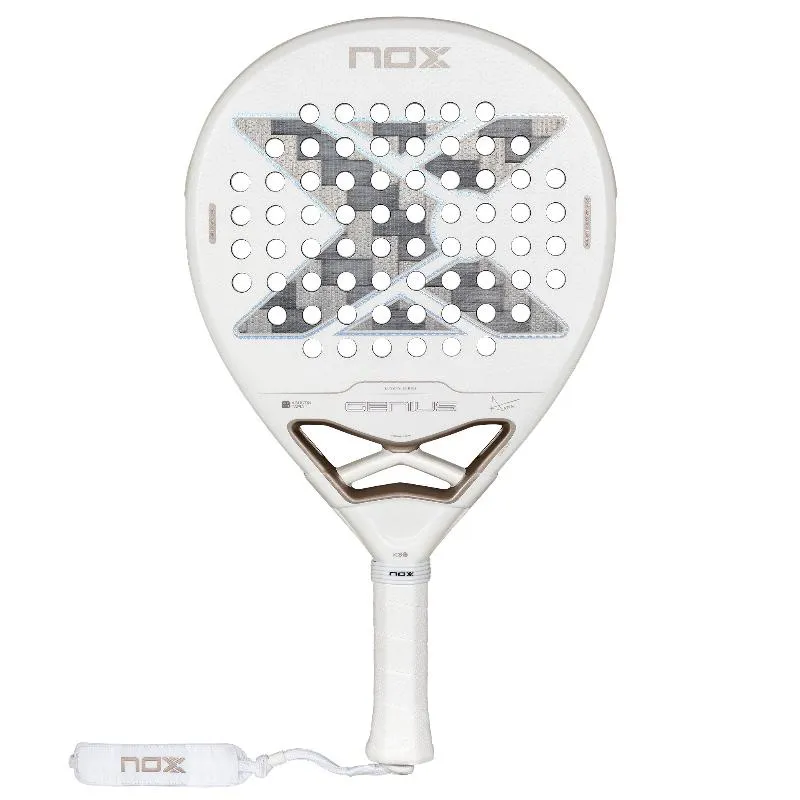
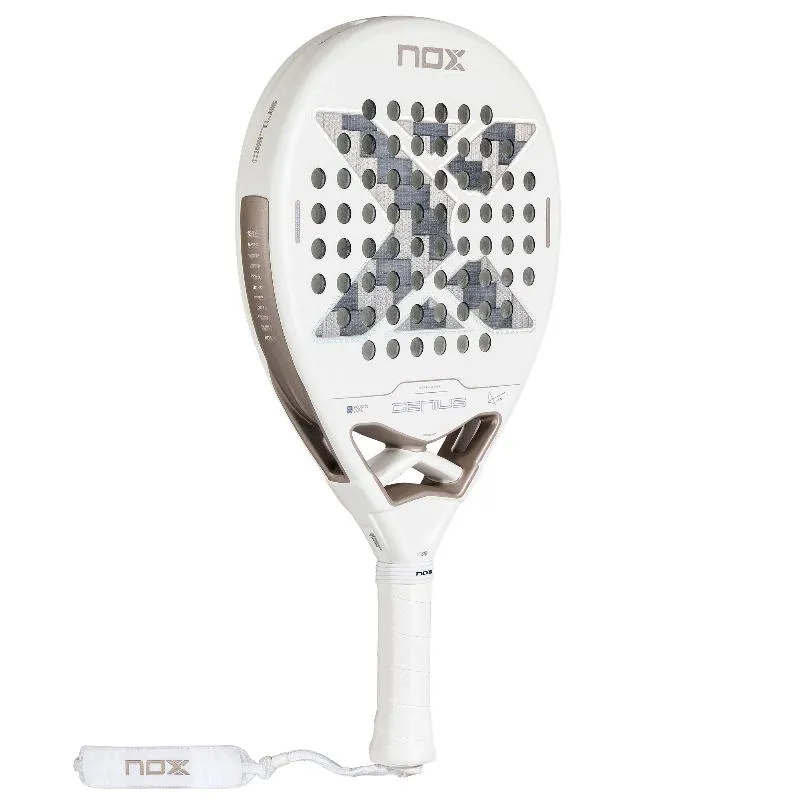
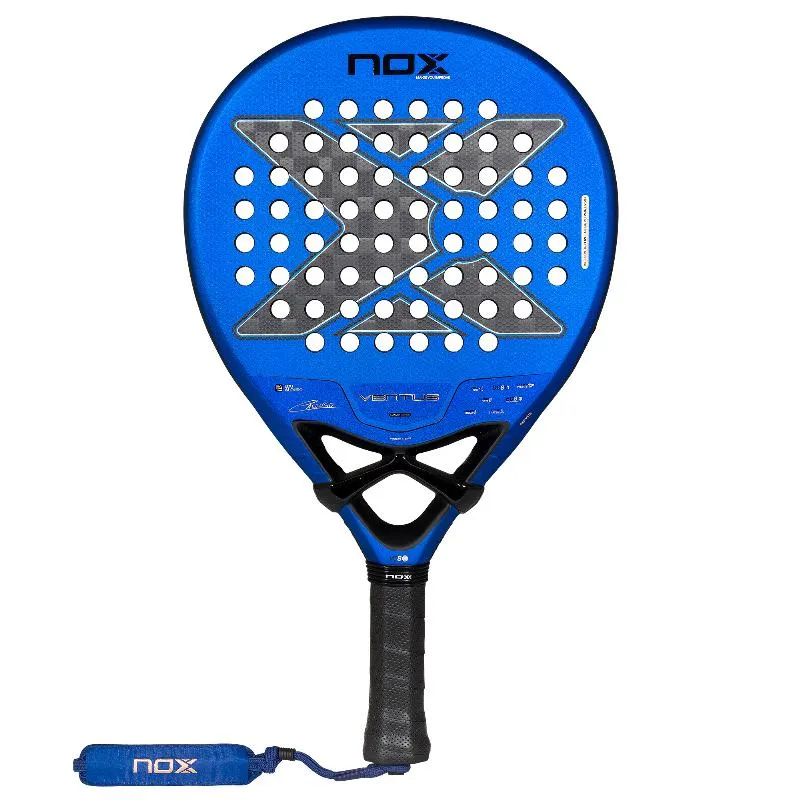
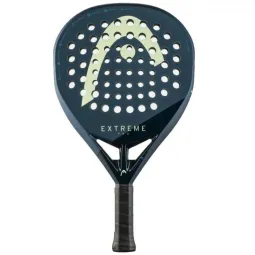
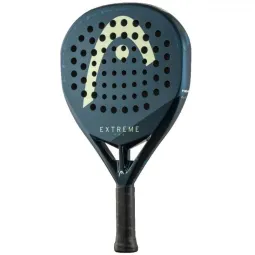
Brands like Nox and Siux apply reinforcements in critical areas or combine materials such as kevlar and graphene, achieving greater lifespan. Head also stands out for its durability innovations.
Which material to choose according to your player profile
There is no universally better material; the choice should be based on level and playing style:
- Beginners: Fiberglass or mixed combinations for more tolerance and accessible price.
- Intermediate: Carbon with some flexibility to advance towards control and power.
- Advanced/Professional: 100% carbon or premium materials (kevlar, graphene) for maximum performance and resistance.
In our padel rackets section, you can filter by material and discover exclusive new arrivals and offers.
Relationship between weight, material, and on-court sensations
The combination of materials affects the racket's balance and player sensations. Light rackets allow quick reactions, but if the material is not resistant, you will lose performance over time. Heavy rackets, on the other hand, add power but may tire your arm.
Which brands offer the best materials in padel rackets
The range of brands is very wide, but some stand out for the quality and innovation of their materials. Among them:
- Adidas (ultralight carbon rackets and advanced technologies).
- Bullpadel (hybrid models and state-of-the-art reinforcements).
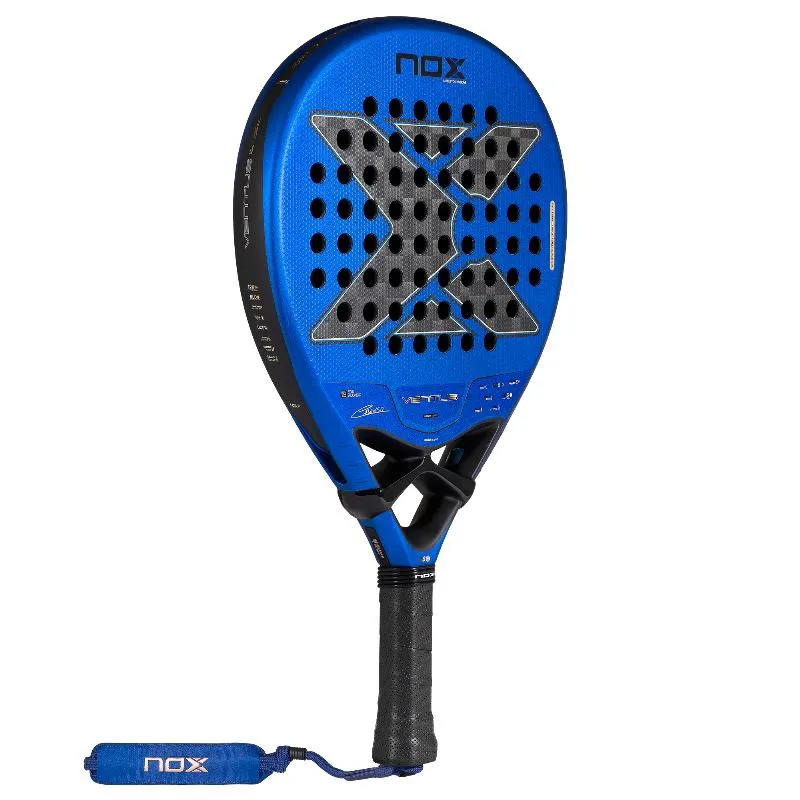
- Nox (graphene and premium carbon rackets).
- Siux (large catalog with high-end materials).
- Head (Graphene 360+ technology, renowned for its durability).
Explore all leading brands at our TiendaPadelPoint and find the racket that best suits your needs.
What are the new materials for rackets
The sector is constantly evolving, incorporating materials such as graphene, kevlar, and new alloys that allow the manufacture of lighter and more resistant rackets. If you want to keep up with the latest releases, visit the New Arrivals section in padel rackets.
Padel Guide: Technical Knowledge and Applied Experience to the Game
tiendapadelpoint · Padel authority, equipment and performance @ Copyright 2026