










Guia de Padel - PadelPoint
Mental exercises to improve adaptation in padel
How the mind influences adaptation on the padel court
Padel is a sport where constant adaptation is key to success, both in casual matches and high-level competitions. The ability to react and quickly adjust to changing circumstances is highly influenced by mental training. Mental exercises not only improve concentration, but also boost resilience, decision-making and emotional management. At TiendaPadelPoint we understand that the mind is as important as the racket or shoes.

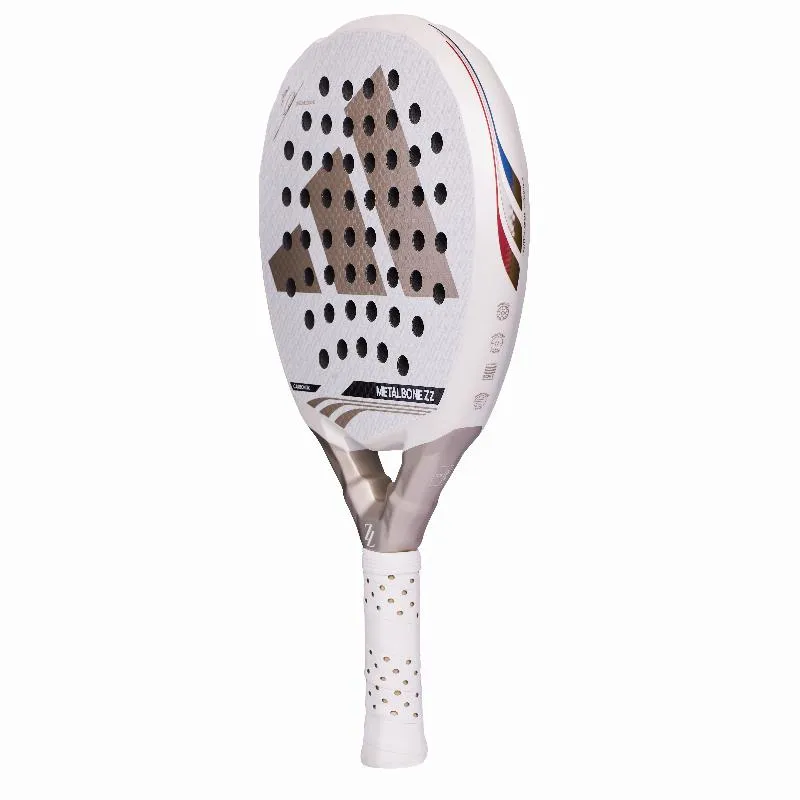
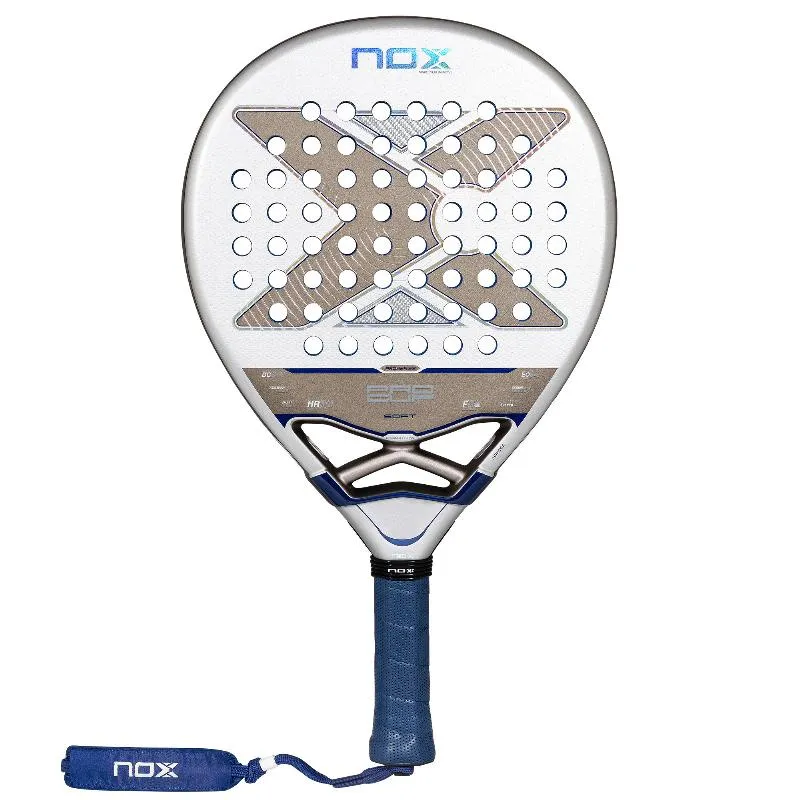
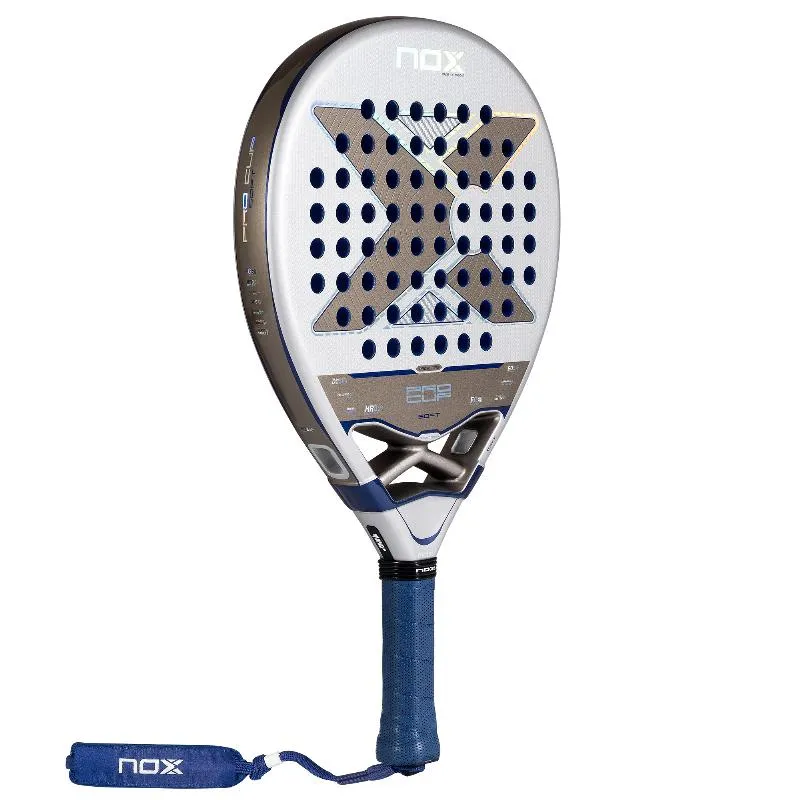
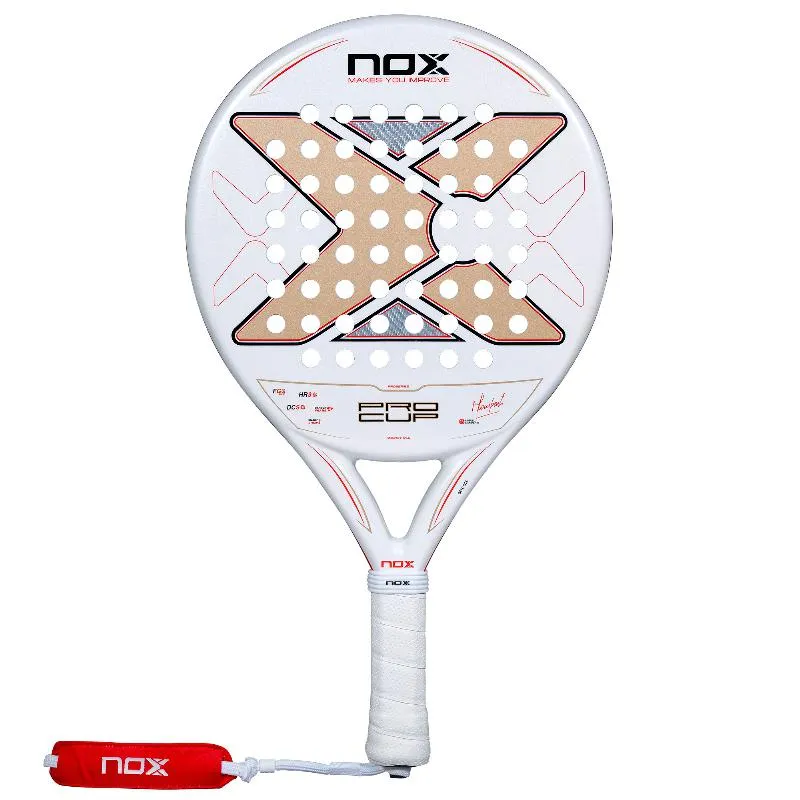
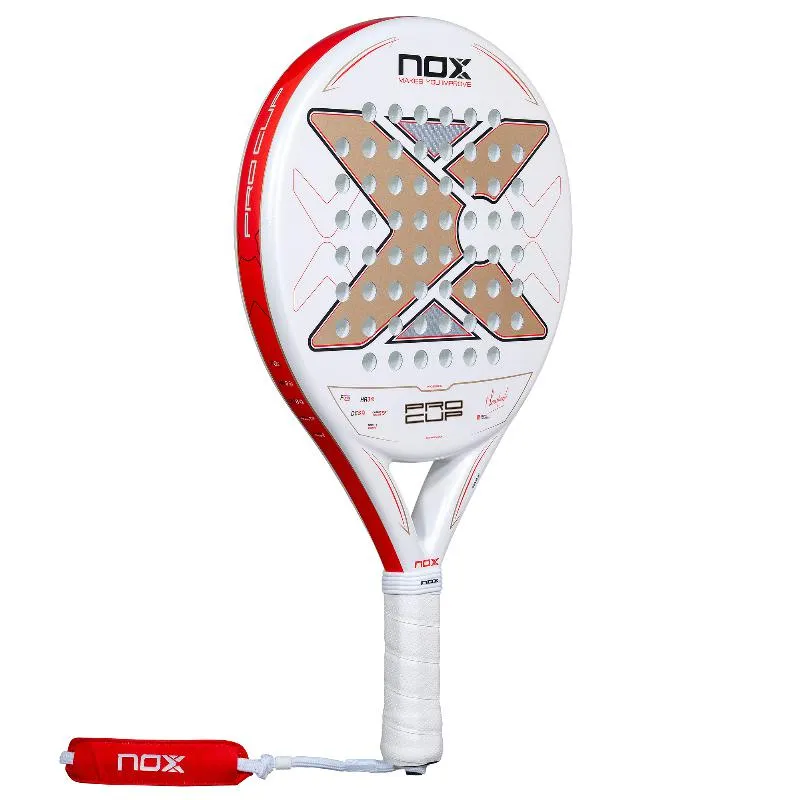
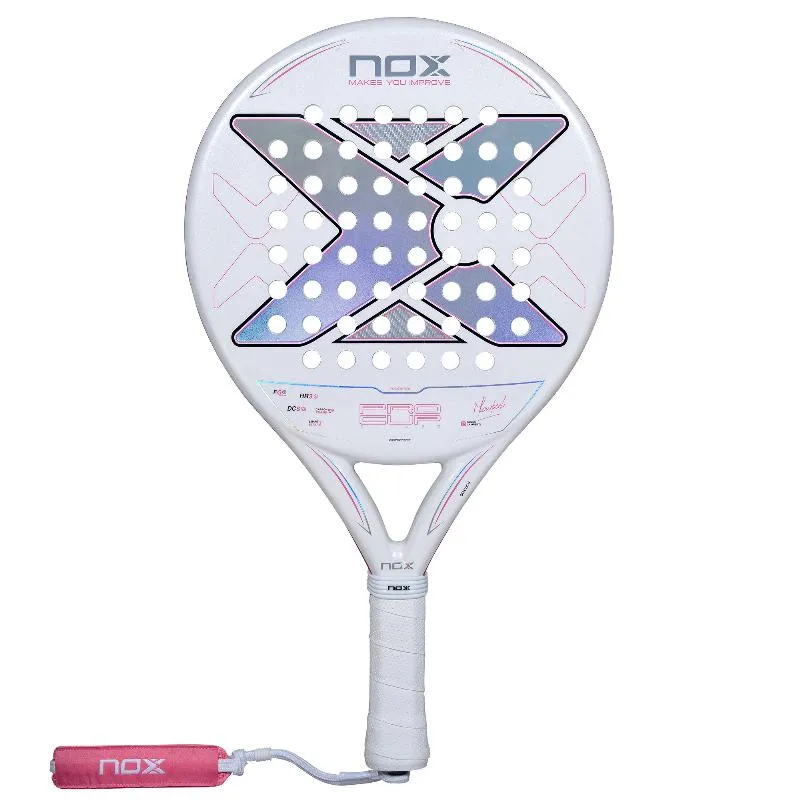
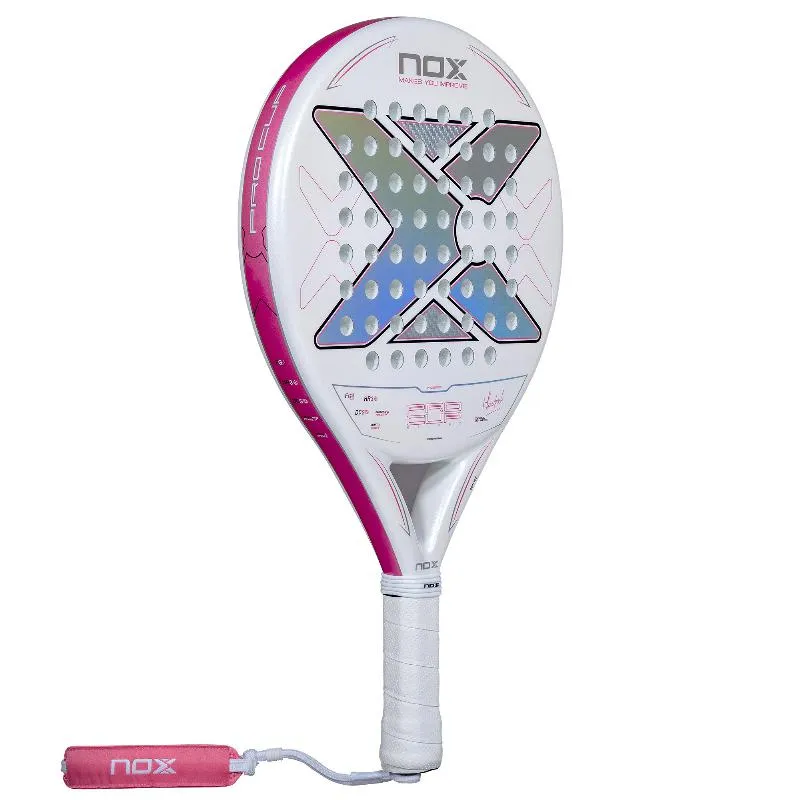
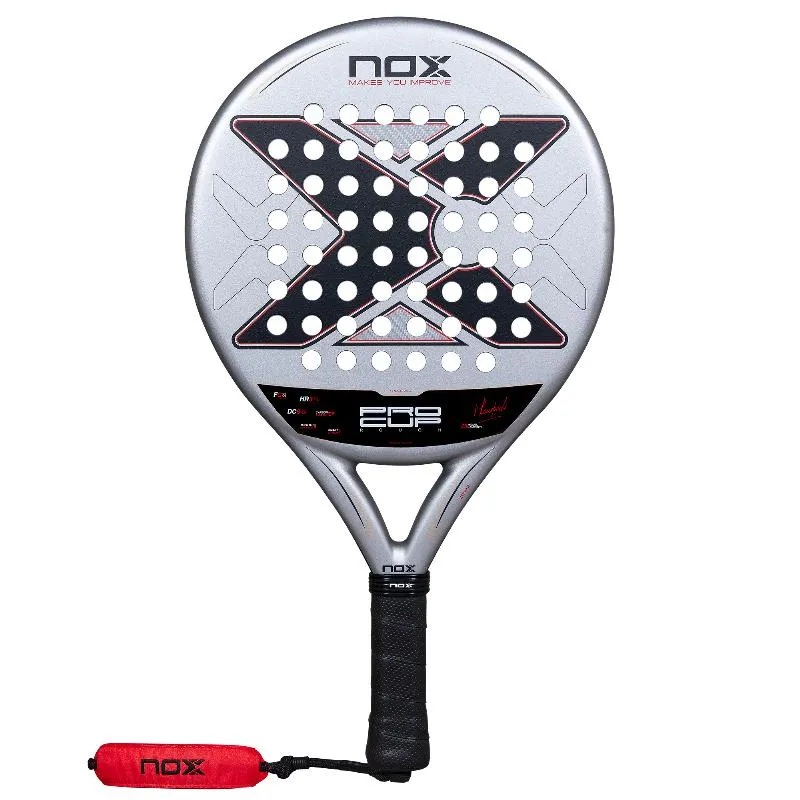
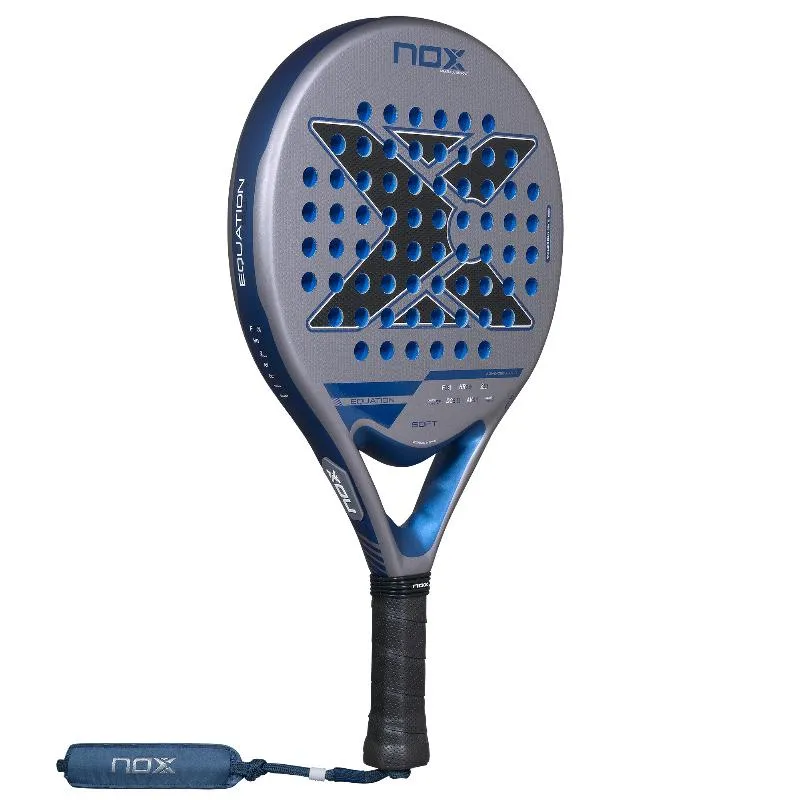
The practice of mental exercises can be combined with the use of specialized padel accessories, enhancing the experience and helping to incorporate new psychological routines more effectively.
What visualization techniques enhance adaptation in padel?
Visualization is one of the most effective mental exercises for padel. It consists of mentally imagining match situations, technical and tactical movements, or responses to different plays. This mental training helps anticipate scenarios and prepare quick responses to unexpected changes.
- Visualization of plays: Before each match, spend a few minutes imagining difficult points and how you would solve each situation.
- Sensation recreation: Imagine the sound of the ball, foot movement and contact with the racket. This prepares your nervous system to act more naturally.
- Simulation of pressure scenarios: Visualize critical moments, such as a match point, and rehearse your emotional and physical reaction.

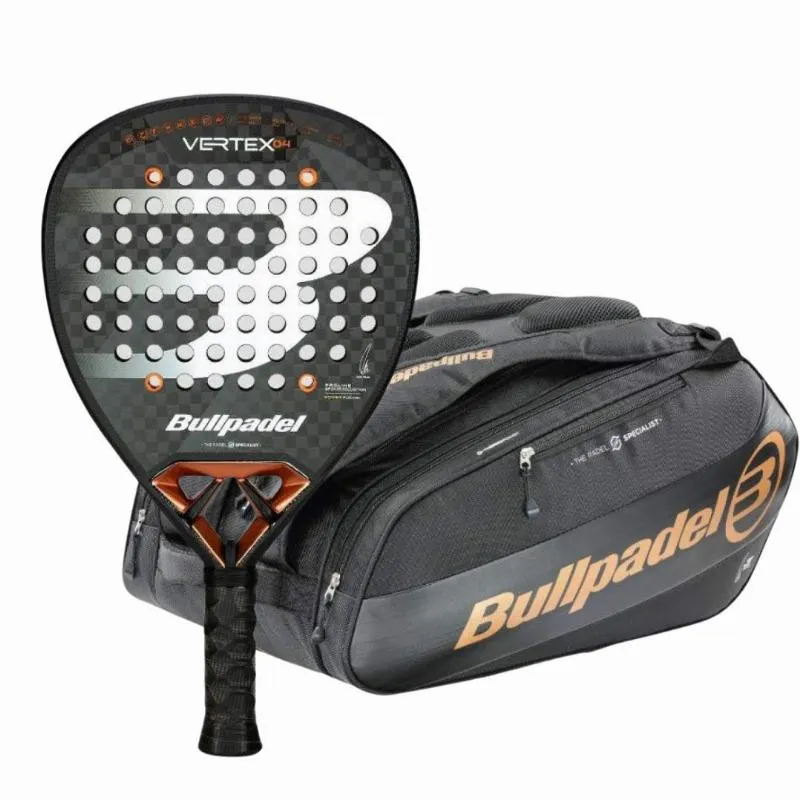
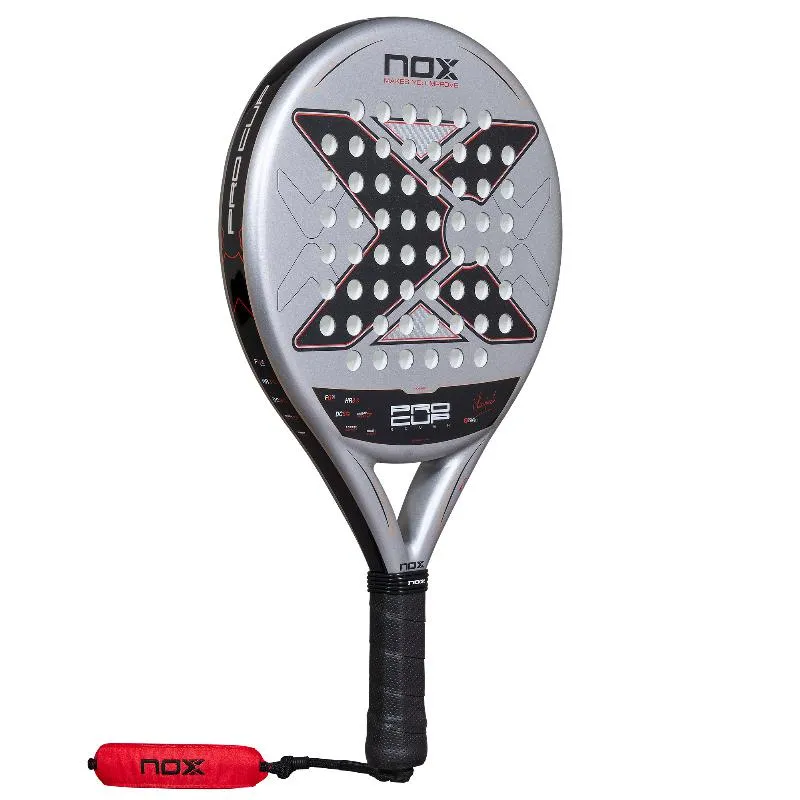
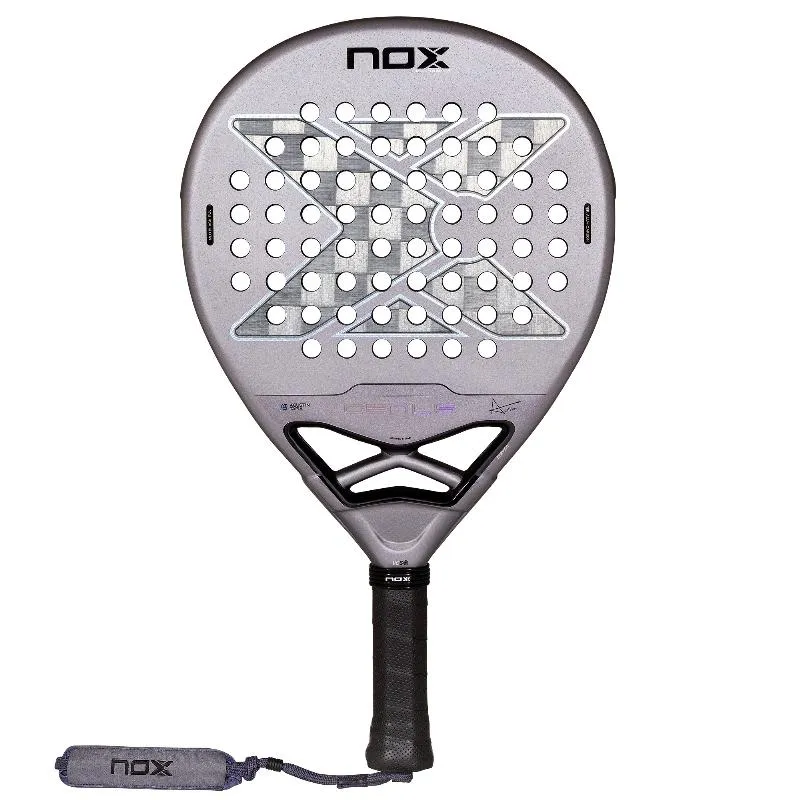
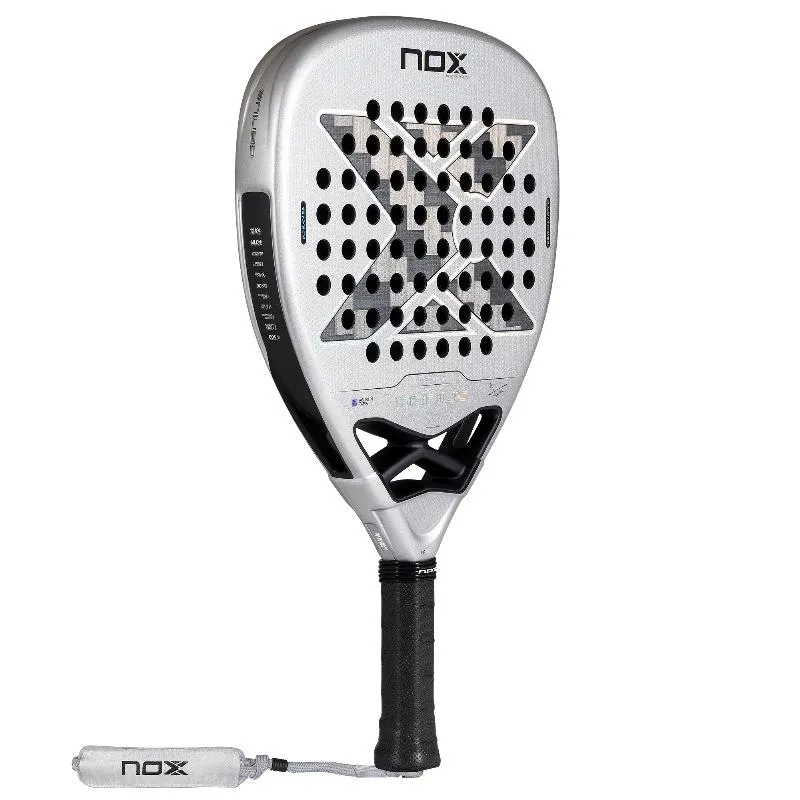
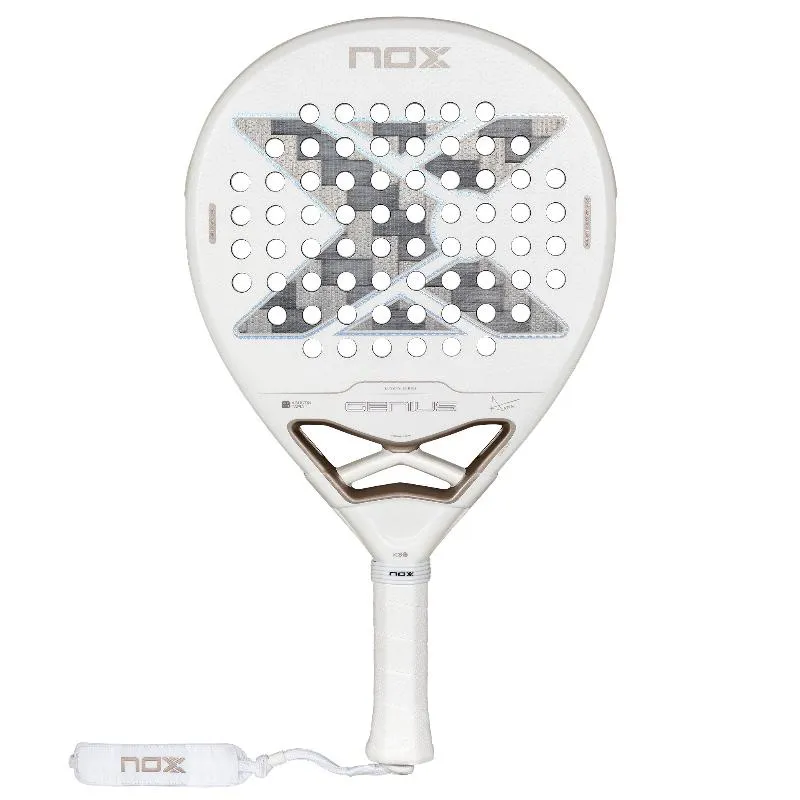
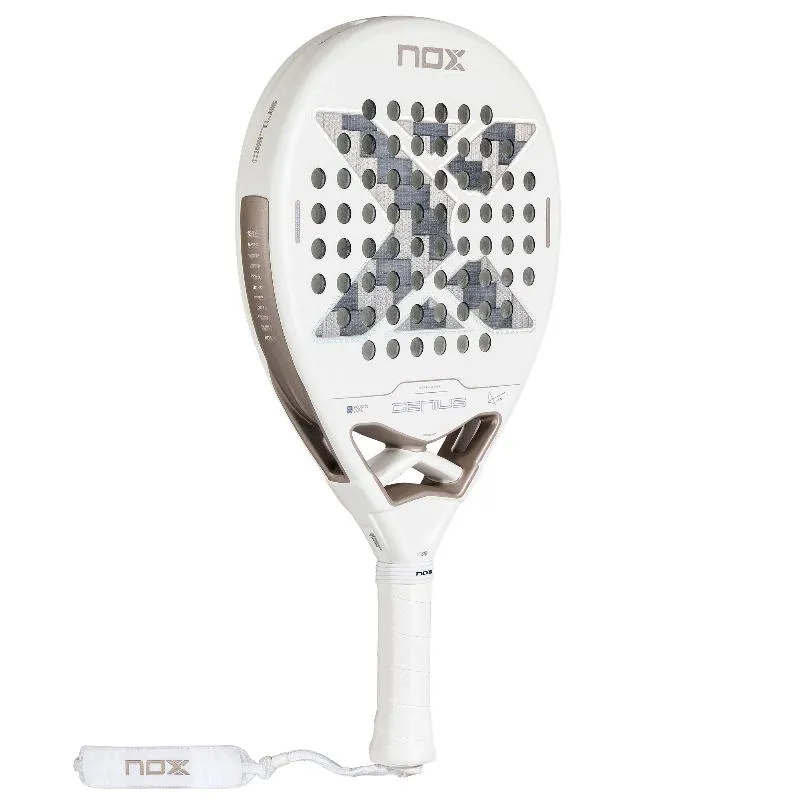
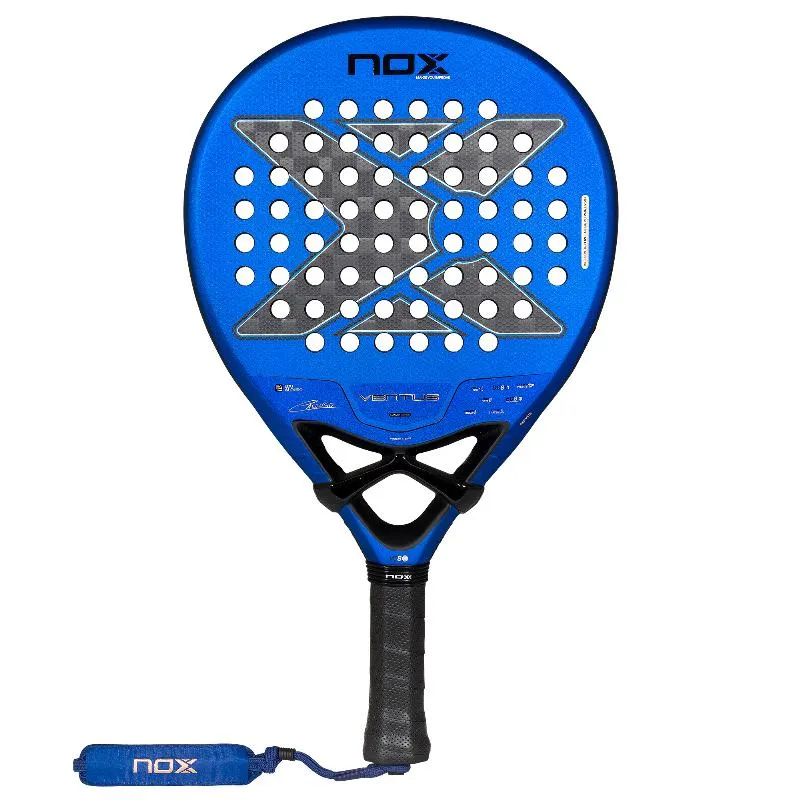
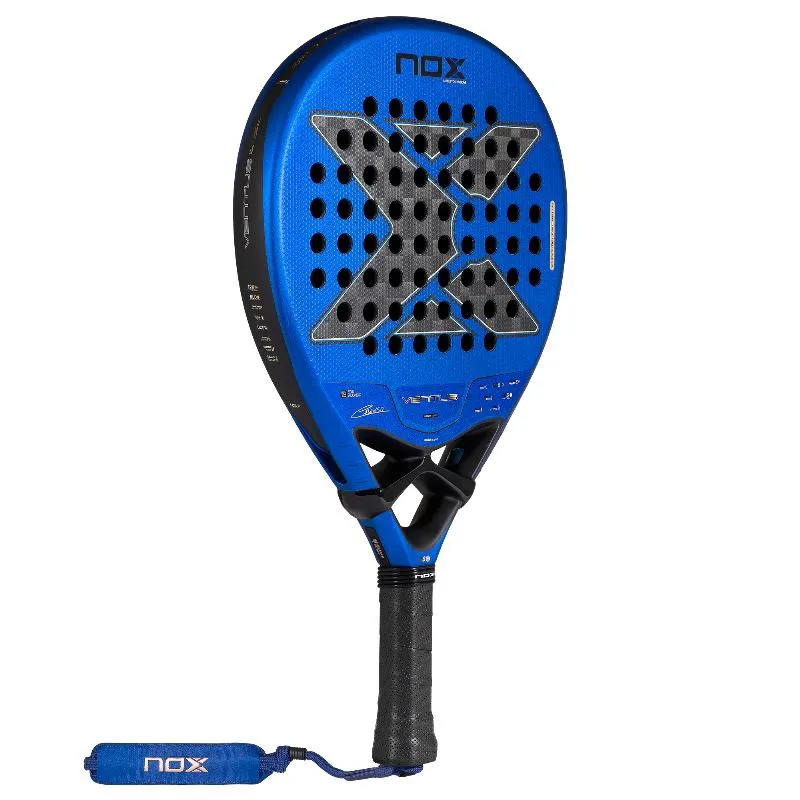
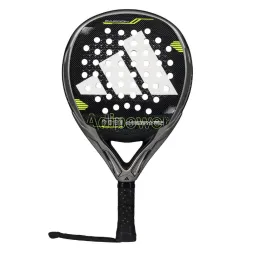
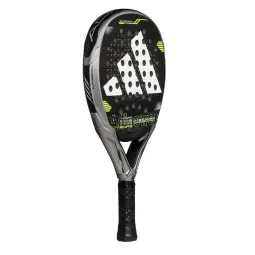
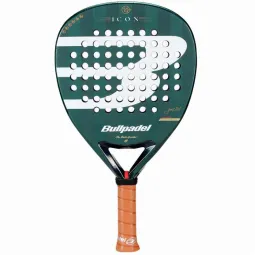
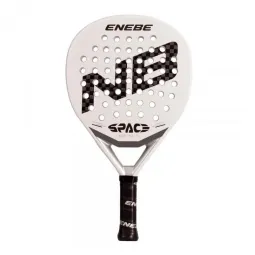
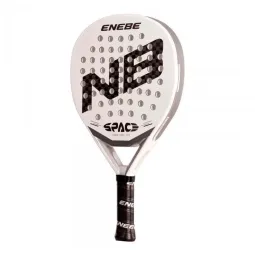
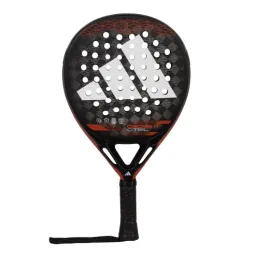
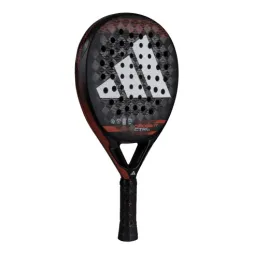
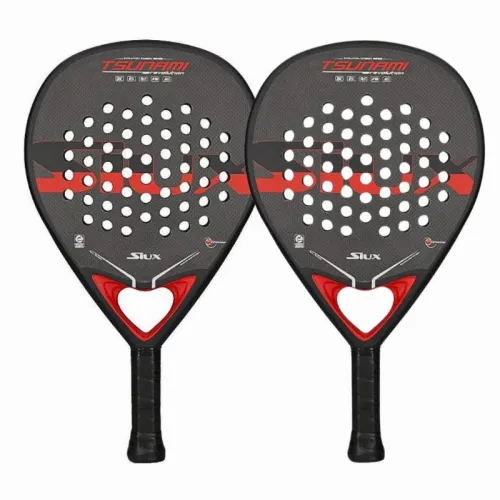
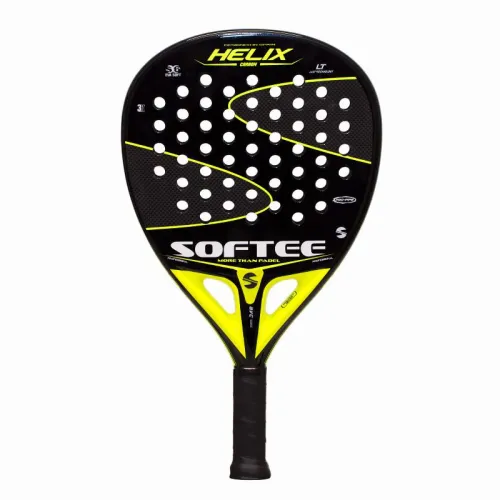
These exercises can be performed before using your padel racket, reinforcing confidence and hitting efficiency.
How to train mindfulness and focus during a match?
Mindfulness is fundamental for adapting to changes in rhythm and unexpected situations in padel. Practicing mindfulness helps you avoid being distracted by previous mistakes or the scoreboard, keeping your focus on the present moment.
- Breathing exercises: A few minutes of conscious breathing before entering the court help reduce anxiety and improve concentration.
- Mental anchoring routines: Associate a gesture or word with a feeling of calm and use it between points to reset your mind.
- Active observation: During matches, focus your attention on the ball, your opponent's movements and your court position.
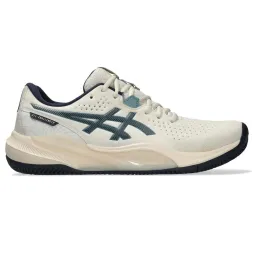
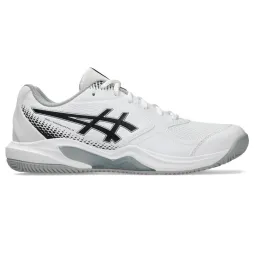
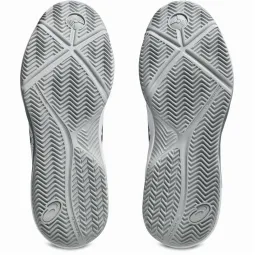
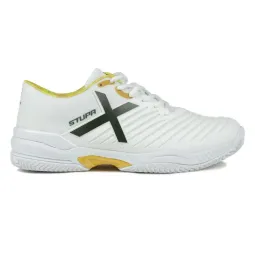
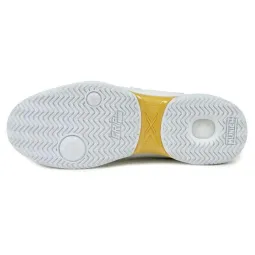
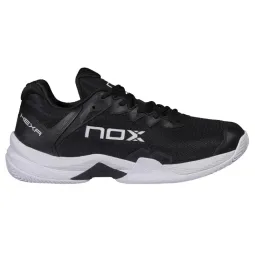
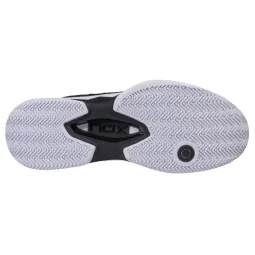
Wearing the right padel shoes also contributes to greater security and helps focus the mind on the game, avoiding external discomfort.
Managing emotions and quick adaptation after mistakes
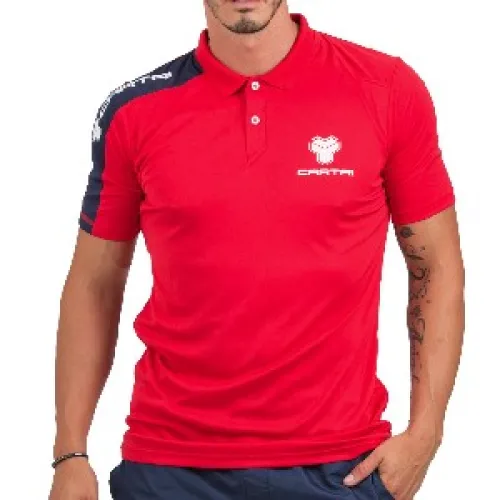
The ability to quickly adapt after a mistake is what sets experienced players apart. Working on self-compassion, acceptance and immediate learning from failure are mental skills that can be trained with reflection exercises after each game or training session. In addition, choosing comfortable padel clothing promotes freedom of movement and reduces physical and mental stress.
Which self-talk exercises improve adaptation in padel?
Positive self-talk is a pillar of mental adaptation. It consists of controlling the flow of thoughts and transforming negative messages into constructive affirmations. This technique helps maintain motivation and resilience during the most demanding matches.
- Motivational phrases: Repeat phrases such as "I can adapt to any situation" or "I improve with every point".
- Post-match review: Mentally analyze what worked and what you can improve, always from a positive perspective.
- Prior preparation: Before the match, write or think of three personal strengths you can rely on in adversity.

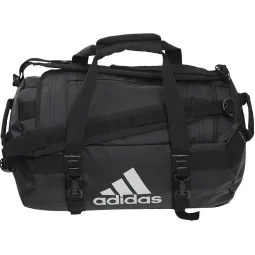
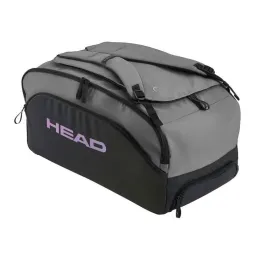
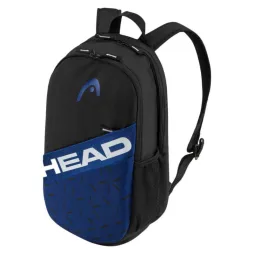
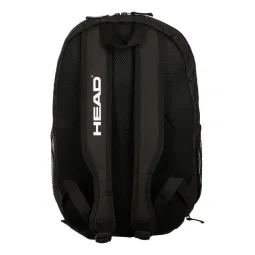
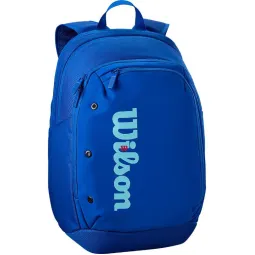
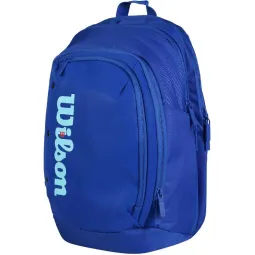
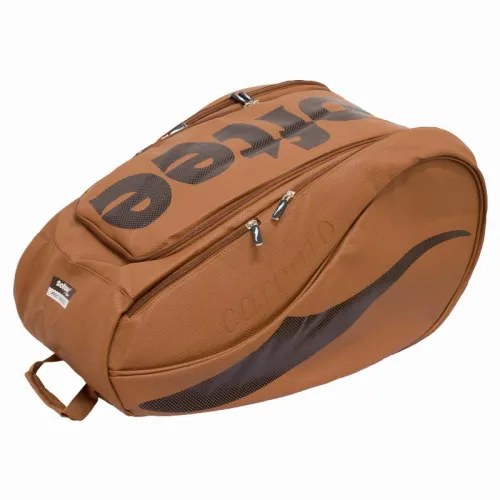
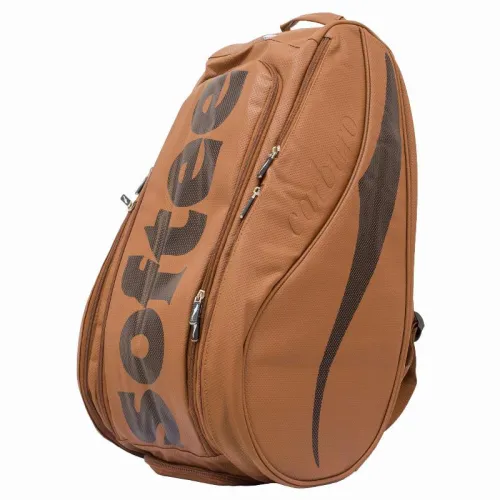
Carrying your rackets bags in an organized way reinforces the feeling of control and mental preparation.
Adapting to opponent's tactical changes
Good self-talk helps process the opponent's tactical changes quickly. If the opponent changes their game, an internal message of flexibility allows you to adjust your strategy without losing confidence.
How does meditation help with adaptation and performance in padel?
Meditation is a powerful tool for developing mental flexibility. It helps manage pressure, calm the mind and expand your capacity for adaptation in adverse situations.
- Guided meditation: Try 10-minute sessions focused on accepting changes and visualizing solutions to unforeseen events.
- Active meditation: Take short mindfulness breaks during training, focusing on physical and emotional sensations.
Using high-quality padel balls during these practices can help focus attention and create more effective pre-match routines.
Relationship between sports equipment and mental health
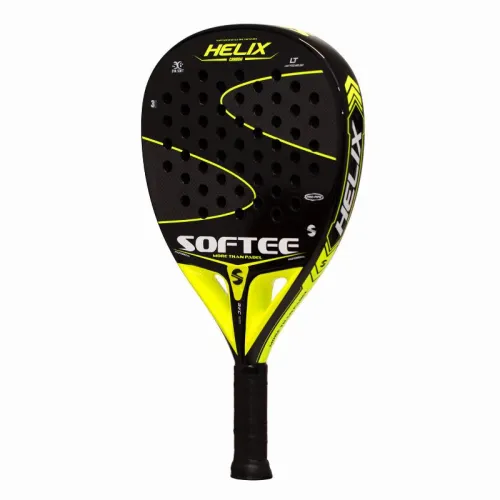
Choosing good equipment, such as rackets, shoes or accessories, not only affects physical performance but also brings confidence and mental peace, making it easier to adapt to any playing environment.
What role does mental resilience play in adapting to different surfaces and opponents?
Mental resilience is the ability to quickly recover from difficulties. In padel, this means adapting to new surfaces, unknown opponents or adverse conditions. Working on resilience requires reflection exercises, post-match analysis and continuous learning.
- Match analysis: After each match, reflect on the adaptations that worked and those that didn't, to incorporate them next time.
- Flexibility training: Voluntarily change routines or playing styles during training to broaden your range of responses.

Check out the OUTLET offers to renew your equipment and boost your motivation on court.
Final recommendations for effective mental adaptation
Combine the mental exercises described with good training planning and high-quality equipment. Visit our New Arrivals section to stay up to date with the latest trends in equipment and psychological resources applied to padel.
Padel Guide: Technical Knowledge and Applied Game Experience
tiendapadelpoint · Authority in padel, equipment and performance @ Copyright 2026