












































































Guia de Padel - PadelPoint
Mental exercises to improve emotional control in padel
The role of emotional control in competitive padel
Padel is much more than technique and physical condition; the mind plays a fundamental role in the success of every match. Emotional control allows players to maintain focus under pressure, make better decisions and enjoy the game more. Unforced errors, scoreboard pressure or rival provocations can test our inner balance. Therefore, mental exercises are essential for any player who aspires to progress and feel more secure on court.
At TiendaPadelPoint we know that mental preparation is as important as choosing the right racket. That is why we present routines and methods with which you can train your mind and boost your overall performance.

Complementing your training with padel accessories can help you create more complete and personalized routines for mental control.
How can mental exercises transform your padel game?
Regular practice of mental exercises helps develop self-management emotional skills. Techniques such as visualization, conscious breathing and psychological anchoring allow you to face critical moments without losing your composure. Visualization consists of imagining match situations, anticipating optimal responses to adversity. For example, before an important serve, visualizing the shot and a positive outcome helps reduce stress.
Benefits of emotional control on the court
- Improves decision-making under pressure.
- Reduces unforced errors.
- Boosts confidence and sports self-esteem.
- Fosters positive communication with your partner.
- Decreases the impact of external factors, such as the crowd or score.
Using high-quality padel rackets, like those you can find at our store, also contributes to your confidence on court, as feeling secure with your equipment reduces anxiety and favors emotional control.
What are the most effective mental exercises for padel?
There are many mental exercises aimed at emotional control in padel:
- Diaphragmatic breathing: A simple and powerful technique to reduce tension between points. Inhale slowly through your nose, feel your abdomen expand and exhale gently through your mouth. Repeat several times to return to the present.
- Positive visualization: Spend a few minutes before the match visualizing yourself playing successfully, overcoming tough situations and achieving key points.
- Concentration routines: Before each point, establish gestures or key words that help you reset your mind and focus only on the present play.
- Constructive self-talk: Replace negative thoughts with positive and realistic affirmations. For example, change "I can't miss" to "I'll do my best".
- Anchoring technique: Associate a gesture (touching the racket grip, gently tapping your leg) with a mental state of calm or motivation, so your body links it to positive emotions.
Exercises to practice off court
- Guided meditation for athletes.
- Autogenic training (positive autosuggestion).
- Mindfulness applied to sport.
Combining these mental exercises with the right choice of comfortable and breathable padel clothing can help you feel lighter and more focused during competition.
How to integrate these mental exercises into your daily routine?
The key to success is consistency. Setting aside a daily space, even if only for 10 minutes, to train your mind is as important as physical work. You can practice breathing and visualization before training sessions, or spend a few minutes meditating after your sports day. Keeping an emotional diary helps identify patterns and progress in emotional control.
Support material and recommended accessories
At padel shoes and accessories from leading brands such as Adidas, Babolat or Asics, you'll find the comfort and support you need for your mind to focus on the main goal: enjoying and performing well on court.
If you're looking for opportunities to renew your equipment, explore the OUTLET section of our website, where you can find top brand products at reduced prices.
What mistakes should be avoided when working on emotional control in padel?
Many players fall into the trap of demanding perfection or repressing emotions, which can lead to blockages and frustration. It's important to:
- Don't judge yourself for mistakes, but analyze them as part of learning.
- Avoid constantly comparing yourself to other players.
- Don't leave mental training only for when problems arise; it should be a habit.
- Seek professional support if you experience persistent blockages.
- Use quality resources, such as specialized books and appropriate accessories, to complement mental work.
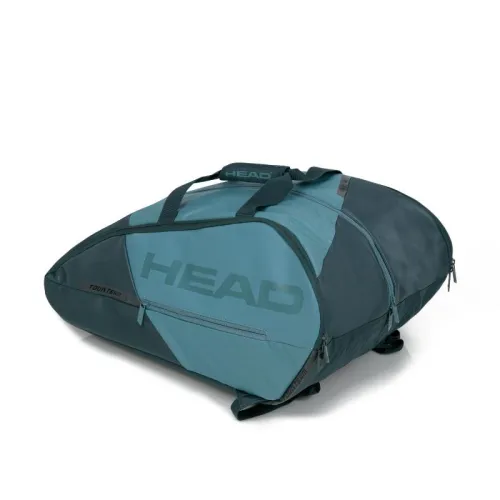
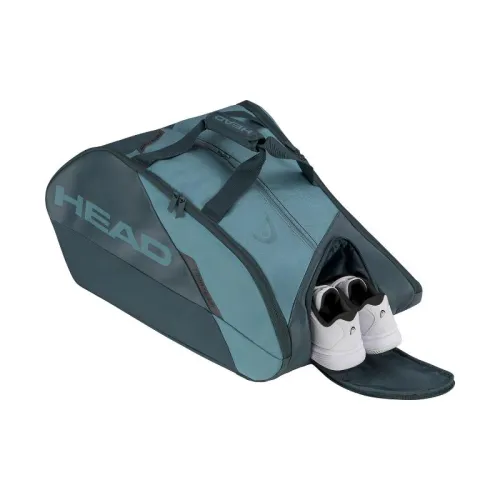
The combination of effective mental training, choosing the ideal racket bag and selecting quality padel balls can make a difference in the player's experience and results.
Padel Guide: Technical Knowledge and Applied Experience to the Game
tiendapadelpoint · Authority in padel, equipment and performance @ Copyright 2026
