


















































































Guia de Padel - PadelPoint
Mental and physical preparation for amateur padel competition
Comprehensive training for amateur padel to reach your best
Competing in amateur padel requires not only passion for the sport but also proper mental and physical preparation. The combination of training, rest, nutrition, and the right padel equipment can make the difference on court. Below, we offer a complete guide to help you arrive at tournaments with the best chances of success, both physically and mentally.
The importance of balance between body and mind in padel
Padel, while accessible to all, requires good emotional management and physical preparation. Body and mind must work in harmony so you can perform at your best during crucial moments, avoid injuries, and manage the pressure of competition.
What physical training is recommended for amateur padel?
Padel is a high-intensity sport involving bursts of speed, endurance, and agility. Therefore, your physical preparation should include:
- Cardiovascular work: short runs, jumps, or interval training help improve endurance and recovery between points.
- Strength training: focusing on legs, core, and upper body for more powerful shots and quick movements.
- Flexibility and injury prevention: stretching routines and specific warm-ups reduce injury risk.
- On-court sessions: alternate matches, tactical drills, and technical repetitions with different padel balls to adapt to various playing conditions.
Shoe choice is vital; good padel shoes provide stability and help prevent injuries.
How to structure an effective training week
The ideal approach is to alternate days of gym work with on-court sessions. Dedicate at least two days to technique and tactics on court, and two to strength and cardio. Don't forget to include a full rest day to promote recovery.
How can you strengthen your mind to compete in padel?
Mental strength is as important as physical. Amateur players often face nerves, pressure, and moments of blockage. To manage these factors:
- Visualization: imagine match situations and how you would solve each point.
- Breathing techniques: help control stress before and during the game.
- Routine setting: always performing the same movements before serving or receiving helps you enter "competition mode."
- Learning from mistakes: after each match, reflect on your successes and areas for improvement.
Support from a coach or sports psychologist can be crucial for developing focus and motivation techniques.
The importance of self-confidence and managing expectations
Self-confidence is built through small achievements and a positive attitude. Set realistic goals and celebrate your progress, without obsessing over immediate victory.
What nutrition and lifestyle habits are recommended for an amateur player?
Nutrition and healthy lifestyle habits enhance performance and recovery. Follow a balanced diet rich in complex carbohydrates, lean proteins, and healthy fats. Also:
- Stay well hydrated: dehydration affects concentration and performance.
- Plan your meals: before matches, choose easily digestible, high-energy foods.
- Avoid excesses: alcohol and heavy meals can impair physical and mental capacity.
- Rest: sleep at least 7-8 hours before competing.
Complement your routine with padel accessories designed for comfort and performance.
The importance of recovery and rest
Don't underestimate the power of good recovery: use techniques like stretching, massages, or cold baths after matches to avoid overload.
How to choose the right equipment for competition?
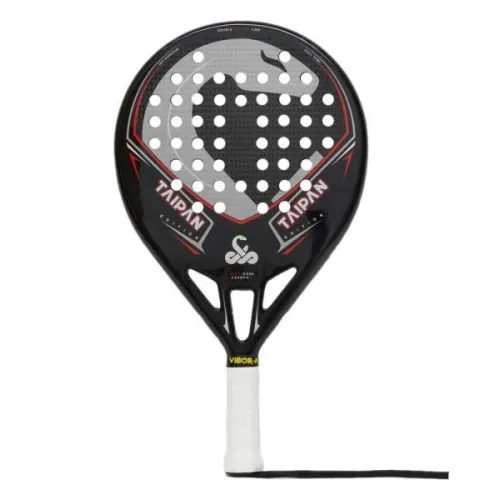
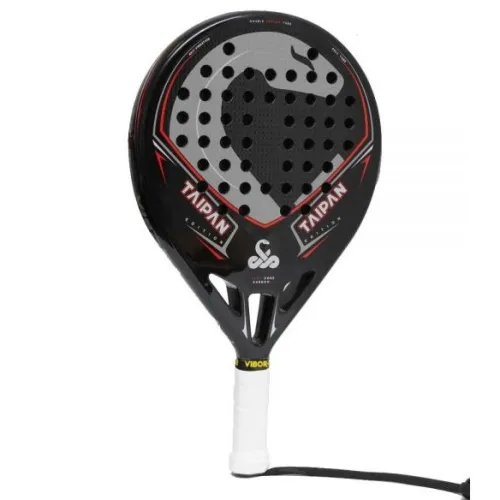
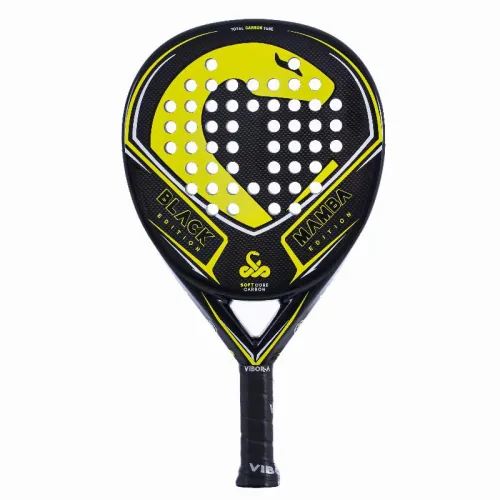
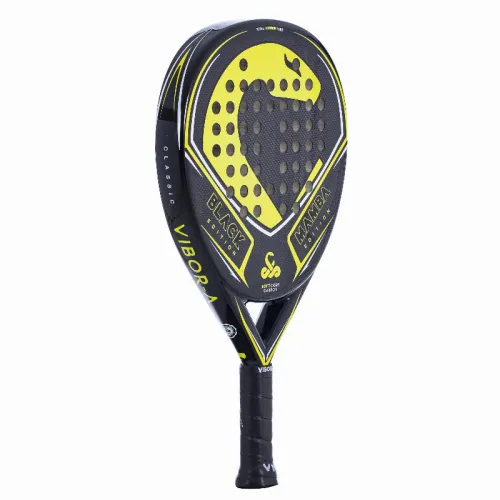
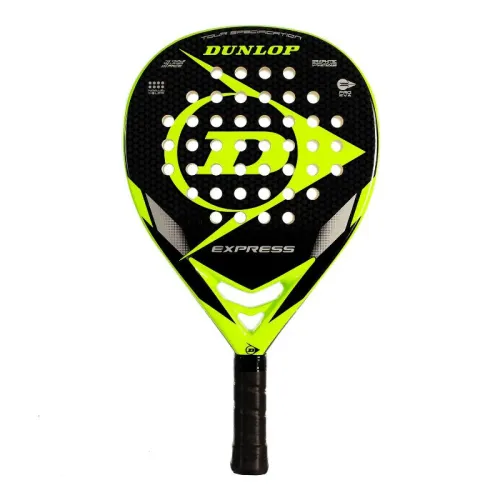
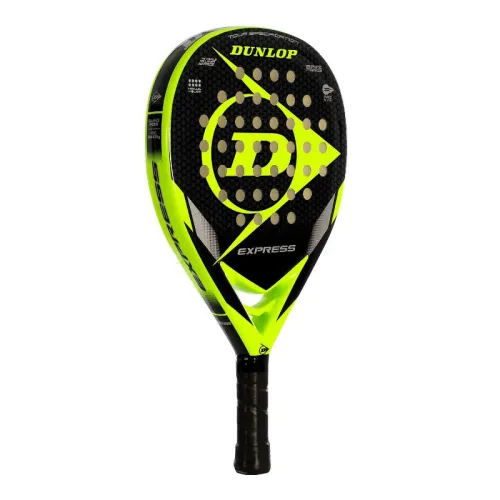
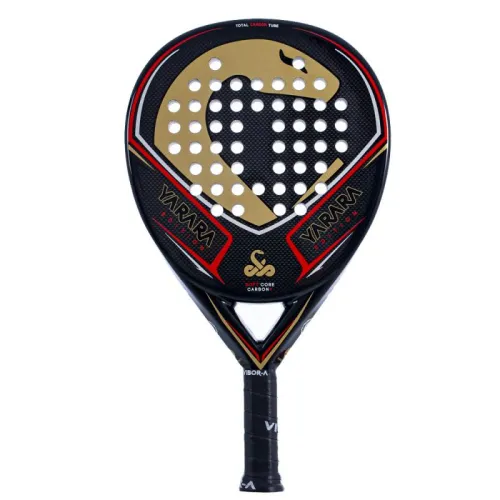
In padel, having the right equipment is a key advantage. Choose your racket according to your level and playing style. Padel rackets vary in shape, weight, and materials, affecting control and power. Don't forget other essentials like racket bags for transporting your gear and padel clothing for comfort and breathability.
At TiendaPadelPoint you'll find top brands like Adidas, Bullpadel, Head, Starvie or Wilson to equip yourself with the latest technology and performance.
Renew your gear with offers and new arrivals
Check our OUTLET section for deals, or discover new arrivals to stay ahead in amateur padel.
What are the most common mistakes and how to avoid them in preparation?
Many amateur players make mistakes such as overtraining, ignoring the importance of rest, or competing without the right equipment. It's also common to neglect mental preparation and not analyze matches afterward. To avoid these pitfalls:
- Plan your training and competition calendar.
- Listen to your body and respect recovery times.
- Update your equipment according to your needs and skill level.
- Work on both the physical and mental aspects in balance.
- Consult reliable sources and seek professionals for technical or tactical doubts.
Motivation and enjoyment as keys to preparation
Remember that motivation and enjoyment of the game are the foundation for progress and confident competition. Cultivate your passion for padel and surround yourself with teammates who share your sporting values.
Padel Guide: Technical Knowledge and Applied Experience for the Game
tiendapadelpoint · Authority in padel, equipment, and performance @ Copyright 2026
