















































































Guia de Padel - PadelPoint
Common mistakes when analyzing padel opponents
Key points to avoid errors when studying padel rivals
Opponent analysis is one of the most influential aspects when planning a winning strategy in padel. However, it is common for players of all levels to make mistakes that limit the usefulness of this analysis. Knowing how to detect and correct these flaws can make the difference on the court and help you anticipate your rivals' plays more effectively. In this article from TiendaPadelPoint, we show you the most common mistakes when analyzing padel opponents and how to avoid them, also integrating the best options in padel accessories and equipment to enhance your training.
The importance of proper opponent analysis in padel
Padel is a sport where tactics and anticipation play a fundamental role. Deeply studying your rivals allows you to detect patterns, weaknesses, and strengths, facilitating decision-making at key moments in the match. However, if the analysis is biased or incomplete, the strategy can backfire.
- Focusing only on the opponent's mistakes and not their successes.
- Generalizing behaviors without considering the match context.
- Forgetting technical details such as grip, body position, or the choice of padel rackets.
What data is often overlooked when analyzing opponents?
One of the most common errors is focusing only on the most striking shots and overlooking less visible but equally decisive aspects. For example, many players do not consider the importance of the types of padel balls their rivals use, or if they alternate rhythms and heights in their shots.
Other details often neglected include communication between the rival pair, their body language under pressure, and the use of racket bags or accessories that may reveal routines or superstitions. Studying these factors can provide valuable clues to anticipate their moves.
The impact of equipment on playing style
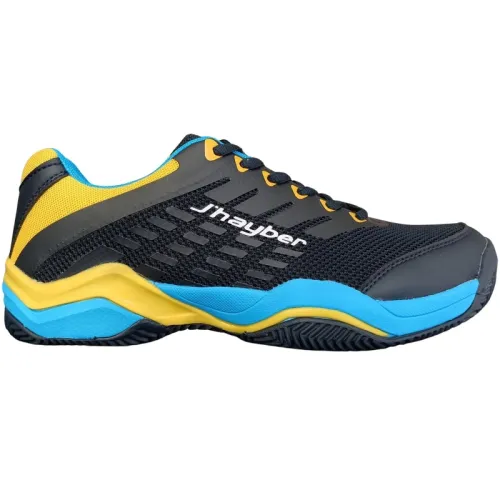
Sometimes, analyzing the equipment used by rivals can provide information about their playing style. For example, rackets with specific shapes, shoes with greater cushioning, or technical clothing that favors mobility can indicate tactical intentions and movement preferences.
How does overvaluing one aspect influence analysis?
Overvaluing a single aspect, such as smash power or volley skill, can lead to planning errors. It is essential to maintain a global vision, considering both strengths and weaknesses and avoiding clichés.
Also, remember that padel is a dynamic sport, and rivals may evolve during the same match. Therefore, analysis must be continuous and flexible.
Tactical adaptation on the go
The ability to adjust strategy based on rival response is key. Having resources on the bench, such as different padel shoes to adapt to various surfaces or changes in pace, can be decisive for the final result.
Why is it a mistake to focus only on weaknesses?
A recurring mistake is to focus only on the weaknesses detected in previous analyses, neglecting the rival's strengths. This can lead to unpleasant surprises if the opponent improves their performance or is well prepared to counter our tactics.
A balanced strategy should consider all aspects of the opponent's game, allowing anticipation of possible changes during the match. Using outlet products to renew your gear at low cost can help you stay competitive.
The role of active observation
Active observation means staying alert throughout the match, not just in the early games. Many players make the mistake of analyzing only at the beginning and then relaxing, which can cause them to miss opportunities to exploit new weaknesses.
How can brands and accessories help improve analysis?
Using products from leading brands such as Adidas, Bullpadel, or Head can provide a technological and functional advantage. Analyze which brands and models your rivals use to identify preferences and possible strengths. A rival using a specific racket, such as those from Wilson or Nox, may be seeking power, control, or specific effects.
Choosing Asics shoes or Babolat may also indicate the importance the rival gives to mobility or stability on the court. Starvie bags or Siux accessories can reveal routines and preferences in material organization.
Innovation and trends in equipment
Keeping up to date with news in the market allows you to spot patterns and adapt before your rivals. Opponent analysis should incorporate the observation of new technologies and materials that may influence the development of the game.
How to avoid biases affecting your analysis?
A dangerous mistake is to be carried away by prejudices or previous experiences, assuming that a rival will always play the same. Padel is a constantly evolving sport, and every match is a new opportunity to surprise.
To avoid this bias, combine objective observation with the use of technological resources, such as video recordings or tracking statistics. Thus, your analysis will be more complete and less subjective.
Recommendations for effective analysis
- Note key observations during matches and review them before each encounter.
- Do not underestimate the influence of equipment or mental preparation.
- Keep your gear updated by taking advantage of sections like the OUTLET.
- Consult resources and products from the best brands to always stay one step ahead.
Padel Guide: Technical Knowledge and Game Experience Applied
tiendapadelpoint · Padel authority, equipment and performance @ Copyright 2026
