
















































































Guia de Padel - PadelPoint
Non-verbal communication in padel doubles coordination
The importance of body language in doubles strategy
In padel, non-verbal communication is a fundamental pillar for effective coordination between doubles partners. Unlike other sports, padel's proximity and the need to act as a unit mean that every gesture, look, or movement conveys valuable information. Non-verbal signals such as eye contact, stance, or racket movements allow players to anticipate plays, correct mistakes in real time, and maintain the vital synchronicity for team performance. A simple gesture can be enough to indicate a tactical change or reinforce mutual confidence in a decisive point.
The choice of padel rackets also influences playing style and how players communicate. For example, a lightweight racket can facilitate quick movements for gesturing or signaling, while a racket with more control helps execute precise shots that convey clear intentions.
Reading gestures and anticipating plays
The ability to read a partner's gestures makes it possible to anticipate situations such as covering spaces or taking the initiative at the net. Synchronized movements and instant interpretation of signals allow points to be constructed with almost no words. In addition, the use of padel accessories, such as wristbands or caps, can help reinforce quick visual cues and stand out on the court.
How do gestures improve decision-making on the court?
During a match, players make split-second decisions. Non-verbal communication, such as a slight movement of the head or a change in court position, speeds up these decisions. For example, when a player discreetly signals their intention to volley, their partner can instantly move forward or back. These codes optimize strategy and minimize errors, especially under pressure.
Complementing this communication with personalized or brightly colored racket bags can help identify and use prearranged signals before the match.
Competitive advantages of silent communication
Teams that master non-verbal communication develop a competitive edge, as they can surprise opponents with changes of pace or unexpected plays. They also avoid giving away clues to the other team, keeping tactics confidential. This advantage grows with experience and joint training and is further enhanced by using leading brands such as Adidas, Bullpadel, or Head, which offer equipment designed for both comfort and functionality on the court.
What mistakes to avoid in non-verbal communication in padel?
Although non-verbal communication is essential, there are common mistakes that can hinder doubles play. These include lack of eye contact, ambiguous gestures, or absence of body synchronization. It is also common for beginner players not to agree on clear signals beforehand, which can lead to confusion and unforced errors.
To minimize these mistakes, it is recommended to use proper padel clothing that allows freedom of movement and facilitates body expression. Good equipment, as offered by brands such as Asics or Babolat, contributes to more efficient communication.
The importance of preparation and joint training
Spending time on specific gesture and signal training is key to avoiding misunderstandings. Doing practical exercises off-court, practicing different game situations and non-verbal responses, strengthens confidence and doubles synergy.
How to train non-verbal communication in padel?
Non-verbal communication training should be part of any padel pair's routine if they want to improve performance. It's recommended to do specific exercises to practice gestures for net approaches, coverages, or strategy changes mid-point. Using padel balls of different colors or textures can help reinforce certain visual messages during training.
Recording matches or training sessions and analyzing them afterwards helps identify possible improvements in communication. This analysis aids in correcting postures, reinforcing effective gestures, and eliminating confusing signals.
Equipment that facilitates communication on court
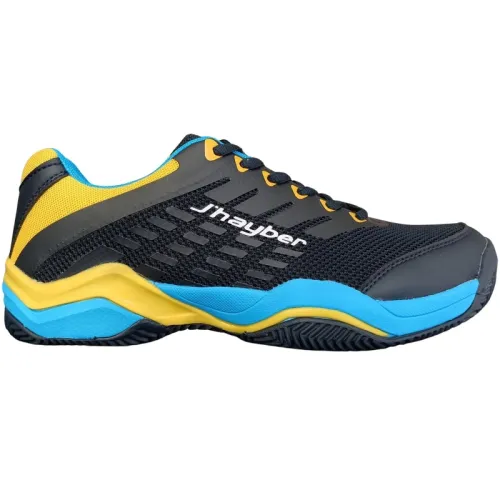
Choosing padel shoes that provide comfort and grip, such as those from Joma or Mizuno, also affects the ability to move and gesture freely. Good footwear allows players to react and communicate tactical decisions through quick, safe movements.
What role does trust play in effective doubles communication?
Mutual trust is the foundation of efficient non-verbal communication. The greater the connection between players, the more intuitive and rapid the interpretation of gestures and signals. Trust is built through practice, time spent together on and off the court, and selecting equipment that maximizes comfort and safety. In this sense, purchasing quality products through TiendaPadelPoint ensures that the pair can focus on the game without external distractions.
Staying up-to-date with new arrivals allows pairs to incorporate the latest technologies and trends into their equipment, further improving their communication and coordination on court.
Tips for strengthening the bond and communication
- Establish clear signals before each match.
- Practice synchronization and joint reaction exercises.
- Encourage dialogue off the court to reinforce trust.
- Update equipment with OUTLET items or specialized brands.
Padel Guide: Technical Knowledge and Applied Experience in the Game
tiendapadelpoint · Authority in padel, gear, and performance @ Copyright 2026
