


































Guia de Padel - PadelPoint
Requirements for Padel to Become an Olympic Sport
The Journey of Padel Towards Olympic Inclusion
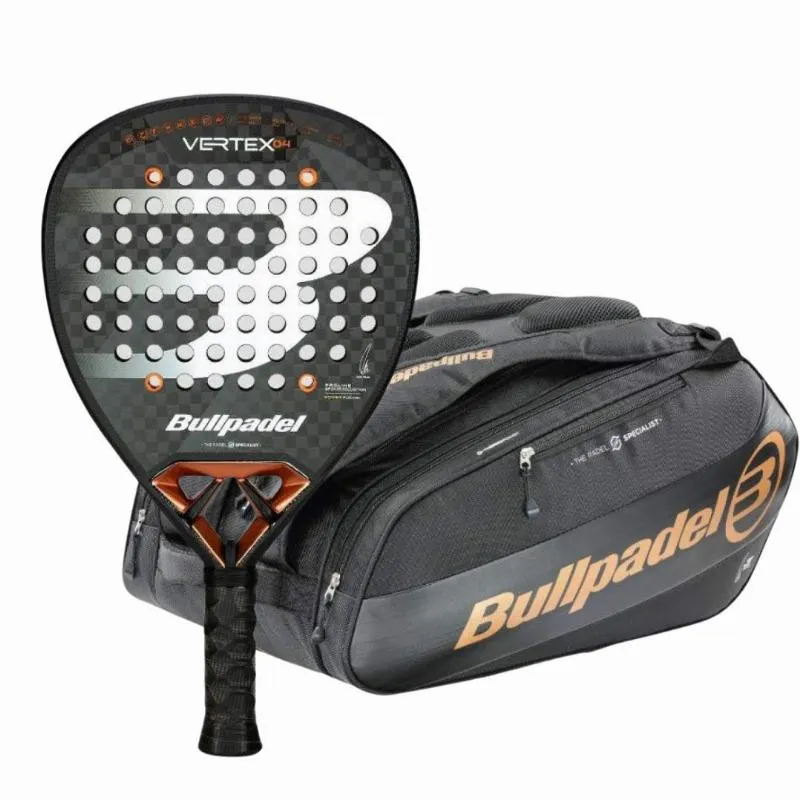
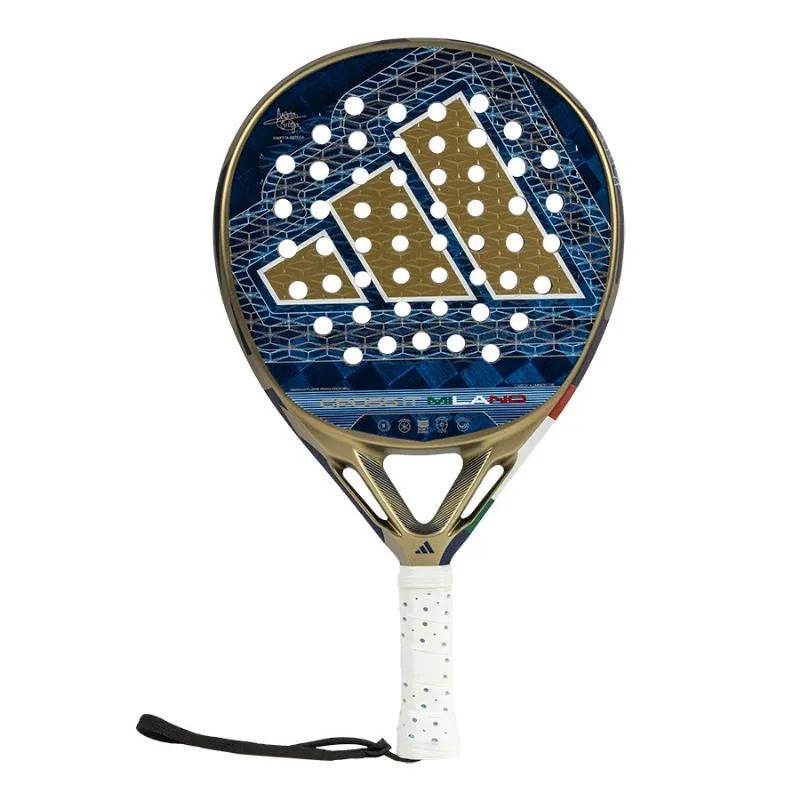
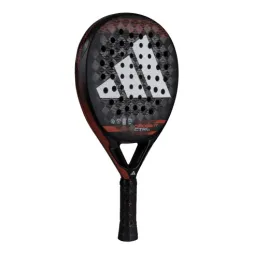
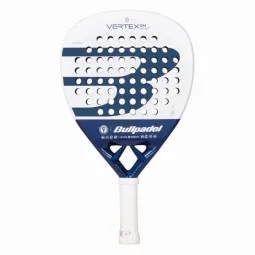
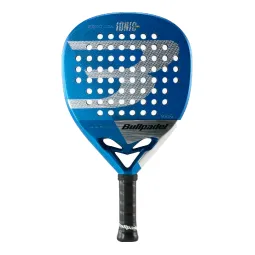
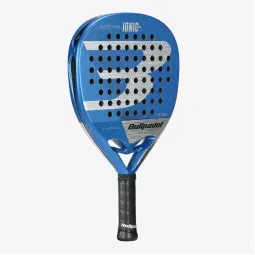
Padel has experienced exponential growth in recent years, both in Spain and internationally. Its popularity is reflected in the expansion of clubs, tournaments, and the presence of global brands such as Adidas and Bullpadel, which drive the sport's development. However, for padel to become part of the Olympic program, it must meet several requirements set by the International Olympic Committee (IOC). In this article, we explain how many countries must play padel and what conditions are necessary for padel to be considered an Olympic sport.
What Criteria Does the IOC Set for Olympic Sports?
The IOC requires a sport to have wide geographic distribution and to be internationally regulated. For this, the International Padel Federation (FIP) has worked intensively to promote padel across continents. Currently, padel is present in over 90 countries, but is this enough?
According to the Olympic Charter, a sport must be played by men in at least 75 countries on four continents and by women in at least 40 countries on three continents to be considered for the Olympic Games. This shows that internationalization is key in the process.
How many countries must play padel for it to be Olympic?
For padel to become Olympic, the following requirements must be met:
- Played by men in at least 75 countries on four continents.
- Played by women in at least 40 countries on three continents.
- Have a recognized international federation, such as the FIP.
- Standardized regulations and organization of international competitions.
Currently, padel is close to reaching these goals but is still working on expanding especially in Asia and Africa, where growth is slower.
The Role of Brands in Padel's Internationalization
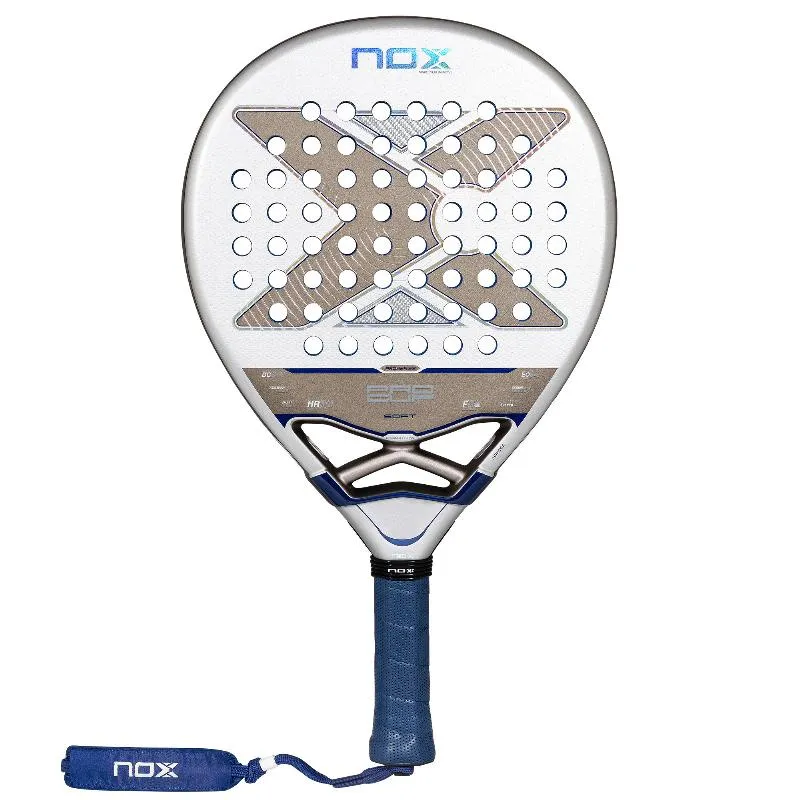
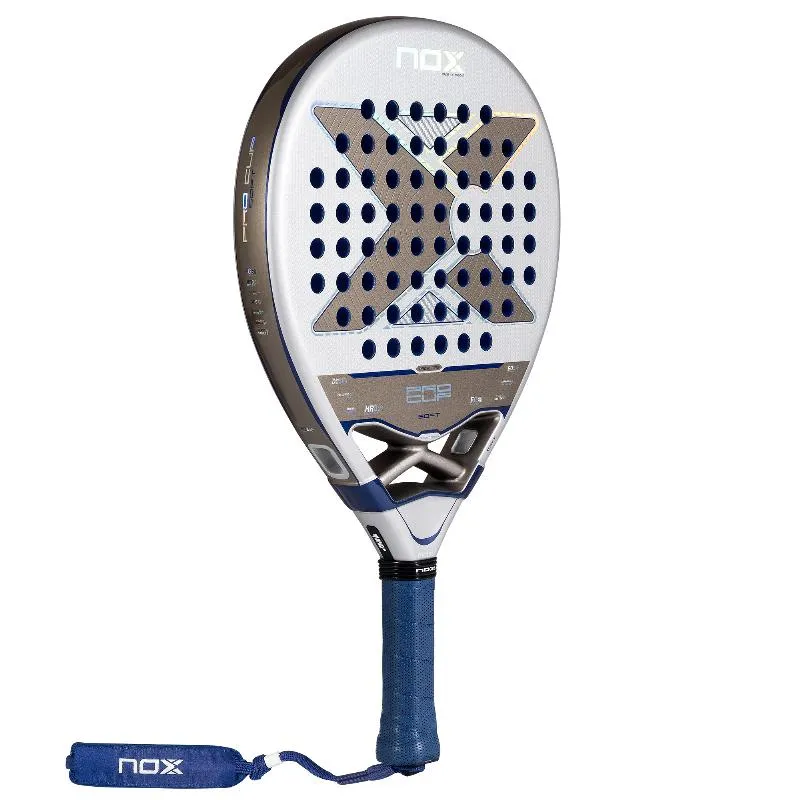
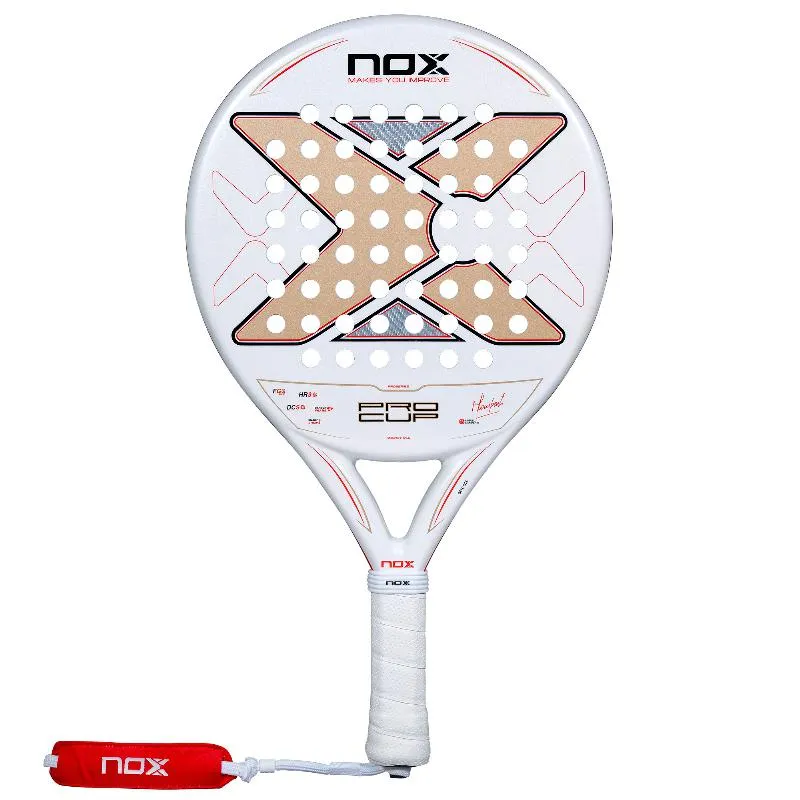
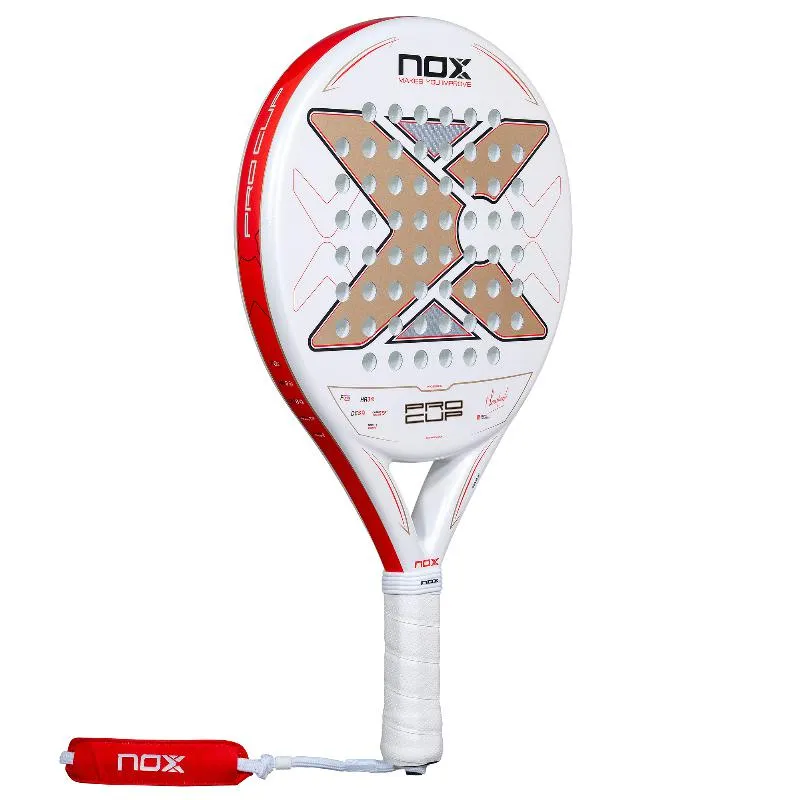
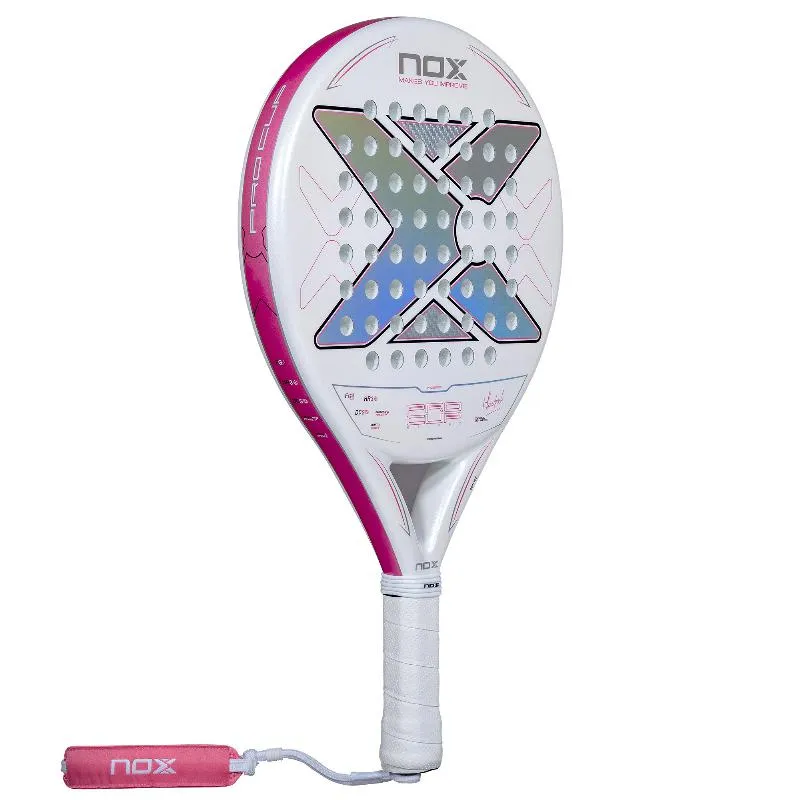
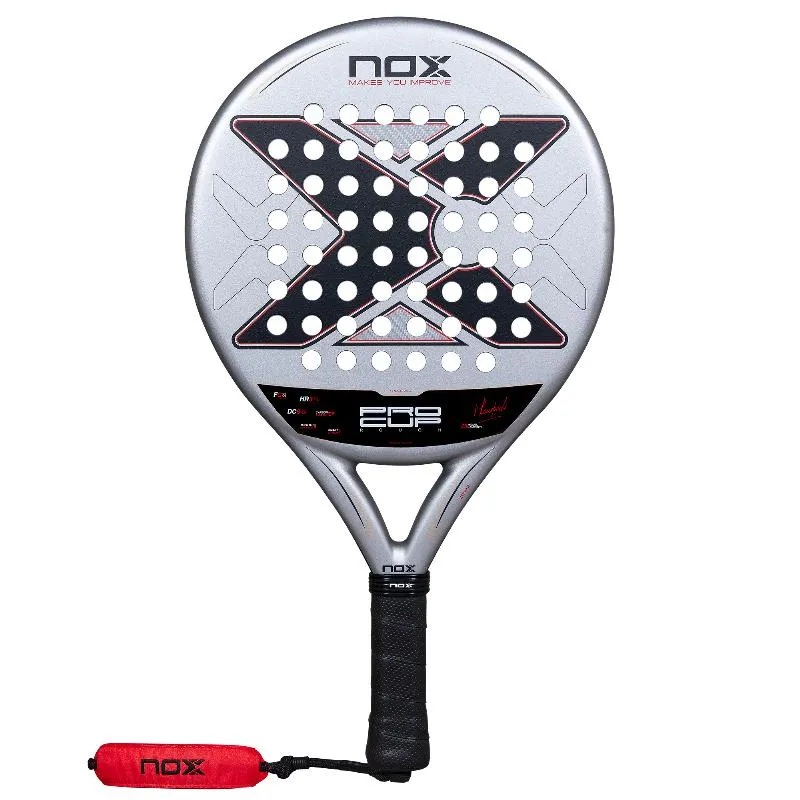
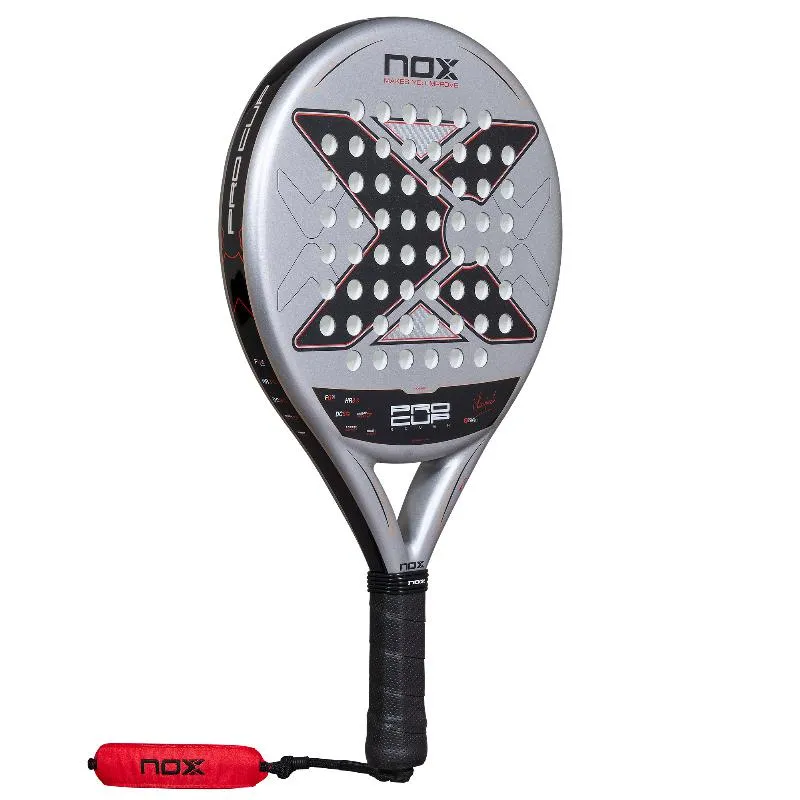
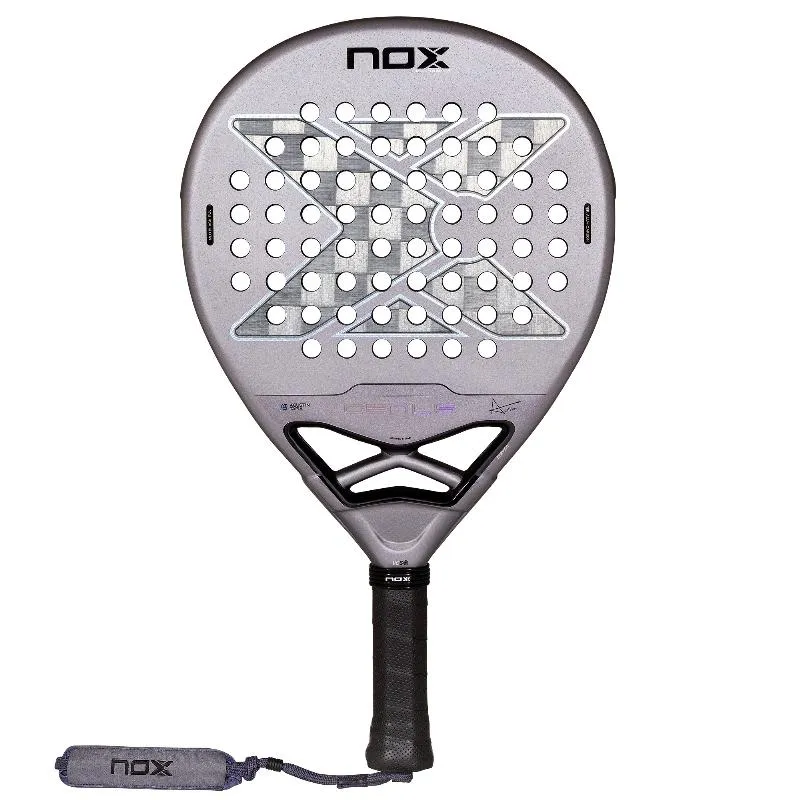
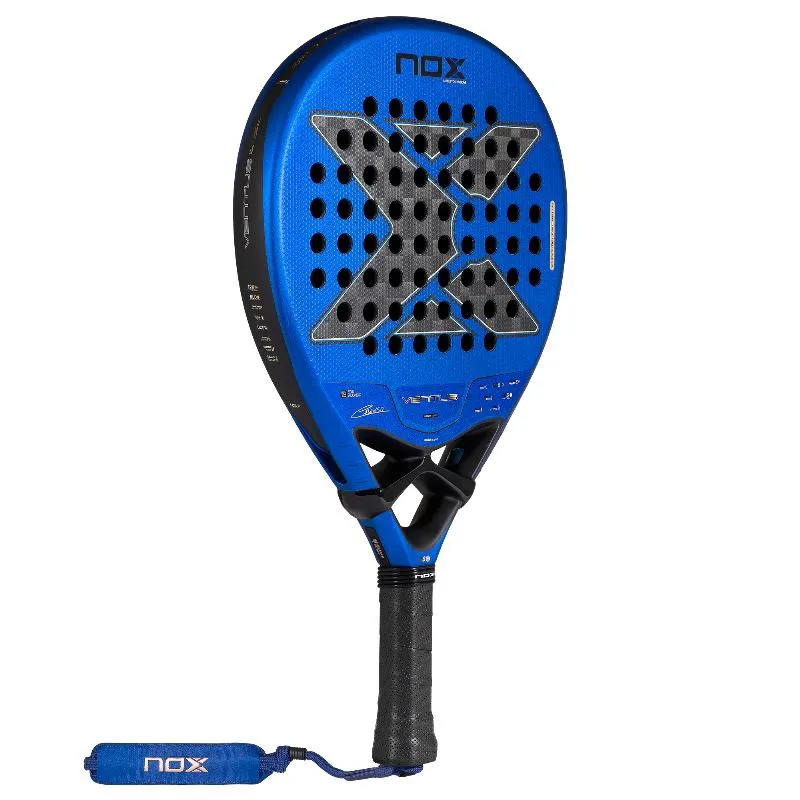
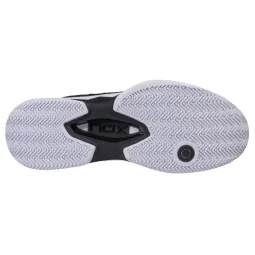
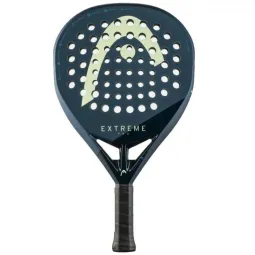
Brands play a fundamental role in popularizing padel worldwide. Companies such as Black Crown, Head, and Nox not only develop innovative products but also sponsor tournaments and players to boost the sport's international visibility. At TiendaPadelPoint you can find a wide selection of leading brands that support padel's global expansion.
What must the International Padel Federation do to achieve Olympic inclusion?
The International Padel Federation (FIP) aims to continue promoting and structuring padel on all five continents. Its work ranges from forming new national federations to organizing international championships that meet IOC standards.
The recent creation of professional circuits and the standardization of rules are important steps to demonstrate padel's organizational maturity. Collaboration with brands like Asics and Babolat also helps professionalize and promote the sport.
The Impact of International Tournaments
The organization of international tournaments, both professional and amateur, is essential for padel's global recognition. World and regional championships help add participating countries and strengthen the federative network.
What other sports have recently gone through this process?
The process of Olympic inclusion is not unique to padel. Other sports, such as surfing or climbing, had to demonstrate international growth and organizational capacity before being accepted into the Olympic program.
- Surfing and climbing achieved inclusion after surpassing the threshold of participating countries and demonstrating a solid federative structure.
- Padel is following this path, aiming to consolidate itself in Asia, Africa, and Oceania, where there is still room for growth.
The example of these sports motivates the padel community to keep working towards the Olympic goal.
The Role of Accessories and Equipment in Professionalization
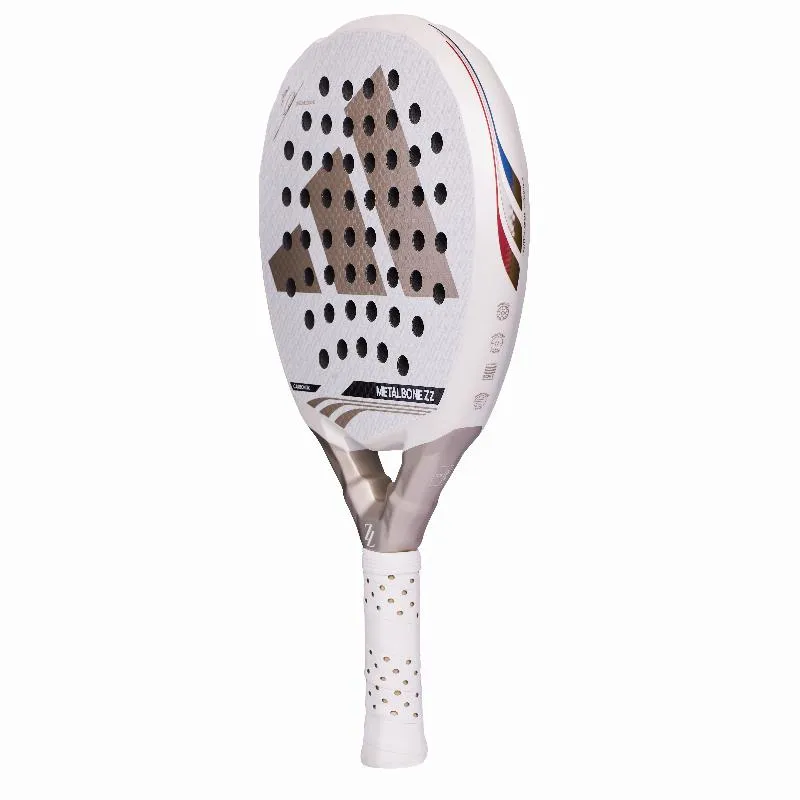
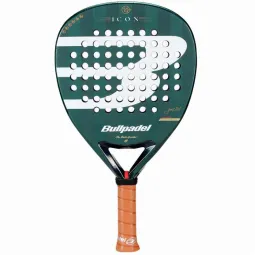
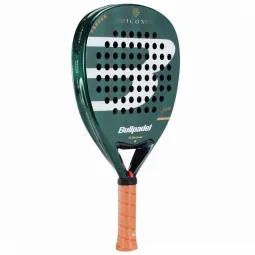
The quality of equipment is key in padel's professionalization. In the Padel Accessories section of our store, you'll see how innovation in gear helps players of all levels improve their performance. In addition, brands such as Adidas and Bullpadel are at the forefront of developing products adapted to today's demands.

What benefits would padel have if it became an Olympic sport?
Inclusion in the Olympic Games would mean a qualitative leap for padel, both in terms of international visibility and institutional and financial support. Main benefits include:
- Increased funding and support from national and international federations.
- More practice and infrastructure in new countries.
- Development of new professional and amateur categories.
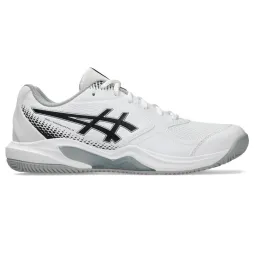
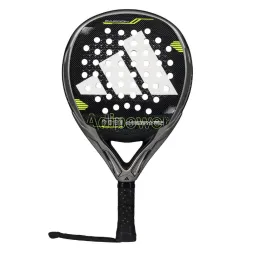
- Boosting the associated industry, from Padel Rackets to Padel Shoes and Padel Apparel.
- Greater media impact and visibility for elite athletes.
In conclusion, padel is getting closer to meeting the requirements to become Olympic, and both federations and specialist brands and shops, such as TiendaPadelPoint, play a key role in this process.
Padel Guide: Technical Knowledge and Experience Applied to the Game
tiendapadelpoint · Authority in padel, equipment and performance @ Copyright 2026