









Guia de Padel - PadelPoint
How Paddle Material Influences Technical Progression
The Importance of Paddle Material in Your Technical Progression
The paddle's material is one of the most decisive factors in technical development in both padel and pickleball. Its composition directly impacts control, power, comfort, and injury prevention, shaping the player's rate of improvement. At TiendaPadelPoint, you'll find a wide range of models to suit every stage and technical need.


Why is material so crucial in padel and pickleball?
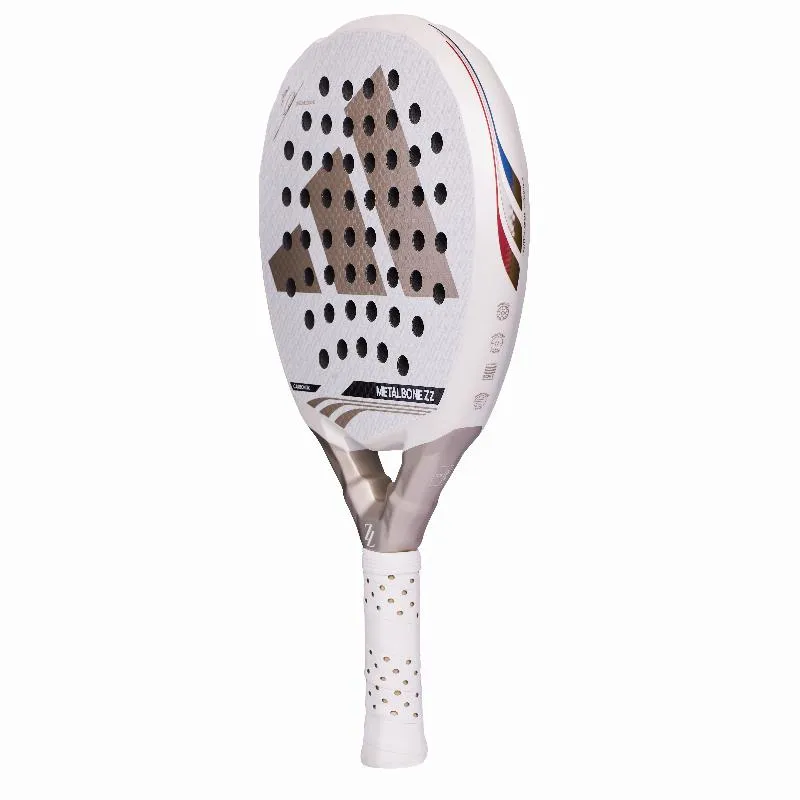
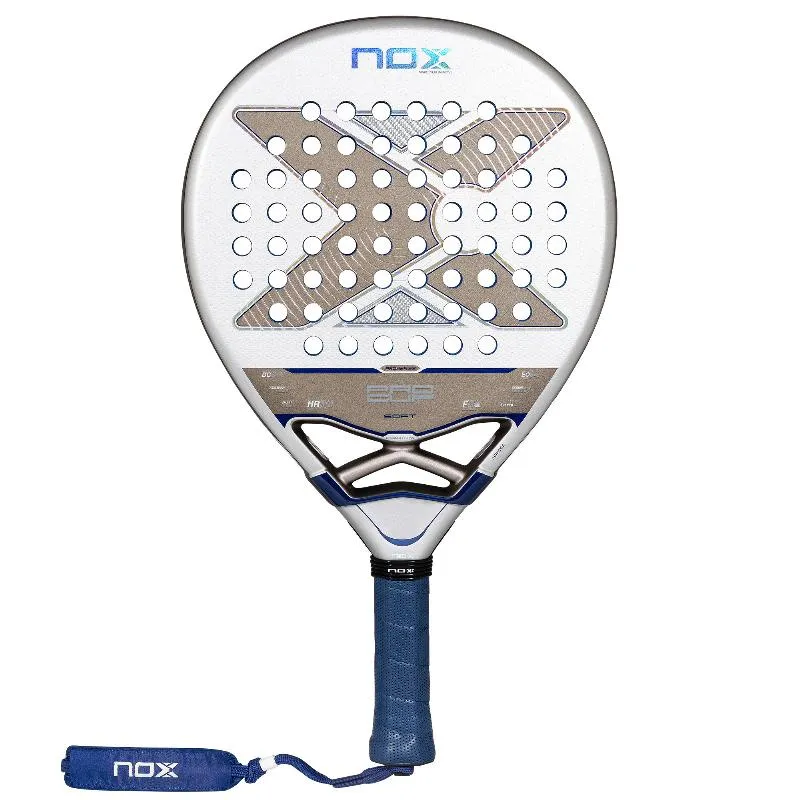
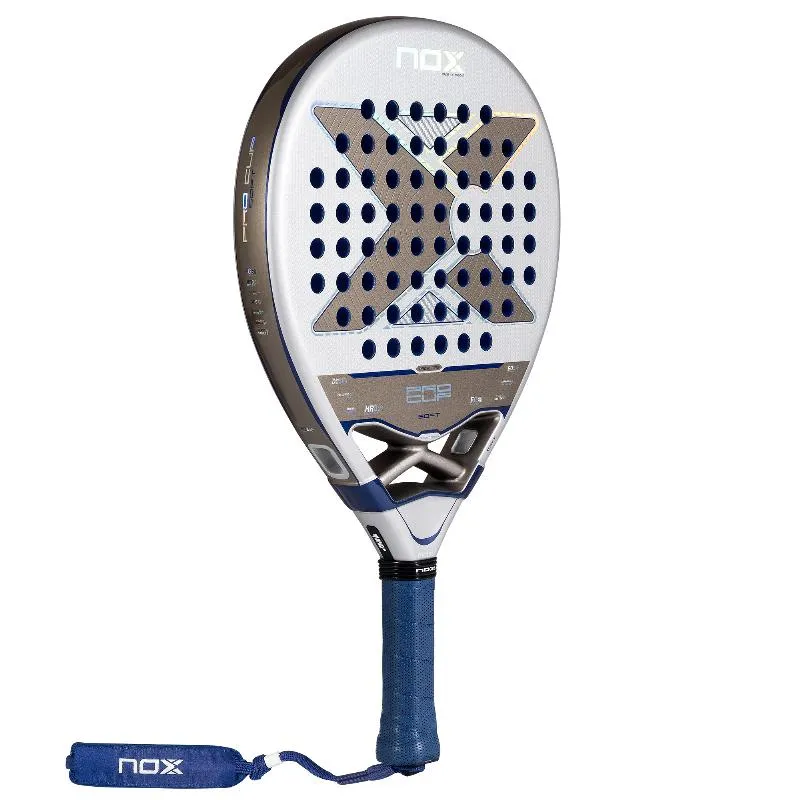
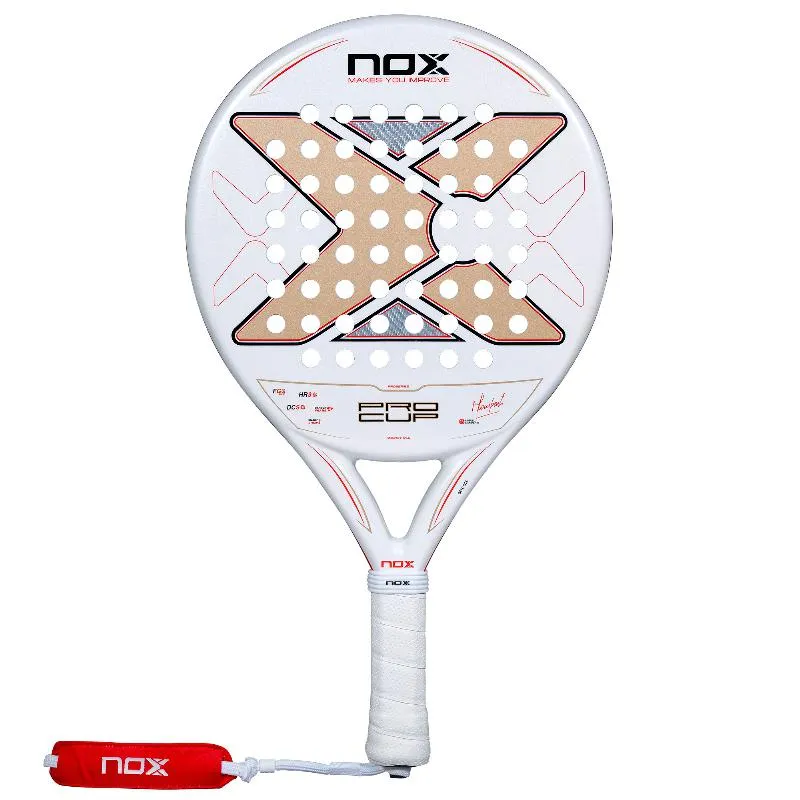
The evolution of paddle materials has revolutionised playing technique. Players of all levels can find models that enhance their learning and performance. From lightweight fiberglass to advanced carbon technologies such as 12K and 18K, each material provides different feel and response, helping players adapt to new technical demands.
Which materials are prevalent and how do they influence learning?
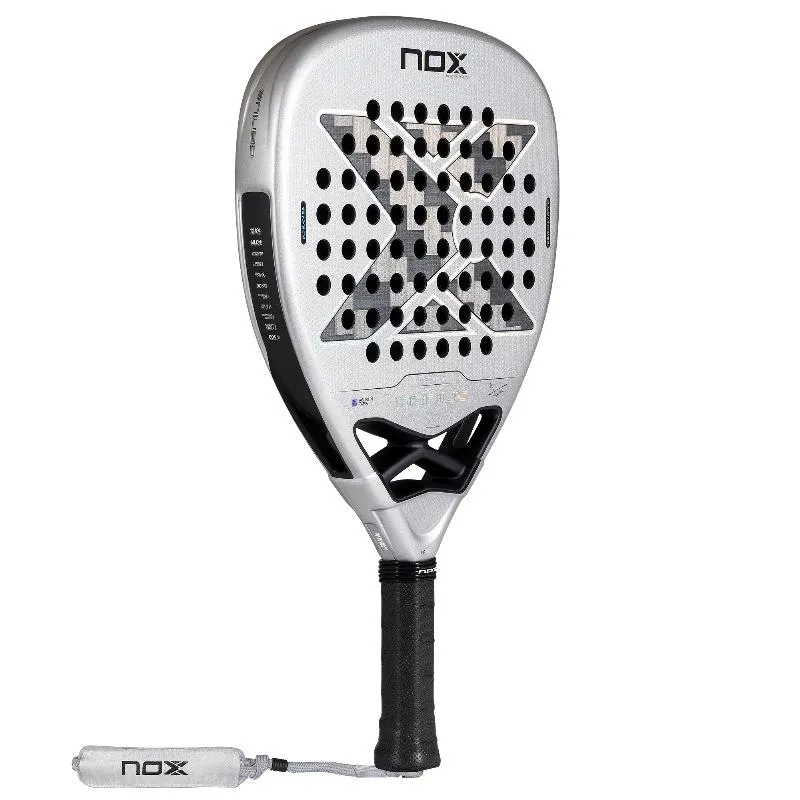
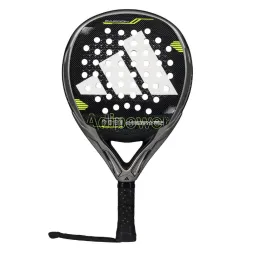
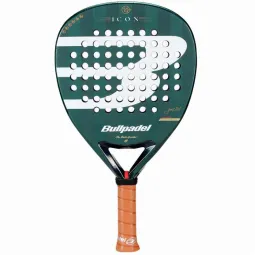
In padel and pickleball, the most common materials are fiberglass, carbon in various forms (3K, 12K, 18K), and hybrid combinations. For example, paddles like the Pala Alacran Pyramid are designed for players seeking a balance between control and power. Carbon offers greater stiffness, translating into more power and precision, while fiberglass provides more ball exit and comfort, ideal for those still learning.
Material and playing level: keys to progress
A novice advances faster with paddles that absorb vibrations and have a larger sweet spot. That's why in the BY LEVEL category you can filter models by experience. As technical level increases, so does the demand for materials that offer greater response and customisation.
Power, control and feel: which material to choose for your goals?
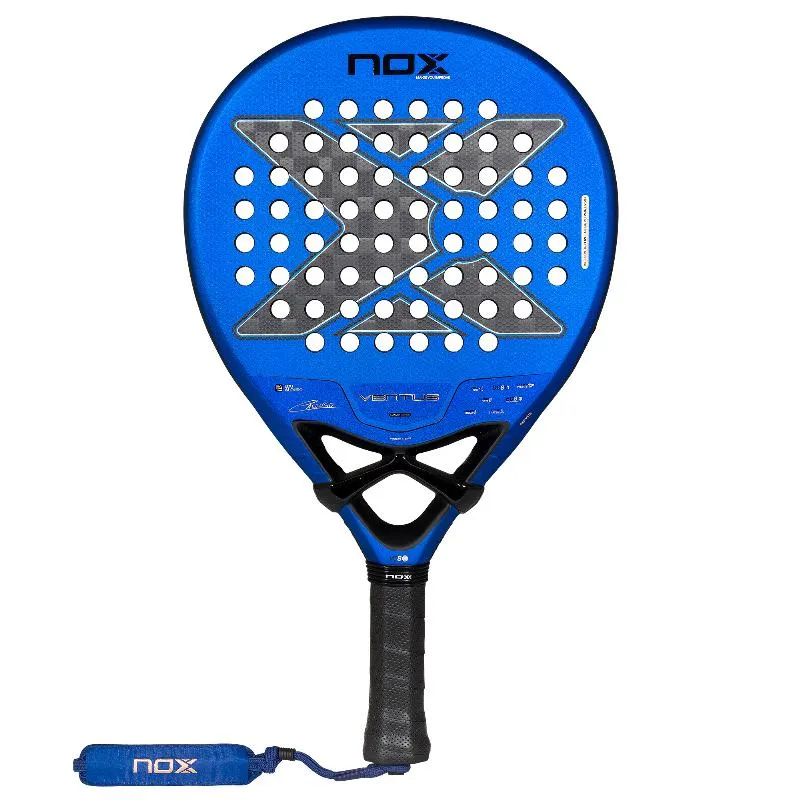
Material selection is linked directly to playing style and technical objectives. For those prioritising power, high-weight carbon and woven paddles like the Pala Vibora Titan 12K Rojo 2026 are optimal, delivering a harder, more powerful shot. Players seeking control and durability may prefer fiberglass or hybrid combinations.
Pickleball differences: adaptation and technical progression
In pickleball, although there are fewer material options, the influence is equally significant. Polypropylene, graphite and carbon fibre affect weight, manoeuvrability and vibration absorption, all elements that drive technical progression and ease transition between skill levels.
Impact of material on injury prevention and comfort
Choosing the right material not only improves performance but also helps prevent common injuries such as tennis elbow. Paddles with flexible carbon or multilayer EVA cores, like the Pala Alacran Aker, absorb vibrations and distribute impact energy more effectively, recommended for frequent players or those with a history of physical discomfort.
Customise your technical progression with the ideal paddle
In SIUX Padel Rackets you'll find a selection of models featuring innovative materials and adaptability, allowing every player to find the perfect paddle for technical advancement.
Practical tips for choosing your paddle by material and level
Material is just part of the equation. It's also essential to consider weight, balance, core thickness and paddle shape. We recommend exploring the By POWER section for those wanting more attack, or checking the SIUX Padel Rackets range for high-end, cutting-edge options.
- If you're a beginner, choose fiberglass or flexible carbon paddles for easier adaptation and technical learning.
- Advanced players should opt for 12K or 18K carbon paddles for increased power and precision.
- In pickleball, prioritise comfort and vibration absorption to avoid overload.
When to switch materials to keep progressing?
Moving to more demanding materials is advised once your technique is consolidated and you seek greater customisation. Expert advice and trying out different materials are key to finding the paddle that drives your progression in both padel and pickleball.