










Guia de Padel - PadelPoint
Paddle racket choice and response to variable bounce
The padel racket and its impact on bounce control
In padel, bounce behavior is one of the factors that can most influence game development. The ability to anticipate and respond to variable bounces depends largely on the player's experience, but also on the choice of paddle racket. Analyzing how each type of racket responds to irregular bounce situations allows you to improve both strategy and on-court performance.
Technical characteristics and racket materials
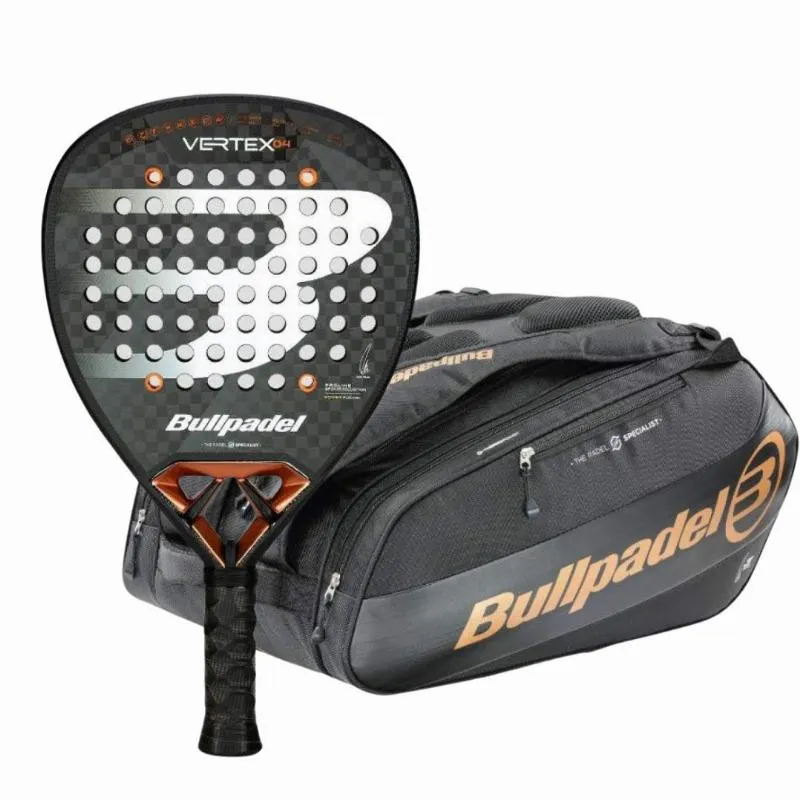
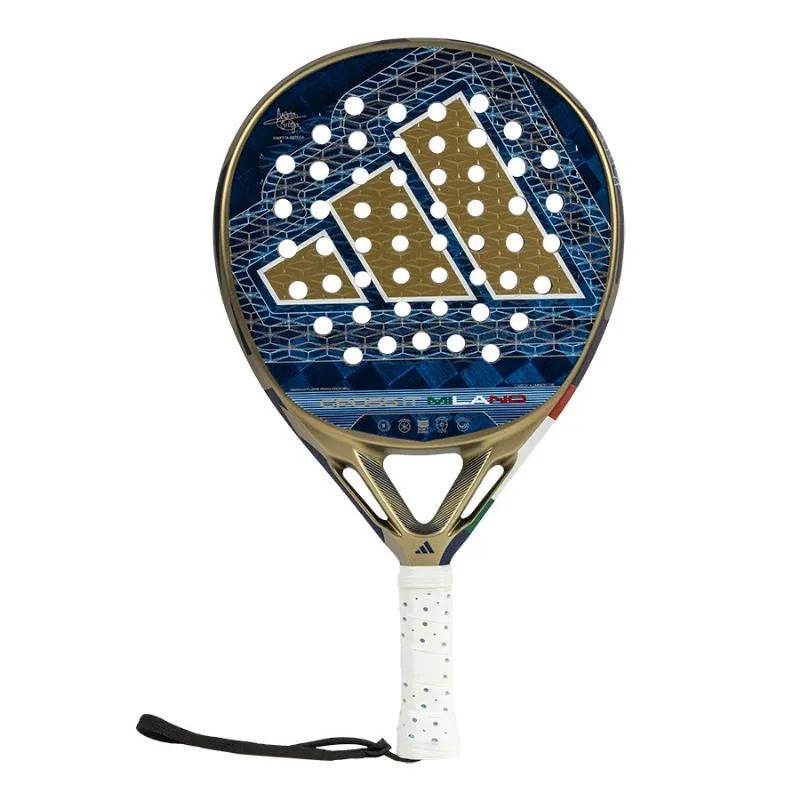
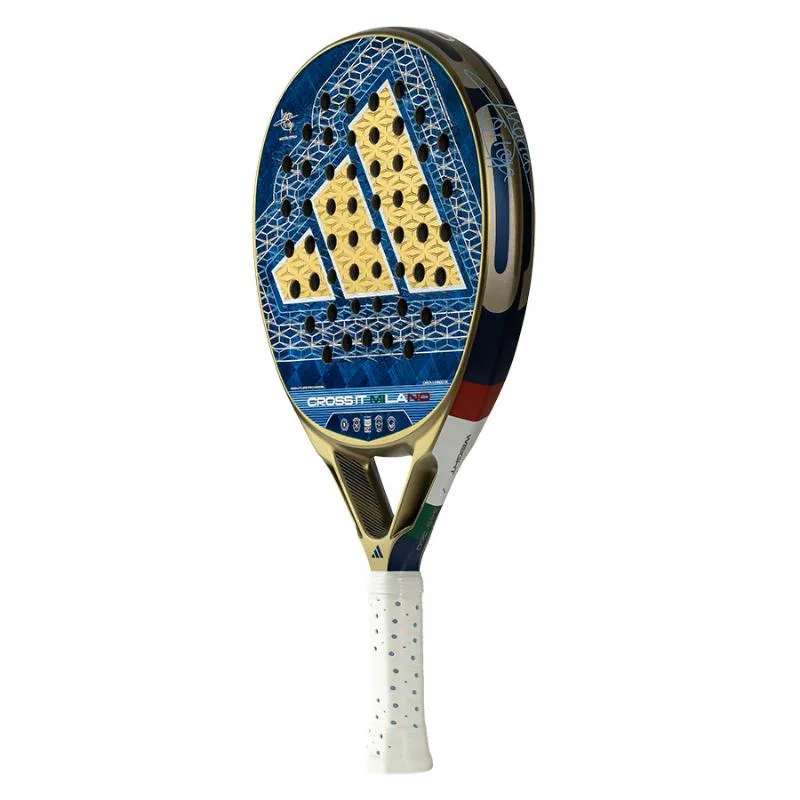
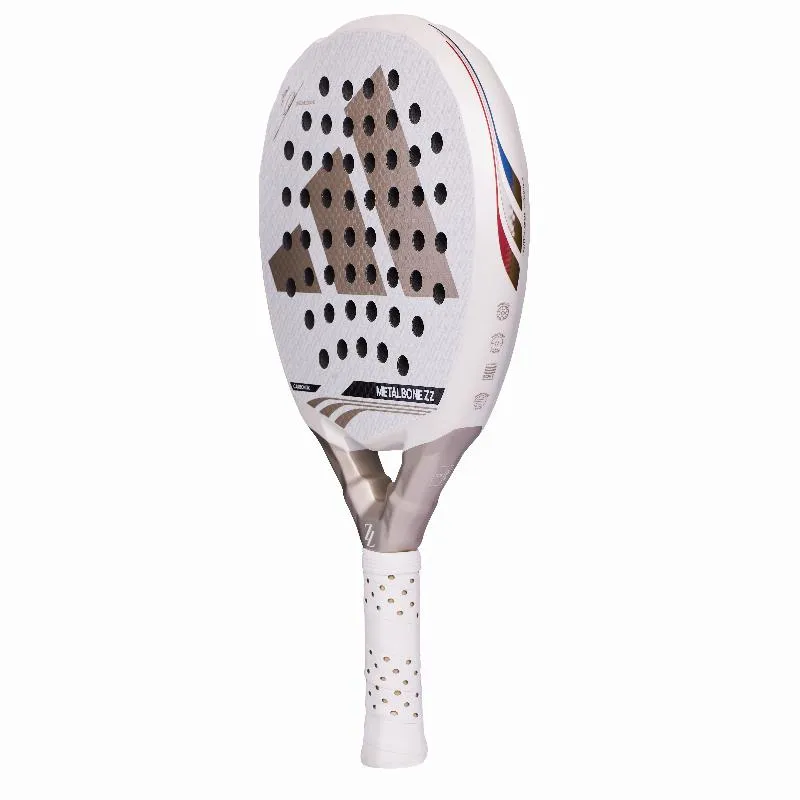
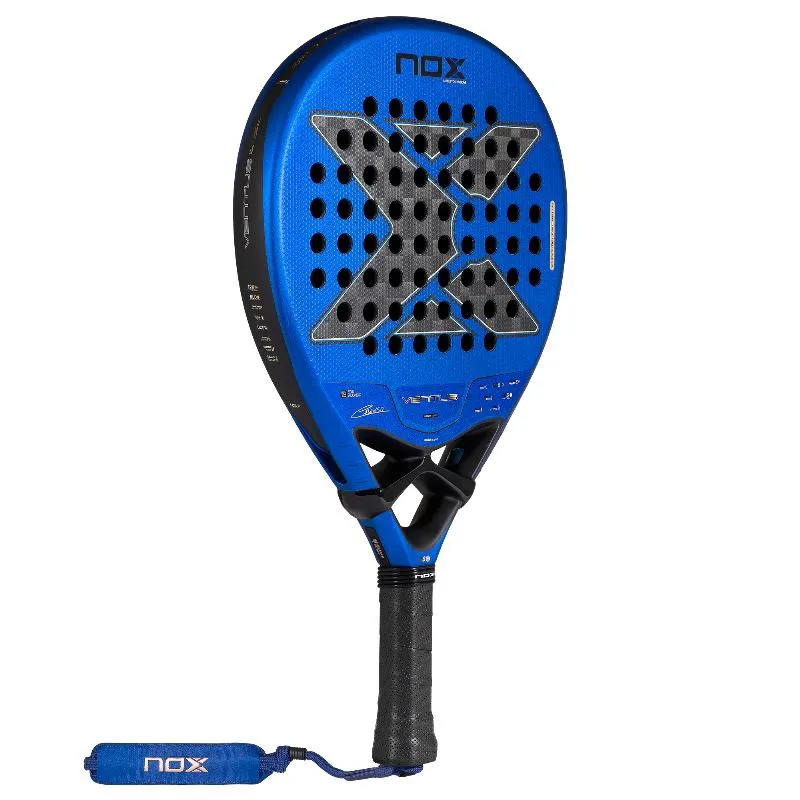
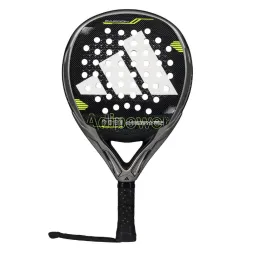
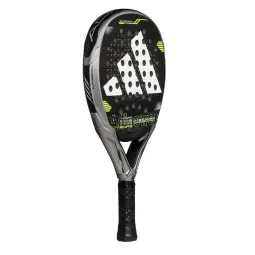
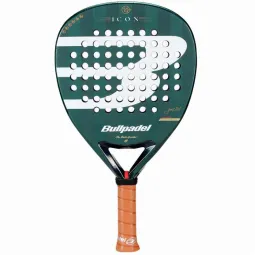
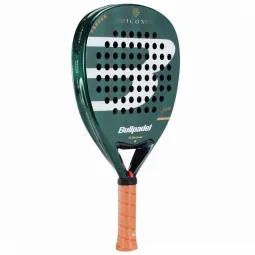
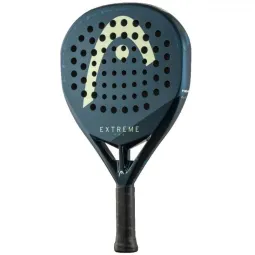
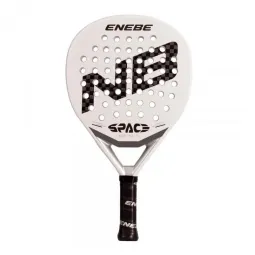
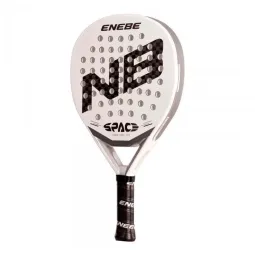
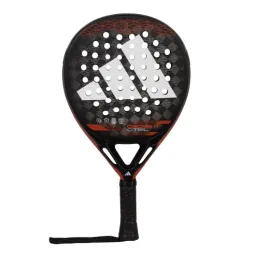
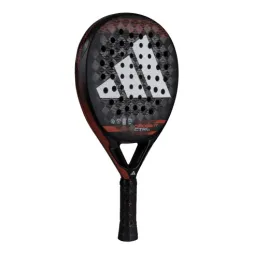
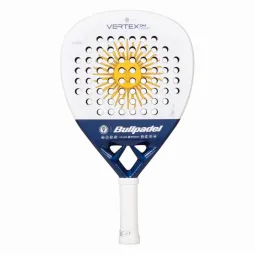
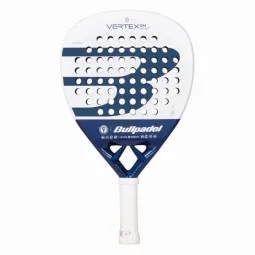
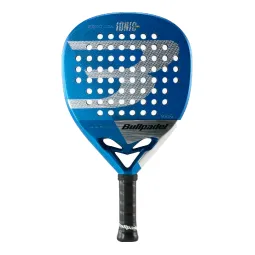
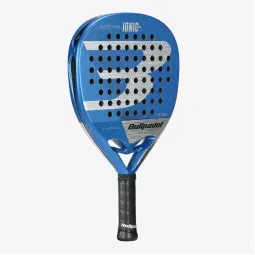
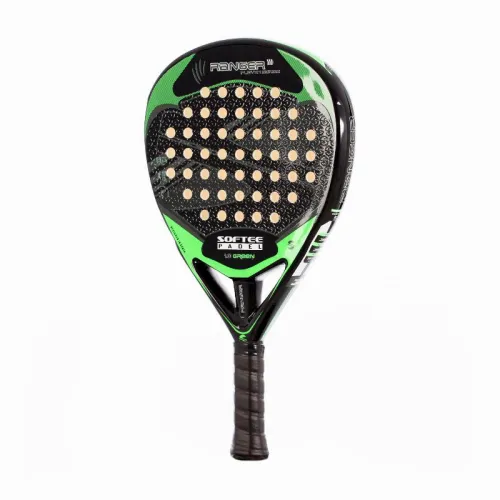
The manufacturing material and racket structure are decisive when facing unexpected bounces. Padel rackets made of carbon, for example, provide a drier and faster response, which can help with quick bounces but requires more technical precision. In contrast, rackets with a soft EVA rubber core absorb impact better, making it easier to control balls with irregular trajectories. Specialized brands like Adidas or Bullpadel offer specific options for every type of player.
At TiendaPadelPoint you can find a wide variety of models adapted to different playing styles and performance levels. The right choice will improve your adaptation to the most complex bounces.
Why is bounce so variable in padel?
Bounce in padel depends on multiple factors: the type and wear of padel balls, the court surface, ambient temperature and, of course, the player's own ability to anticipate the bounce. But the racket acts as a filter between the ball and the hand, modifying perception and response with each shot.
Differences between soft and hard rackets
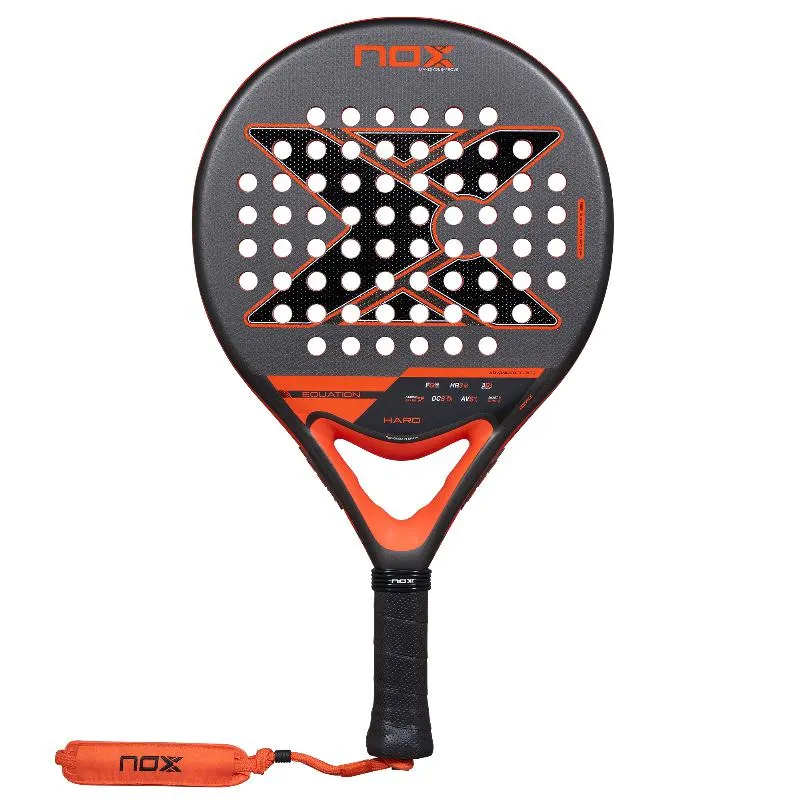
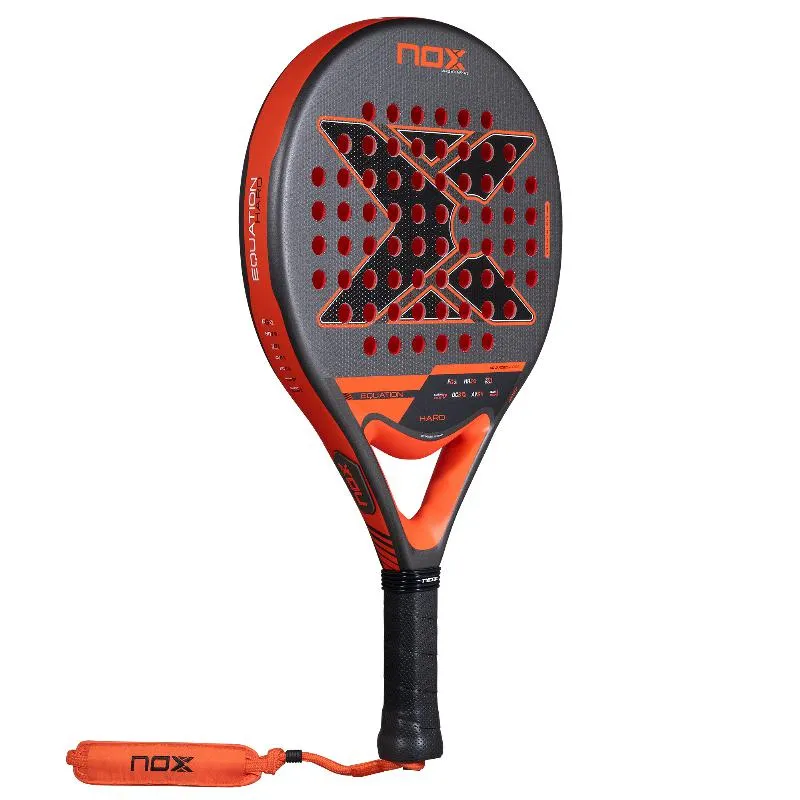
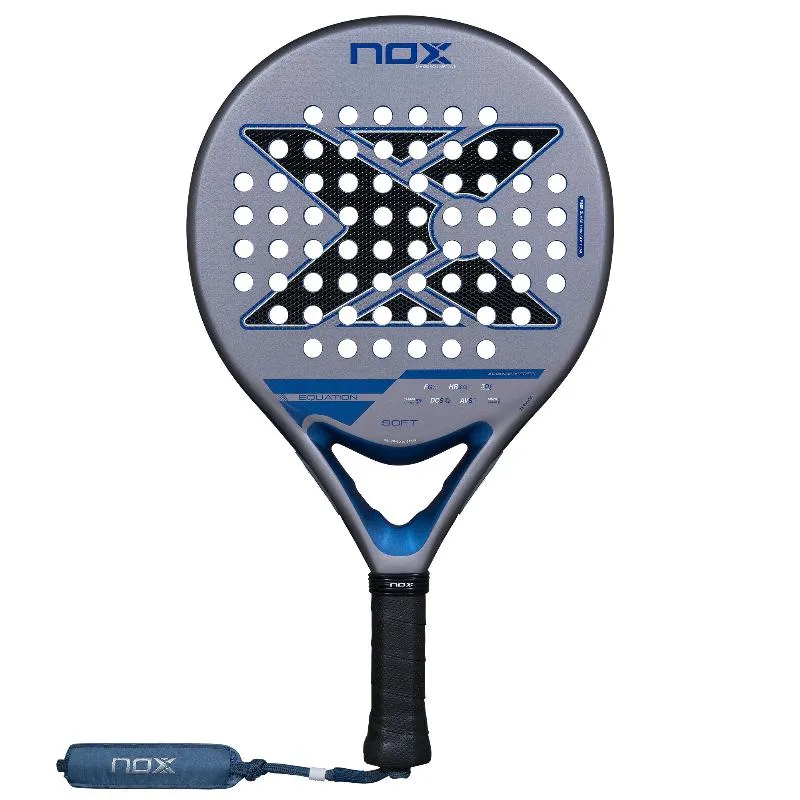
Soft rackets, such as those using EVA Soft rubber or foam, absorb bounce better and allow for greater maneuvering margin on unexpected shots. In contrast, hard rackets, made of carbon or with high-density rubbers, transmit vibrations more faithfully and force you to execute technique with precision. The choice depends on the level of control and power sought and the frequency with which you face variable bounces.
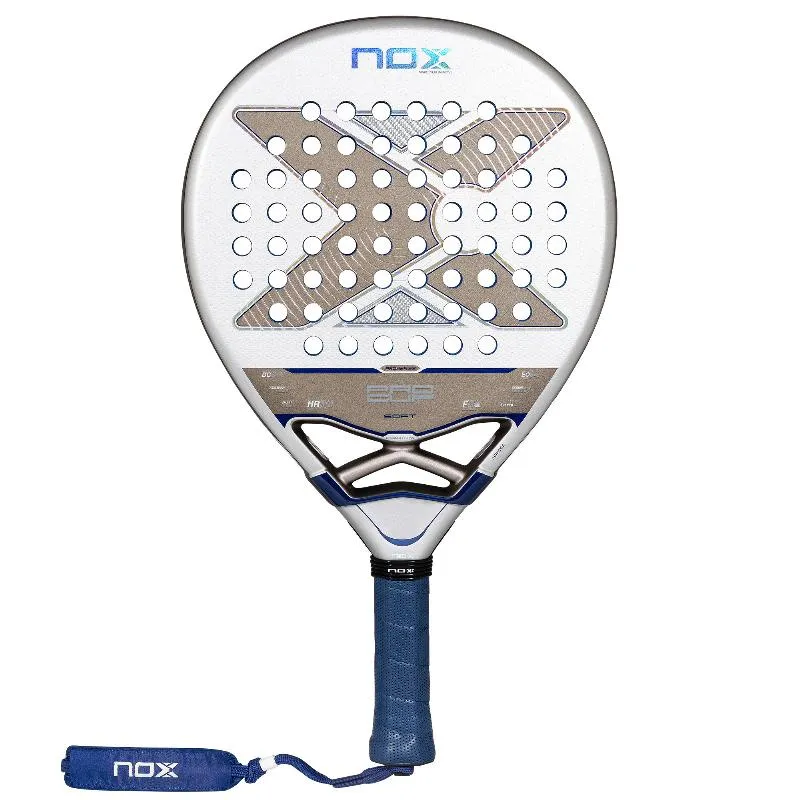
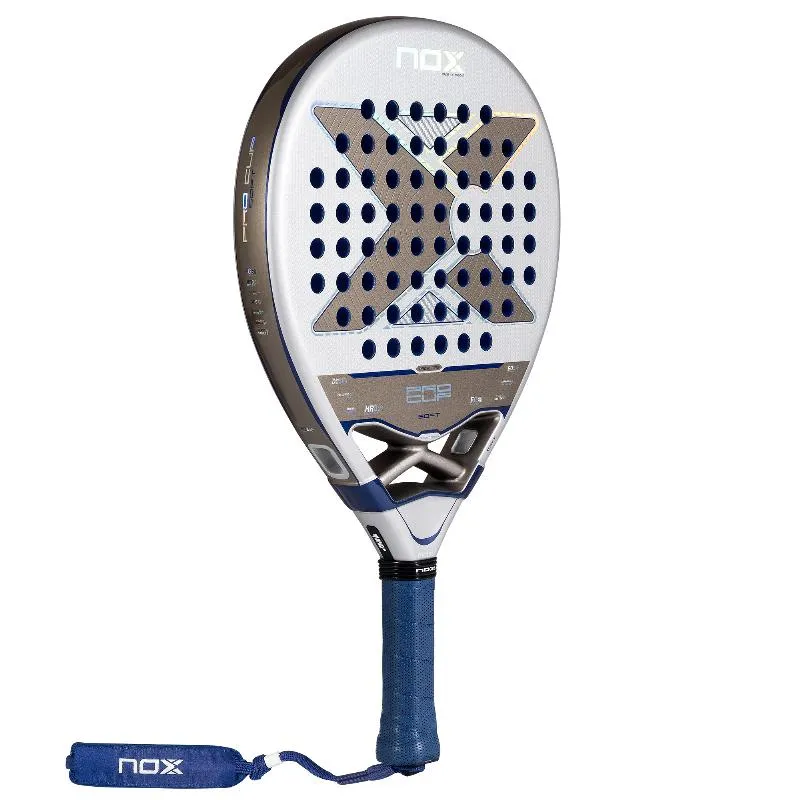
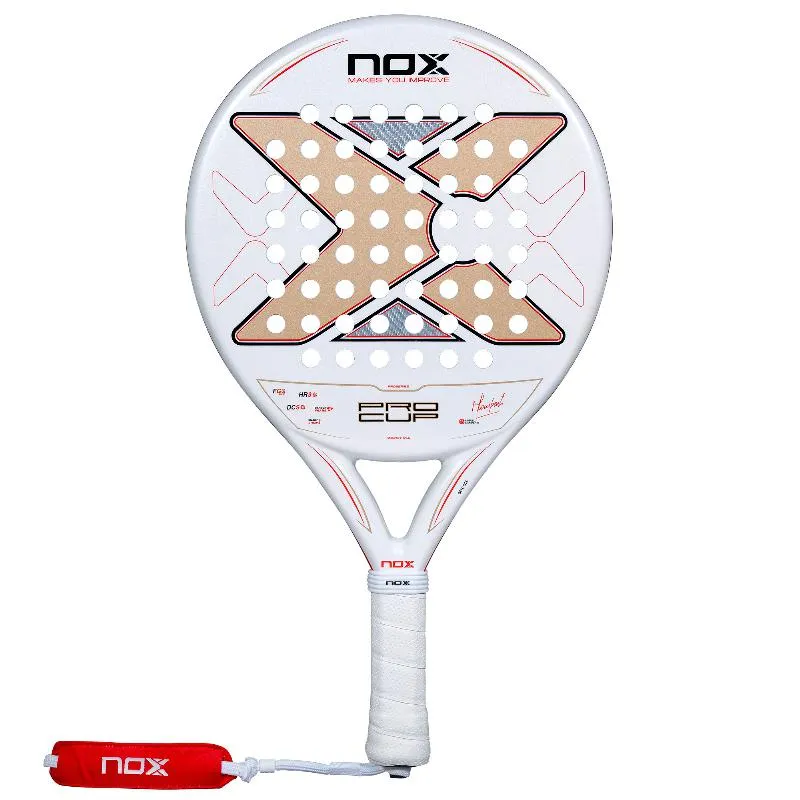
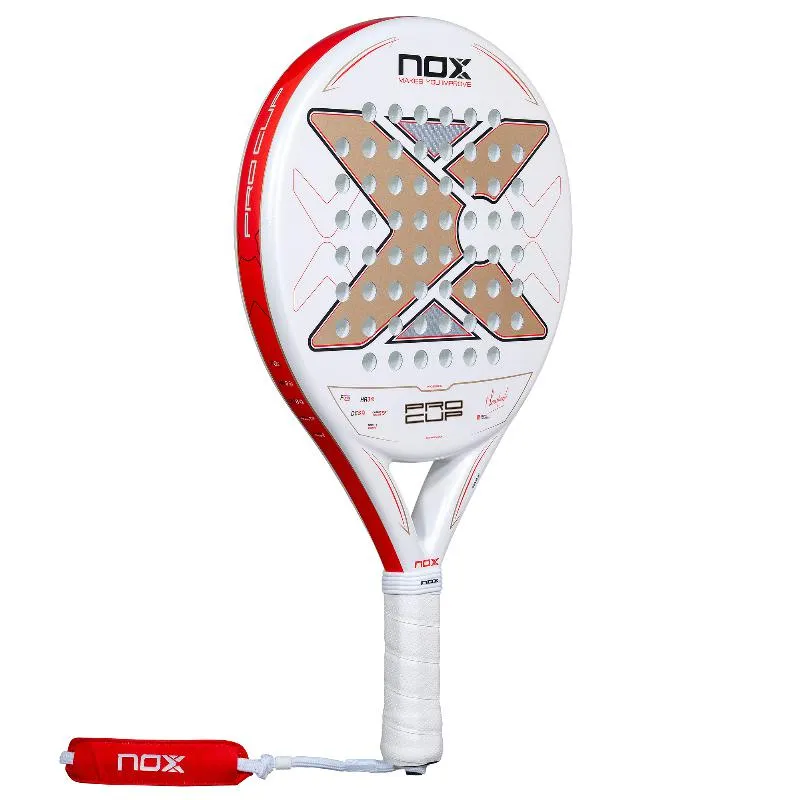
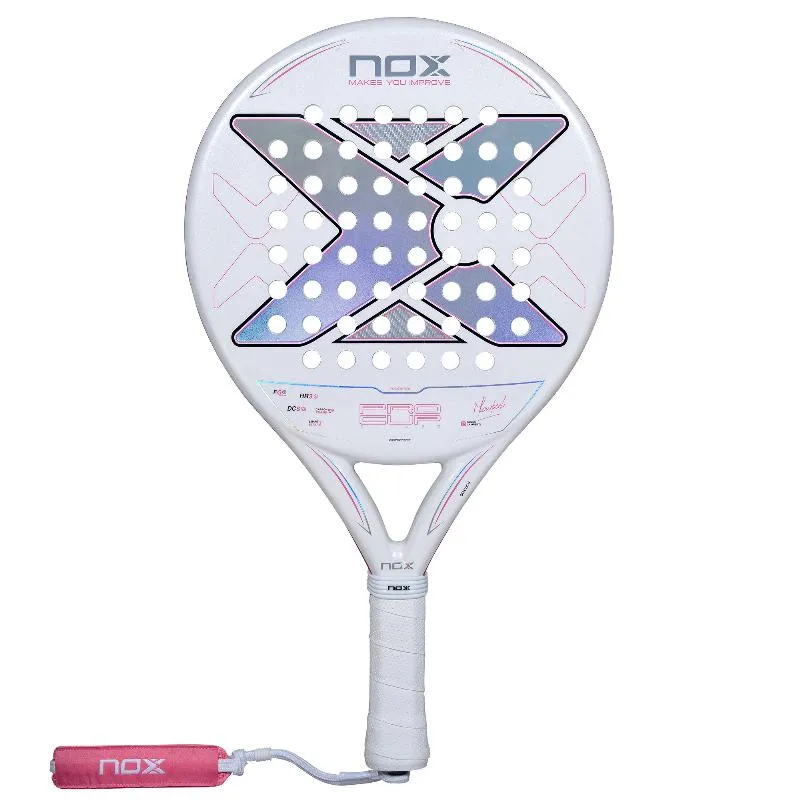
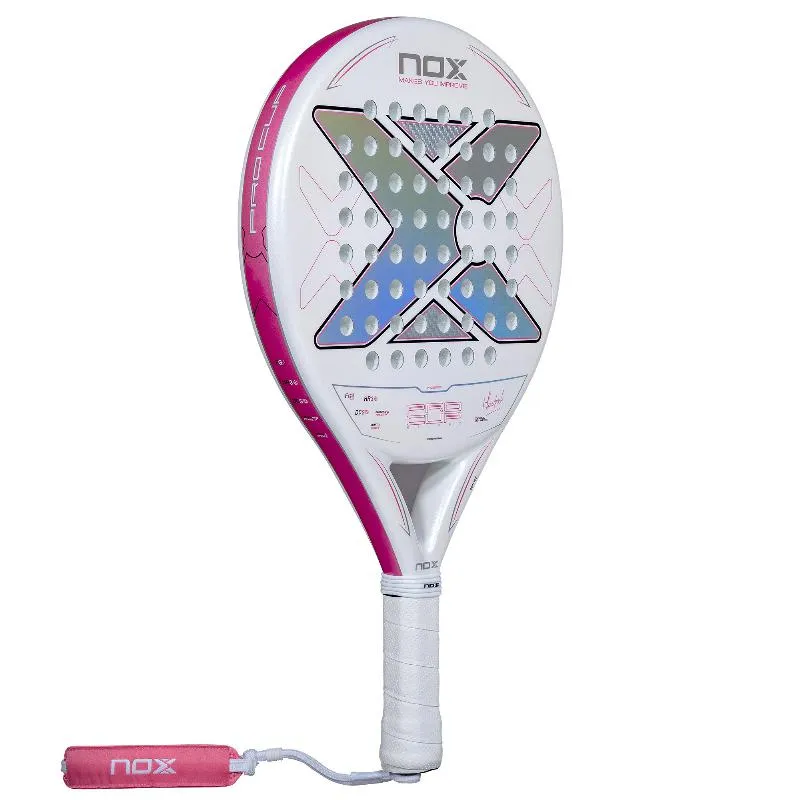
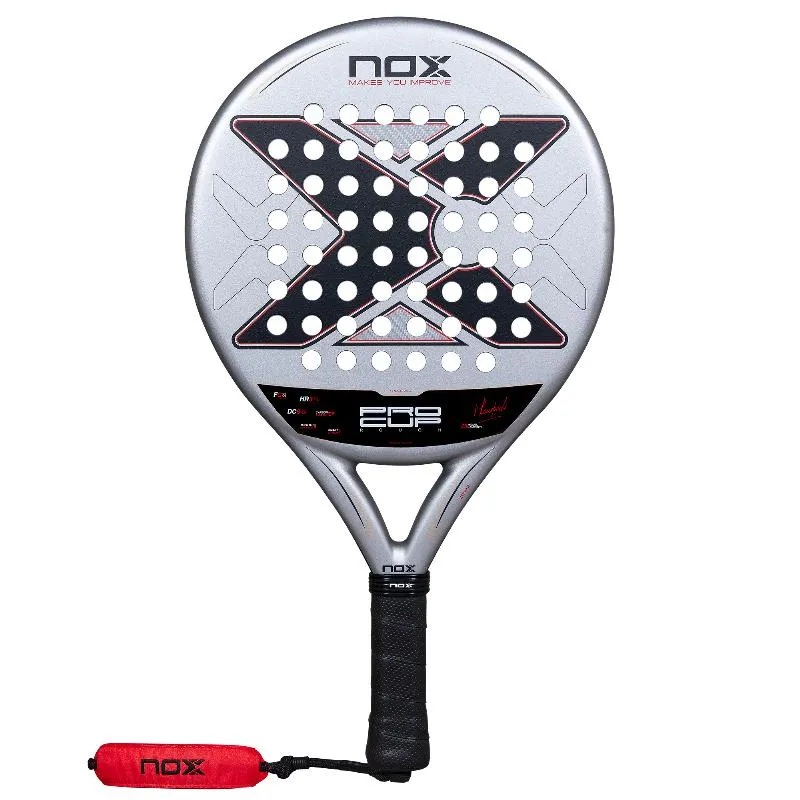
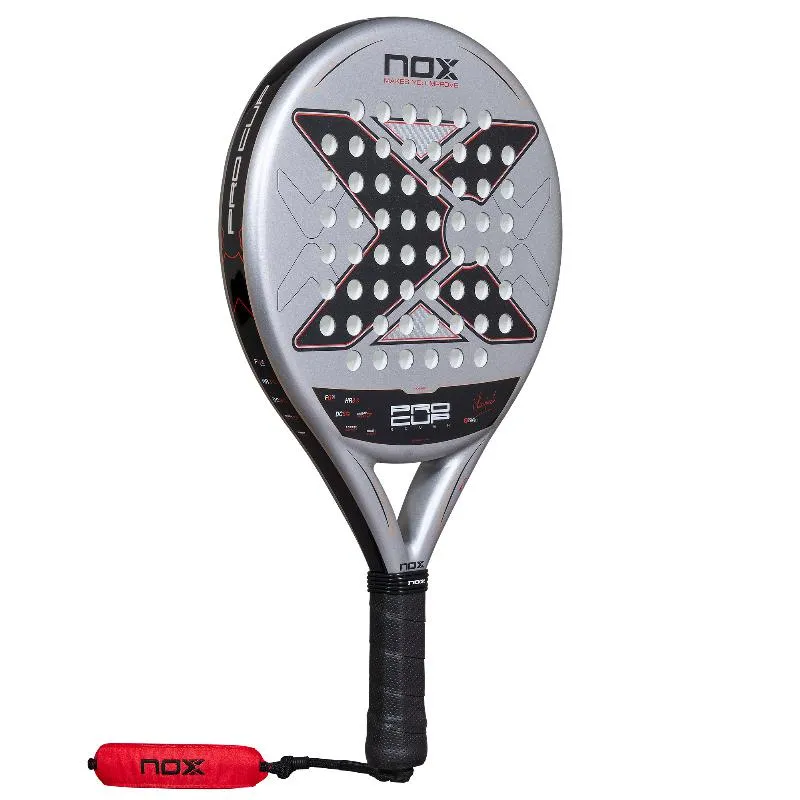
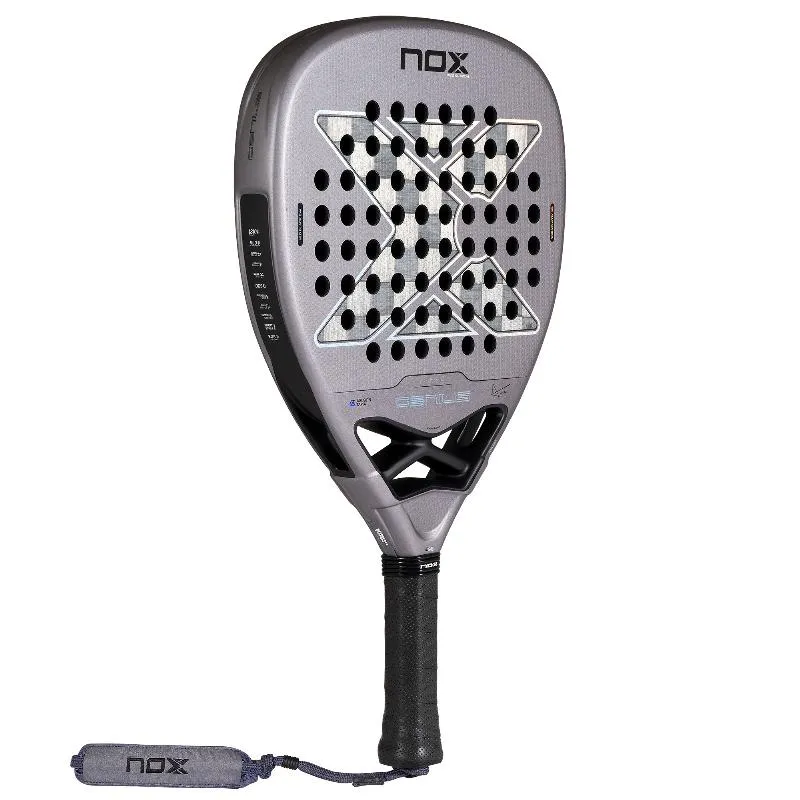
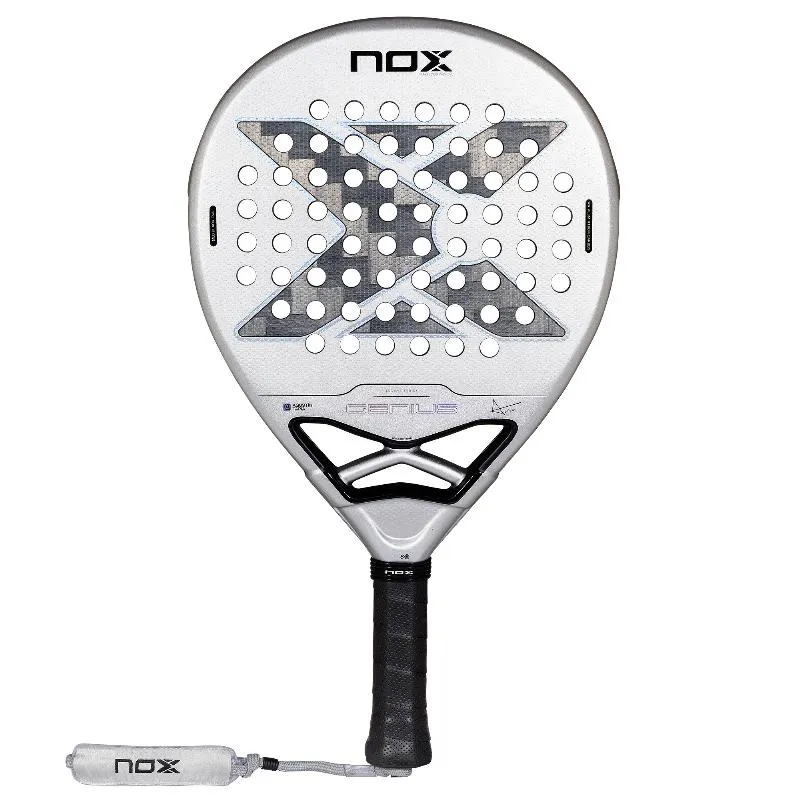
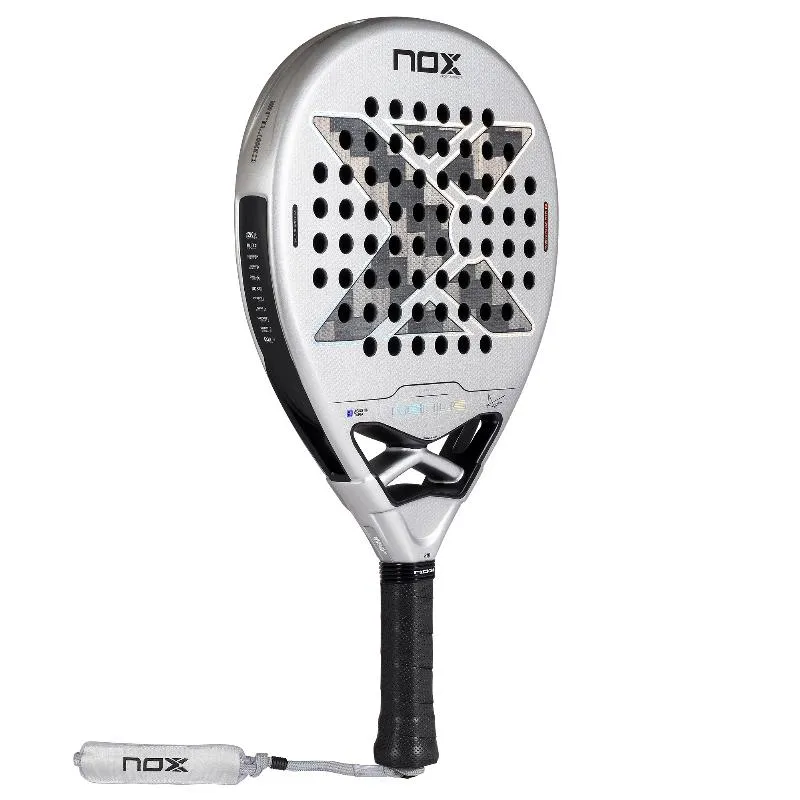
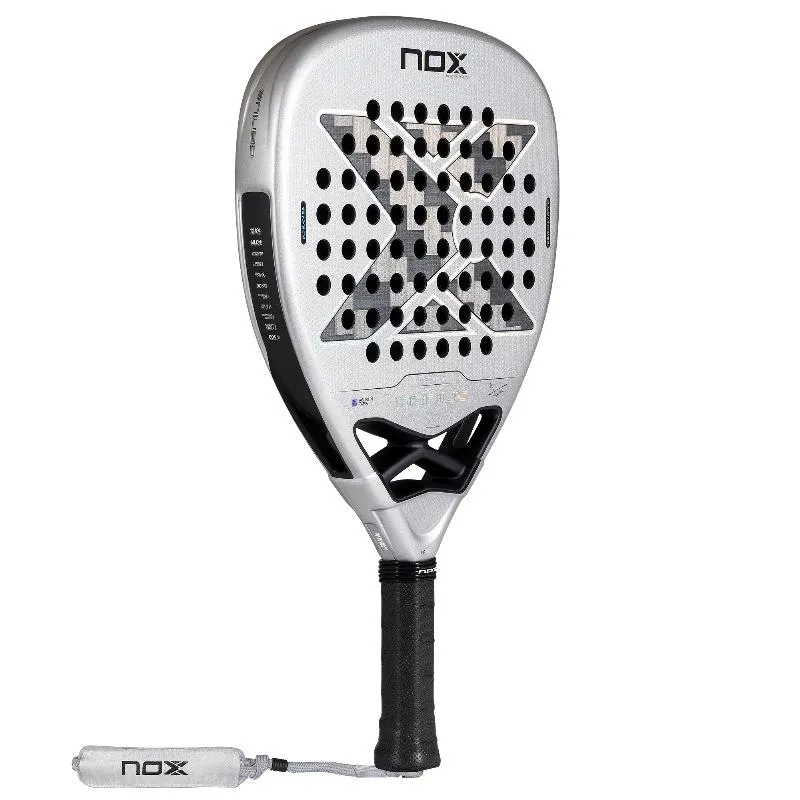
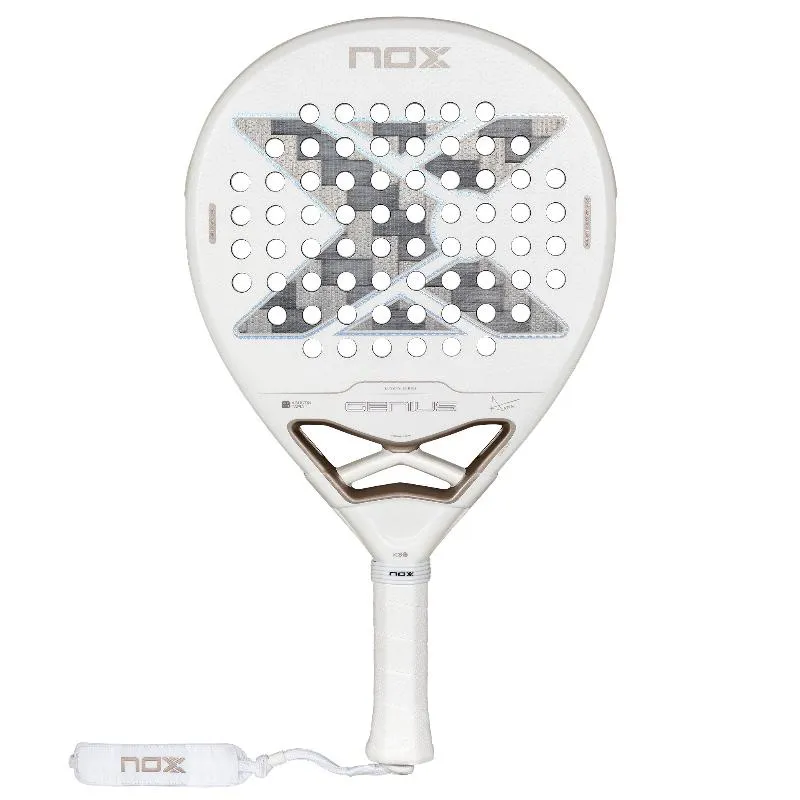
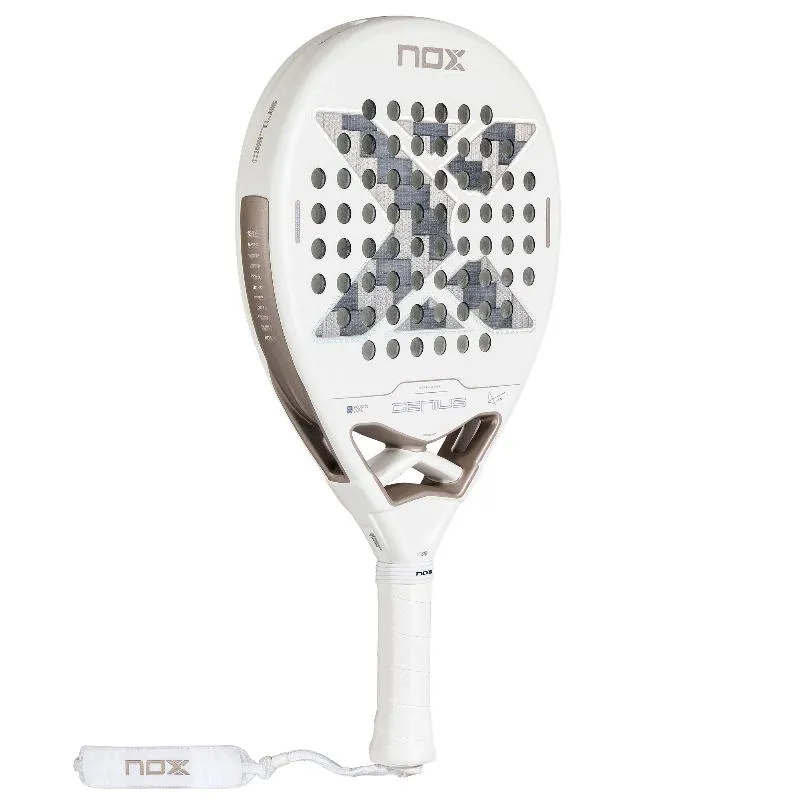
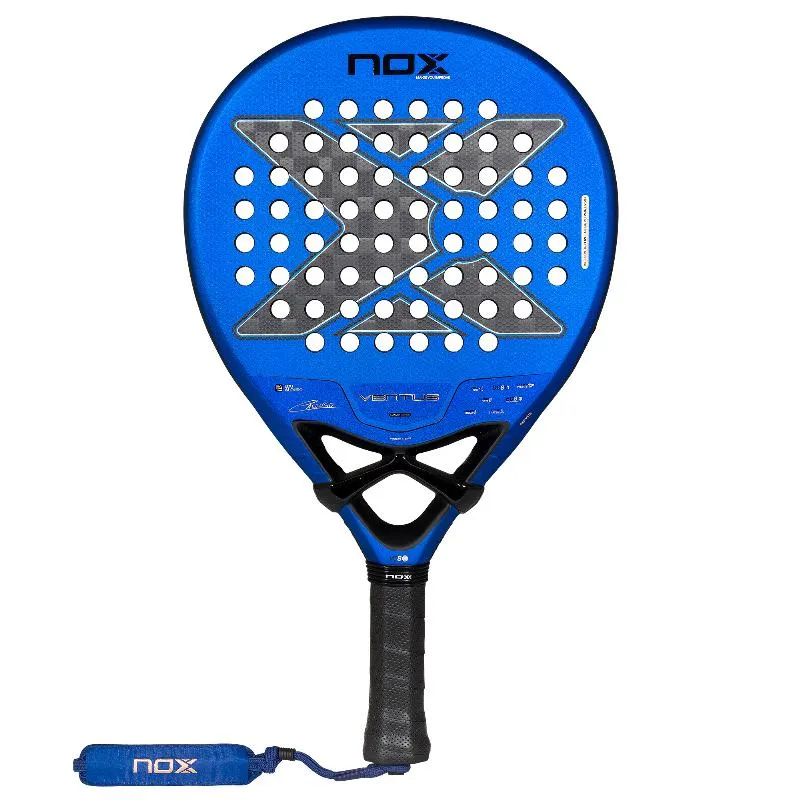
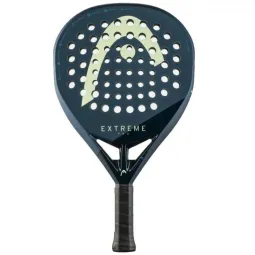
Brands like Nox or Head develop proprietary technologies that help minimize the effects of unexpected bounces, incorporating anti-vibration systems and rough surfaces for optimal control.
How do shape and balance of the racket influence bounce response?
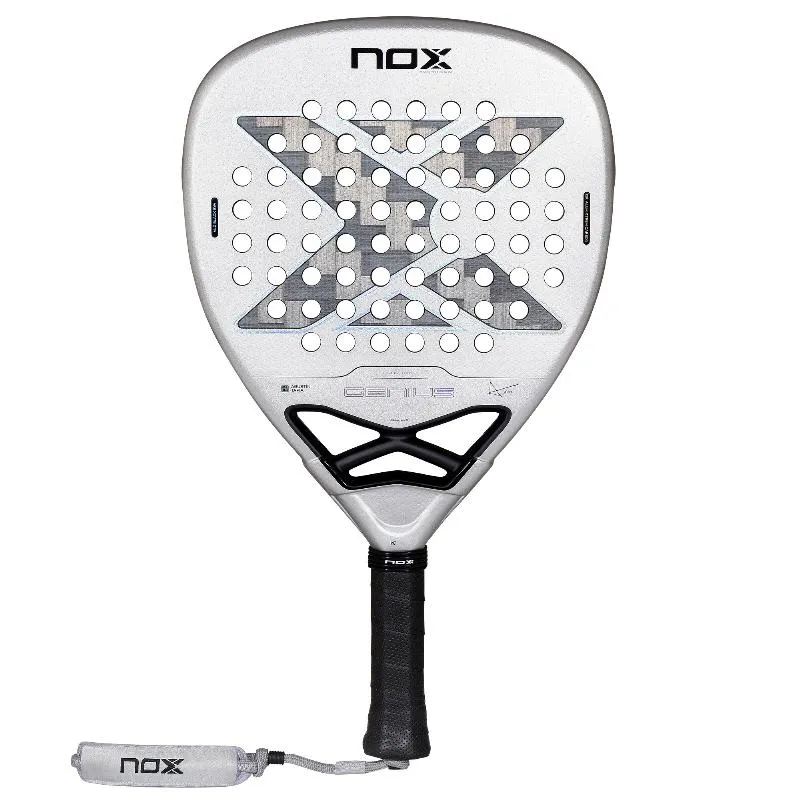
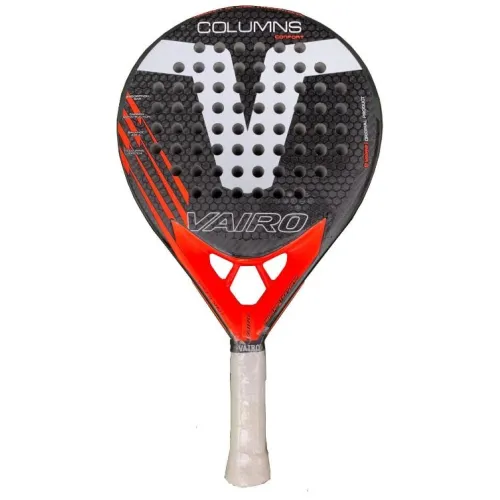
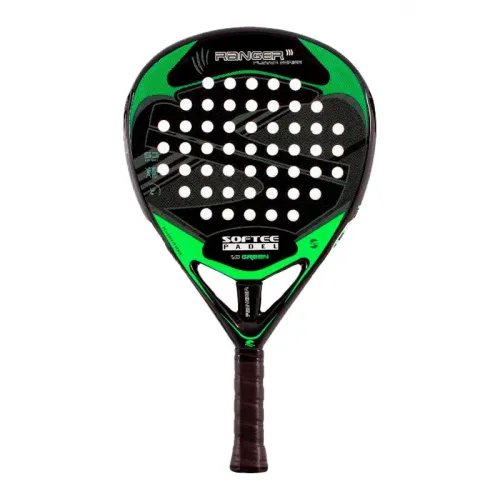
The design of the racket, especially the shape (round, teardrop or diamond) and the balance (head, mid or handle), directly affects stability and the ability to react to strange bounces. Round rackets, for example, provide a wider sweet spot and make it easier to return tricky balls. Diamond-shaped rackets, although more powerful, require greater technical skill to respond to irregular bounces.
Recommendations by player profile
- Defensive players: Round rackets and low balance to prioritize control.
- Offensive players: Diamond or teardrop-shaped rackets, hard materials and high balance to gain power on high bounces.
- Intermediate: Versatile rackets that allow adaptation to different bounce situations.
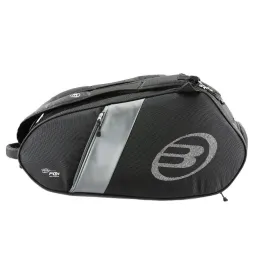
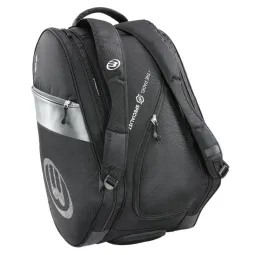
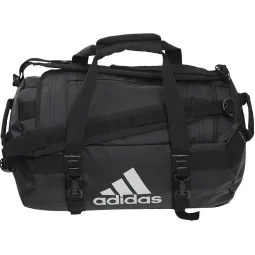
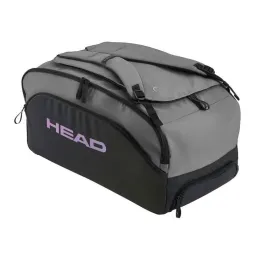
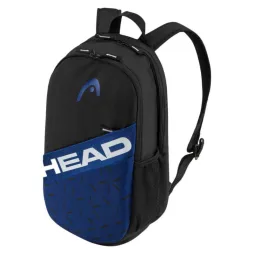
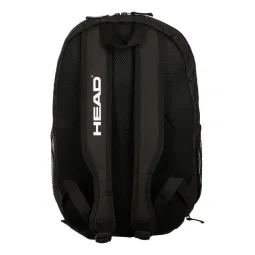
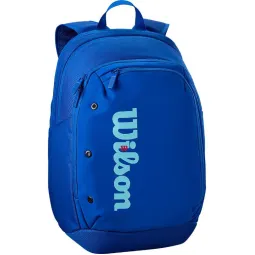
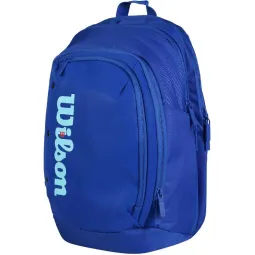
In our racket bags section you will find solutions to transport your rackets and protect them from sudden temperature changes, another factor that affects bounce.
Which brands stand out in manufacturing rackets adapted to variable bounce?
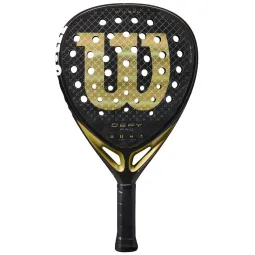
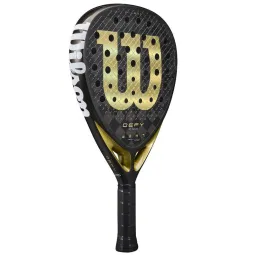
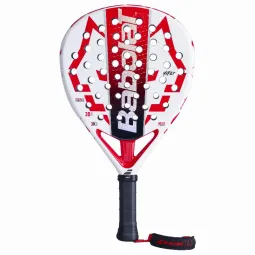
The padel racket market is very broad, with brands betting on innovation and adaptation to real play. Starvie, Babolat, Wilson or Siux have developed models that prioritize maneuverability and control, incorporating hybrid materials to optimize response to complex bounces.
Emerging brands such as Diadem or Royal Padel have also gained prominence on the professional scene thanks to their impact absorption technologies and adjustable balance.
If you're looking for deals, in our OUTLET section you can find rackets from top brands at reduced prices, ideal for testing different responses to variable bounce.
How to train bounce adaptation with different rackets?
The best way to improve response to variable bounce is to combine technical training with experimenting with different rackets. Using rackets of different materials and shapes in your sessions will help you identify which one best suits your style and needs. In addition, using padel accessories that improve grip and comfort during play can also optimize reaction to unexpected bounces.
Practical tips for players of all levels
- Try different types of rackets and brands until you find the ideal one.
- Train in variable conditions: different balls, temperatures and surfaces.
- Maintain your racket and accessories to ensure a stable response.
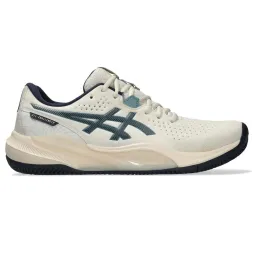
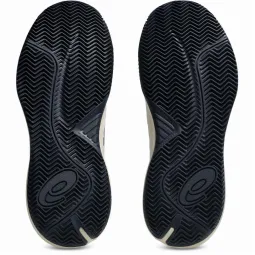
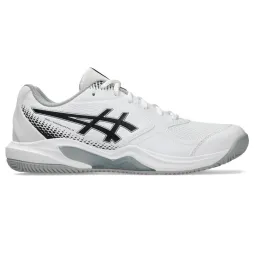
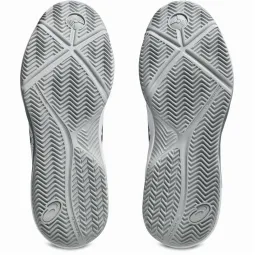
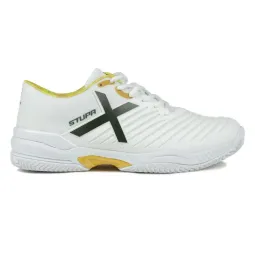
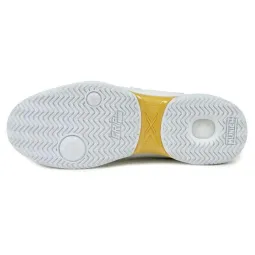
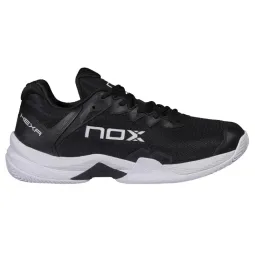
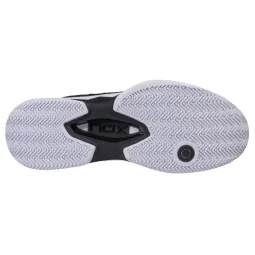
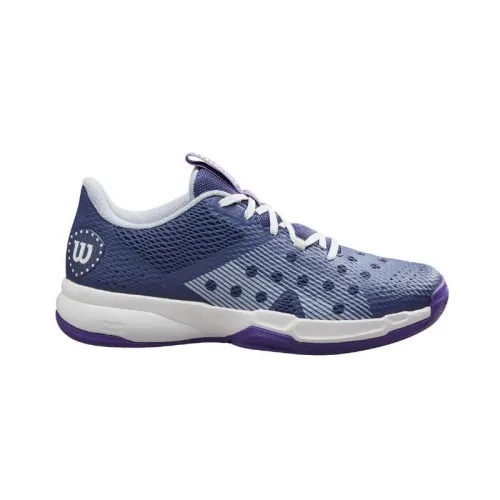
In padel clothing and padel shoes you will also find allies for maximum performance in variable bounce situations, as mobility and safety on court are key parts of an effective response.
Padel Guide: Technical Knowledge and Experience Applied to the Game
tiendapadelpoint · Authority in padel, equipment and performance @ Copyright 2026