
















Guia de Padel - PadelPoint
Optimal lifespan of a padel ball during play
Factors influencing the lifespan of a padel ball
The lifespan of a padel ball under optimal playing conditions is a frequently asked question among players of all levels. While it may vary depending on use and circumstances, there is a general consensus on how long a ball can maintain its ideal state for peak performance on court.
The material of padel balls, pressure, and the type of surface played on are determining factors. Both professional and amateur players agree that the ball's useful life depends on match intensity, humidity, and frequency of use.
For example, in competitive matches, balls are usually changed every two sets, while in recreational games, they may be used for several matches. Nevertheless, to maintain the highest bounce quality and response, it is recommended to renew them frequently.
How many matches does a padel ball last on average?
Under optimal conditions, a padel ball retains its pressure and bounce for 1 to 3 matches of medium to high intensity. After this, the bounce and feel start to diminish, especially when playing on porous courts or in high humidity.
If you are a demanding player, you will notice the ball loses liveliness after the first few matches. This is why professional brands such as Bullpadel, Dunlop, or Head design balls to maximize durability and performance, but the nature of the game makes frequent replacement essential to maintain quality.
Is it advisable to use the same ball for training and matches?
For training, balls can be reused beyond their optimal point, but for official matches or competitions, it is crucial to use new balls to guarantee fairness and precision.
How to tell if a padel ball has lost its properties?
It's easy to identify when a ball has lost its ideal pressure by paying attention to certain details:
- The bounce is lower than usual.
- The ball's surface shows excessive wear.
- The sound when striking is dull or different from the initial sound.
- The ball feels softer when pressed with your fingers.
Additionally, some brands like Babolat and Starvie offer balls with technologies that try to prolong internal pressure, but regular replacement is still essential.
What happens if you play with worn balls?
The game becomes slower, shots lose precision, and racket wear can increase. Also, playing with balls in poor condition can raise the risk of injury by forcing your stroke technique.
Tips to extend the useful life of your padel balls
To maximize the performance and durability of your padel balls:
- Store them in their original tube, tightly sealed.
- Avoid exposing them to extreme temperatures or excessive humidity.
- Use accessories such as Pascal Box or Ball Rescuer to maintain internal pressure.
- Alternate the use of balls between training and matches.
In our Padel Accessories section, you can find specific products for the care of your balls and to extend their lifespan.

Which brands offer the greatest durability?
Among the most recognized brands for quality and durability are Dunlop, Head, Bullpadel, and Babolat. All of them offer advanced technologies to maintain pressure and bounce quality for longer, although intensive use remains the key factor.
How often should you renew your padel balls for optimal play?
The renewal frequency depends on your level of demand and playing style. If you compete or seek maximum performance, ideally change balls every 1-2 matches. For training, you can extend their use until you notice a significant loss in bounce and speed.
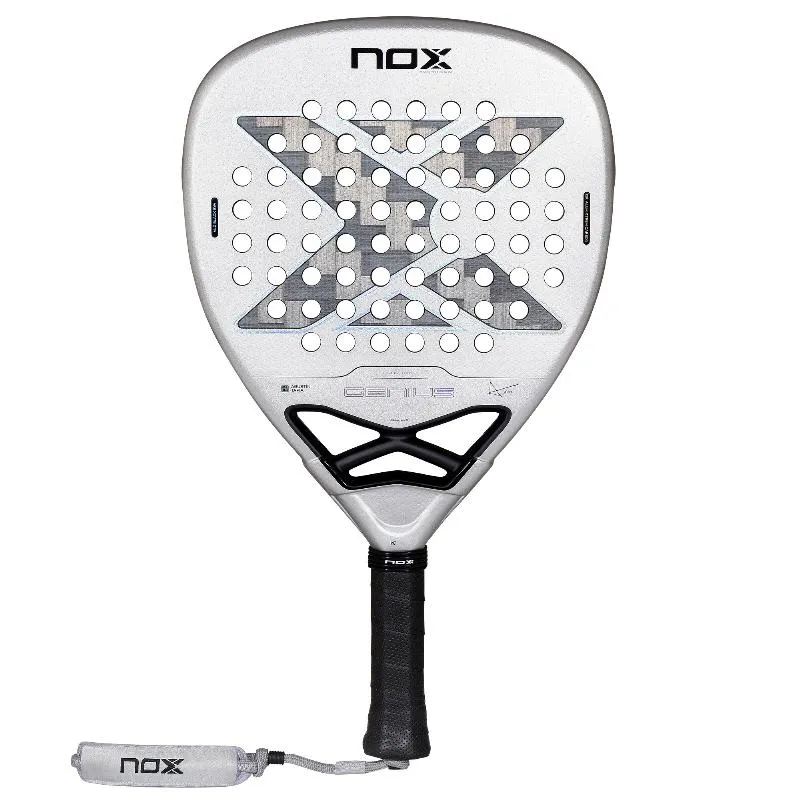
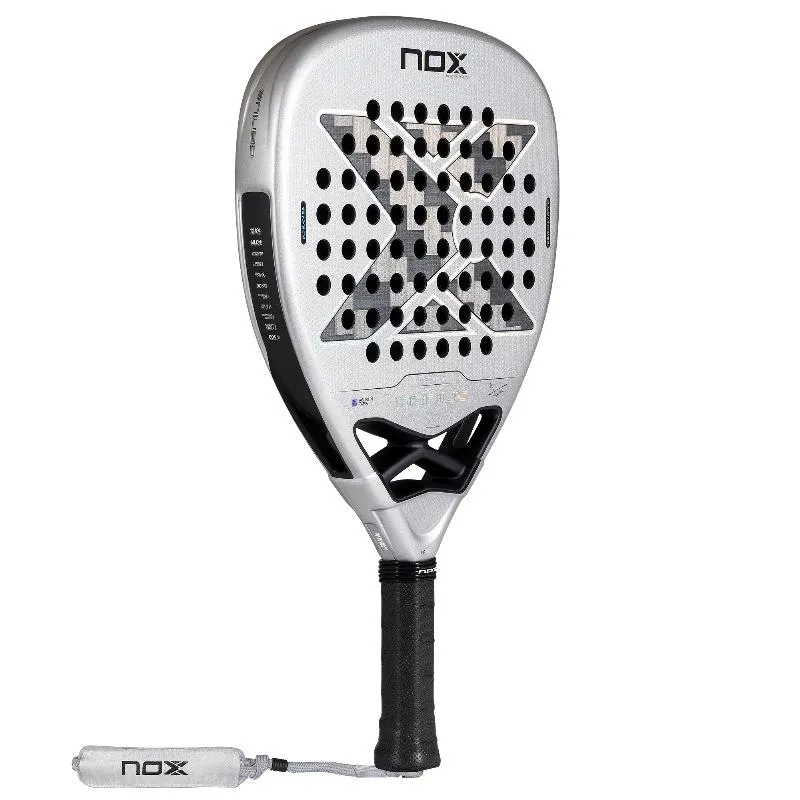
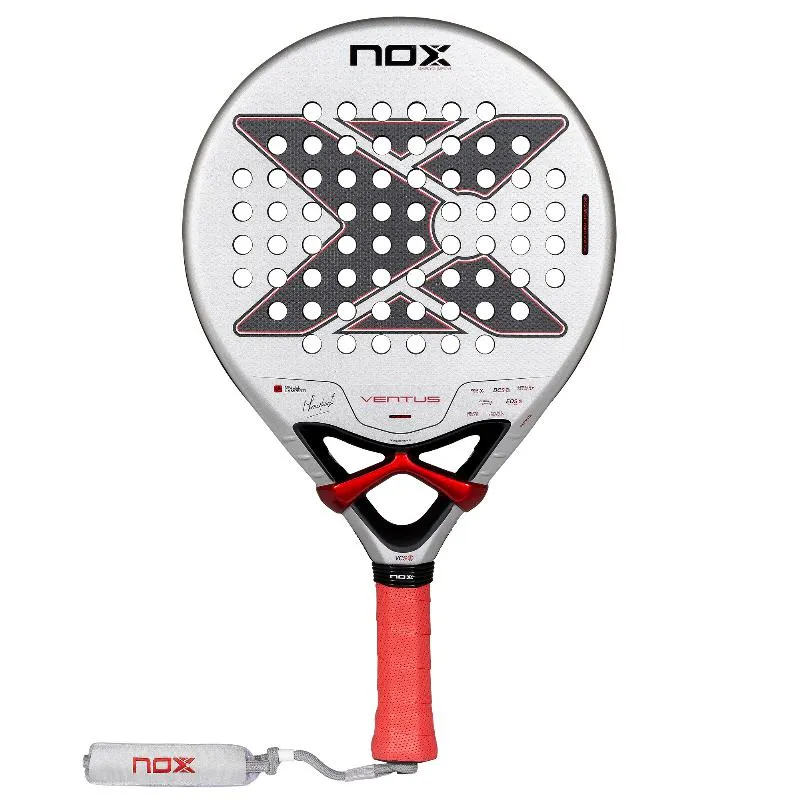
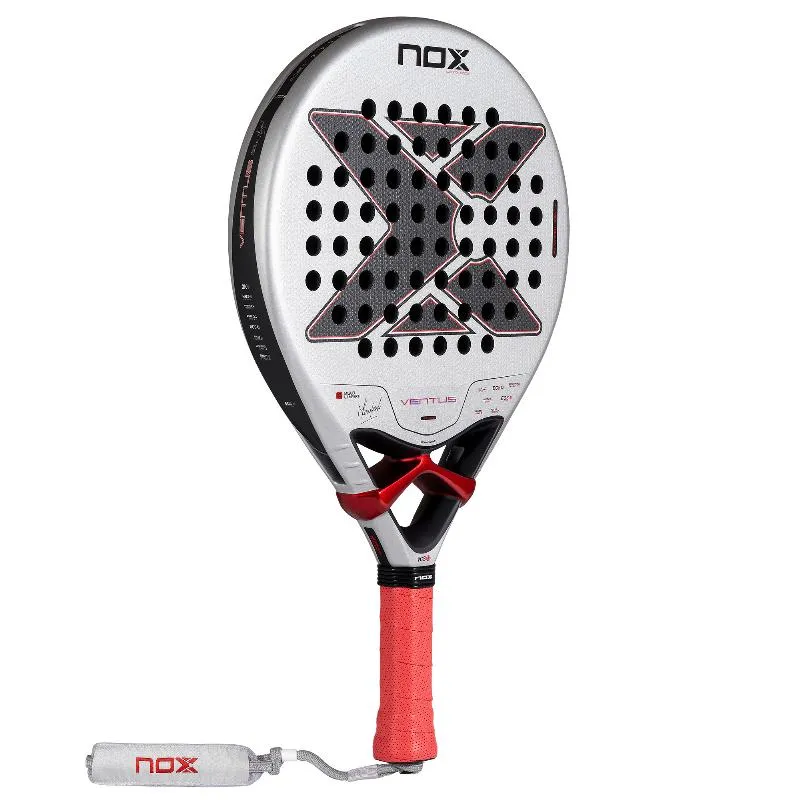
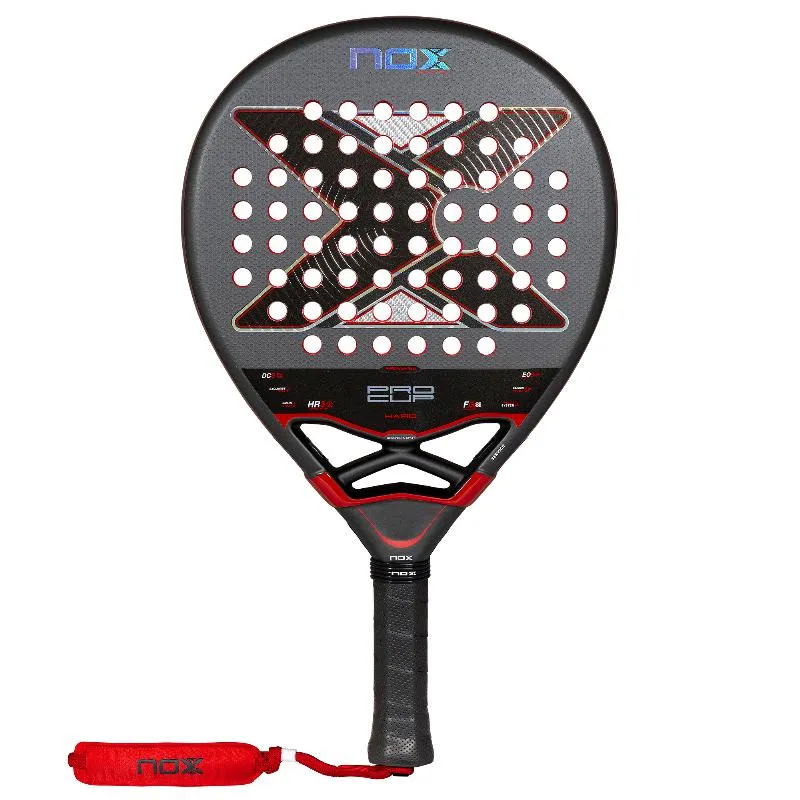
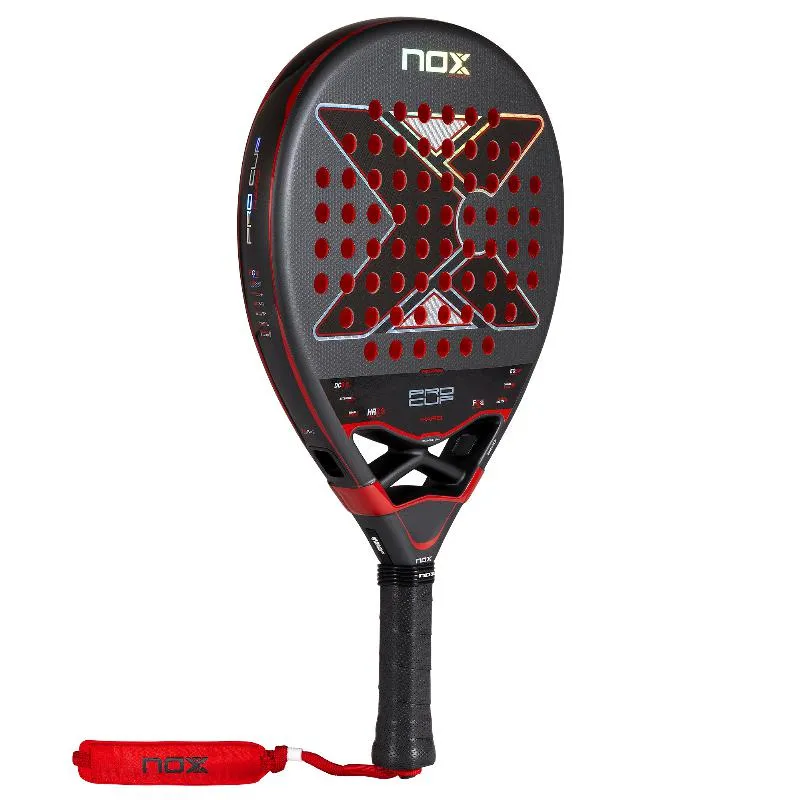
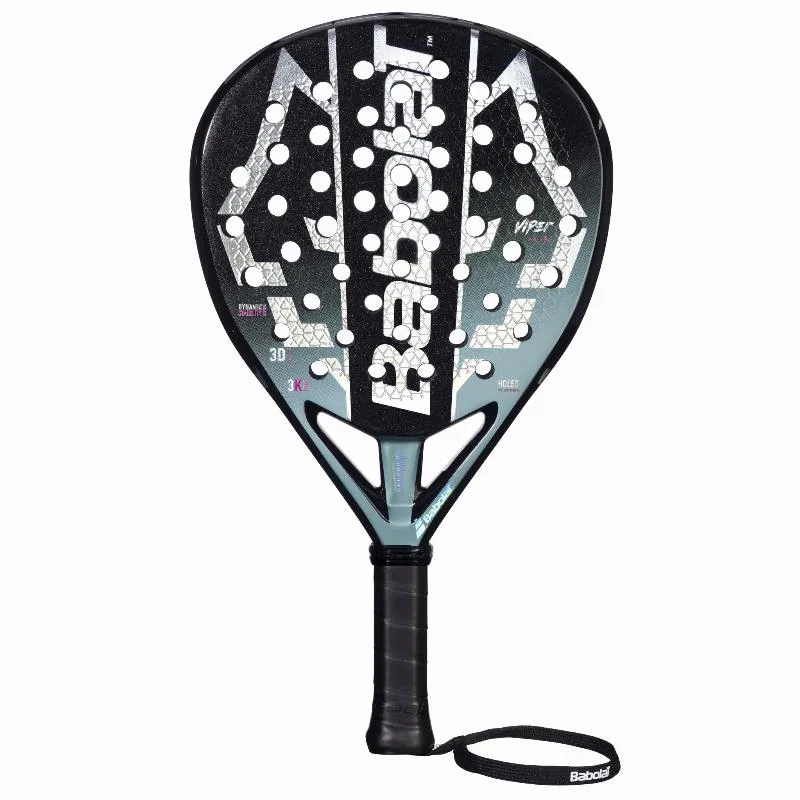
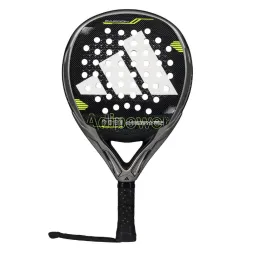
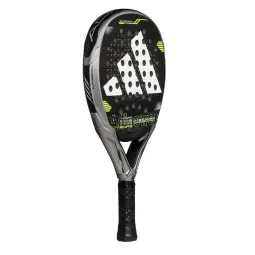
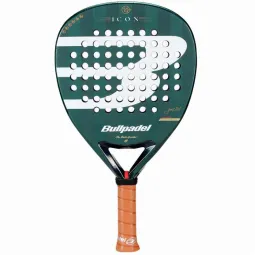
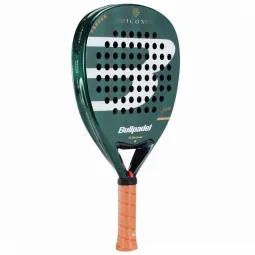
Moreover, many modern padel rackets are designed to deliver peak performance with balls in optimal conditions, so timely renewal ensures a superior experience.

At TiendaPadelPoint you'll find the best brands and advice to choose both your balls and accessories to help keep them in top condition.
Padel Guide: Technical Knowledge and Applied Game Experience
tiendapadelpoint · Authority in padel, gear and performance @ Copyright 2026