













































































Guia de Padel - PadelPoint
Padel Training Balls Guide
How to Select Padel Balls for Successful Training
Choosing the right padel balls for training is key to improving your performance, preventing injuries, and enjoying every session. In this guide, we explain what to consider when selecting your ideal model, the differences between training and competition balls, and the main brands and available options on the market. If you're looking for the best alternatives, at TiendaPadelPoint you'll find a wide variety of models suited to all levels and needs.

Importance of a Good Choice for Training
During training, consistency and durability of balls are essential. A proper ball helps you keep up the pace, work on technique and tactics, and avoid physical discomfort caused by overly worn or unsuitable balls. In addition, using specific training balls helps simulate real match conditions, making it easier for players to progress.
What are the differences between training and competition padel balls?
Training balls usually last longer and have slightly lower pressure compared to competition balls. This makes them less "lively," ideal for long sessions, classes, and repetitive drills. On the other hand, competition balls are faster, bounce higher, and provide a more uniform rebound, suitable for matches where every detail counts.
Advantages of Specific Training Balls
- Higher resistance to wear.
- Usually more affordable price.
- Perfect for control and technique exercises.
- Allow a steady pace in group lessons.
Which padel ball brands stand out for training?
The market offers a wide selection of recognized brands. Brands like Adidas, Bullpadel, Head, Nox, Starvie and Wilson offer specific training models, known for their durability and great value for money.
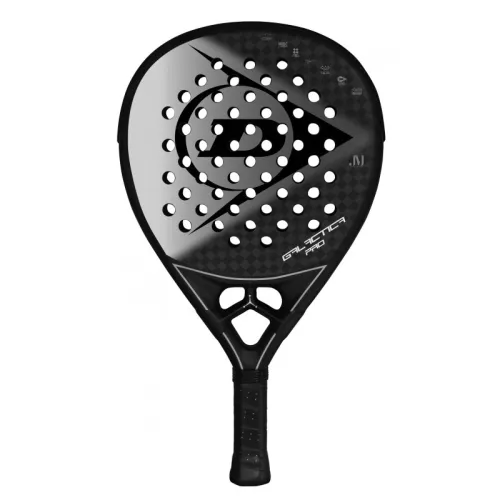
There are also other well-regarded options, such as Dunlop or Softee, ideal for schools as well as players who train several times a week.
Innovations in Training Balls
Some brands have developed technologies to maintain pressure and bounce longer, reducing replacement frequency and material costs. For example, products like Ball Rescuer or Pascal Box can help you extend the lifespan of your favorite balls.
How does the training ball influence padel technique and learning?
Choosing a good training ball directly affects technical progression. A ball with the right bounce lets you practice baseline shots, volleys, and bandejas without altering your natural movement. It also facilitates learning for both children and adults, as the ball doesn't become too fast or unpredictable.
Tips to Get the Most Out of Training Balls
- Renew your balls regularly to keep bounce quality high.
- Use pressurizers to extend their lifespan.
- Store balls in dry places and avoid extreme temperatures.
How often should training padel balls be replaced?
Replacement frequency depends on several factors: number of training sessions, court surface, and exercise type. In general, it is recommended to change the batch of balls every 6 to 10 intense sessions to maintain performance. If you are a coach or use balls in group lessons, check the pressure and outer state regularly.
How to Detect a Worn Ball?
A ball is considered worn when it loses pressure, has a very polished surface, or doesn't bounce uniformly. Training with worn balls can negatively affect your technique and precision.
Where to buy padel balls for training?
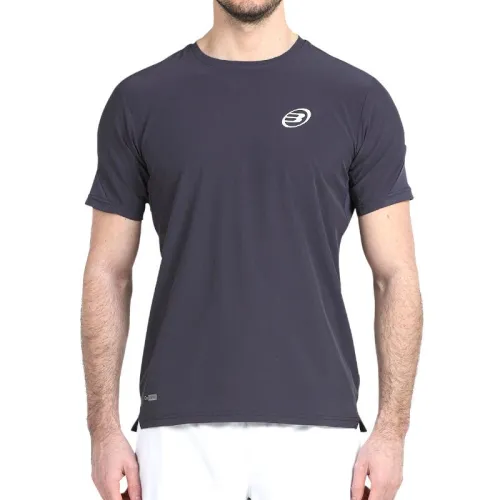
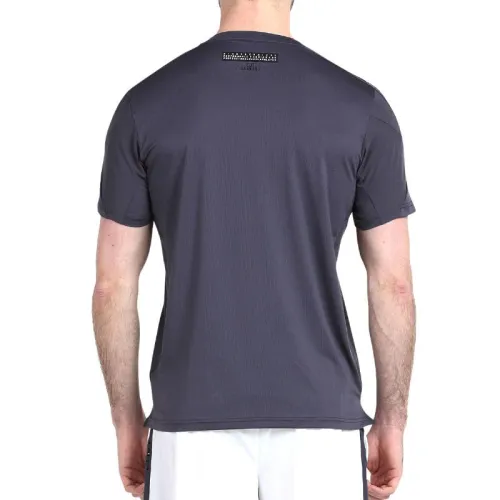
At TiendaPadelPoint you have a specialized section on padel balls for training, with packs, deals, and new products from the best brands. In addition, you can complement your order with padel rackets, padel shoes and padel clothing to always train with the best equipment.
Remember to check the new arrivals category to stay up to date on the latest balls and training accessories.
Padel Guide: Technical Knowledge and Game Experience Applied
tiendapadelpoint · Padel authority, gear and performance @ Copyright 2026
