






























Guia de Padel - PadelPoint
Practical exercises to improve communication in padel
Keys to strengthening communication in padel
Communication in padel is a fundamental pillar for the performance of any pair on the court. Whether you are a beginner or an advanced player, practicing specific exercises will help you anticipate plays, avoid unforced errors, and develop more effective joint strategies. In this article, you will learn how to work on this essential aspect of the game, integrating resources and equipment such as those found in the Accessories section of our store.
Why is communication crucial in padel?
Padel, unlike other racket sports, is played in pairs, which requires constant coordination and understanding. Lack of communication can lead to crashes, uncovered balls, or poor decision-making. That's why professional coaches insist on working on this aspect with practical and dynamic exercises.
How to plan exercises for on-court synchronization?
Planning training sessions focused on communication requires combining technical exercises and group dynamics. Here are some useful examples:
- "I've got it" exercise: Both players, when seeing a divided ball, must verbally communicate who will go for it. The goal is to avoid doubts and gain communication reflexes.
- Position game: Zones are marked, and each player can only hit from their assigned area, forcing them to talk and coordinate their movements.
- Lob simulation: One player throws lobs and the other must communicate if the ball is out and indicate any positional changes.
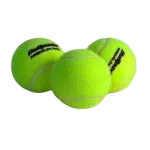
For all these exercises, having quality padel balls and suitable padel rackets is key for realistic and effective dynamics.
Recommended equipment for communication training
Among the available padel accessories, you can use cones to mark zones, boards to plan plays, or even voice recorders to analyze training afterwards. Proper padel shoes also improve mobility and safety in each exercise.
Which exercises help anticipate plays and avoid mistakes?
Anticipation is one of the most valued skills in padel, and communication is its best ally. Try these exercises:
- Match simulations: Play short sets with the main goal of notifying your partner of each action ("mine", "yours", "I'm going up", "I'm staying back").
- Training with restrictions: For example, one player can only hit backhands and the other forehands, forcing communication in cross plays.
- Quick question rounds: Between points, one asks a tactical question and the other must answer quickly, developing communication reflexes.
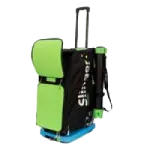
You can also use rackets bags to organize equipment and avoid interruptions during training.
How do brands influence on-court communication?
Using Adidas gear, Bullpadel or Head equipment can make the difference in demanding training sessions, as the quality of rackets, balls, and accessories directly affects the fluidity of communication exercises. Top brands invest in technology to facilitate ergonomics and on-court responsiveness, two key factors for pairs to communicate seamlessly.
Which daily routines enhance communication outside matches?
Although on-court practice is crucial, there are exercises you can do off the court to improve communication with your padel partner:
- Joint visualization: Before training, spend a few minutes discussing strategies and anticipating game situations.
- Review recorded matches: Analyze communication successes and mistakes with your partner to correct them in the next session.
- Cross-training: Practice with different pairs and styles to adapt quickly to various communication methods.
In our padel clothing section, you will find apparel designed to facilitate movement and identification on court, essential for quick visual communication.
Where to find more resources and news?
If you want to stay updated on materials, techniques, and news for padel communication training, be sure to visit TiendaPadelPoint, where you'll find a wide range of products, accessories, and professional advice for all levels.
What mistakes should be avoided when training padel communication?
Common mistakes when working on padel communication include:
- Not training communication specifically, relying only on playing experience.
- Using unclear or overly technical language, hindering mutual understanding.
- Not adapting exercises to the pair's needs and level.
- Neglecting equipment, such as worn balls or unsuitable rackets, which affect dynamics.
- Forgetting the importance of a positive attitude and verbal reinforcement during training.
Remember that effective padel communication is a continuous process that requires consistency, self-critique, and choosing the right accessories for each situation.
Padel Guide: Technical Knowledge and Game Experience Applied
tiendapadelpoint · Authority in padel, equipment and performance @ Copyright 2026