


















































































Guia de Padel - PadelPoint
Influence of Sand on Padel Ball Bounce
The role of sand in padel ball behavior
Padel court sand is an essential and often underestimated element in the game. Its influence extends to factors such as the bounce, speed, and control of the padel ball, directly impacting player strategy. Understanding how sand modifies the ball's behavior can make the difference between a winning shot and an unforced error.
Sand characteristics on padel courts
The sand used on padel courts, usually silica, is spread over artificial grass. Its main function is to provide stability and keep the turf upright, but it also conditions the sliding of both the ball and the players.
At TiendaPadelPoint, experts agree that the amount and quality of sand determine the playing experience, affecting both the speed of exchanges and the safety of movement.
How does sand modify the ball's bounce?
Sand acts as a natural shock absorber. When the padel ball lands in areas with abundant sand, the bounce is lower and slower, making aggressive shots more difficult. On the other hand, if the court lacks sand, the bounce becomes livelier and faster, favoring short points and attacking play.
Experienced players adapt their strategy according to sand distribution, using shots like the bandeja or lob in areas where the bounce is less predictable.

How does sand affect game speed and control?
A court with excess sand tends to slow down the pace of the match. The ball's speed decreases, allowing players to anticipate and better prepare their shots. This benefits those who prefer a more tactical and slower game.
Conversely, with little sand, the surface becomes faster. The padel ball bounces high and quickly, reducing reaction time. This scenario favors offensive players and those who rely on surprise.
Ball control also depends on the quality of artificial grass and court maintenance, two elements that, along with sand, form the fundamental triangle of ball behavior in padel.
The importance of maintenance in sand distribution
Proper maintenance ensures a homogeneous distribution of sand, avoiding slippery or overly compacted areas. This directly affects player safety and bounce consistency.
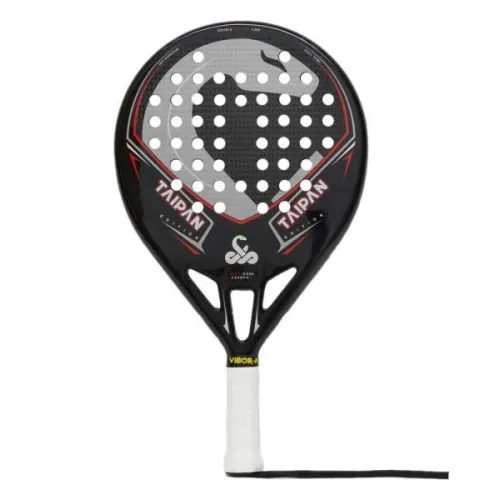
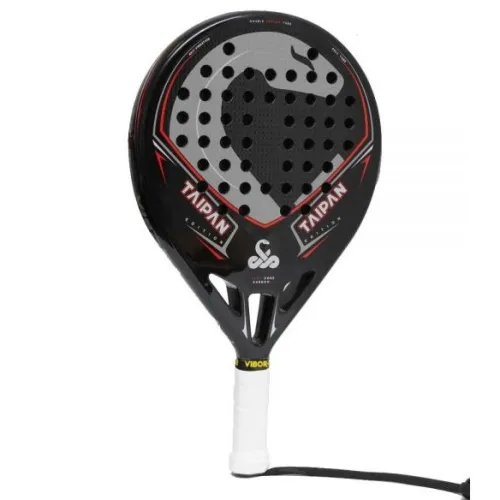
Many brands such as Adidas or Bullpadel develop technologies in their padel rackets to adapt to different court conditions, demonstrating the importance of the surface in overall performance.
What types of sand are used and how do they influence the game?
There are different grain sizes and qualities of sand, which can radically change the player's experience. Fine sand provides greater density and stability but can slow the ball down more. Coarser sand allows for a slightly higher and faster bounce, though it can create slippery areas if not distributed properly.
New or freshly maintained courts often behave differently from courts with sand compacted by use. Therefore, players should inspect the court before each match to adjust their strategy and choose the right gear, such as padel shoes specific for different surface types.
Recommendations for players depending on the court sand
- On courts with lots of sand, prioritize precision and effects to surprise your opponent.
- If the court is dry or lacks sand, go for fast and direct shots, but watch your control.
- Always carry padel racket bags to transport different racket models and adapt to conditions.
How does sand relate to ball and gear wear?
Sand not only affects bounce, but also the ball's durability and material wear. Excess sand can cause padel balls to lose pressure and deteriorate faster. Likewise, padel apparel and padel shoes suffer more friction, so it's essential to choose high-quality products specific for padel.
In the padel accessories catalog at TiendaPadelPoint, you can find solutions for maintenance, cleaning, and care of equipment, optimizing your investment and extending the life of all products.

What tips to follow to take advantage of the sand?
Mastering the effects of sand on the court requires observation and practice. Here are some recommendations:
- Adapt your tactics to the amount of sand: in slow conditions, play patiently; in fast ones, seek to surprise.
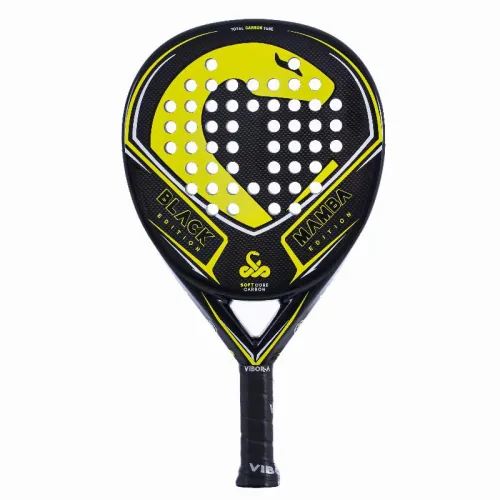
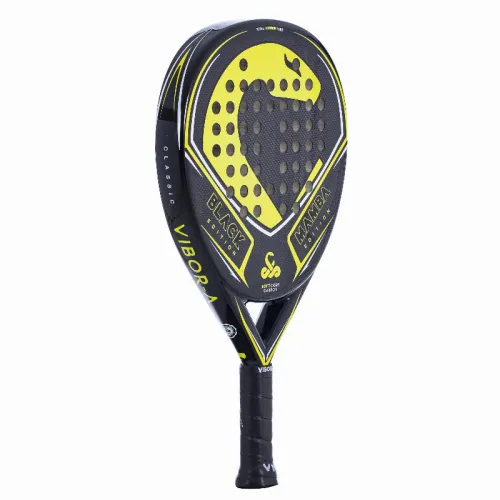
- Use versatile padel rackets if you play on courts with irregular maintenance.
- Choose padel shoes with a clay sole for very sandy surfaces and with more grip for dry courts.
- Check the new arrivals in materials and equipment to stay up to date.
Technical knowledge and experience will allow you to take advantage of any circumstance on the court, turning sand into your strategic ally.
Related questions
Padel Guide: Technical Knowledge and Experience Applied to the Game
tiendapadelpoint · Authority in padel, gear and performance @ Copyright 2026
