



















































































Guia de Padel - PadelPoint
Padel injury prevention | Practical guide
How to effectively reduce injury risk in padel
Padel is an exciting and dynamic sport with a growing number of enthusiasts. However, as in any sport, there are injury risks, especially if proper precautions are not taken. In this comprehensive guide, we provide key strategies and tips for padel injury prevention, helping you enjoy the game to the fullest without worries.
The importance of warm-up and stretching in padel
The first essential step to reduce injuries is a proper warm-up before each match or training session. Spend between 10 and 15 minutes on light cardio, joint mobility, and dynamic stretching. This prepares your muscles and joints for the effort, improves performance, and minimizes risks.
Don't forget to stretch after playing. This helps muscles recover and prevents stiffness and contractures, making it a fundamental practice for players of all levels.
Specific equipment for injury prevention
Choosing the right equipment is crucial to avoid physical problems. Using quality padel shoes designed to absorb impact and provide stability reduces the risk of sprains and lower limb injuries.
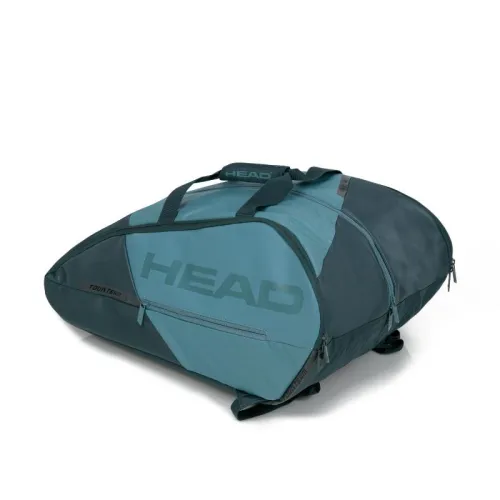
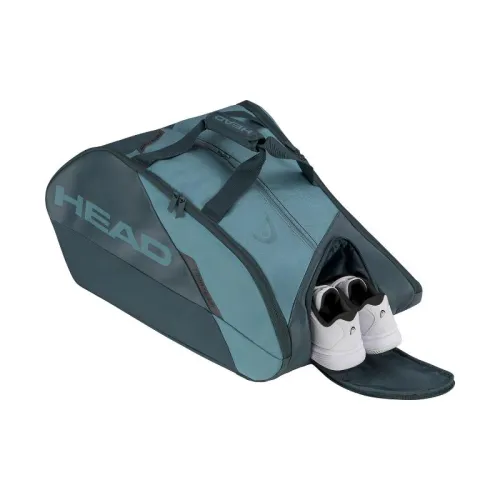
Wearing padel clothing made from breathable technical materials helps maintain body temperature and avoids discomfort from sweating. Likewise, racket bags allow safe transportation of your gear, preventing accidental knocks while carrying.
At TiendaPadelPoint you will find a wide range of specialized brands such as Adidas, Bullpadel, Babolat or Nox, ideal for ensuring top protection and performance in every match.
What are the most common padel injuries and how to avoid them?
The most frequent injuries among padel players include epicondylitis (tennis elbow), ankle sprains, muscle overloads, plantar fasciitis, and shoulder injuries. To prevent them, it is essential to use proper technique, use padel balls in good condition, and regularly check your racket and shoes.
Proper hydration and specific strengthening of the most involved areas, such as wrist, forearm, and ankles, will significantly reduce your injury risk. If you are prone to joint injuries, consider using accessories like wristbands, elbow pads, or insoles, available in the padel accessories section.
Regular equipment inspection
Regularly inspect the condition of your racket, shoes, and accessories. Excessive wear can increase the risk of accidents. If you need to renew your gear, check out the outlet offers for the best quality at great prices.
What habits and routines enhance safety on the court?
Injury prevention in padel also involves adopting good training and playing habits. Always listen to your body: if you feel discomfort or fatigue, rest and seek professional advice before pushing yourself. Alternate intense workouts with active rest days and remember to maintain your overall fitness with strength, proprioception, and flexibility exercises.
Upon arriving at the court, check that the surface is clean and obstacle-free. Stay hydrated and well-nourished, and remember to protect yourself from the sun with a cap and sunscreen for outdoor matches.
Using accessories for added protection
Using suitable accessories, such as wristbands, elbow pads, ankle supports, and protectors, can make a difference. In padel accessories you'll find a wide variety to suit your needs.
How does technique influence injury prevention?
Technique is a determining factor. Learning the correct execution of shots such as volleys, bandejas, or smashes, as well as movements and turns on the court, minimizes joint impact and reduces overuse injuries. Don't hesitate to take lessons with certified coaches to perfect your game.
Practice movement progression, avoid abrupt gestures, and maintain proper posture throughout the match. Invest in padel rackets that match your level and needs, since an unsuitable racket can increase joint and muscle stress.
Complementary injury prevention training
Include core strengthening, specific stretching, and balance work in your routine. These practices improve fatigue resistance and your ability to react to unexpected movements.
When to consult a specialist and what to do in case of discomfort?
If you experience persistent pain, swelling, or limited movement, consult a physiotherapist or sports physician. Early detection and proper treatment prevent a mild problem from becoming a serious injury and a prolonged period of inactivity.
For mild discomfort, apply ice, keep relative rest, and consider using support accessories. Prevention is always the best medicine.
Stay informed about new developments and advances in prevention
We recommend keeping an eye on new developments in materials, accessories, and technology applied to padel, as ongoing innovation allows for a safer and more personalized experience.
Padel Guide: Technical Knowledge and Applied Game Experience
tiendapadelpoint · Authority in padel, equipment and performance @ Copyright 2026
