


















































































Guia de Padel - PadelPoint
Padel injury prevention essential tips
How to protect your body and avoid frequent padel injuries
Padel is an exciting and dynamic sport, perfect for improving fitness and enjoying with friends. However, its physical demands can lead to injuries if proper precautions are not taken. At TiendaPadelPoint, we offer a complete guide on padel injury prevention, covering everything from equipment selection to specific warm-up and stretching routines.
Main padel injuries and how to identify them
The most common padel injuries include: epicondylitis (tennis elbow), plantar fasciitis, ankle sprains, muscle overloads, and tendonitis in the shoulder or wrist. Identifying symptoms early is key to avoiding complications.
- Epicondylitis: Pain on the outside of the elbow after hitting the ball.
- Plantar fasciitis: Pain on the sole of the foot, especially upon waking up.
- Ankle sprains: Pain and swelling due to sudden twists.
- Muscle overloads: Fatigue, tightness, or minor discomfort in legs and back.
- Tendonitis: Persistent pain in shoulder or wrist.
Recognizing these signals allows for rest, ice application, and consulting a specialist if necessary.
What equipment helps prevent padel injuries?
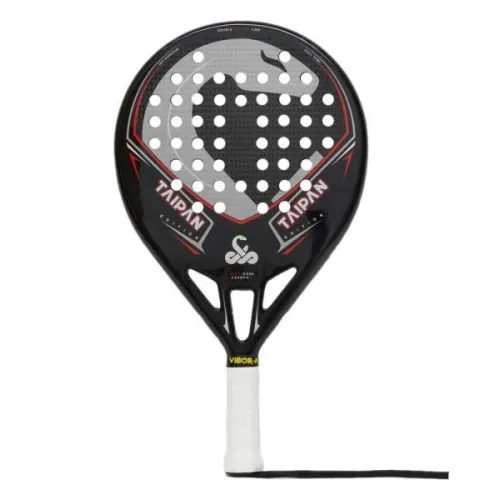
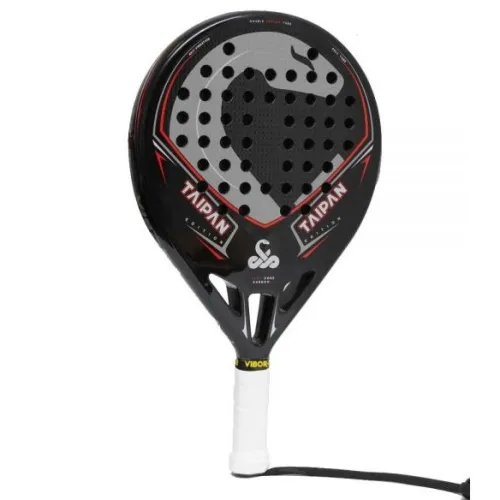
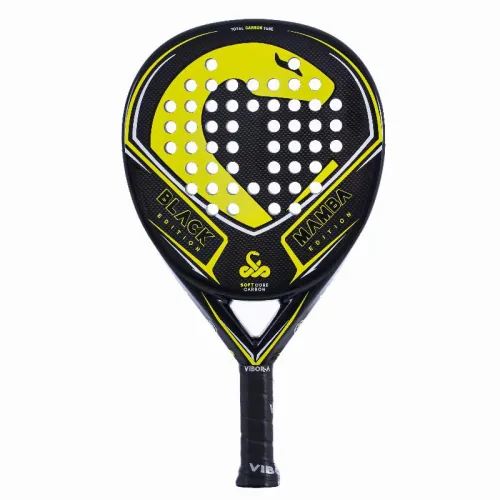
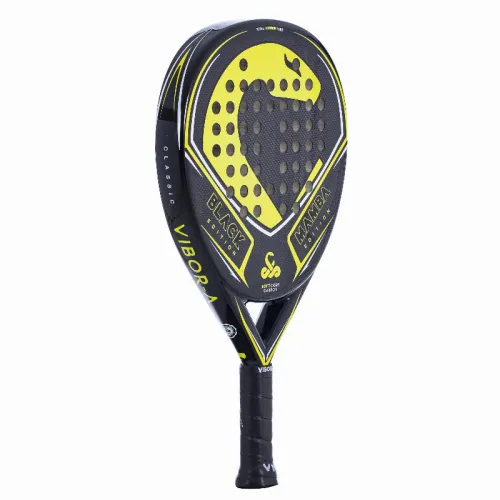
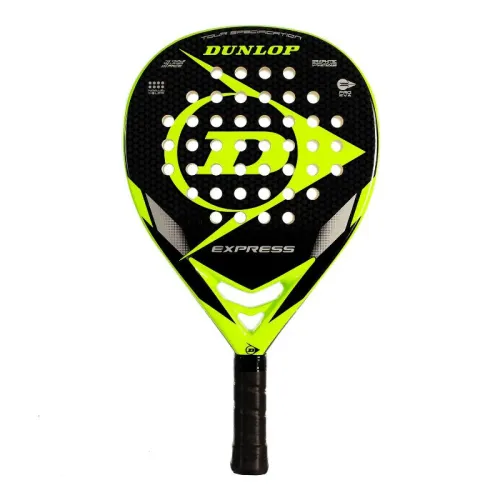
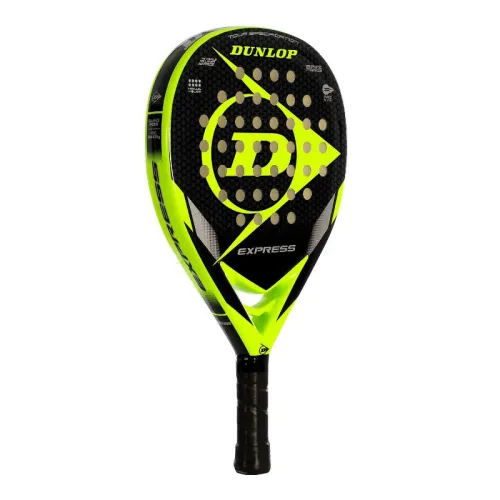
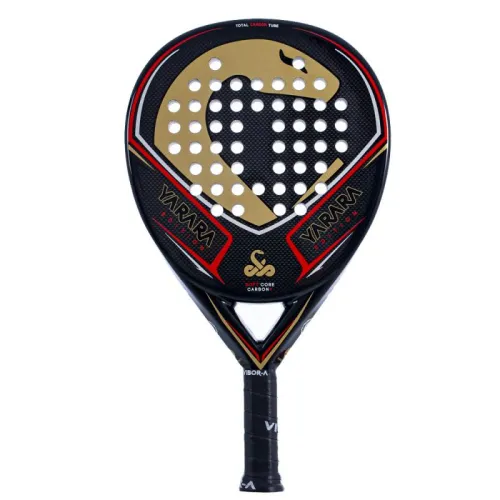
Selecting the right padel shoes is essential to protect ankles and knees, offering stability and good cushioning. Choosing a padel racket suited to your level and playing style reduces the risk of overload and injuries to the wrist or elbow.
We recommend visiting our padel accessories section, where you'll find items like wristbands, elbow pads, and anti-slip grips, all useful for improving grip and joint protection.
Wearing technical padel apparel made from breathable fabrics also helps keep your body dry and free from chafing during intense matches.
What should the ideal warm-up before playing padel include?
A thorough warm-up significantly reduces the risk of injuries. It should last 10 to 15 minutes and include:
- Joint mobility: Rotations of ankles, knees, hips, shoulders, and wrists.
- Light aerobic exercises: Light jogging, jumping, and lateral movements.
- Active stretching to prepare muscles and tendons.
- Light racket swings: Gradually hit the ball to get your arm used to the movement.
Additionally, cooling down with stretches after the match aids recovery and prevents long-term injuries.
Common warm-up mistakes
Avoid warming up solely by rallying. It's crucial to work all joints and muscles used in the game. Incomplete warm-ups are among the leading causes of injuries in amateur players.
How important are accessories and technical equipment?
Using products from specialized brands such as Adidas, Nox, or Bullpadel ensures innovation and ergonomics in rackets, clothing, and footwear. These brands develop technologies to minimize vibrations, improve shock absorption, and offer optimal support.
Don't forget to regularly replace padel balls, as worn balls change the game dynamics and may force unnatural moves.
If you're looking for the best deals, visit our OUTLET for great discounts on top-brand technical equipment.
Racket bags and gear organization
Transporting your gear in spacious and comfortable racket bags protects your accessories and rackets from accidental impacts, keeping your equipment in perfect condition.
How to adapt training and technique to avoid injuries?
Planned training and refined technique are the foundation of prevention. Consider the following tips:
- Train under supervision to correct posture and technical movements.
- Increase intensity gradually, avoiding overload.
- Work on strength and flexibility with specific exercises for legs, core, and arms.
- Include rest days and listen to your body's signals.
Prevention depends not only on equipment but also on self-awareness and consistent physical work.
Tips for regular players
Have your physical condition checked periodically and, in case of persistent discomfort, consult a padel-specialized physiotherapist. Use products from brands like Asics or Head to ensure your footwear and racket fit your needs.
What habits and care promote muscle recovery?
Adopting recovery routines is as important as training. Some key recommendations:
- Constant hydration before, during, and after the match.
- Balanced diet rich in proteins and minerals.
- Gentle stretching after playing.
- Massages and cold application on overloaded areas.
- Use of accessories like compression socks or anatomical insoles.
Consistency in these habits will reduce the incidence of injuries and improve overall performance.
Conclusion and additional resources for padel players
Preventing padel injuries is a commitment between choosing the right equipment, applying proper technique, and maintaining good health habits. Check out the latest product and technology news for padel in our store. Remember, prevention is the best investment to enjoy the sport for many years.
Padel Guide: Technical Knowledge and Applied Game Experience
tiendapadelpoint · Authority in padel, equipment, and performance @ Copyright 2026
