










Guia de Padel - PadelPoint
Complete guide to physical exercises for padel
The best physical training to boost your padel game
Padel is a sport that demands speed, endurance, and agility. To reach your full potential on the court, it is essential to perform specific physical exercises and tailor your preparation to the needs of each match. In this guide, you will discover how to structure a physical training plan for padel, the best exercises, and tips to prevent injuries, as well as recommendations on padel accessories that can enhance your performance.
The importance of physical preparation in padel
Physical preparation is fundamental for any player, whether amateur or professional. A strong, well-trained body will allow you to react faster, hit with more power, and withstand long matches without losing efficiency. Moreover, good physical condition is key to injury prevention, which is very common in racket sports.
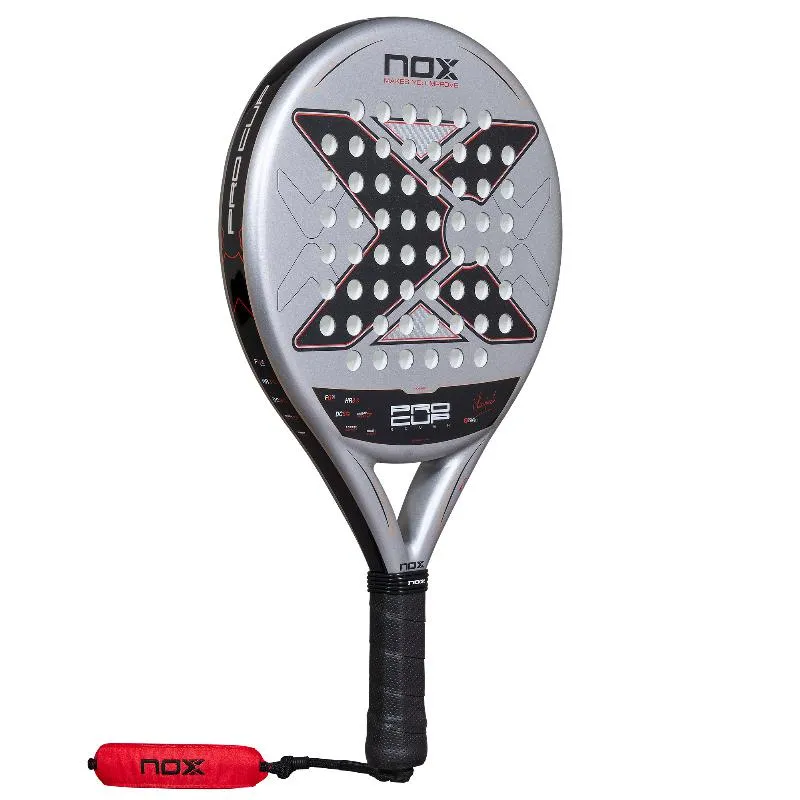
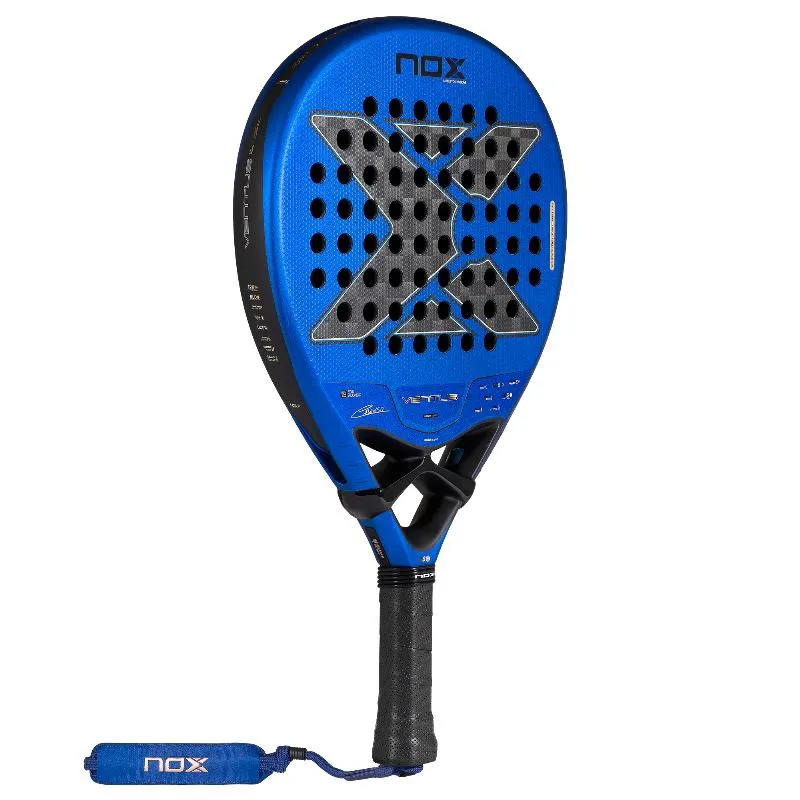
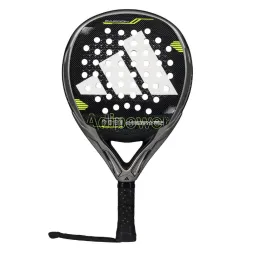
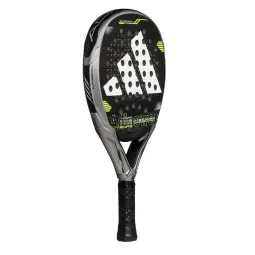
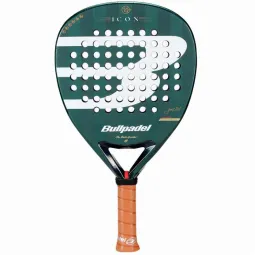
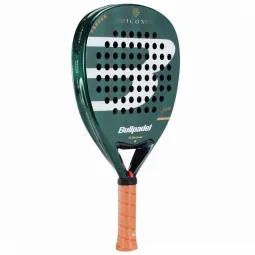
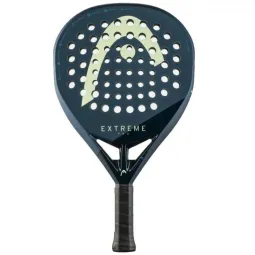
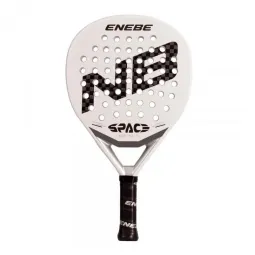
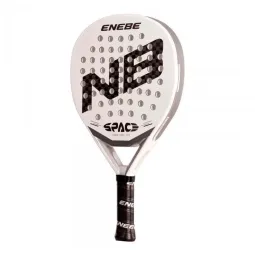
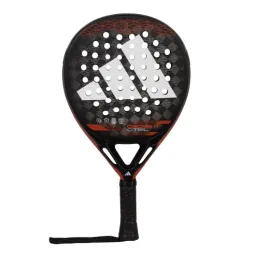
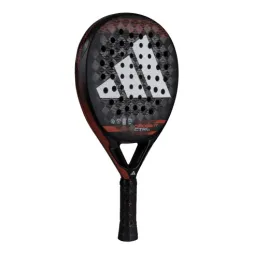
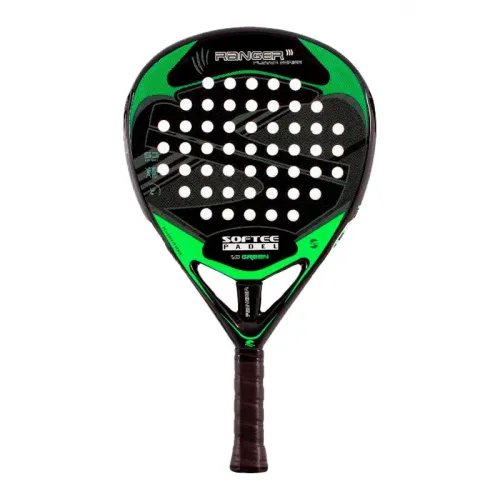
At TiendaPadelPoint we help you find all the equipment you need for your training, from padel balls to the best padel rackets, as well as padel shoes designed to optimize movement on the court.
What warm-up exercises are recommended for padel?
A proper warm-up is essential before each session. Spend 10 to 15 minutes on joint mobility exercises, dynamic stretches, and light jogging. This prepares the muscles and joints for the intensity of the game and reduces the risk of injury.
- Joint mobility: ankle, hip, and shoulder circles.
- Dynamic stretches: lunges, jump squats, and skipping.
- Activation exercises: lateral jumps, short sprints, and changes of pace.
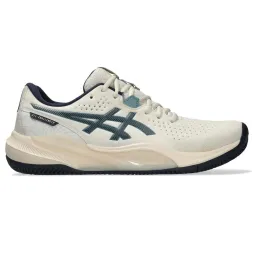
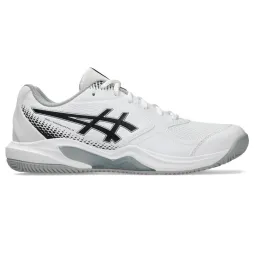
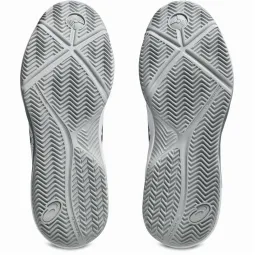
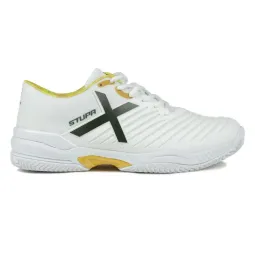
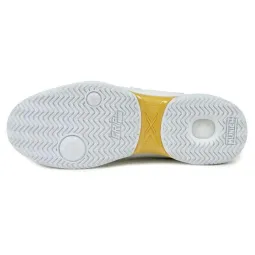
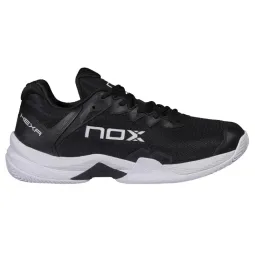
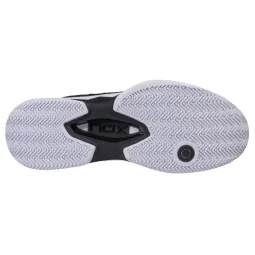
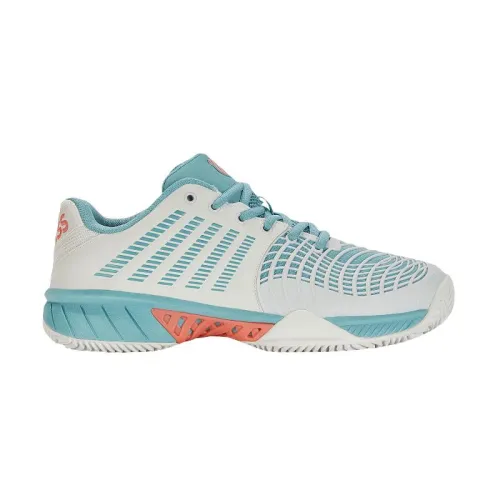
Using proper padel shoes is crucial for good performance during warm-up and the match.
Mental and visual warm-up
Do not neglect the mental aspect: perform concentration and peripheral vision exercises to anticipate plays and react faster.
What specific exercises improve power and endurance in padel?
Padel combines explosive movements with sustained endurance. Therefore, it is important to work on both strength and cardiovascular capacity.
- Strength training: squats, bench presses, deadlifts, and core exercises (planks, crunches, and back extensions).
- Endurance work: short interval sprints, HIIT circuits, and plyometric jumps.
- Functional exercises: zigzag movements, changes of direction, and exercises with resistance bands.
The combination of these exercises allows you to hit more powerfully, move quickly, and maintain intensity in long matches.
Recommended training equipment
Using padel accessories such as resistance bands, cones, and reaction balls can add variety and efficiency to your routines.
How to structure a weekly exercise routine for padel?
A balanced structure is key to progressing and avoiding overtraining. Here is an example of a weekly routine:
- Monday: Warm-up, general strength training, and stretches.
- Wednesday: Endurance work, plyometric exercises, and stroke technique.
- Friday: On-court padel session, specific movement exercises, and active recovery.
- Sunday: Stretching, mobility, and rest.
Remember to adapt the sessions to your level and consult professionals to avoid injuries.
Tips for recovery and rest
Rest is as important as training. Use techniques such as stretching, cryotherapy, and proper nutrition to optimize recovery.
Which accessories and brands improve physical performance in padel?
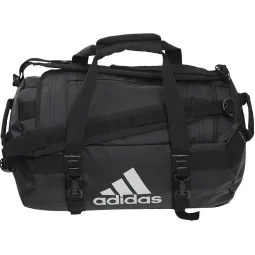
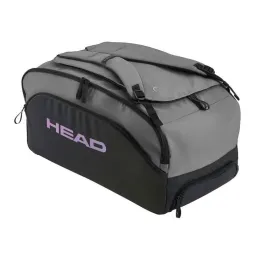
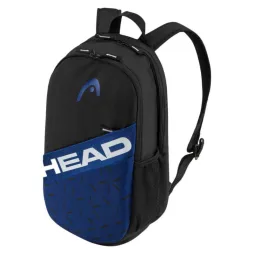
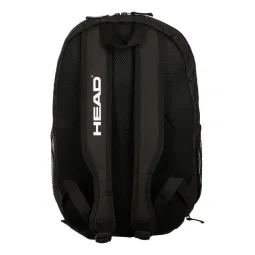
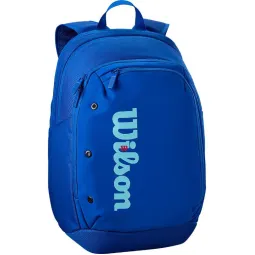
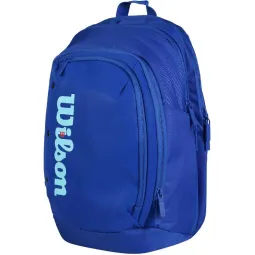
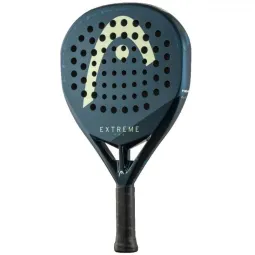
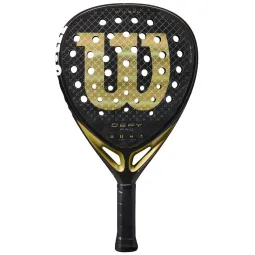
Technical padel clothing, ergonomic racket bags, and other accessories can make a difference in comfort and performance. Leading brands such as Adidas, Asics, Head, and Wilson offer high-quality products for every need.
You can also find OUTLET offers and the latest new arrivals in sports equipment in our store.
How to choose the best equipment?
Always choose products that fit your level, playing style, and personal preferences. Professional advice can help you select the racket, shoes, and accessories that best suit you.
How to prevent injuries through physical training in padel?
The most frequent padel injuries include ankle sprains, muscle strains, and elbow discomfort. To prevent them, it is essential to:
- Perform appropriate warm-up and stretching before and after playing.
- Work on core strength and joint stability.
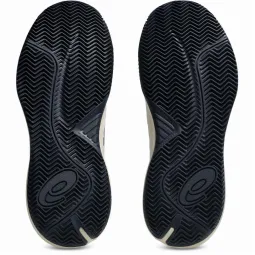
- Use quality equipment, such as padel shoes with good grip and cushioning.
- Listen to your body and respect recovery periods.
To learn more about how to choose each accessory or equipment, visit our padel accessories section.
Professional recommendations
Many coaches recommend combining physical work with technique. Injury prevention starts with a solid physical base but is completed with proper technique and the use of suitable equipment.
Padel Guide: Technical Knowledge and Game Experience Applied
tiendapadelpoint · Authority in padel, equipment, and performance @ Copyright 2026