















































































Guia de Padel - PadelPoint
Definitive guide to padel racket materials
What materials are used in modern padel rackets
The world of padel rackets has evolved thanks to innovation in the materials used in their manufacture. Today, the most popular options are carbon, fiberglass and composites (advanced blends). Each of these materials brings specific characteristics that directly influence performance, feel and racket durability.

Leading brands such as Adidas, Head or Bullpadel are committed to proprietary technologies in the development of their rackets, optimizing the use of these materials to offer better performance to players of all levels.
Carbon features in rackets
Carbon is the premium material par excellence in padel. Its use in the frame and faces of the racket provides greater resistance, lightness and rigidity. This translates into greater power when hitting and less deformation, ideal for advanced players seeking precision and immediate response. In addition, carbon offers greater durability against impacts and daily wear.
Fiber glass advantages
Fiberglass stands out for its flexibility and for providing a softer feel to the racket. It is common to find it in mid-range and beginner rackets, as it favors ball release and helps prevent injuries from vibrations. Thanks to its elasticity, it allows for a more comfortable and controlled game, making it an excellent choice for those taking their first steps in padel.
What is composite and why choose it
Composite is a combination of materials such as carbon, fiberglass and resins used to optimize the racket's performance. Depending on the proportion and technology used, rackets can be achieved with a perfect balance between power, control and comfort. The use of composites allows brands to innovate and create models tailored to the needs of each type of player.
How does the material affect racket performance
The material a padel racket is made of directly affects its behavior on the court. Carbon provides a drier and more powerful ball output, while fiberglass offers a softer and more forgiving hit. Composites seek the best balance between both extremes, adapting to a variety of playing styles.
For example, brands such as Nox and Starvie have developed proprietary technologies to combine these materials, achieving a superior playing experience for both professionals and amateurs.
Durability and maintenance by material
Rackets made of carbon tend to have a longer lifespan, provided they are cared for against knocks and extreme temperatures. Fiberglass, while more flexible, may be less resistant over time. Composites, depending on their composition, can offer superior durability if high-quality resins and fibers are used. It is important to follow each manufacturer's recommendations to keep the racket in optimal condition.
Which type of player should choose each material
The choice of material depends on skill level, technique and individual preferences. Experienced players often opt for carbon rackets to maximize their power and control, while beginners feel more comfortable with fiberglass. Those seeking a versatile experience often go for composite rackets.
- Carbon: For advanced and competitive players.
- Fiberglass: Ideal for beginners and those seeking comfort.
- Composite: For those seeking balance and adaptability.
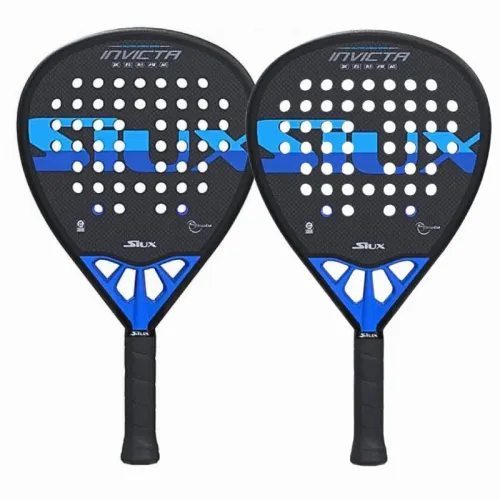
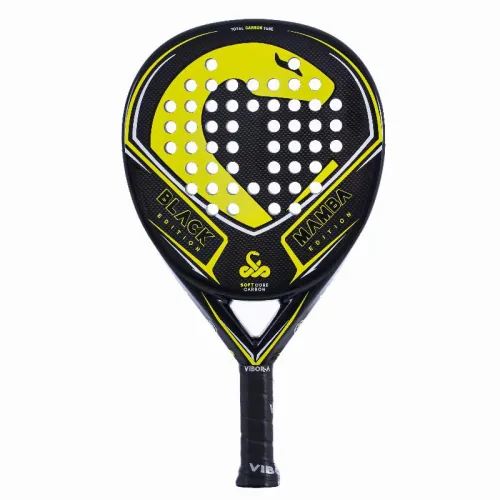
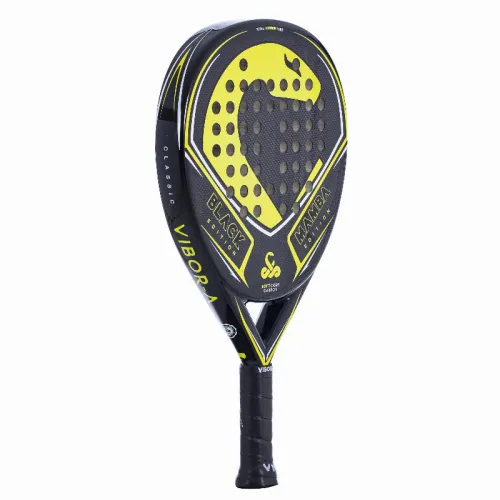
At TiendaPadelPoint we offer a wide selection of models made with all these materials, from brands such as Siux and Vibora, to help you find the ideal racket for your playing style.
Design and innovation in high-end rackets
Leading brands invest in R&D to create rackets with different carbon fiber weaves, exclusive composites and top-quality finishes. Thus, they offer models with anti-vibration technologies, structural reinforcements and personalized designs for each player profile. Don't forget to check out the New Arrivals section to discover the latest innovations in materials.
How to tell if a racket is carbon, fiber or composite
Information about the material is usually indicated on the racket itself or in the product's technical sheet. Pay attention to details such as surface texture, weight and rigidity. Carbon usually has a more matte and rigid finish, fiberglass is shinier and more flexible, and composites may have intermediate textures and finishes.
In our padel rackets section, you can filter by material and discover specific models from brands such as Babolat, Dunlop or Wilson.
What advantages does each material offer in long matches
In long matches, the lightness of carbon helps reduce fatigue, while the flexibility of fiberglass minimizes the risk of injury. Composites, meanwhile, offer quick adaptation and superior comfort, improving performance and allowing you to maintain an optimal level for longer.
Remember, the choice of material is personal and should be based on your sensations, skill level and specific needs. If you have any doubts, at TiendaPadelPoint we will advise you to choose the perfect racket.
Padel Guide: Technical Knowledge and Applied Experience to the Game
tiendapadelpoint · Authority in padel, equipment and performance @ Copyright 2026
