












Guia de Padel - PadelPoint
Physical training guide for padel
Reach your maximum physical potential in padel
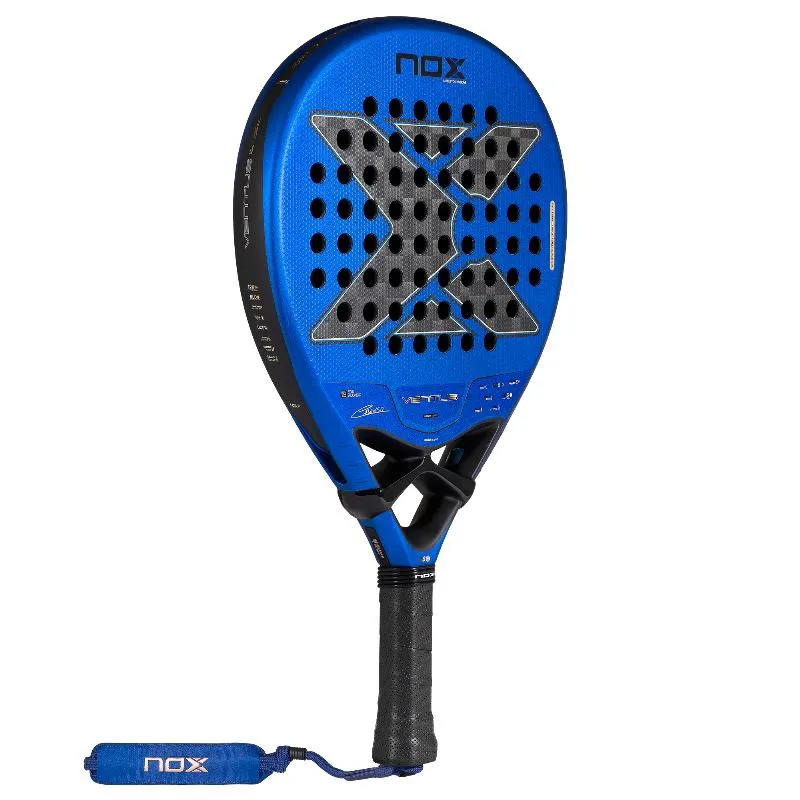
Padel is a sport that increasingly requires physical preparation to perform at your best and avoid injuries. In this physical training guide for padel, we guide you on how to structure your routines, which exercises to prioritize, and the importance of choosing the right equipment, from padel rackets to padel shoes, including padel accessories that make a difference.
The importance of physical training in padel
Specific physical training is key to improving your endurance, speed, coordination, and strength-essential qualities in every match. Plus, a good physical condition helps prevent injuries and improves recovery between games. Leading brands such as Adidas, Bullpadel, or Head offer products designed to maximize your court performance.
What are the key components of physical training in padel?
To stand out in padel, you must work on the following physical aspects:
- Cardiovascular endurance: Padel is a high-intensity sport with constant changes of rhythm. Include aerobic exercises like continuous running, intervals, or cycling.
- Strength and power: Complement your game with upper and lower body strength routines using body weight, elastic bands, or dumbbells.
- Agility and coordination: Ladder drills, lateral jumps, and footwork exercises increase your on-court reaction speed.
- Flexibility and mobility: Dynamic stretching and joint mobility are vital to prevent injuries.
- Prevention and recovery: Add recovery sessions, stretching, and massage, using accessories like rollers or massage balls.
Routine examples for beginners and advanced players
For beginners, a routine combining cardio, basic strength, and mobility sessions is sufficient. As you progress, add high-intensity training, plyometrics, and specific core work. Check out the latest releases in physical training equipment for padel.
How to choose the right equipment for your training?
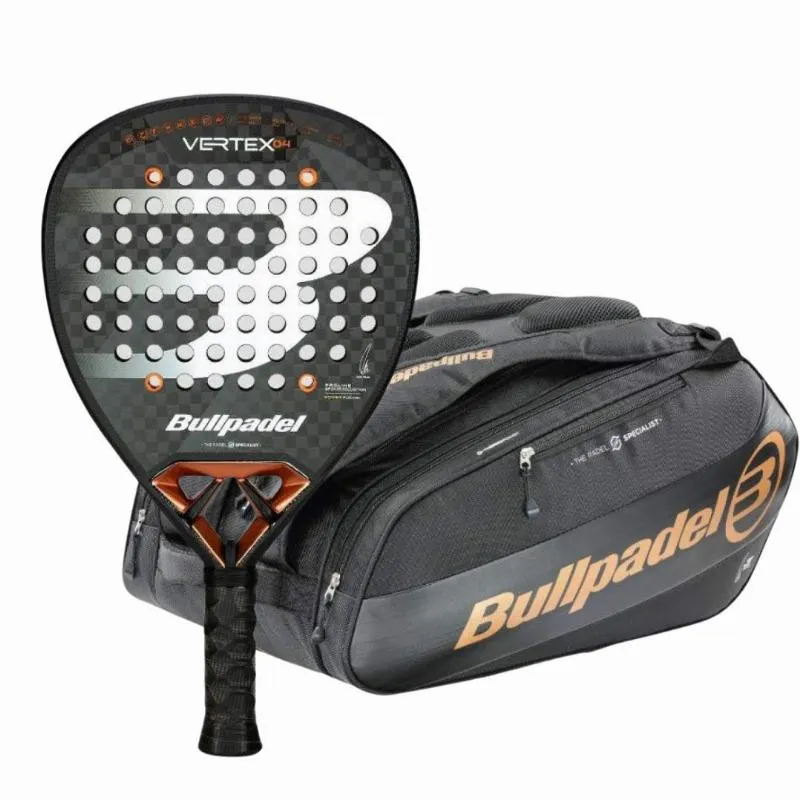
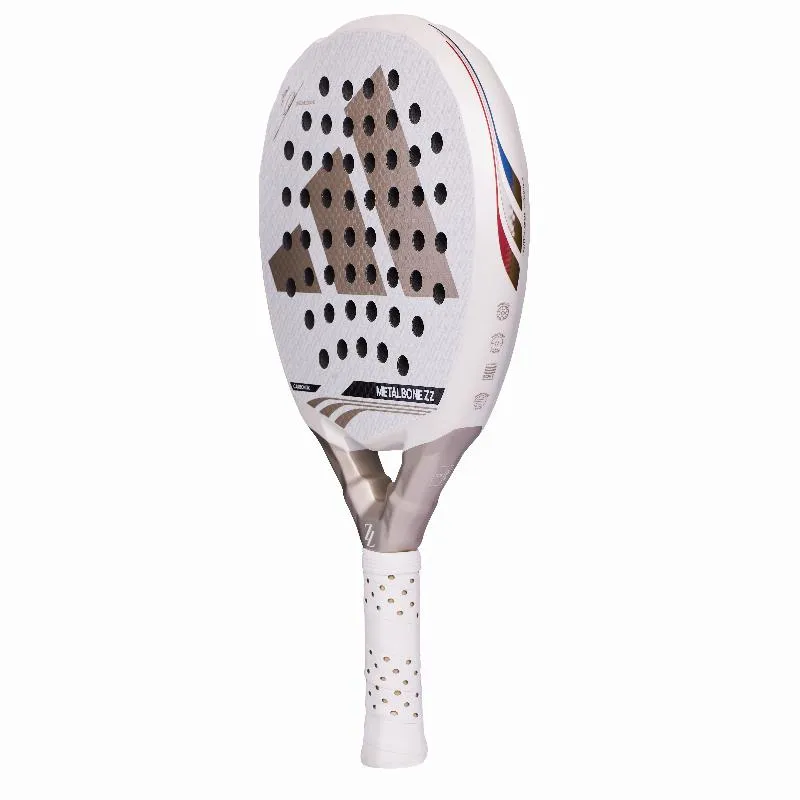
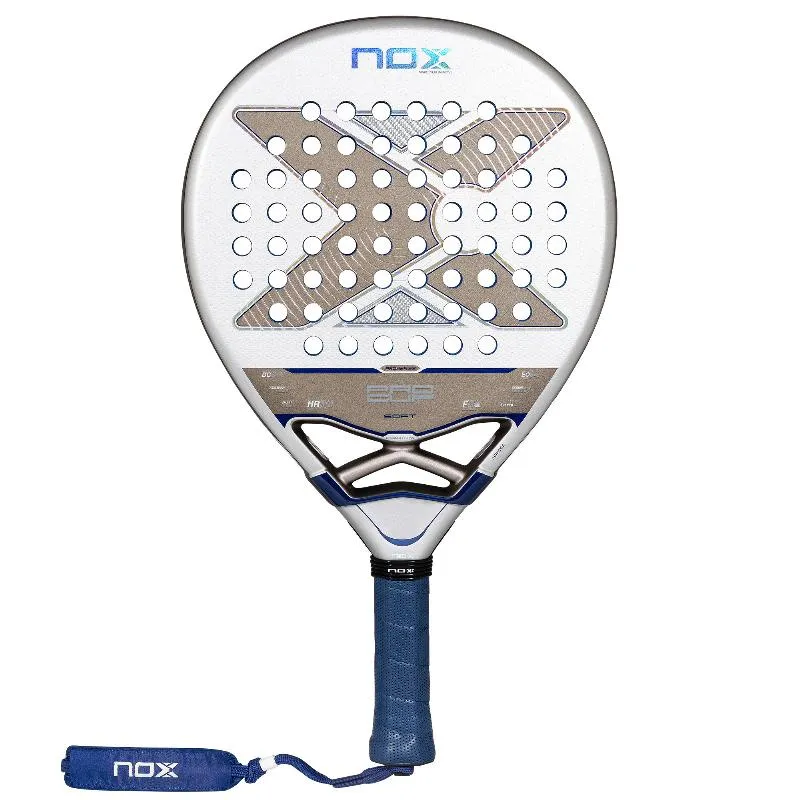
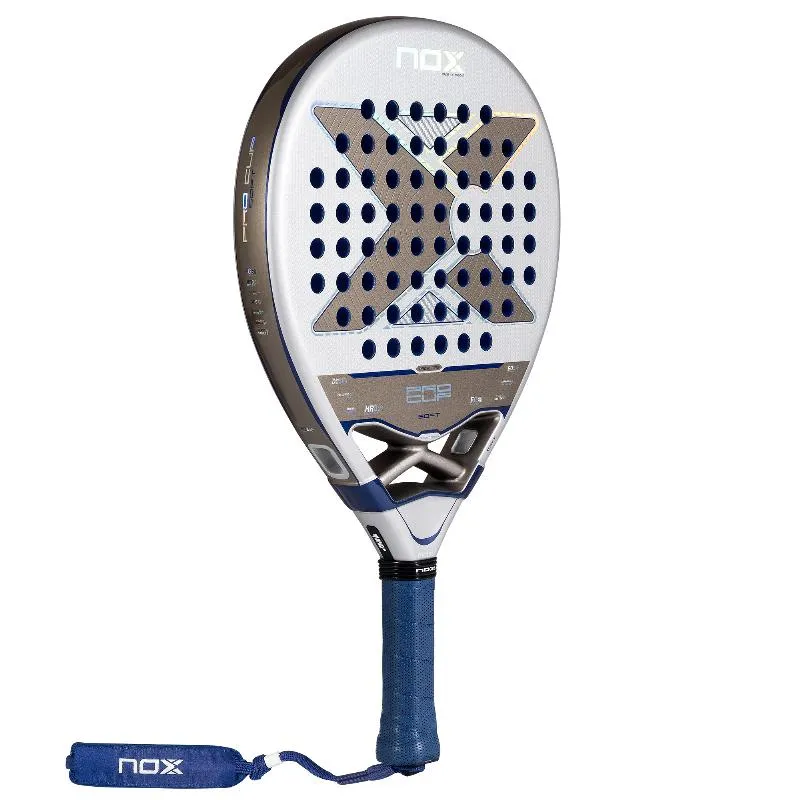
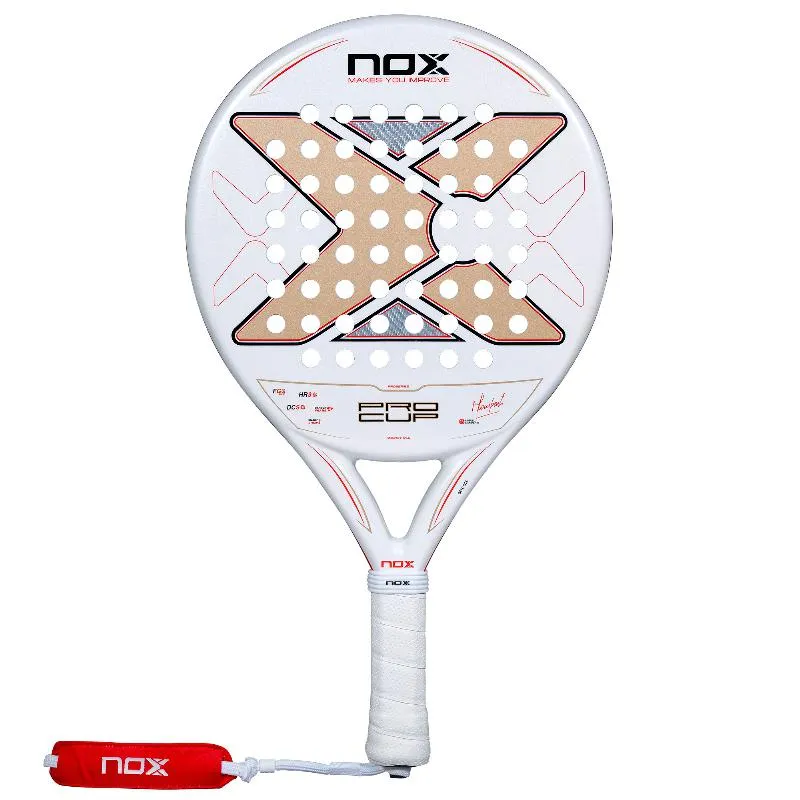
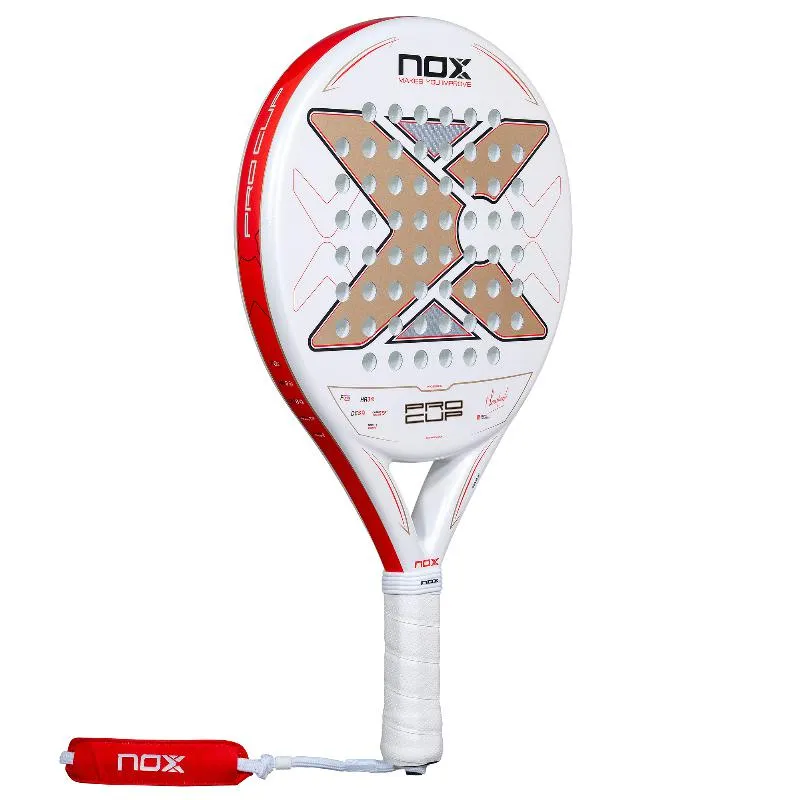
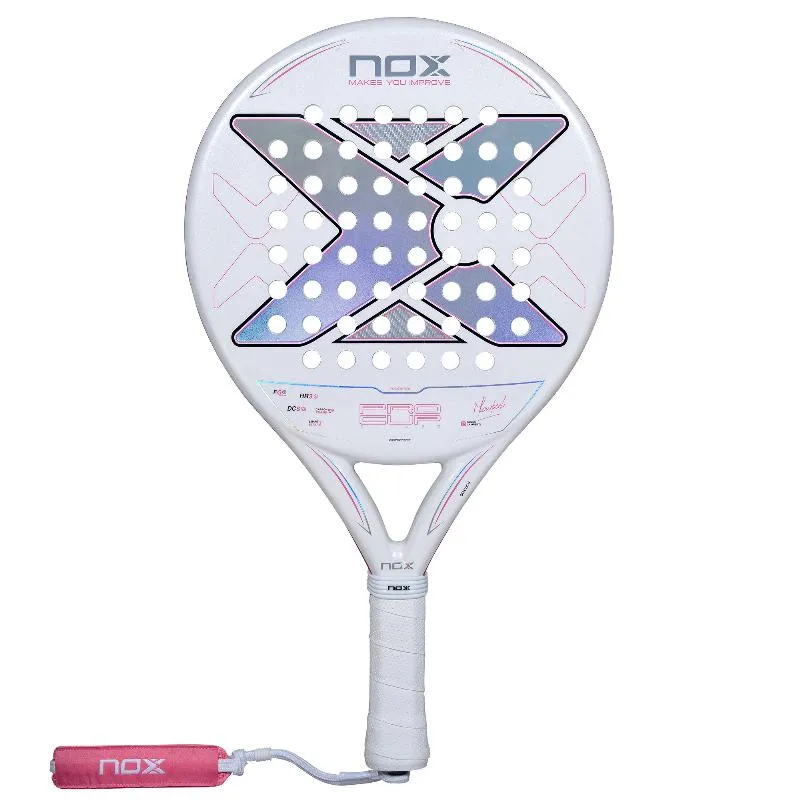
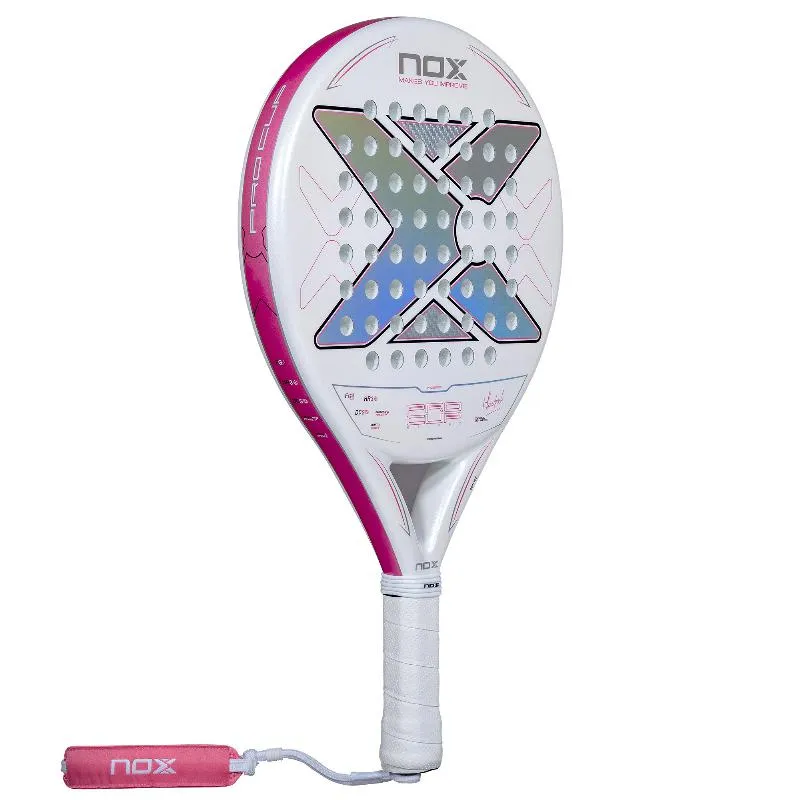
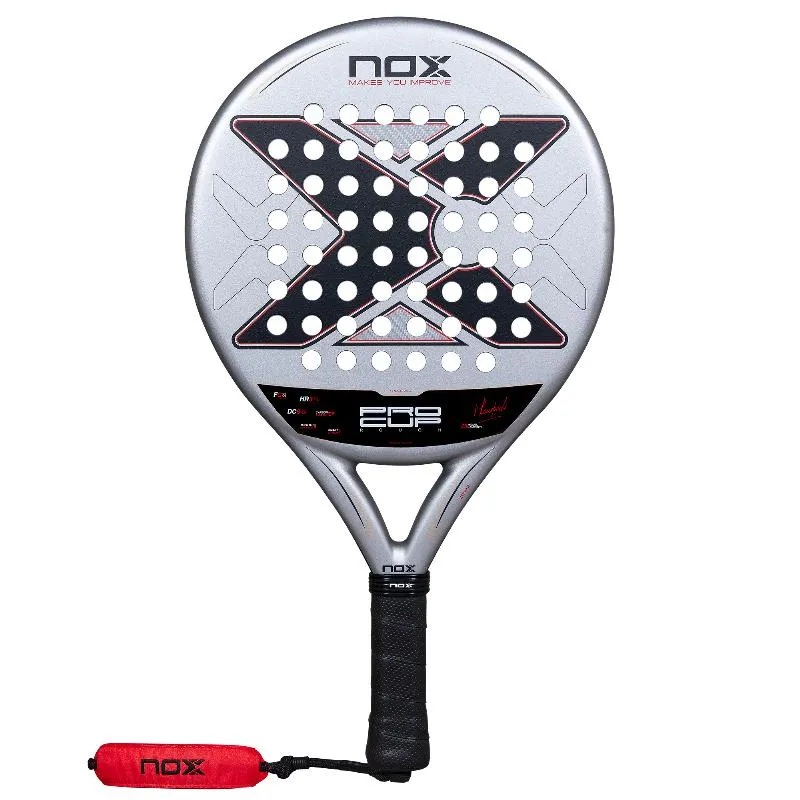
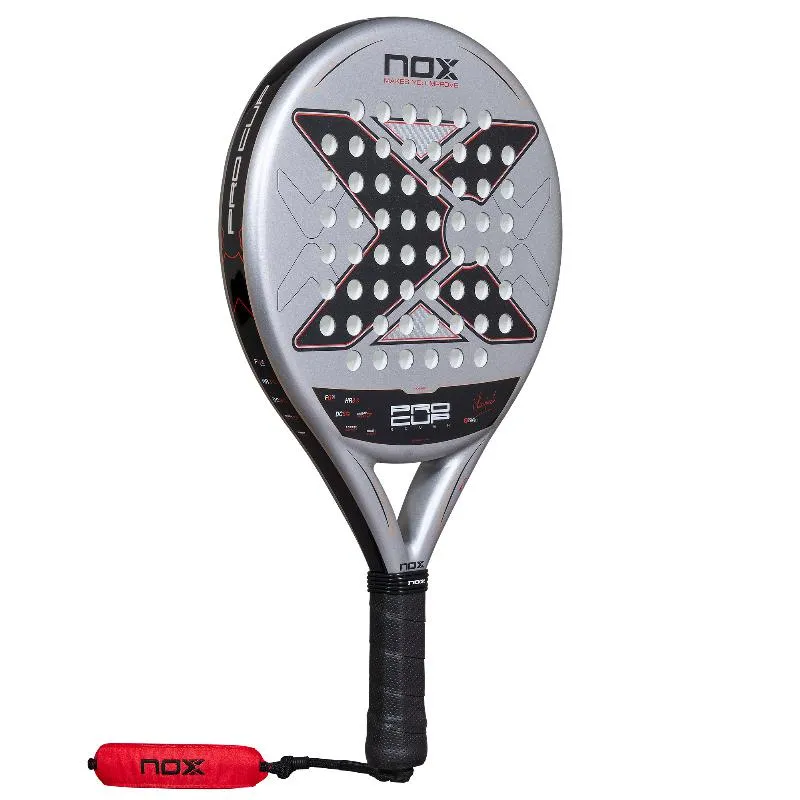
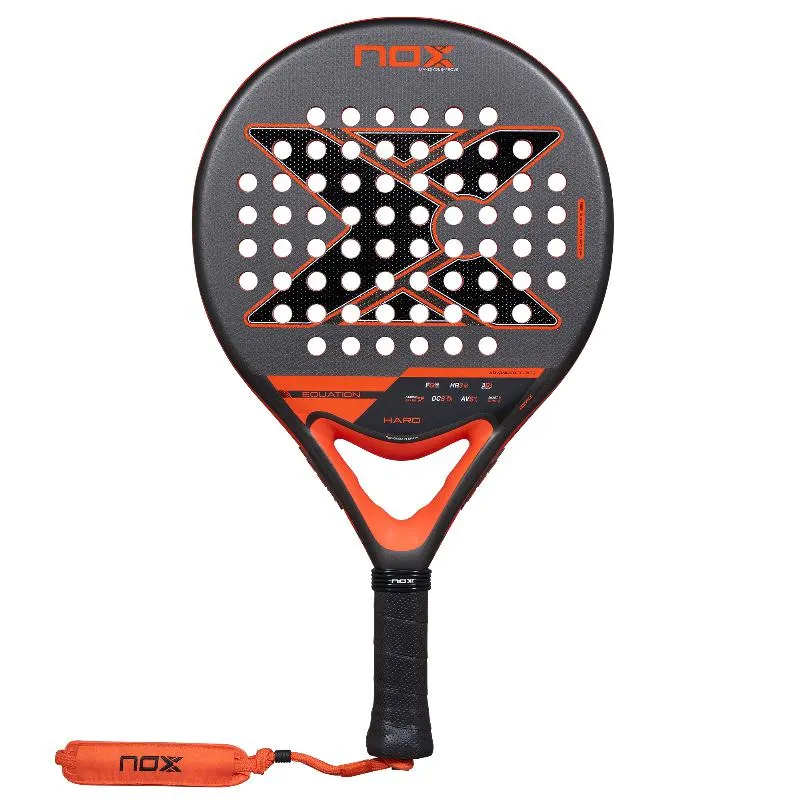
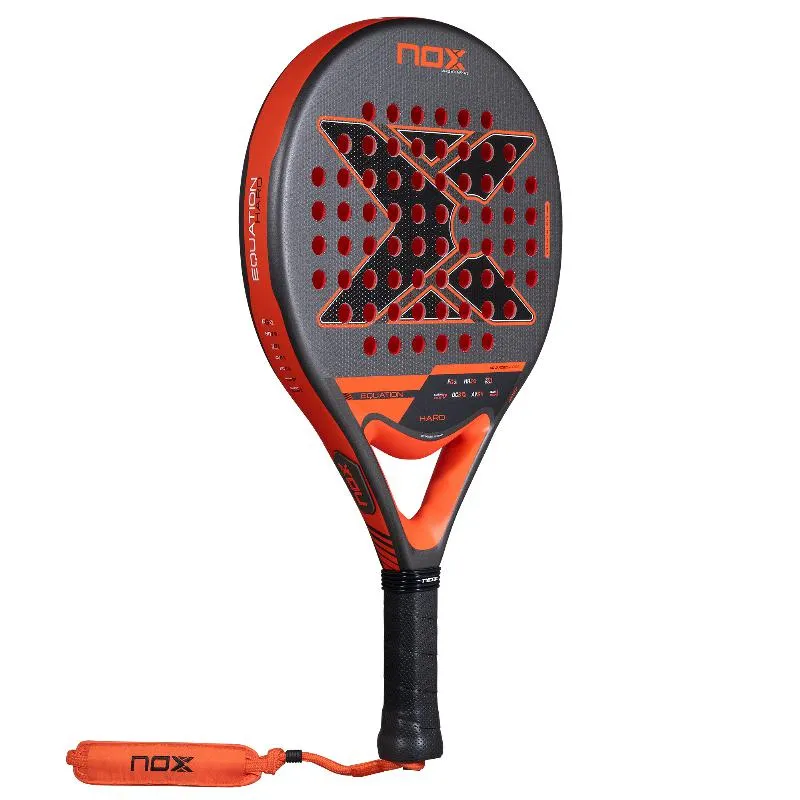
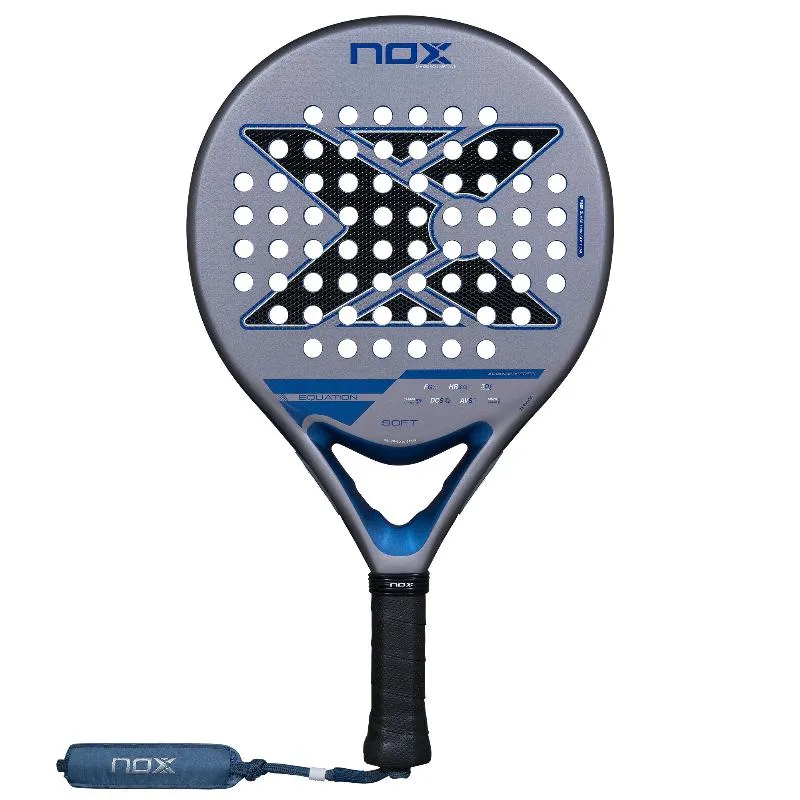
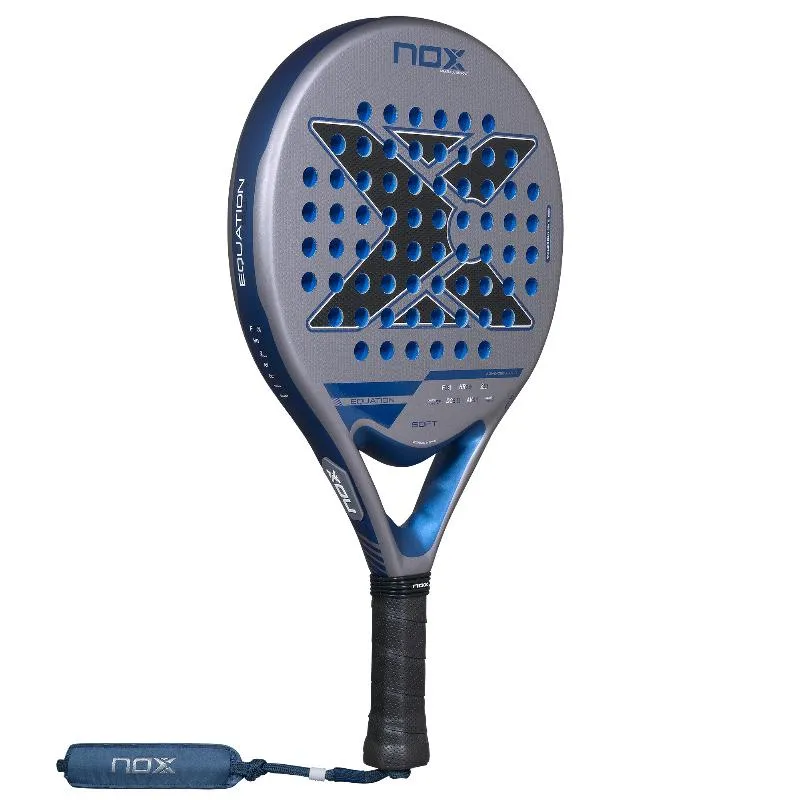
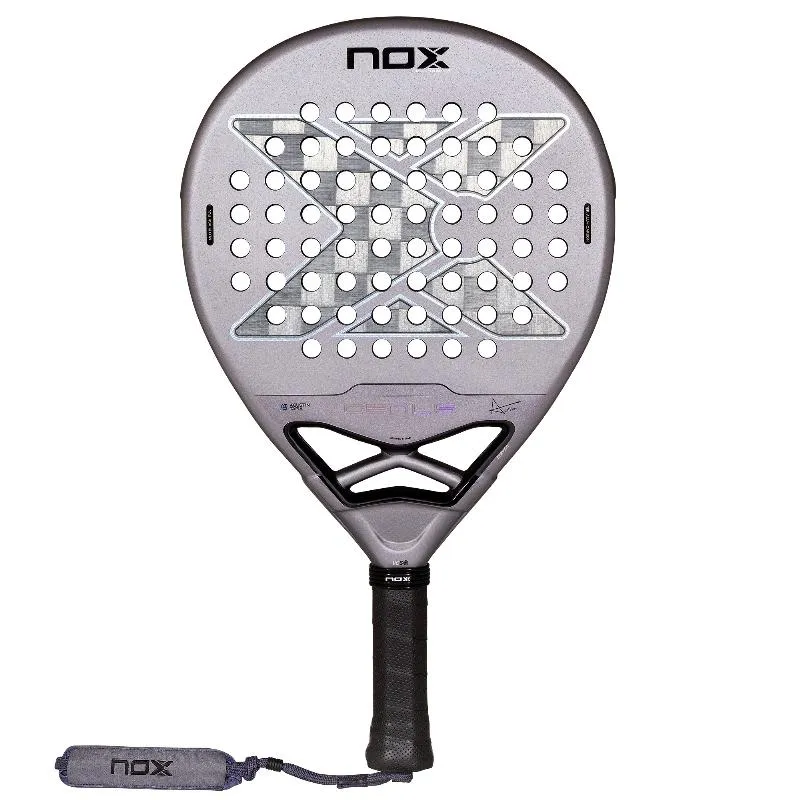
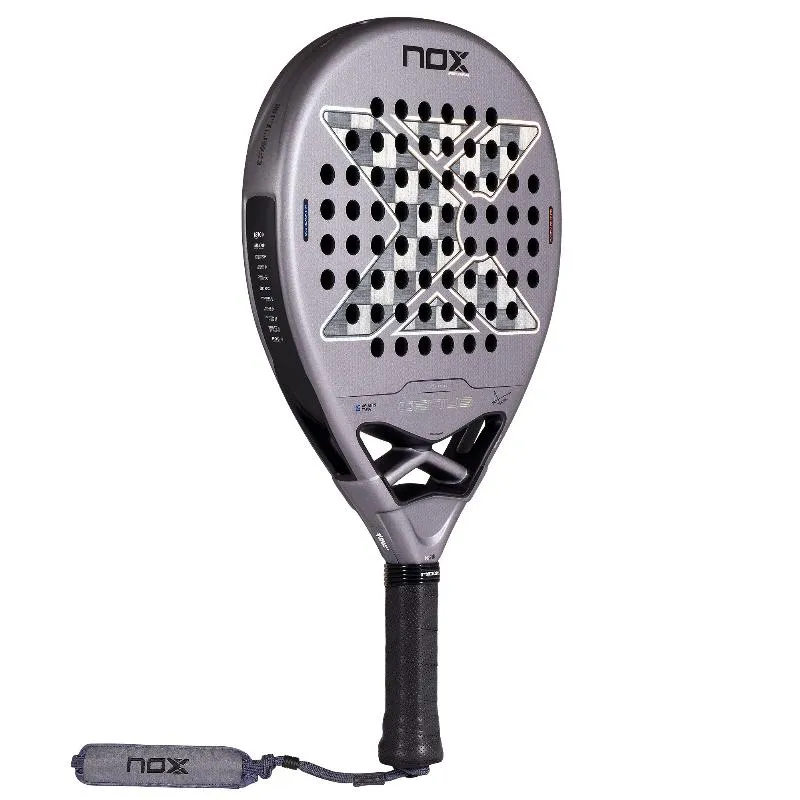
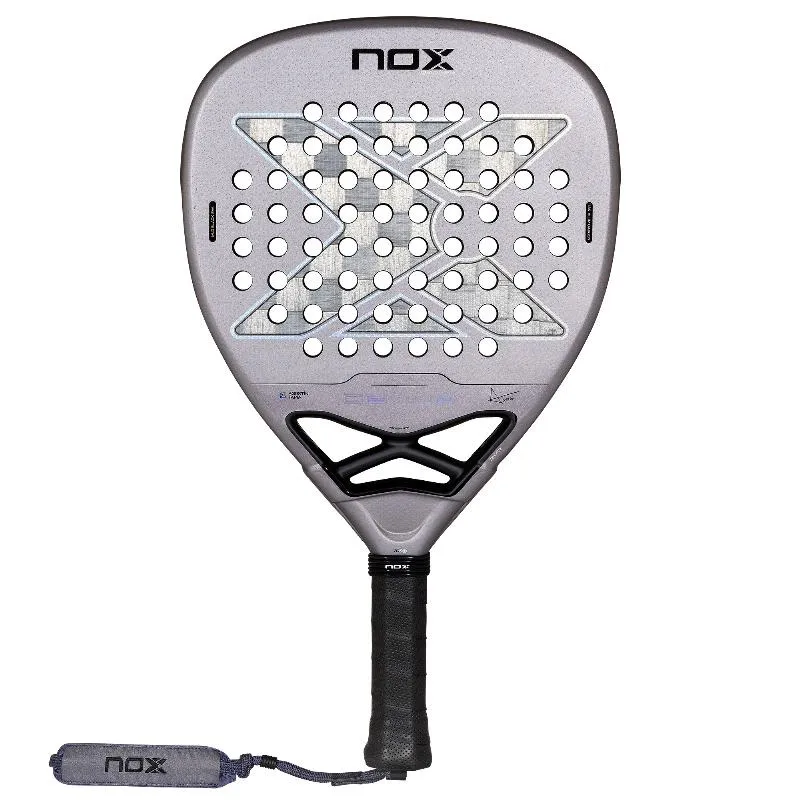
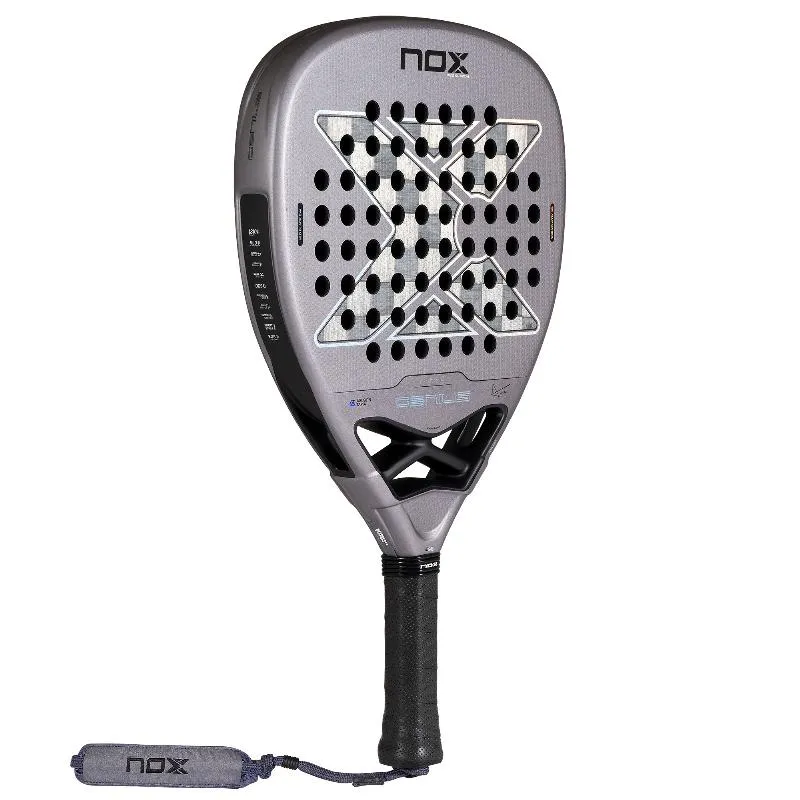
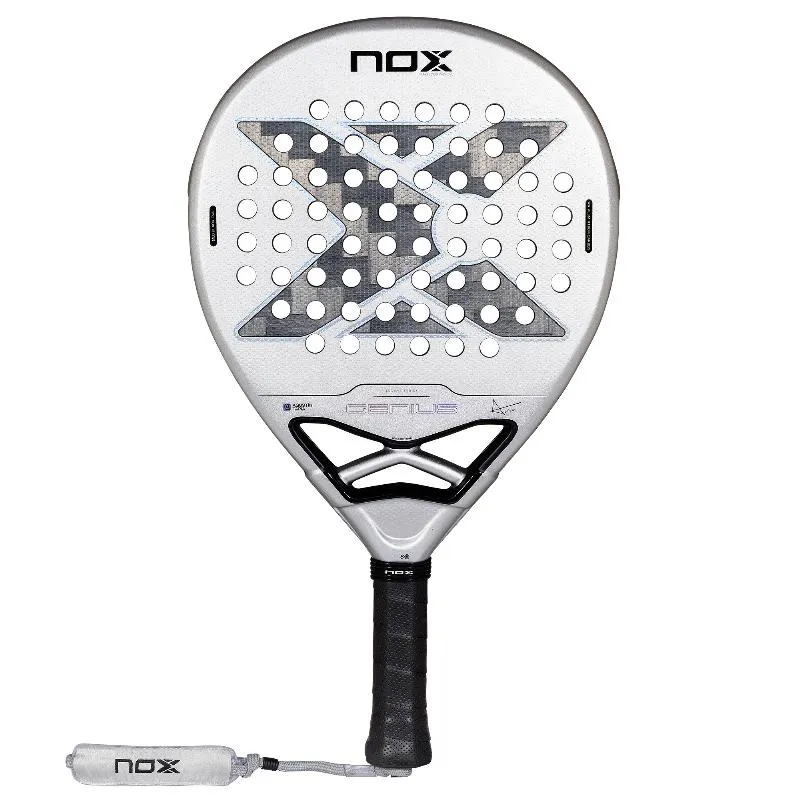
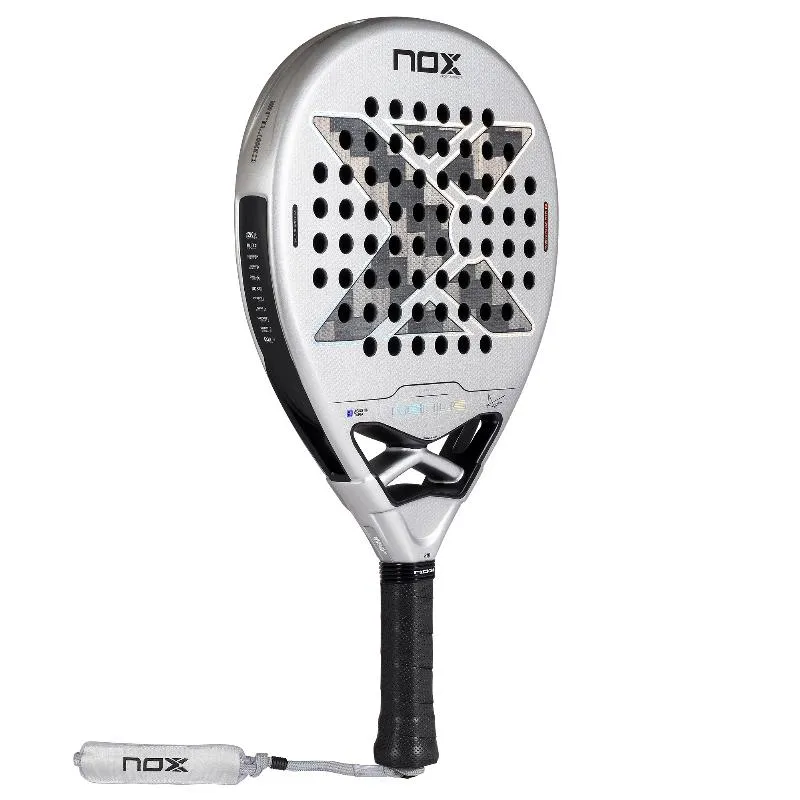
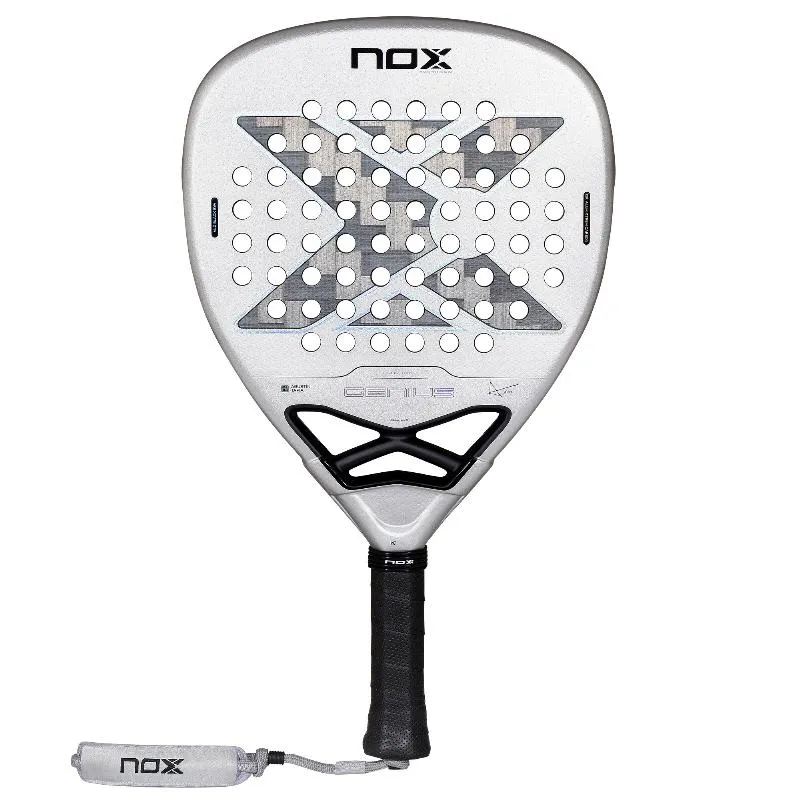
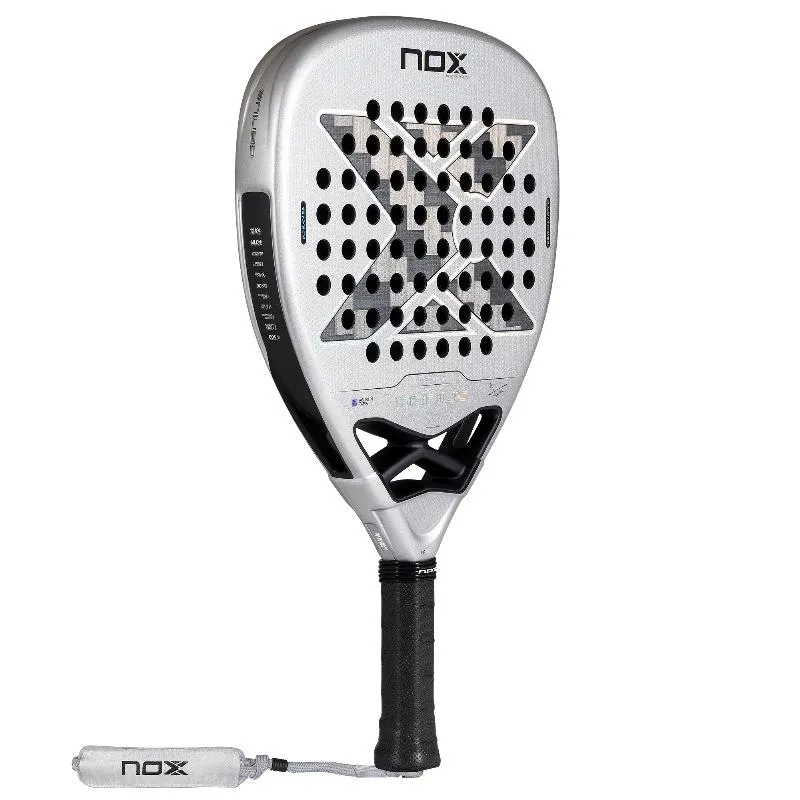
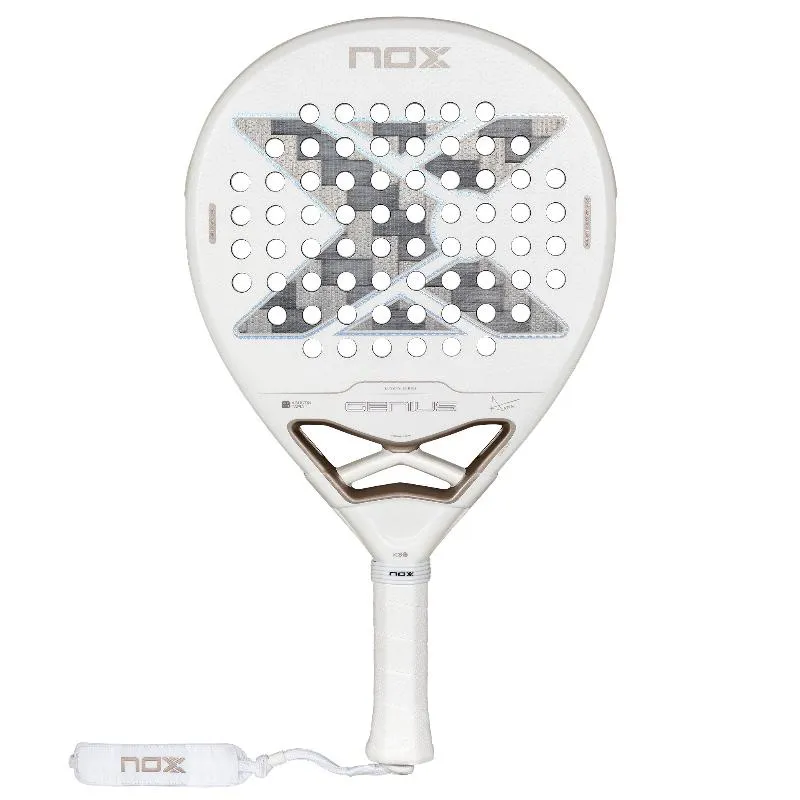
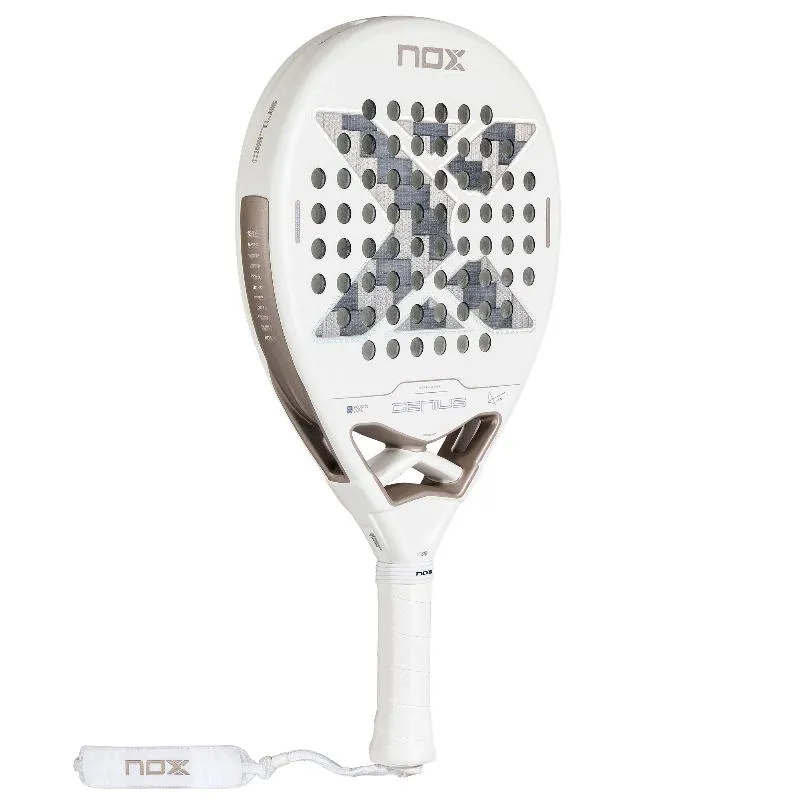
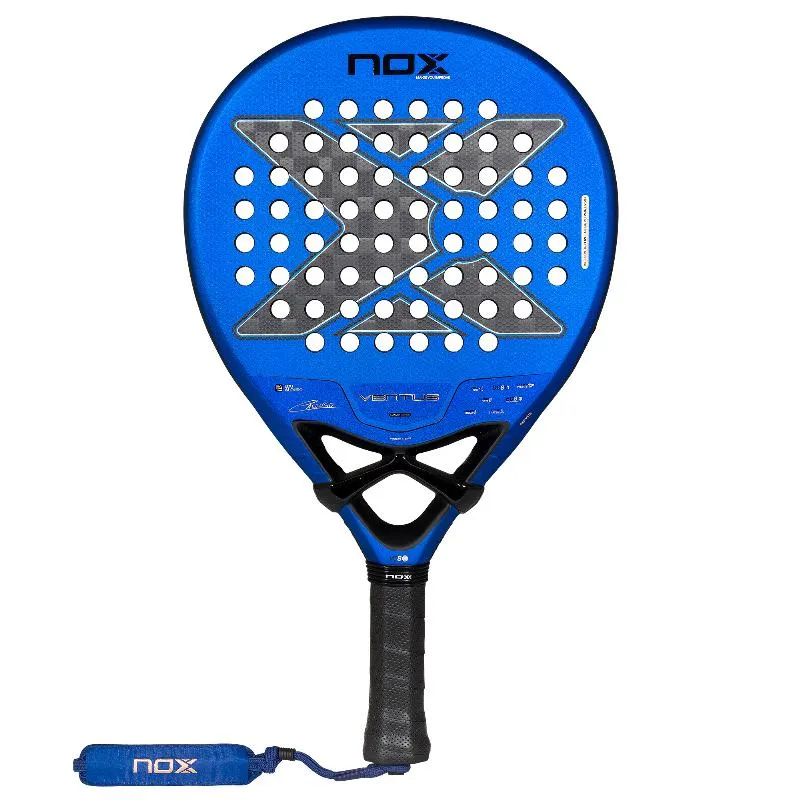
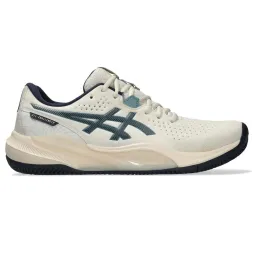
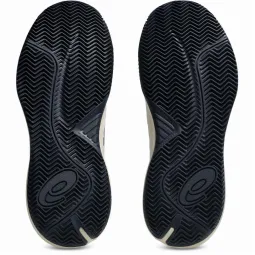
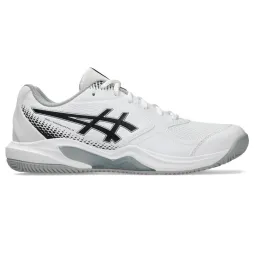
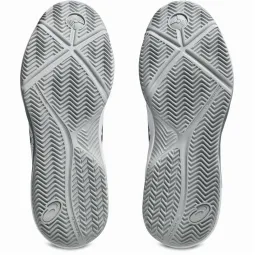
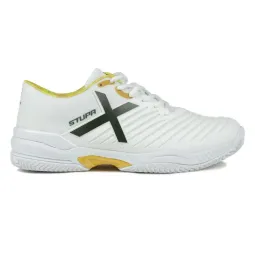
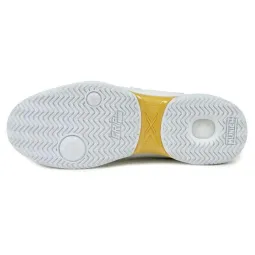
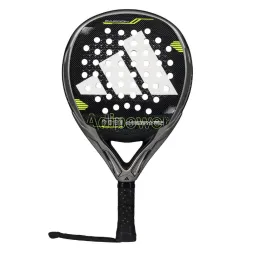
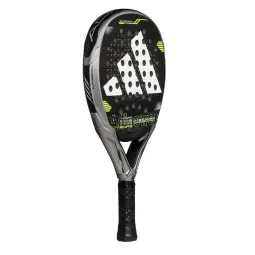
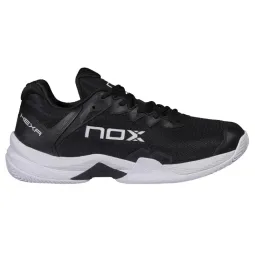
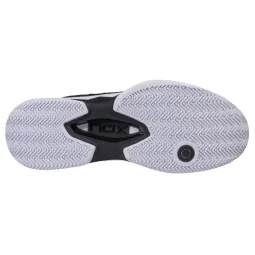
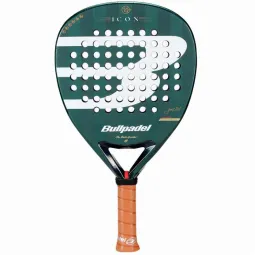
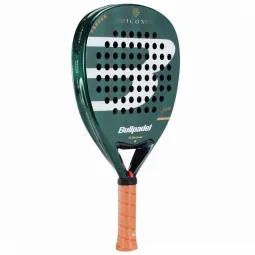
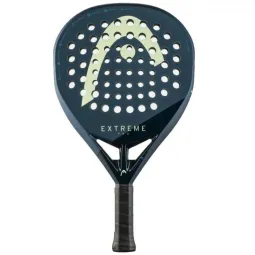
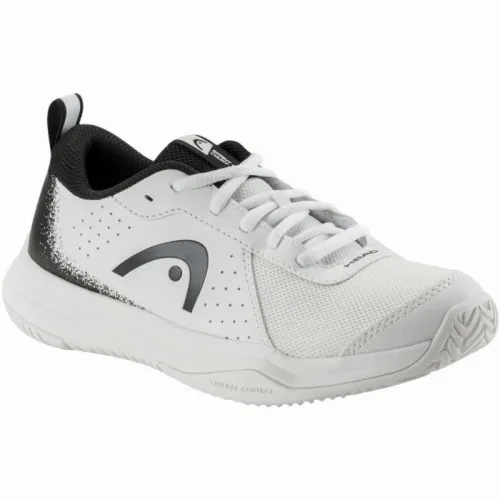
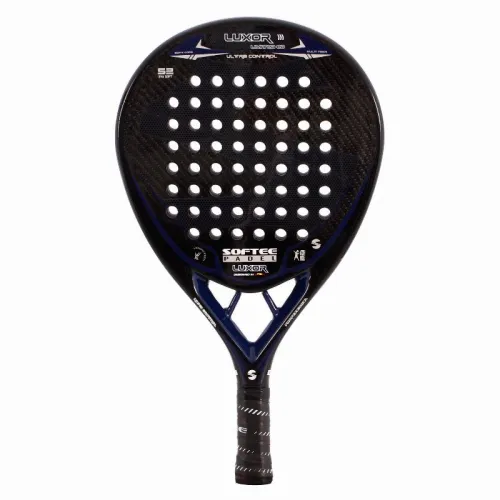
Choosing the right equipment is crucial. Quality padel shoes are essential to protect your joints and improve every sprint or lateral movement. Padel rackets should suit your level and playing style, while accessories like wristbands, caps, and grips optimize comfort and performance.

At TiendaPadelPoint you will find leading brands such as Asics, Babolat, or Nox, specializing in products for training and play.
The role of racket bags and other accessories
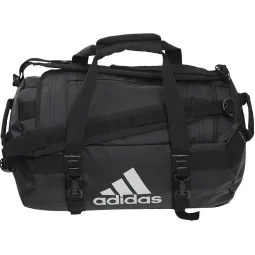
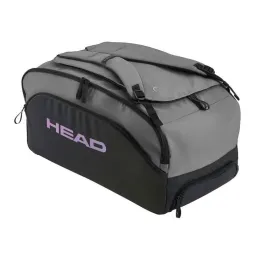
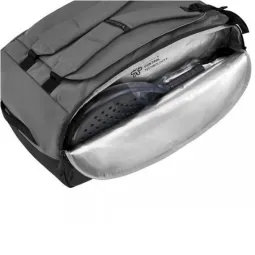
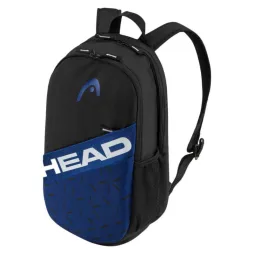
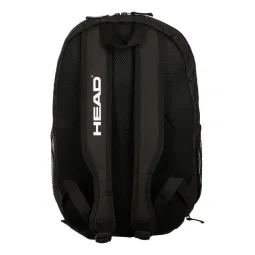
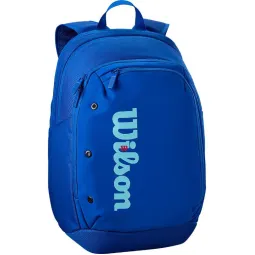
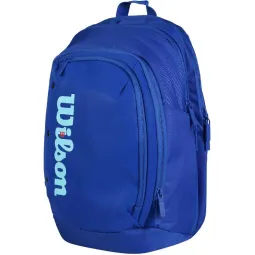
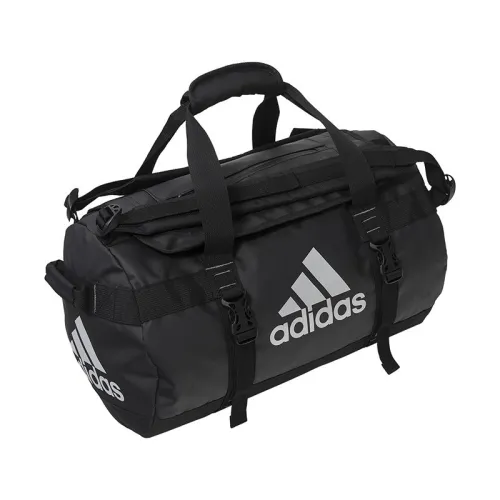
Don't underestimate the importance of a good racket bag for carrying your training and match gear. Organization and protection extend the life of your equipment and make your routine easier.
Which specific exercises improve padel performance?
Some recommended exercises for padel players include:
- Burpees and short sprints for anaerobic capacity.
- Squats and lunges to strengthen legs and glutes, key for movement.
- Planks, abdominals, and core work for stability and shot power.
- Elastic band exercises to strengthen shoulders and prevent injuries.
- Lateral jumps and reaction drills for agility.
To enhance these workouts, check out the latest launches and new arrivals in functional training products for padel.
Support accessories and technology
Use specific balls, skipping ropes, heart rate monitors, and sports watches-all available in our padel accessories section.
How much does physical preparation help prevent injuries?
Proper physical preparation is the best shield against common padel injuries such as overloads, sprains, or tendinitis. A well-trained body better withstands intense matches, repetitive movements, and impacts. In addition, focusing on recovery and choosing technical, breathable padel clothing helps keep your body in top condition.

If you're looking for quality products for training and prevention, brands like Siux, Starvie, or Wilson stand out for their innovation.
Tips for optimal recovery
Don't skip stretching, rest, and nutrition phases. Using the right padel balls and accessories like foam rollers can help reduce muscle fatigue.
How to structure a week of physical training for padel?
A well-planned week should combine:
- 2-3 sessions of cardiovascular endurance (running, cycling, HIIT).
- 2 sessions of general and specific strength.
- 1-2 sessions of mobility and stretching.
- 1 day of active or complete rest.
Remember to adjust intensity according to your level and consult a professional. Take advantage of OUTLET offers to renew your equipment without overspending.

In summary, the key to success in padel is the combination of technique, mindset, and a well-designed physical training plan. Equip yourself with the best products and complete your preparation at TiendaPadelPoint.
Related questions
- Sports nutrition and its impact on padel performance
- Adapted physical training for senior padel players
- Key exercises to prevent common padel injuries
Padel Guide: Technical Knowledge and Applied Game Experience
tiendapadelpoint · Authority in padel, material and performance @ Copyright 2026