













































































Guia de Padel - PadelPoint
Physical warning signs in padel you should not ignore
Recognize your body's signals on the padel court
Padel requires reflexes, agility, and considerable physical effort. Every player should pay attention to the signals their body sends during practice and competition. Ignoring symptoms or discomfort can lead to severe injuries, reduce performance, or even compromise your long-term ability to play. In this guide, you will learn how to identify the most relevant physical warning signs in padel and how to act upon them.
The importance of prevention and proper equipment
Prevention is key. Choosing the right equipment and padel shoes adapted to the court will help minimize risks. Additionally, proper hydration and the use of padel accessories such as wristbands or elbow pads can make a difference in joint protection.
Why shouldn't you ignore certain discomforts?
Pain is not just a nuisance: it's a defense mechanism. If you keep playing with pain, you may aggravate an initial injury. Top brands such as Adidas, Bullpadel, or Head offer technologies focused on protection and comfort, but actively listening to your body is irreplaceable.
Which physical discomforts require immediate attention?
Some discomfort may be normal after physical activity, but others require monitoring and sometimes stopping play:
- Sharp joint or muscle pain: If it is stabbing or disabling, it may indicate serious damage. Leave the court and consult a specialist.
- Sudden swelling: An increase in size in ankles, knees, or elbows may signal a sprain, fracture, or muscle tear.
- Loss of sensation: Persistent tingling in hands or feet may warn of nerve compression.
- Chest pain or difficulty breathing: Stop the activity and seek urgent medical attention.
- Intense cramps: Though common, if recurrent they may indicate dehydration or mineral deficiency.
The importance of recovery and rest
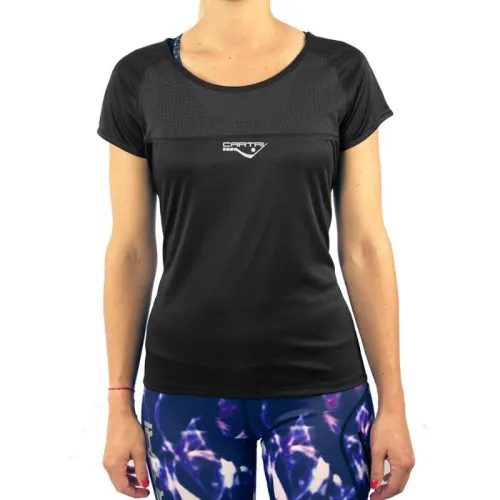
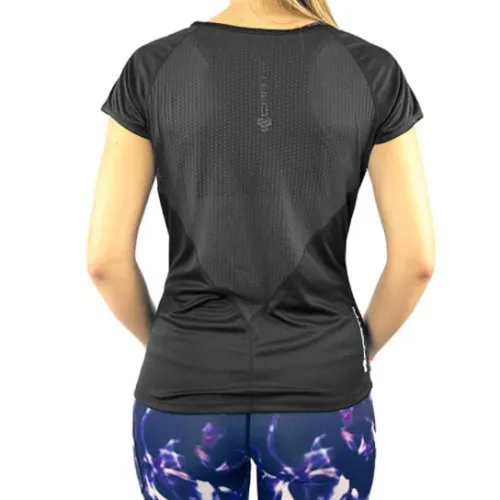
Rest is as important as training. Wearing breathable, high-quality padel clothing aids muscle recovery. Brands like Asics or Mizuno develop technical garments that help avoid overheating and facilitate ventilation.
How to distinguish between normal fatigue and injury?
Muscle fatigue after a padel match is usually temporary, while an injury presents persistent and localized symptoms. If pain persists at rest or if swelling appears, consult a physiotherapist. Using racket bags and padel backpacks to transport your gear helps protect your back and avoid unnecessary overload.
The role of accessories in prevention
Padel accessories such as elbow pads, knee pads, or anti-slip grips can prevent chronic injuries. Don't underestimate the power of good gear in keeping you healthy on the court.
When to see a specialist?
If pain does not subside or worsens after 48 hours, it's essential to consult a specialist. Players of all levels should prioritize their health over any competition. Visit TiendaPadelPoint to learn about prevention products and the latest in padel equipment.
Listen to your body at all times
Experience and technical knowledge help you distinguish between temporary discomfort and warning signs. Always pay attention to your physical condition and consult when in doubt.
What habits help prevent injuries in padel?
Injury prevention in padel starts off the court. Maintain a proper warm-up routine, stretch before and after playing, and use quality padel balls. Don't forget the importance of proper hydration and padel shoes with good cushioning.
- Rest enough between matches and training sessions.
- Choose padel rackets suited to your level and style.
- Visit the new products section to stay updated on prevention technology.
- Regularly consult a physiotherapist or fitness coach.
The value of training and information
Stay informed with guides like this and always consult reliable sources. Prevention is your best ally for a long and successful padel career.
Padel Guide: Technical Knowledge and Experience Applied to the Game
tiendapadelpoint · Authority in padel, equipment, and performance @ Copyright 2026
