













































































Guia de Padel - PadelPoint
Preventing back injuries in padel with core training
The importance of the core in preventing back injuries in padel
Padel is a dynamic sport that demands quick movements, twists, and continuous bending. These repetitive actions can overload the lower back if you lack a strong central musculature. Core training not only boosts performance but is essential to prevent back injuries that are common at all levels of play.
A strong core stabilizes the spine during play, absorbing impact and distributing the forces generated with each shot. This reduces the risk of strains, herniated discs, and muscular overload.
To complement your gear and care for your health, you can find padel accessories that promote ergonomics and player protection.
Which muscles make up the core?
The core consists of the abdominal, lower back, gluteal, and deep pelvic muscles. Training these muscle groups improves posture and overall stability on the court.
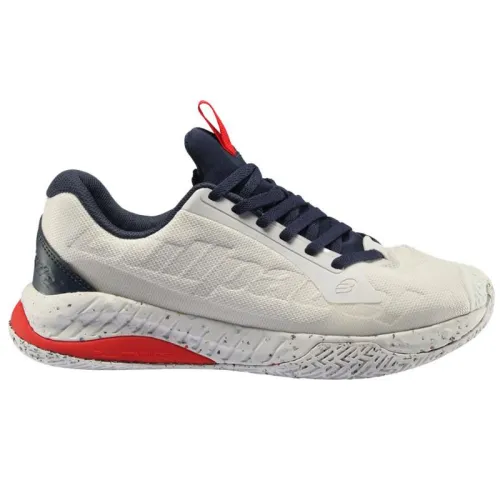
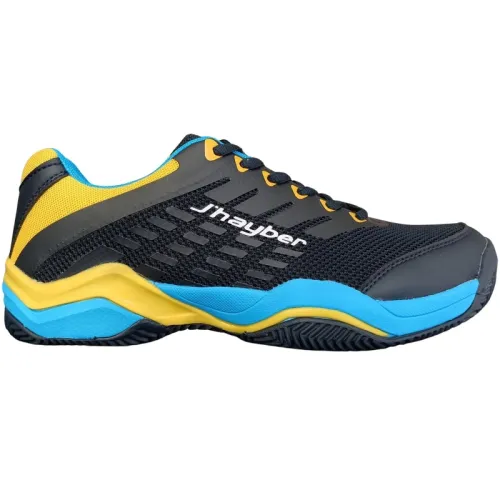
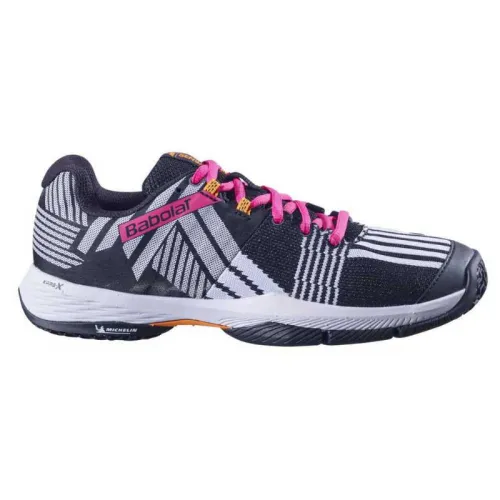
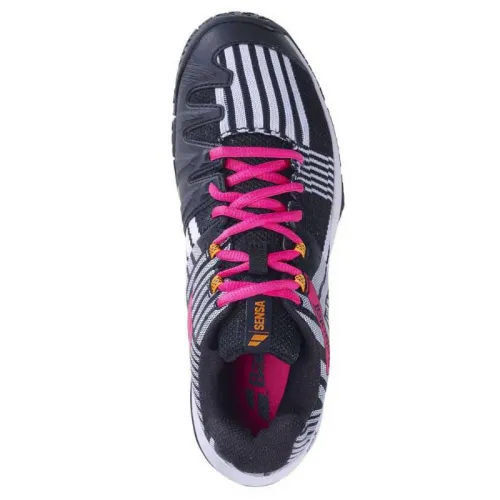
Also, choosing the right footwear is key to avoiding imbalances and injuries. Check out our selection of padel shoes to ensure optimal support.
Which core exercises are most effective for padel players?
There are many core exercises, but some are especially helpful for padel players. The most recommended include:
- Plank: Strengthens the entire core and improves endurance.
- Glute bridge: Reinforces the lower back and glutes, essential for stability.
- Russian twists: Improve rotational strength, crucial for padel strokes.
- Leg raises: Work the lower abdomen and pelvic flexibility.
For proper exercise execution, it's advisable to use mats and specific accessories, available in our padel accessories section.
How many times a week should you train your core?
Ideally, perform 2 to 4 core training sessions per week, incorporating a variety of exercises and working different planes of movement. This ensures a solid foundation for matches, with less discomfort and risk.
How does equipment influence back injury prevention?
The gear you use on court can affect your back health. Using padel rackets suited to your level and playing style helps avoid overload. Rackets that are too heavy or poorly balanced can increase the risk of lower back discomfort.
Also, carrying your gear in ergonomic rackets bags designed to distribute weight helps prevent posture problems off the court.
At TiendaPadelPoint you'll find a wide range of products from brands like Adidas, Babolat, Bullpadel, or Head, renowned for the quality and ergonomics of their products.
How important is daily prevention off the court?
Preventing back injuries doesn't only depend on on-court training. Daily posture hygiene, adequate rest, and a stretching routine are essential complements. Using padel balls of quality also prevents unnecessary effort and poorly executed shots.
What signs indicate core weakness or injury risk?
Some symptoms indicating a weak core or lower back fatigue include:
- Pain or stiffness in the lower back after playing.
- Difficulty maintaining an upright posture during matches.
- Lack of balance and coordination in lateral movements.
- Loss of power in shots.
If you experience these signs, it's crucial to reinforce core work and review your equipment. In our OUTLET section you can find opportunities to renew your products at reduced prices.
When to consult a specialist?
If pain persists or increases, it's best to consult a physiotherapist or sports health professional. They can assess your case and guide you on the best prevention and recovery plan.
What role does technique play in preventing back injuries?
Good technique is as important as physical preparation. Hitting correctly, rotating from the hips instead of the waist, and using body weight in movements are aspects that reduce back tension.
Learning from certified coaches and staying updated with new developments in training methodology can make a difference in player health.
How to integrate core work into your padel routine?
Ideally, combine core training with specific warm-ups, functional exercises, and recovery techniques such as foam rolling or assisted stretching. This way, your body will be prepared for padel demands and risks will be minimized.
Padel Guide: Technical Knowledge and Applied Game Experience
tiendapadelpoint · Authority in padel, gear and performance @ Copyright 2026
