














Guia de Padel - PadelPoint
Professional padel distribution and its impact on the ecosystem
The value of organized distribution in professional padel
Professional distribution in padel is one of the pillars supporting the orderly growth of the sport worldwide. According to the experts at TiendaPadelPoint, having an efficient distribution structure not only brings order and predictability to the ecosystem but also drives innovation, competitiveness, and the international expansion of padel.
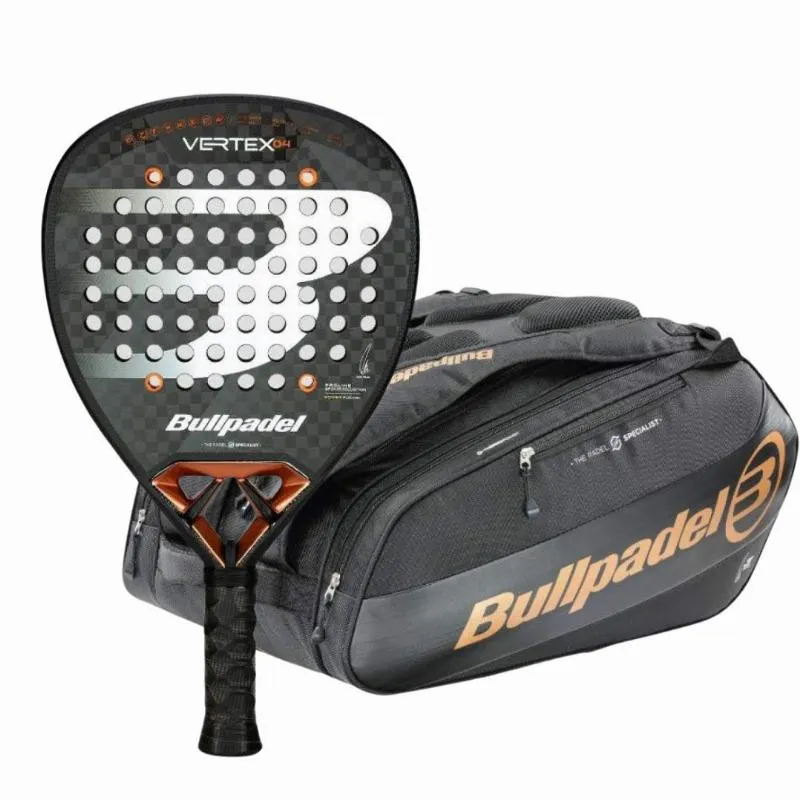
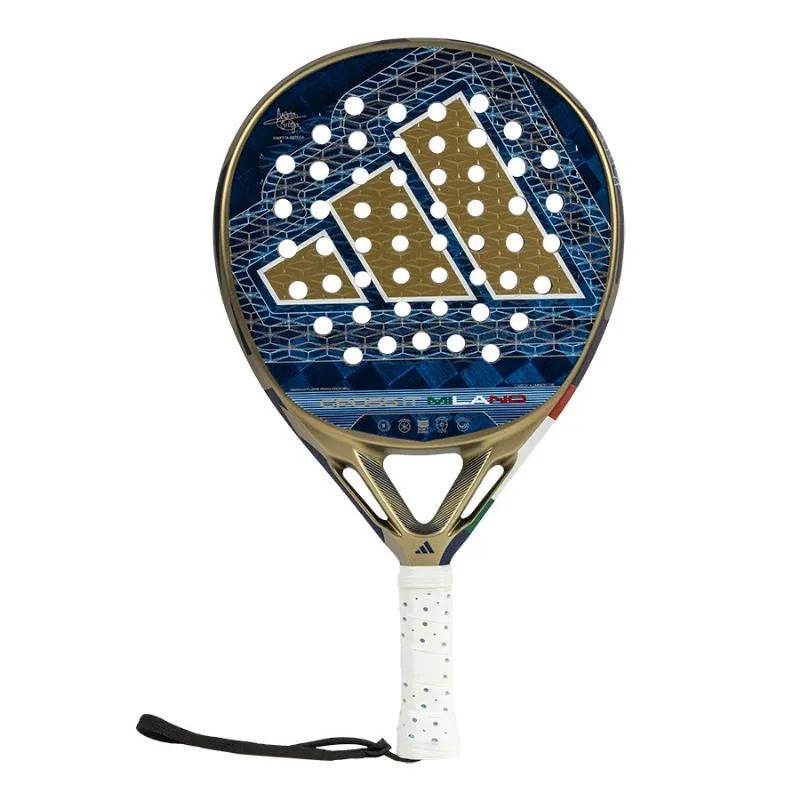
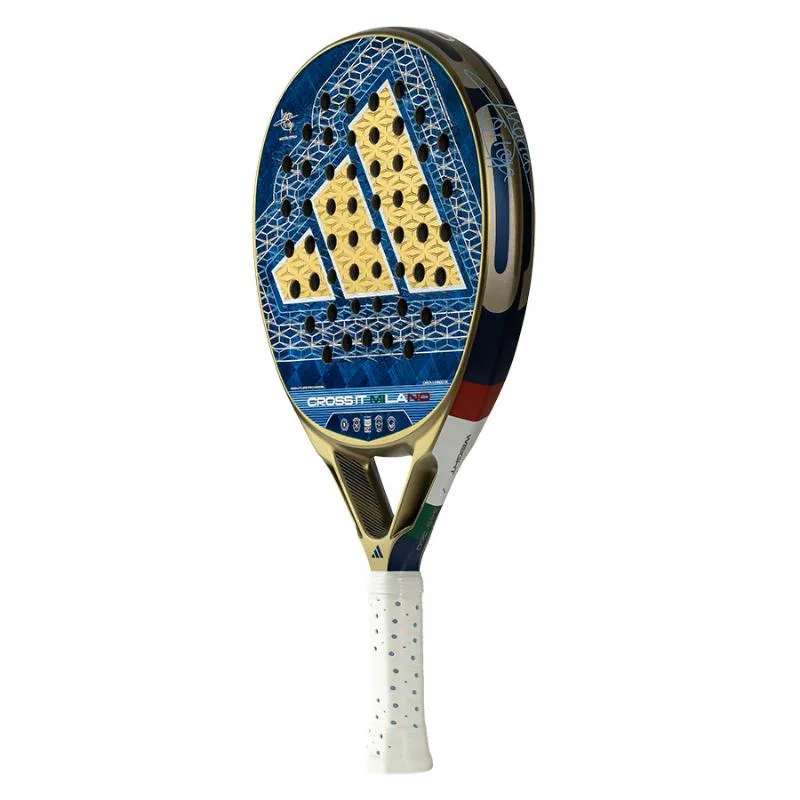
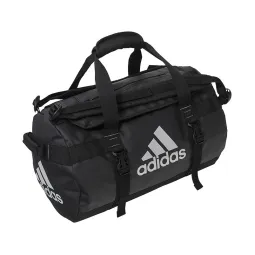
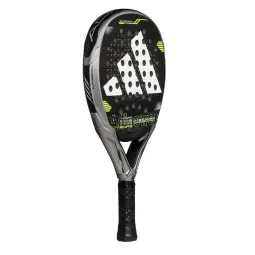
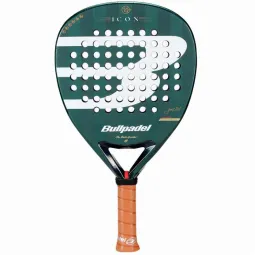
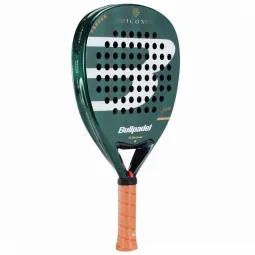
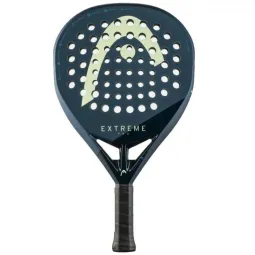
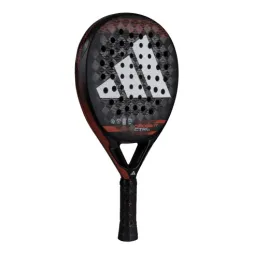
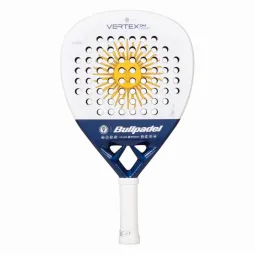
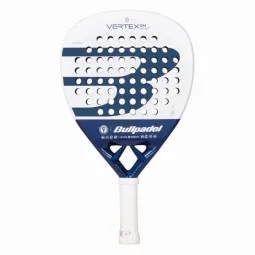
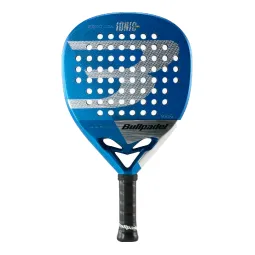
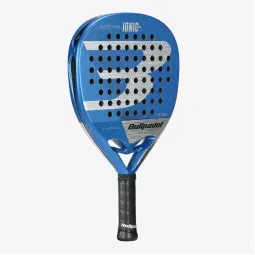
In the current context, where padel is experiencing unprecedented growth, proper management and selection of products, brands, and sales channels are essential to bring both amateur and professional players the best possible experience. Major brands such as Adidas, Bullpadel, and Head have committed to professionalized distribution, allowing their products to reach every corner and benefit consumers, clubs, and specialized stores.
Why is professional distribution fundamental for padel?
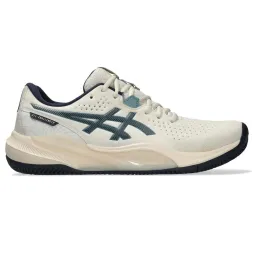
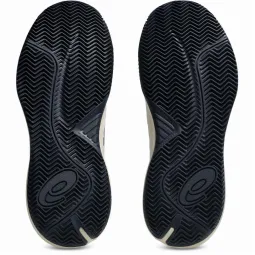
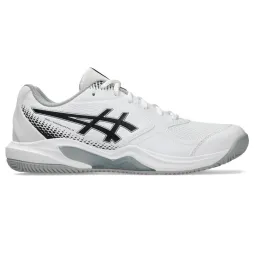
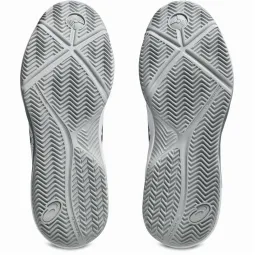
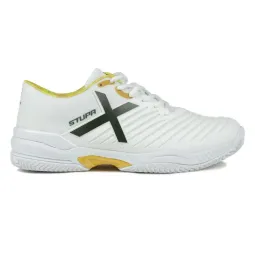
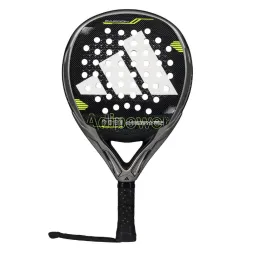
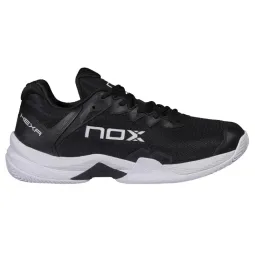
The professionalization of distribution ensures that products as diverse as padel rackets, specialized clothing, and technical shoes reach players with guarantees of quality, innovation, and service. It also makes it easier to access padel accessories that make a difference in performance and comfort.
An orderly professional distribution ecosystem promotes price transparency, stock availability, and the rapid, effective introduction of new products.
How does professional distribution benefit players and clubs?
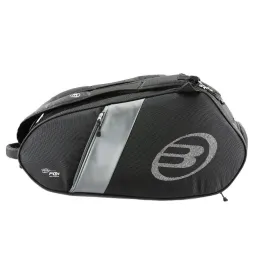
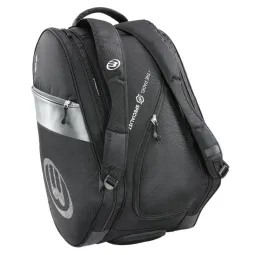
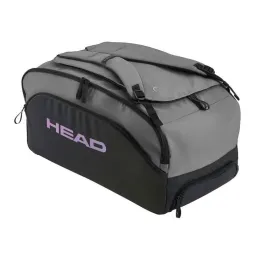
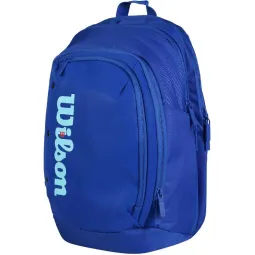
Predictability in distribution translates into direct advantages for players and clubs. Players always find the products they need, from padel balls to exclusive racket bags. Clubs, on the other hand, have access to a complete catalog of accessories and professional equipment, which allows them to offer higher-quality services and adapt to their members' needs.
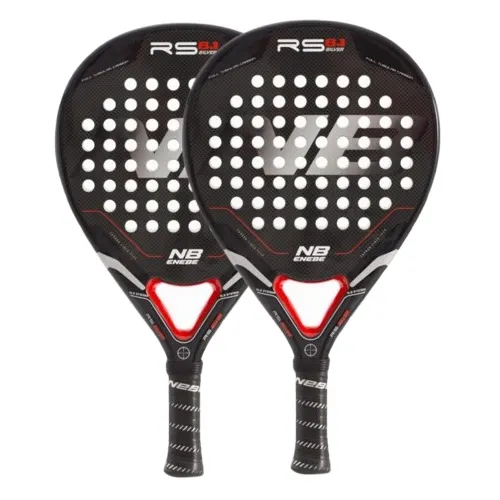
Major manufacturers like Babolat, Starvie, and Vibora have standardized distribution to make access to the best equipment more universal and less dependent on location.
The importance of stock and efficient logistics
In professional padel, stock and logistics management is key to avoiding shortages and ensuring product availability all year round. Specialized stores like TiendaPadelPoint invest in advanced management systems to offer everything from the latest padel shoes to outlet products at unbeatable prices.
Efficient logistics also ensure that new clothing collections and rackets arrive on time, guaranteeing customer satisfaction.
What are the main challenges for professional distribution in padel?
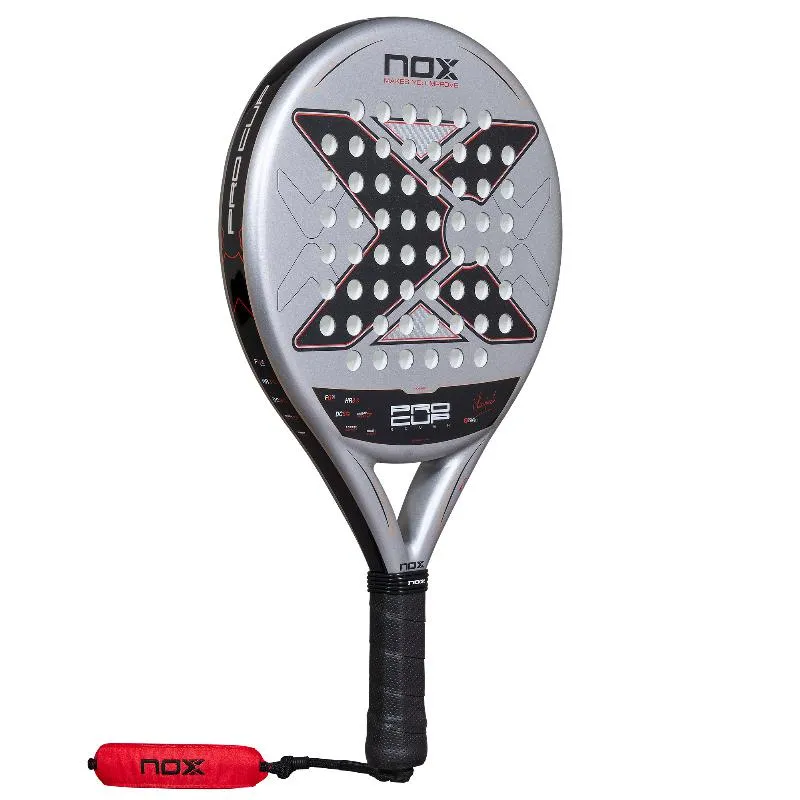
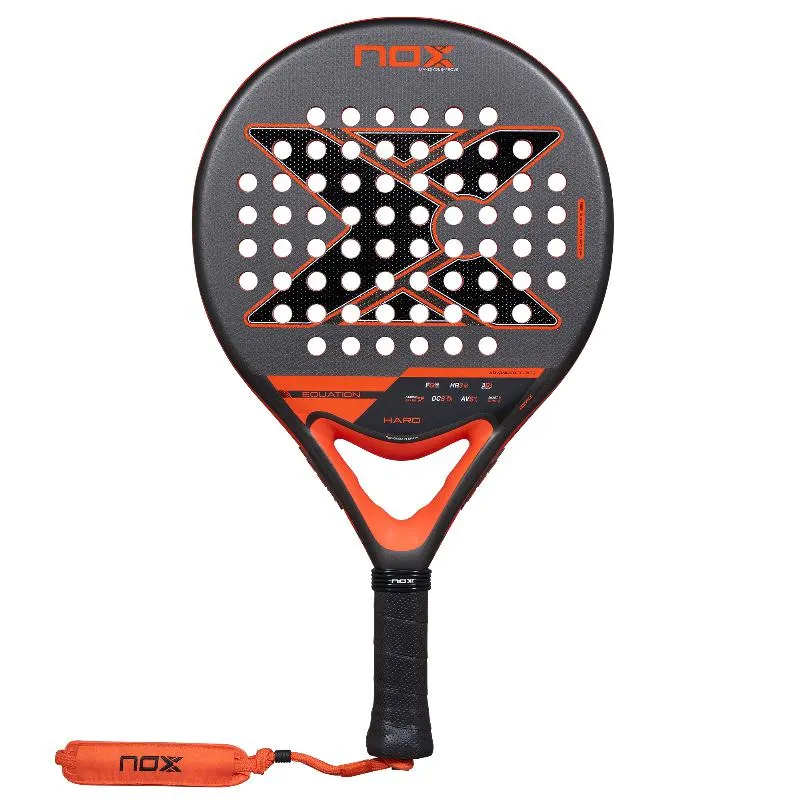
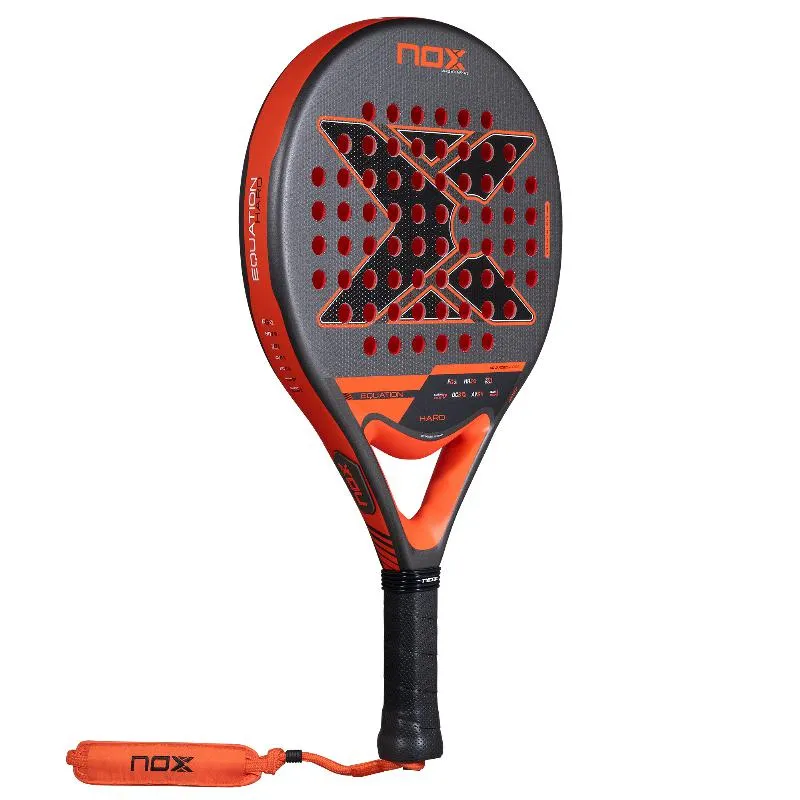
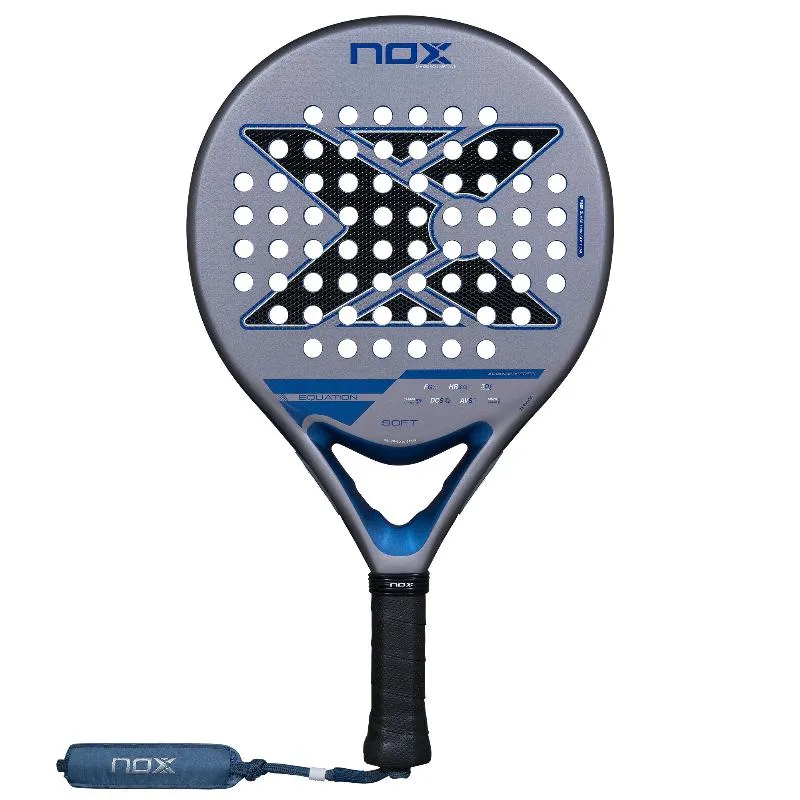
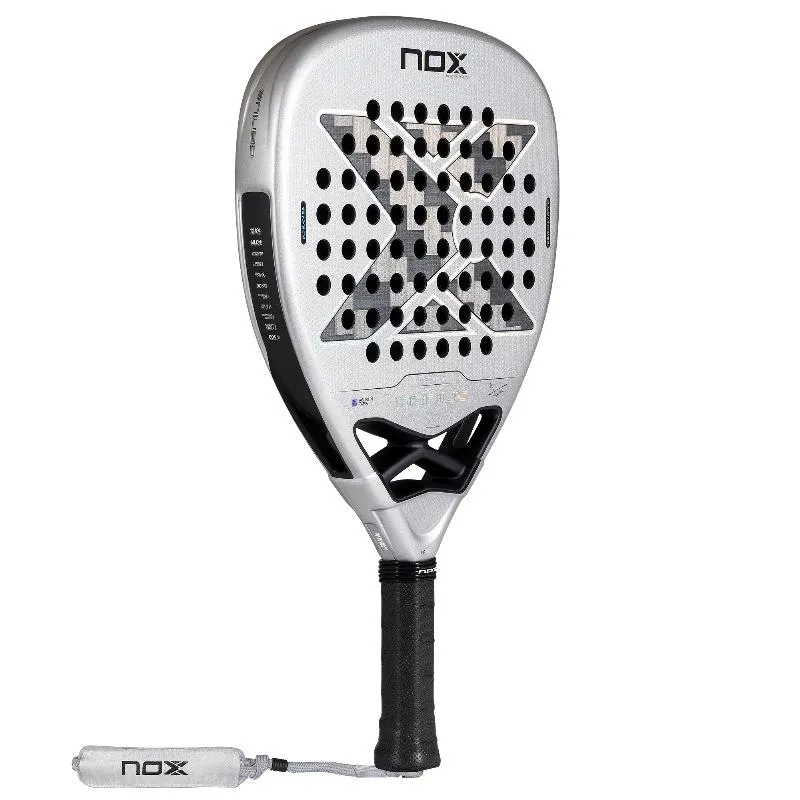
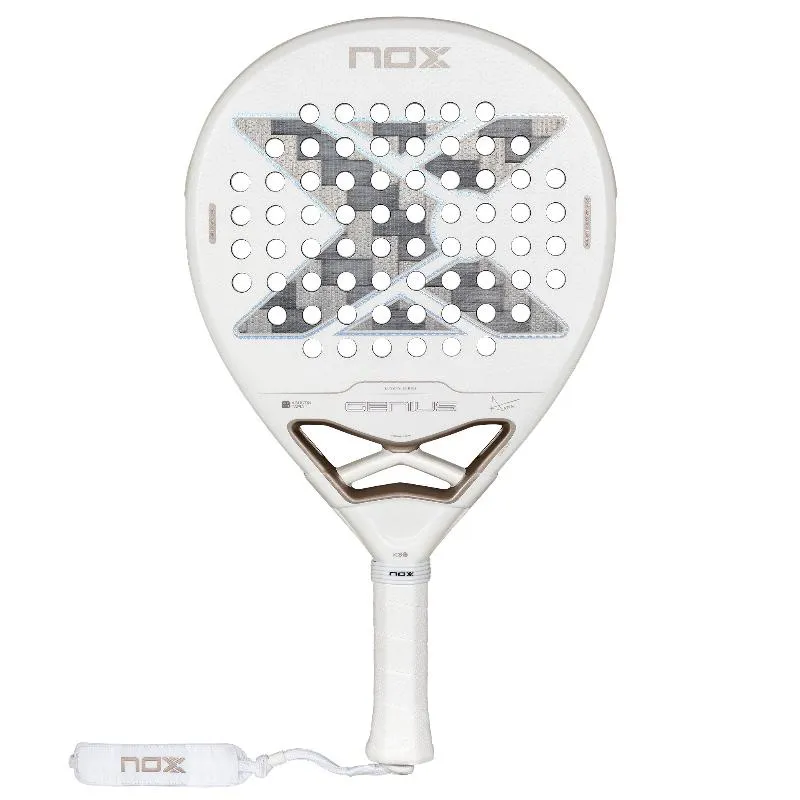
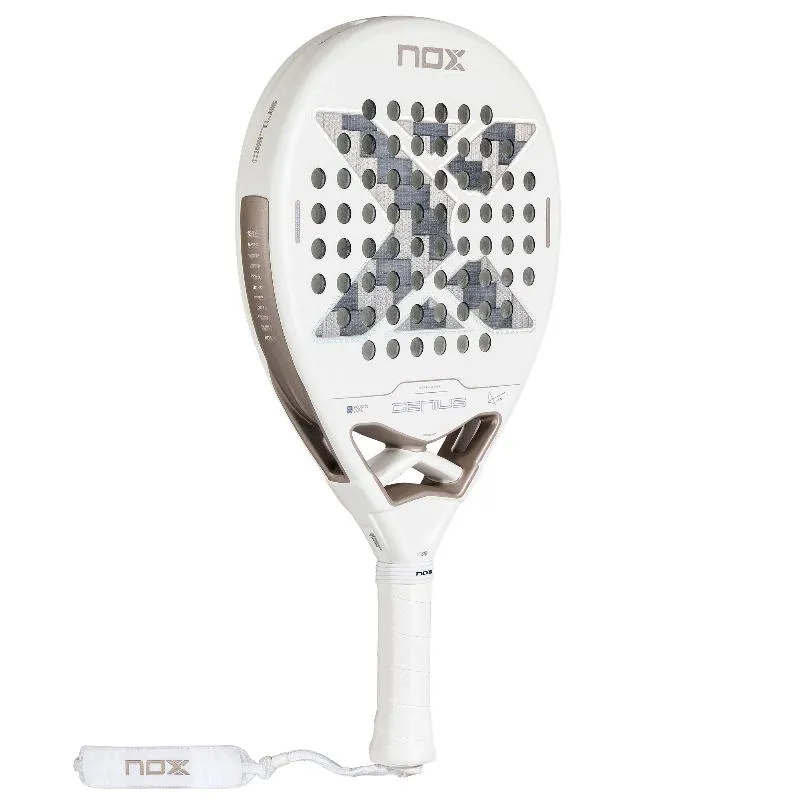
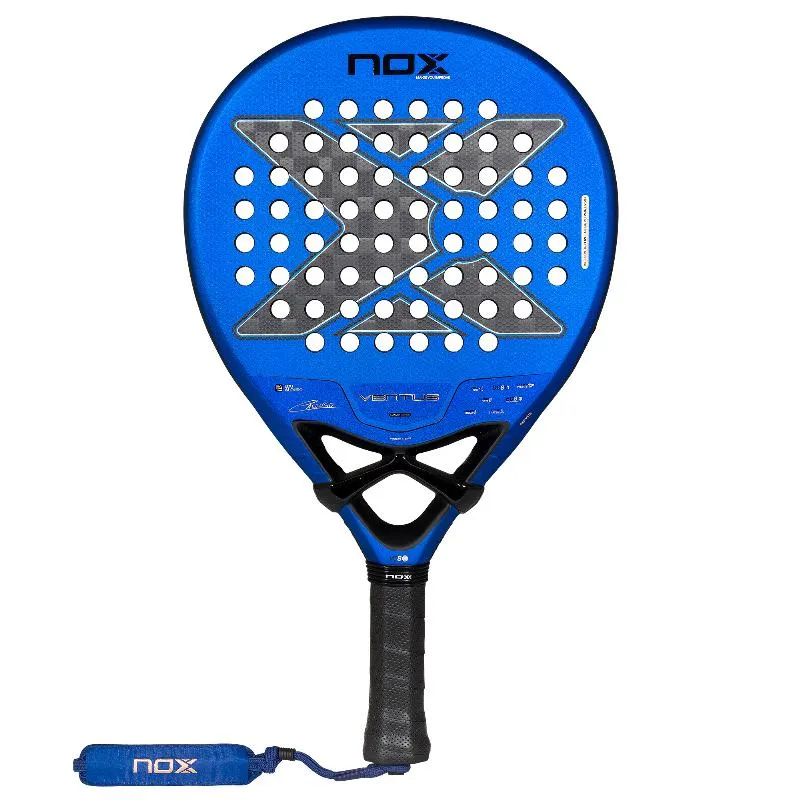
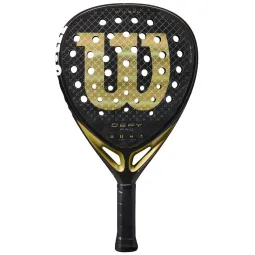
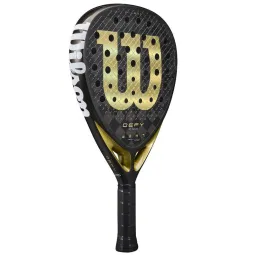
One of the main challenges is the variety of brands on the market, from major players like Nox, Asics, and Wilson to emerging brands such as Addictive and Aca Padel. Competition drives constant innovation and forces distribution channels to adapt to both digital and traditional consumers.
Additionally, information management, adaptation to new technologies, and sustainability in distribution processes are challenges the industry must address to continue growing responsibly.
The role of digitalization in professional distribution
Digitalization has transformed how stores and brands manage inventory, promotions, and customer relationships. Platforms like TiendaPadelPoint allow users to compare products from brands such as Dunlop or Siux, access outlet offers, and receive expert advice for the best purchasing decisions.
What trends will define the future of professional padel distribution?
Personalization, sustainability, and omnichannel integration are the major trends that will shape professional padel distribution in the coming years. Consumers expect personalized shopping experiences, flexible delivery options, and a real commitment to the environment from brands and distributors.
Brands like Joma and Diadem are already betting on eco-friendly materials, and many stores are implementing in-store pick-up systems and sustainable shipping options.
How to choose among the best padel brands and products
To choose the right equipment, it's best to trust specialized distributors who work with both leading and emerging brands. The racket catalog, accessories, and shoes at TiendaPadelPoint are examples of variety and quality commitment.
Professional distribution will continue to drive the development and democratization of padel at all levels. Betting on it means betting on a more accessible, innovative, and sustainable sport.
Related questions
- The impact of emerging brands on professional padel distribution
- How professional distribution affects padel prices
- Advantages of buying at TiendaPadelPoint vs large retailers
Padel Guide: Technical Knowledge and Game Experience
tiendapadelpoint · Authority in padel, equipment and performance @ Copyright 2026