




















































































Guia de Padel - PadelPoint
Common psychological mistakes in amateur padel
Keys to understanding mental mistakes in recreational padel
Amateur padel is an exciting sport that combines technique, tactics, and a significant dose of psychological work. Non-professional players often make certain mental errors that impact their performance and enjoyment. Identifying and working on these mistakes is key to progressing, gaining confidence, and enjoying every match more.
At TiendaPadelPoint we know that the mind plays as fundamental a role as padel rackets or good padel shoes. That's why we address the most common psychological mistakes and offer you resources to overcome them.
Why is mental strength so important in padel?
Padel is a sport of rapid changes, where constant pressure and decision-making can affect your performance. A strong mindset helps manage frustration, nerves, and pressure, allowing you to make better decisions and stay focused.

What are the most common psychological mistakes in amateur padel?
Among the most frequent mental errors are:
- Excessive self-criticism after mistakes: Losing a point and dwelling on the mistake is common. This attitude prevents enjoyment and learning, generating frustration and mental blocks.
- Lack of focus on the present: Thinking about the score, past errors, or the final result reduces attention to the current point, which is the most important in the game.
- Difficulty handling pressure: Many players freeze at decisive points, allowing nerves to affect their shots and decisions.
- Constant comparison with opponents: Measuring your own level based on your rival generates insecurity and reduces confidence in your abilities.
- Emotional disconnection: Not managing emotions such as anger, disappointment, or euphoria leads to technical and tactical errors.
Overcoming these mistakes, as worked on in the best schools and with products from Adidas or Bullpadel, is essential for progress.
How does self-confidence affect your game?
Lack of confidence is one of the most limiting mental errors. When you don't believe in your own abilities, your shots lose precision and decision-making becomes slower. Working on self-confidence is a process that requires practice, self-awareness, and the use of appropriate psychological tools.
Exercises to gain confidence on the court
- Visualize shots and plays in advance.
- Repeat positive affirmations before and during the match.
- Celebrate every success, no matter how small.
Brands such as Nox and Head offer equipment that contributes to player well-being and confidence.
What role does emotional management play in padel?
Emotional management is essential to maintain focus and avoid ups and downs during the match. A very common mistake is to get carried away by frustration after losing a point or not knowing how to channel euphoria after a success.
Tips for controlling emotions during the game
Learning to breathe deeply, taking a few seconds between points, and keeping a positive attitude are key to preventing emotions from dominating your game. It is also advisable to have the right accessories, such as those you can find in the accessories section.
How can accessories and equipment influence player psychology?
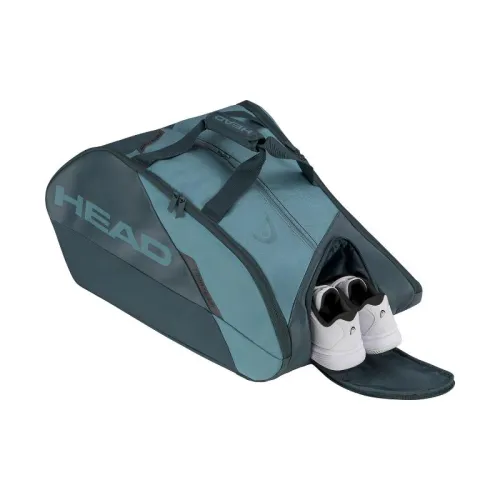
Using a rackets bag or suitable clothing can improve comfort and security, helping keep your mind on the game. In addition, choosing the right racket, such as those available in the padel rackets section, directly influences confidence and performance.
The importance of feeling prepared and comfortable
A player who feels comfortable with their equipment faces psychological challenges with greater strength. That is why investing in good padel shoes or padel balls can make a difference.
What strategies and resources exist to overcome mental mistakes?
To overcome psychological mistakes, it is advisable to work on your mental routine and pre-match preparation. Practicing visualization, setting realistic goals, analyzing matches, and seeking advice from coaches or sports psychologists are very useful steps.
In addition, staying updated on news in mental training and equipment helps you evolve.
Mental warm-up routines before matches
- Deep, conscious breathing.
- Reviewing personal goals for the match.
- Remembering past matches and key learnings.
In short, psychological mistakes in amateur padel are common, but with effort and the right resources, they can be overcome, leading to more competitive and satisfying matches.
Padel Guide: Technical Knowledge and Applied Experience to the Game
tiendapadelpoint · Authority in padel, equipment and performance @ Copyright 2026
